High-performance technical Polo Shirts and custom sports garments engineered to meet the strict quality and functional requirements of central European corporate and activewear brands.
Founded in 2000, delivering high-performance textile solutions across three decades.
Leading exporter in Ningbo, shipping to top global sportswear brands.
Fully compliant ecosystem certified with BSCI, WARP, Sedex, and Disney.
Robust production lines catering to both micro-batches and bulk orders.
The German sports and corporate wear market is recognized globally for its uncompromising standards regarding fabric durability, ecological safety, and ethical supply chain operations. As the German federal government tightens enforcement of the Supply Chain Due Diligence Act (Lieferkettensorgfaltspflichtengesetz - LkSG) and prepares for the EU-wide Corporate Sustainability Due Diligence Directive (CSDDD), procurement managers in Berlin, Munich, Hamburg, and Frankfurt are shifting from low-cost transactional purchasing to strategic partnerships with vertically integrated, certified manufacturers.
Historically home to legacy activewear pioneers, the German market now features a highly segmented landscape. Key demand drivers include corporate workwear (Berufsbekleidung), premium tennis and golf club apparel, outdoor hiking gear, and fitness sportswear. Unlike fast-fashion sectors, German buyers prioritize the "cost-per-wear" metric, demanding fabrics that retain dimensional stability, colorfastness (Grade 4+ on the ISO scale), and seam strength through minimum 50 industrial wash cycles.
Additionally, local weather variations across Germany—from wet, windy coastal regions in the north to alpine climates in the south—require versatile layering pieces. Knitted garments must provide high breathability, thermal efficiency, and moisture-vapor transmission rates (MVTR) suitable for active performance. As a result, technical blends containing recycled synthetic filaments, premium long-staple cotton, and certified Lenzing™ fibers have become industry benchmarks.
Globally, the athletic apparel market is executing a rapid transition from virgin petrochemical synthetics to closed-loop recycled yarns. Brands are under consumer pressure to map and disclose the exact carbon footprints of their products. At Ningbo Jinmao, we address this transformation by integrating green supply chains from the fiber level. Our long-term alliances with global yarn spinners allow us to curate GRS (Global Recycled Standard) certified polyester, BCI (Better Cotton Initiative) cotton, and organic cotton that meet Oeko-Tex Standard 100 Class I (safe for infants) requirements.
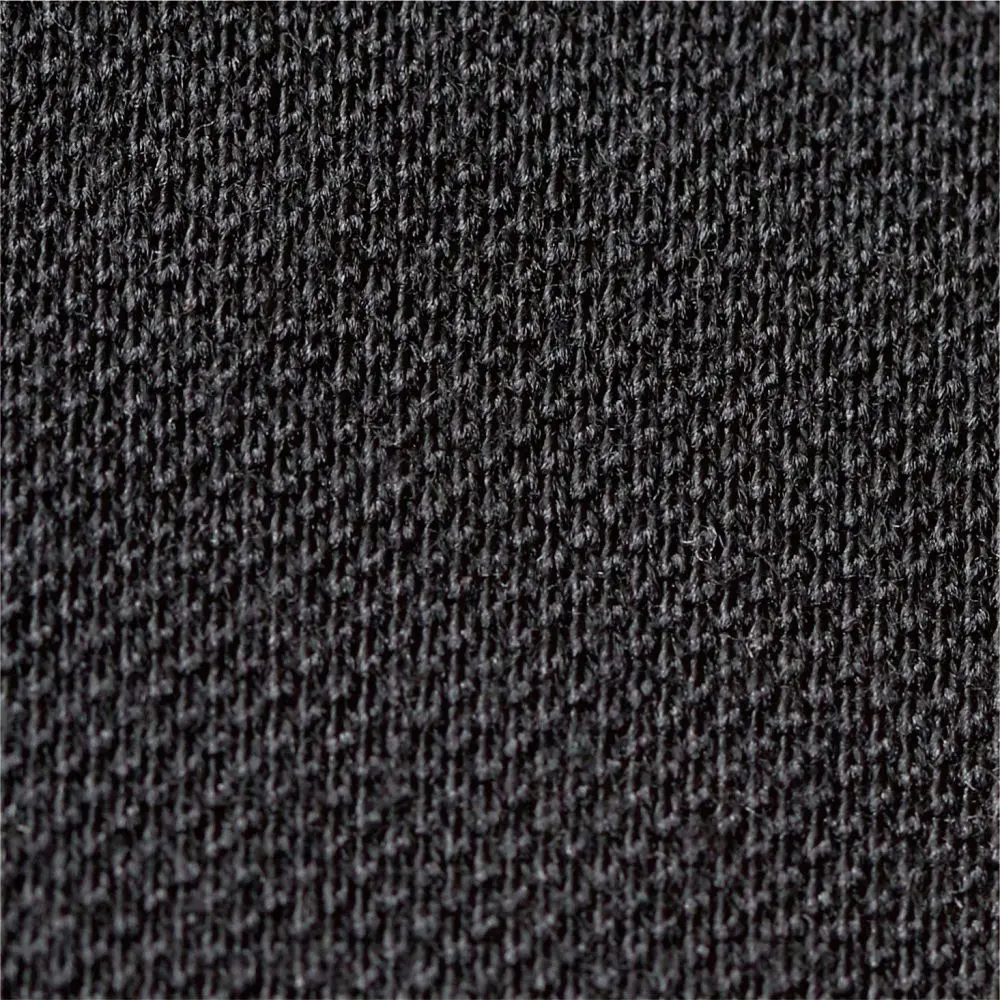
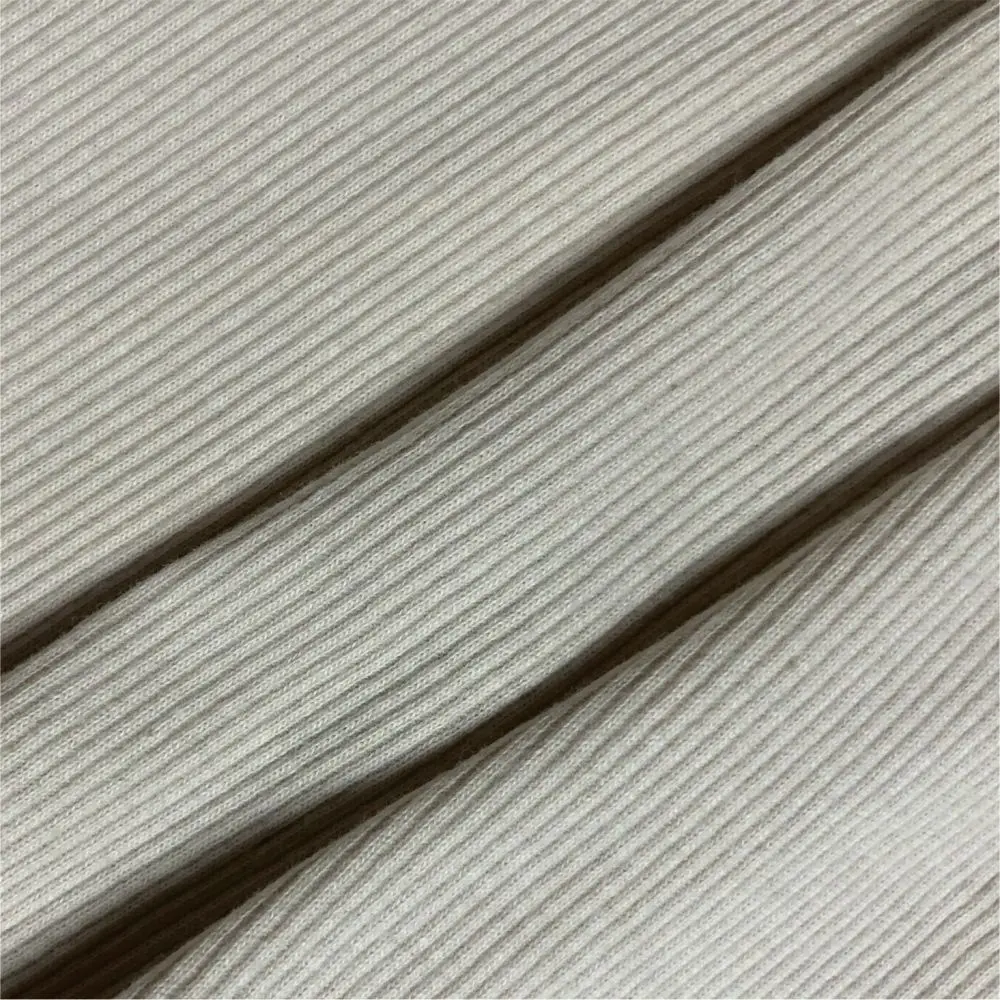
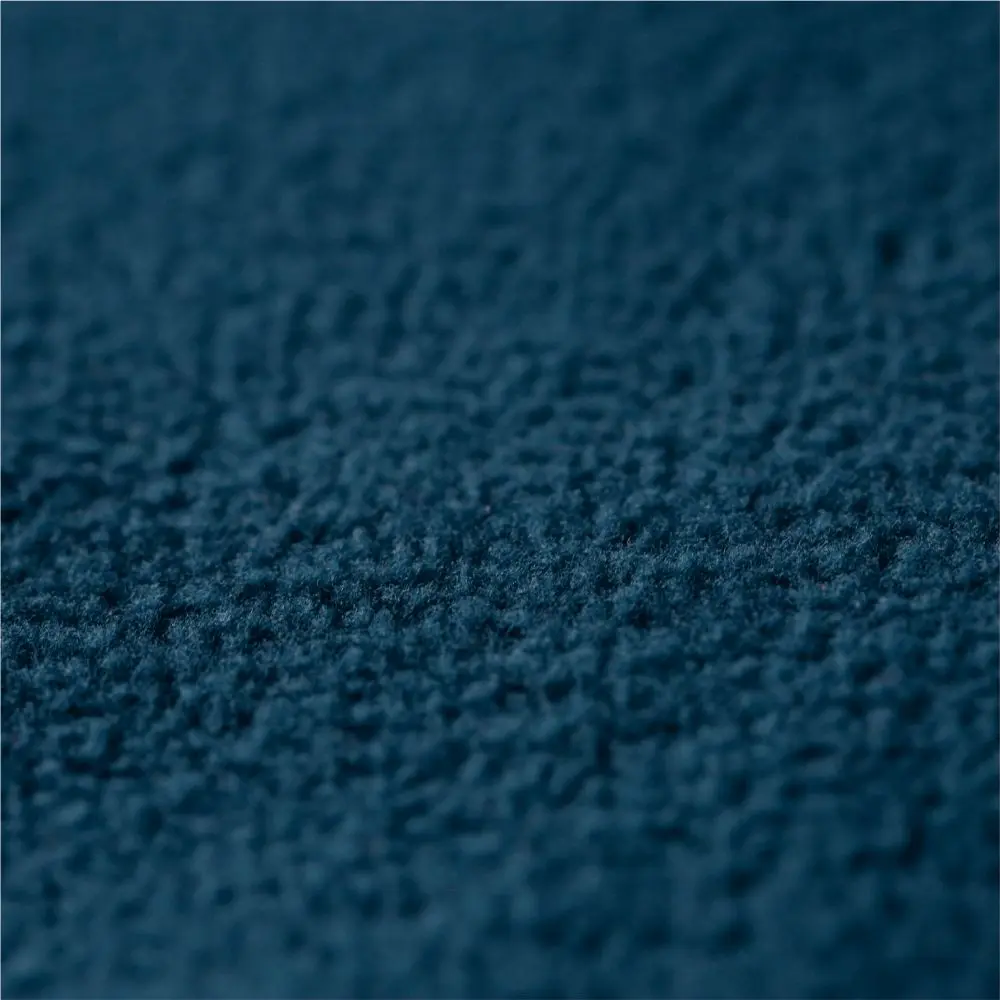
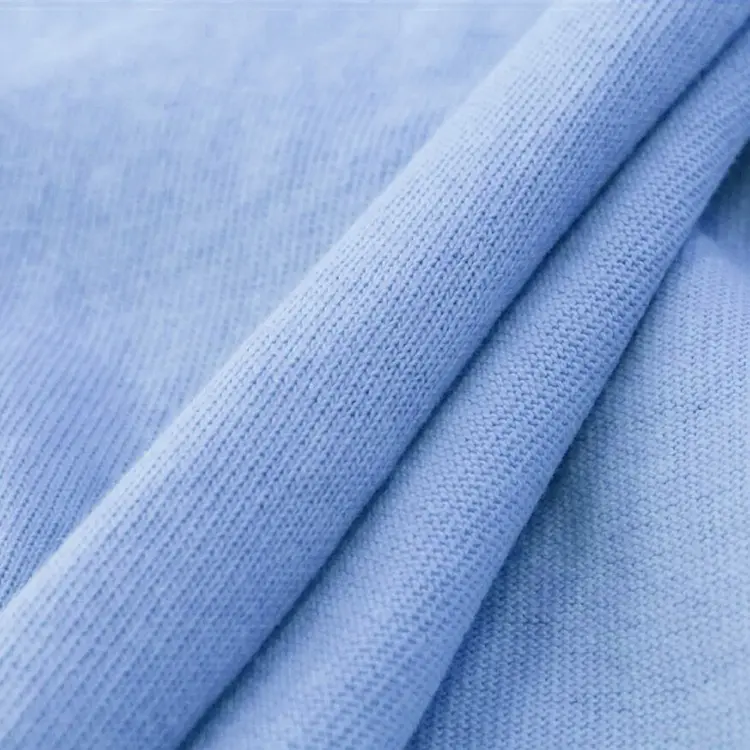
The performance of sports apparel relies on fabric architecture. For instance, our classic pique structures utilize a specialized honeycomb structure that promotes airflow and minimizes skin contact friction, making it ideal for high-exertion environments. Our Scuba fabrics are engineered using a double-knit spacer construction that traps air, providing insulation without adding weight. This is optimal for windbreaker-style athletic jackets. Our brushed French Terry and Sherpa fleece lines provide moisture management alongside soft texture, appealing to active consumers in cold climates.
From conceptual design ideation to seamless customs clearance into European hubs, we handle all facets of the apparel supply chain.
Our OEM infrastructure is built on precision and adherence to buyer specifications. We operate manufacturing hubs in Jiangxi, Anhui, Henan, and Zhejiang provinces, utilizing more than 30 dedicated factories and 10,000+ skilled personnel. Our regional quality control (QC) offices execute regular line inspections to ensure compliance with quality regulations.
We work with international inspection bodies such as SGS and BV to provide third-party validation reports for every production run, covering composition, fabric weight (GSM), pilling resistance, and dimensional stability.
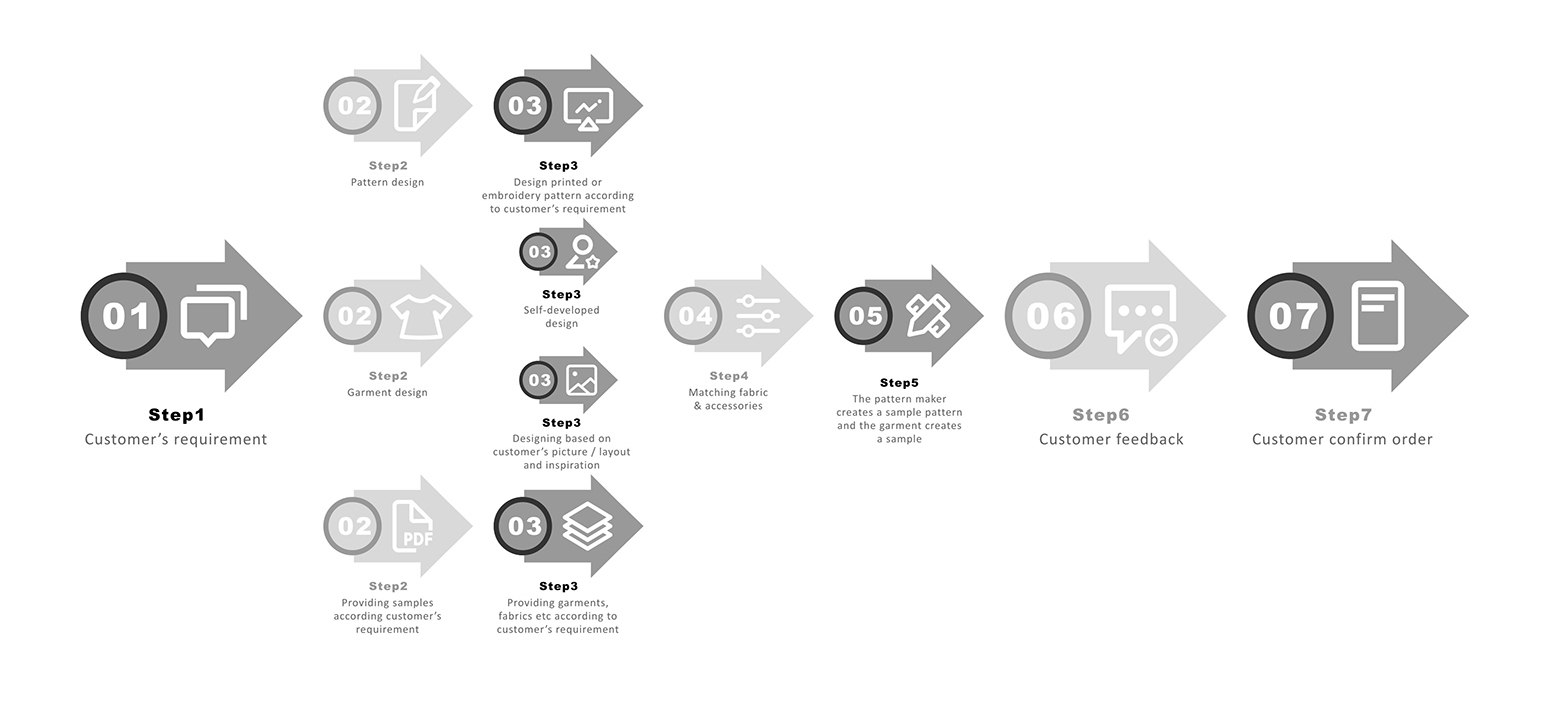
Our independent design and technical pattern team converts raw concepts, mood boards, and flat sketches into manufacturing-ready specifications. Equipped with an in-house sample room managed by technicians with over 20 years of experience, we provide rapid prototype development.
We generate 2D paper patterns in 1 to 3 days and construct physical fit samples within 7 to 14 days, helping your brand accelerate its time-to-market.
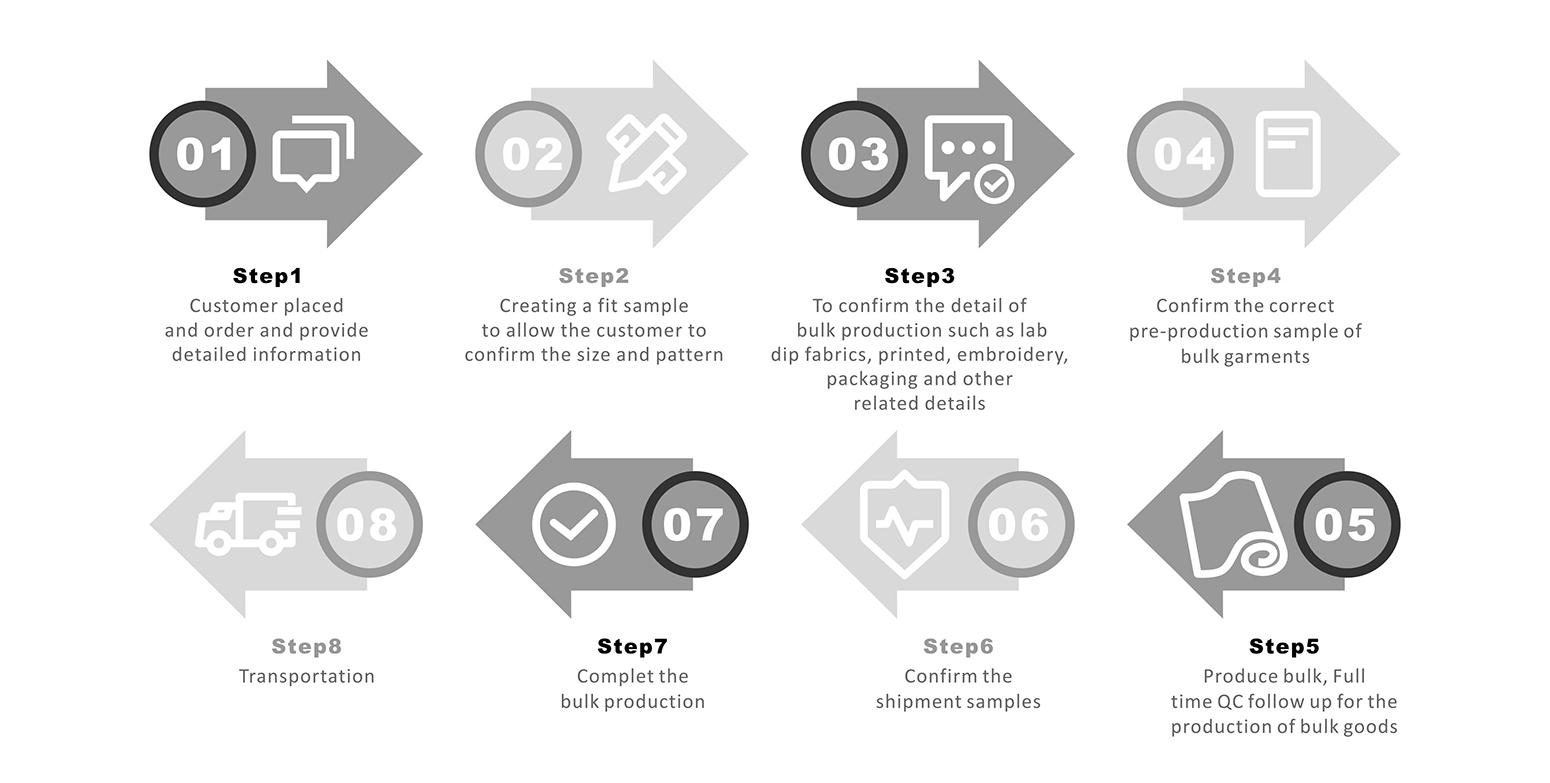
We structure risk-managed development pathways to ensure product consistency, accurate tracking, and on-time delivery.
We construct a size-and-fit prototype based on your specifications, using matched raw materials, to verify ergonomics and pattern dimensions before grading sizes.
We submit lab dips, print strikes, and custom embroidery designs for approval, alongside custom packaging and label specifications, establishing the product benchmark.

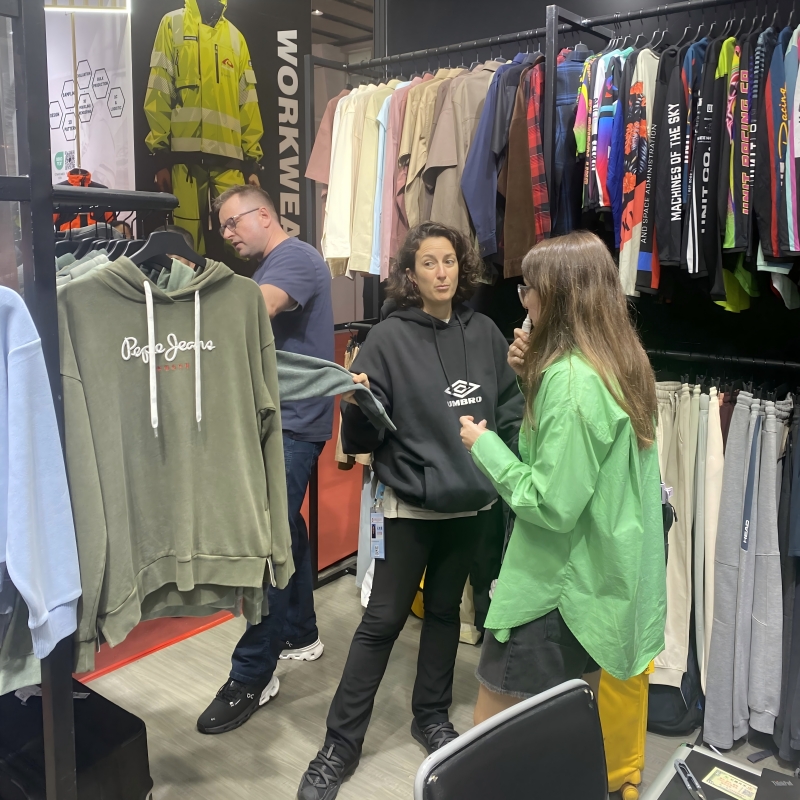
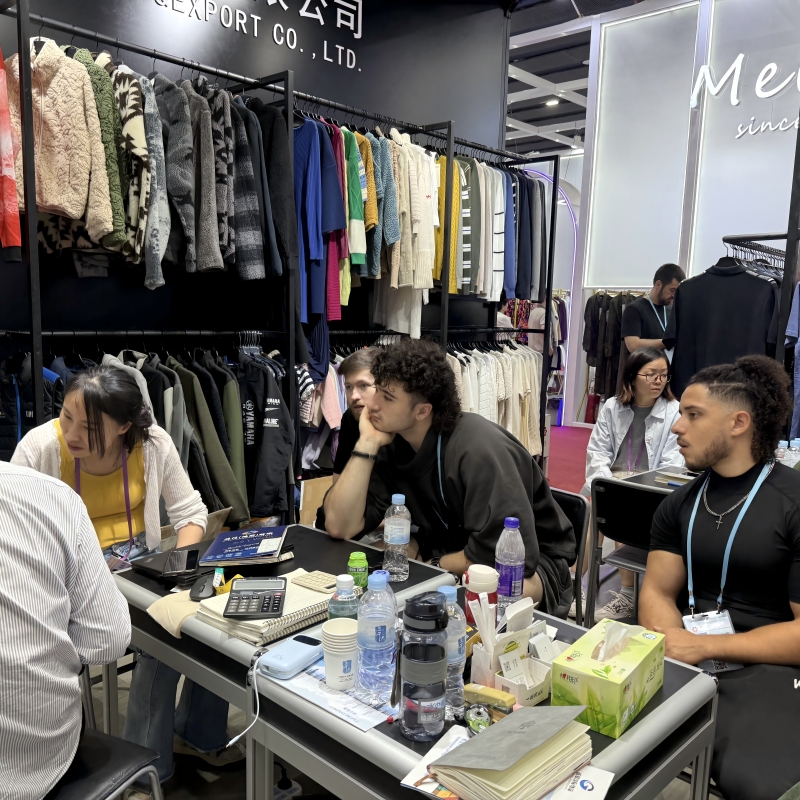
Prior to bulk manufacturing, we build a complete pre-production (PP) sample utilizing the approved bulk yarn, dye lot, trims, and final brand accessories.
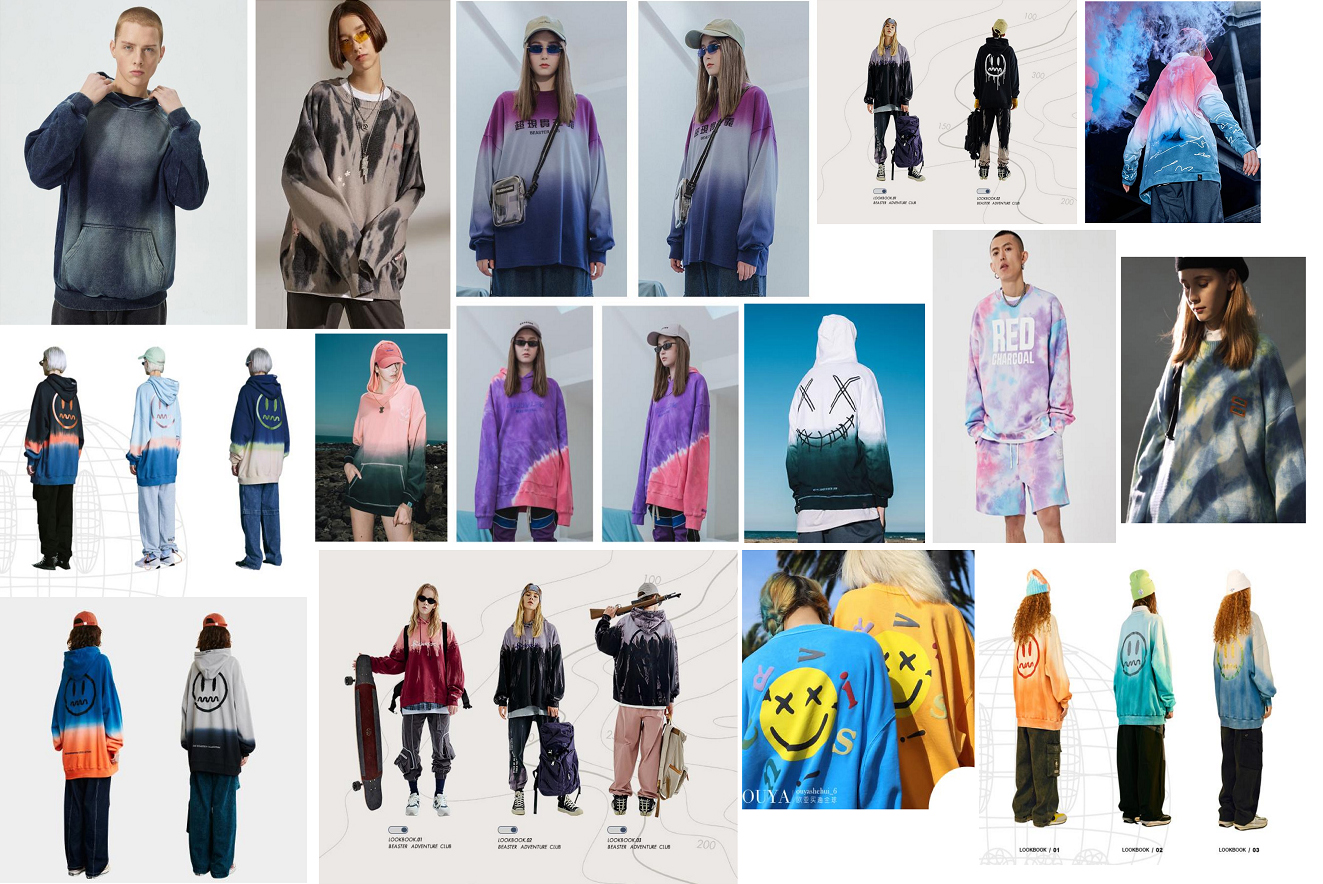
Upon PP sample sign-off, bulk production is initiated. Our on-site QC team monitors the line, generating reports and testing raw materials at every manufacturing stage.
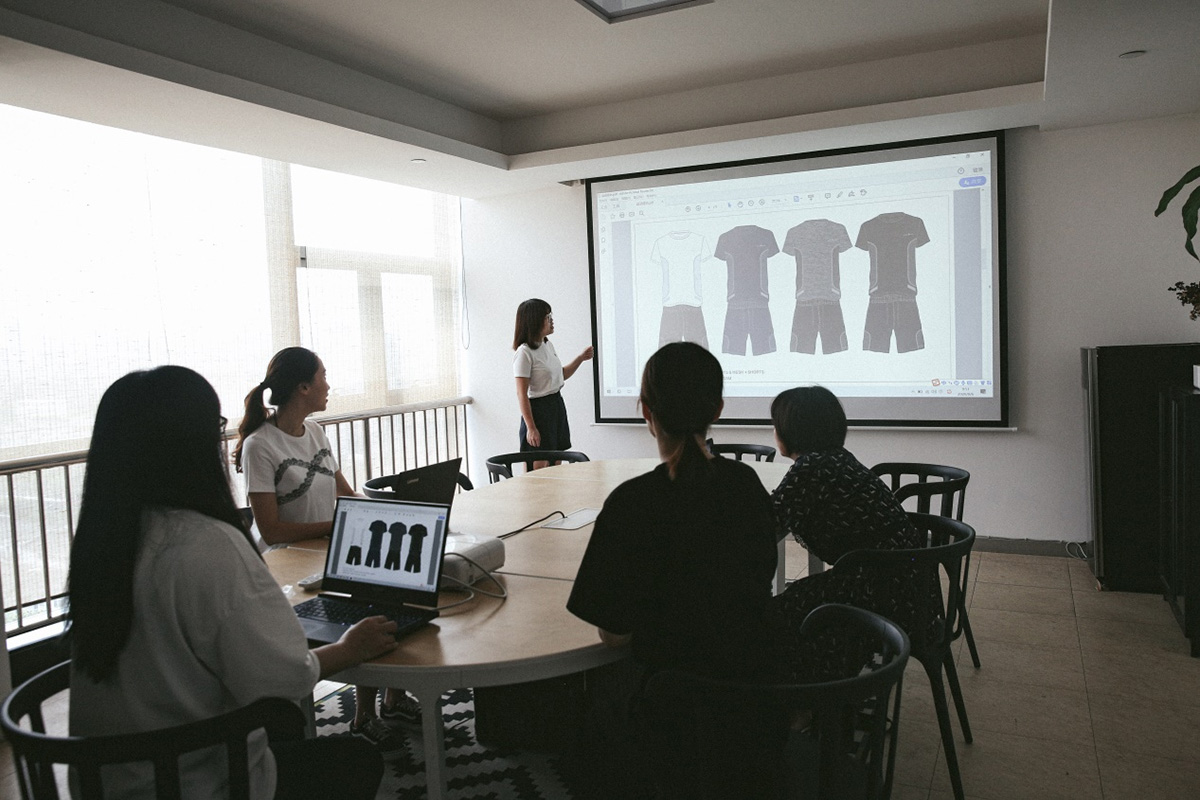
We source, test, and process high-performance materials to meet target pricing without compromising style or longevity.
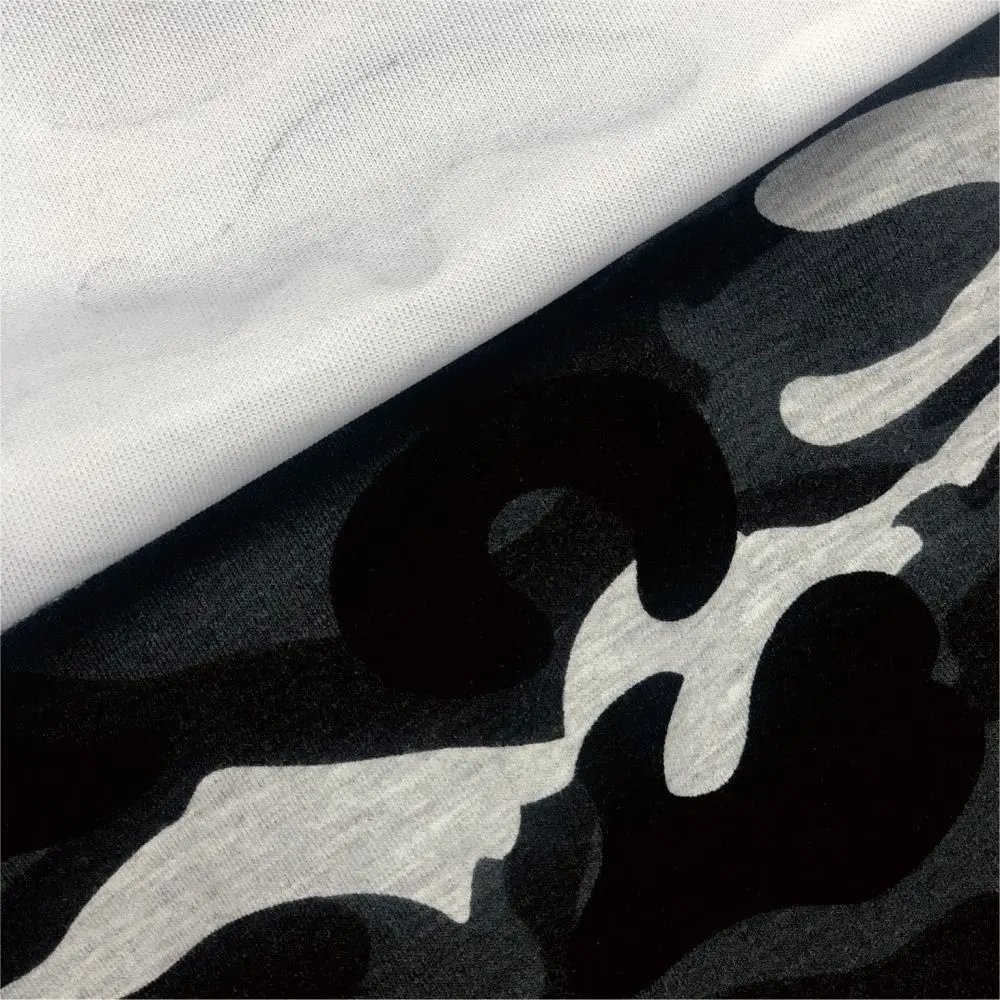
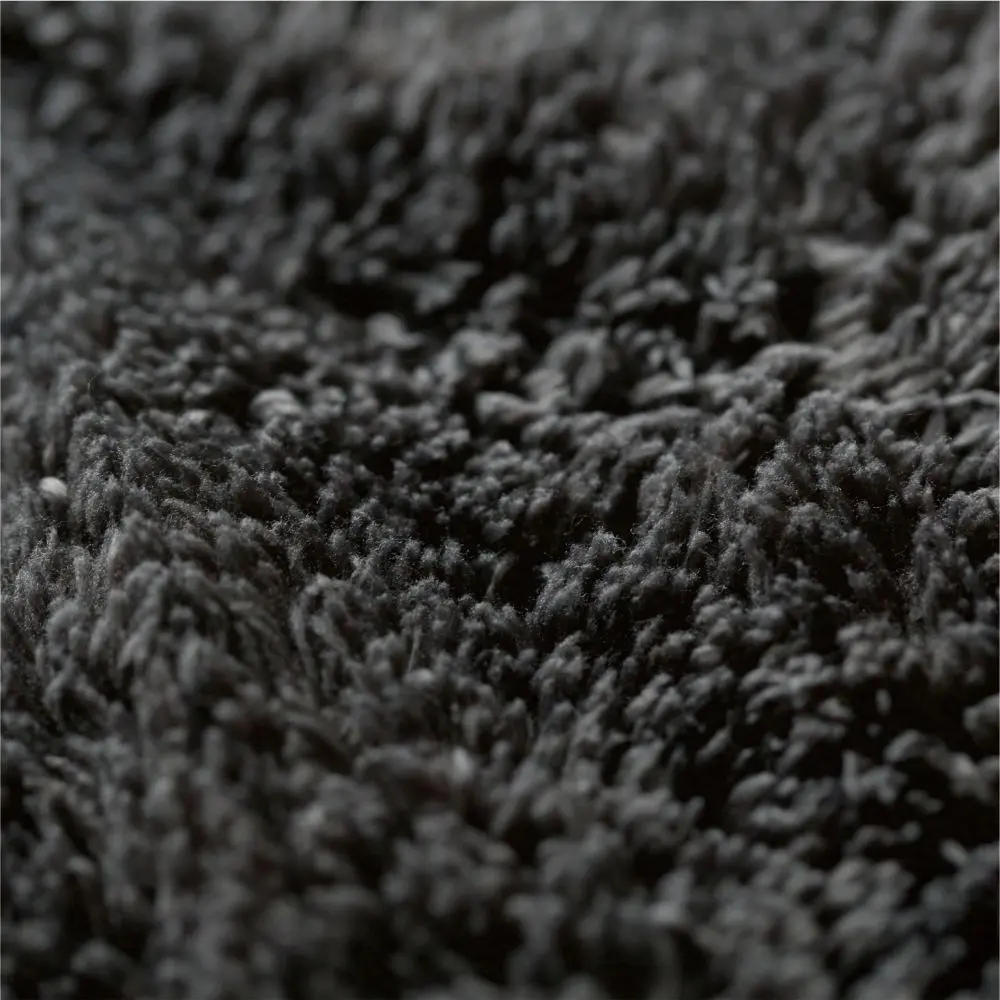
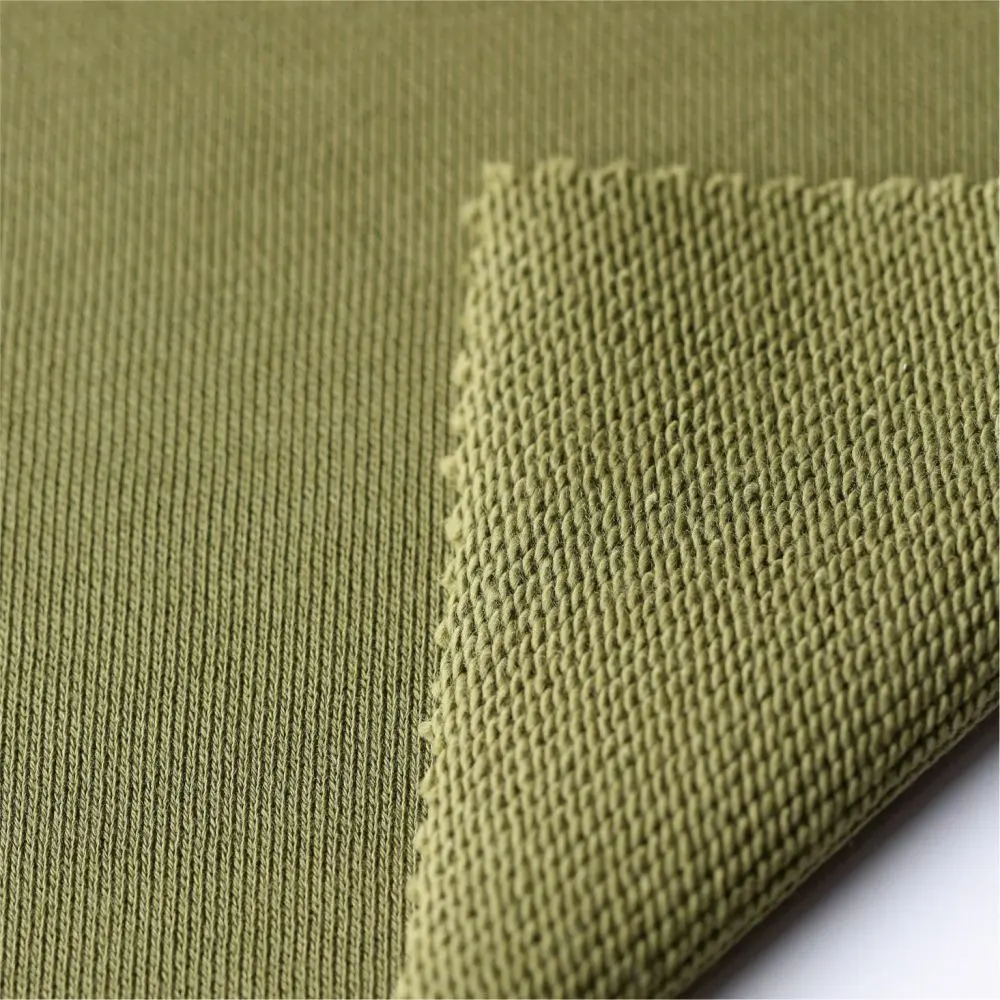
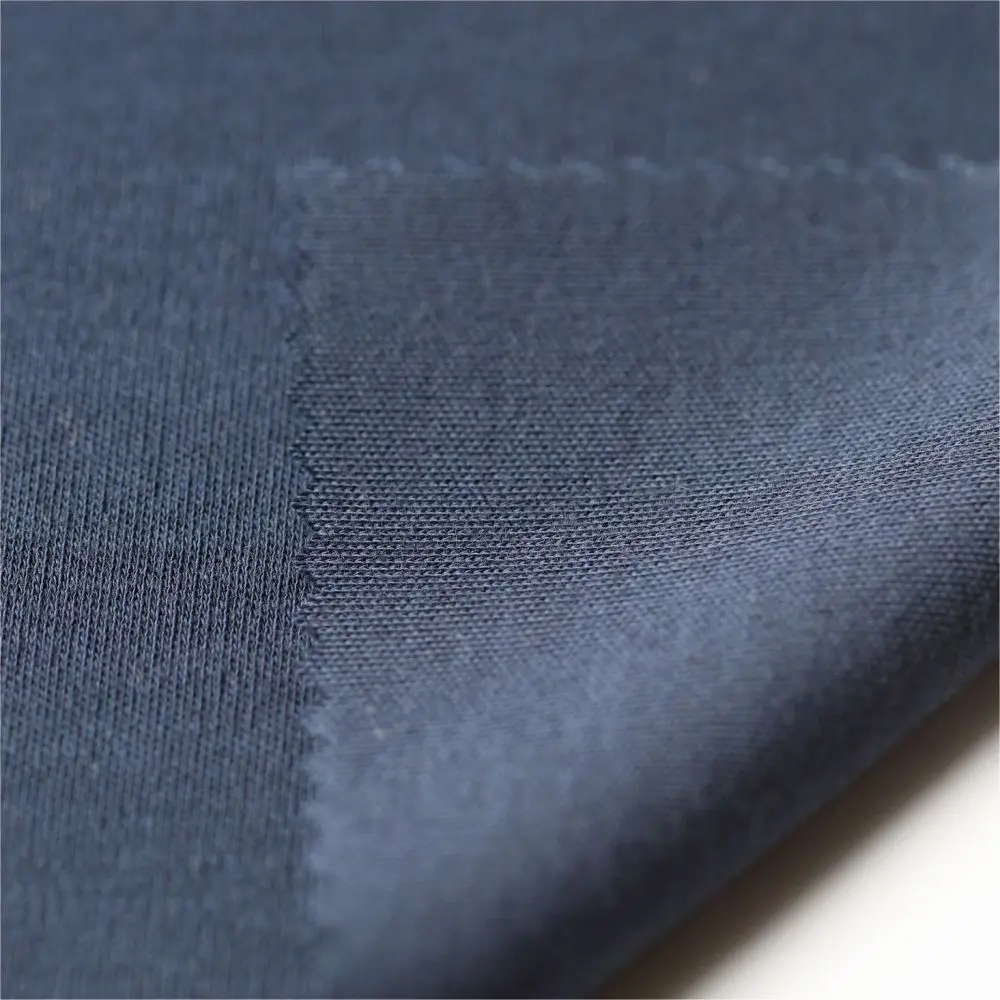
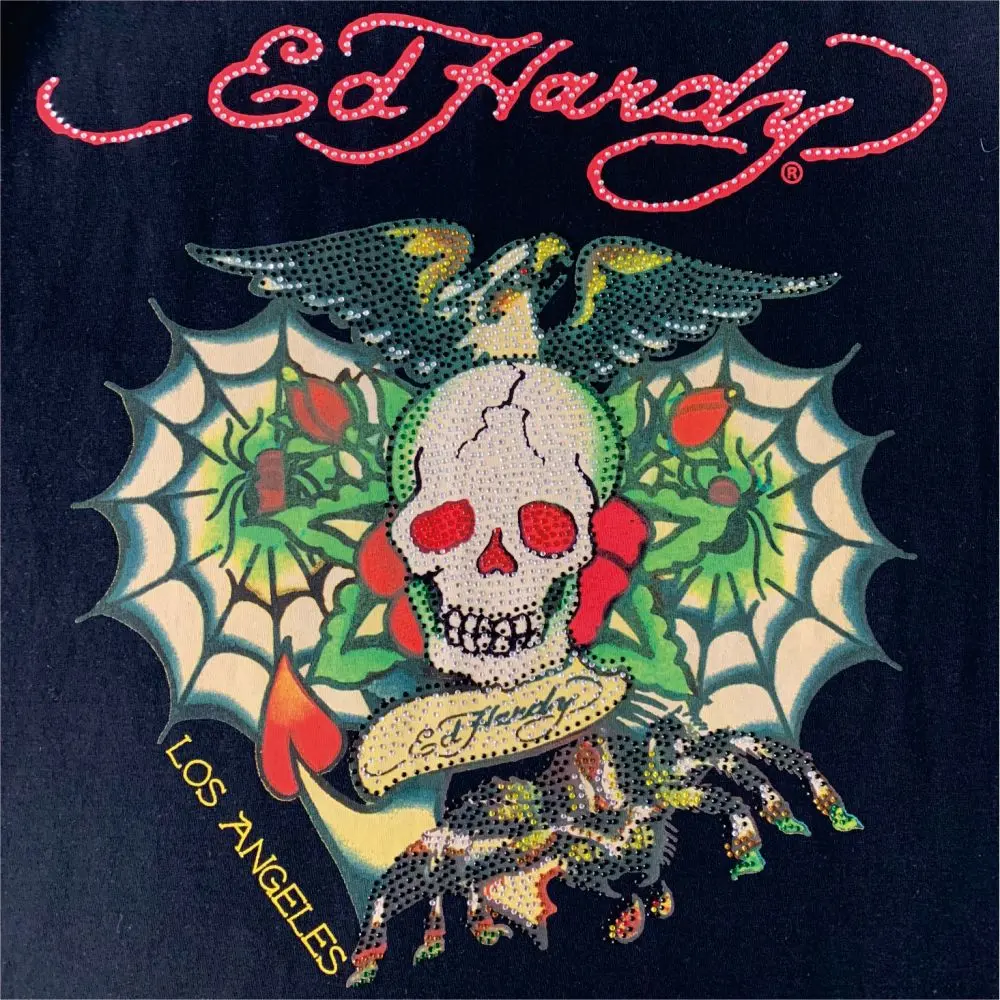
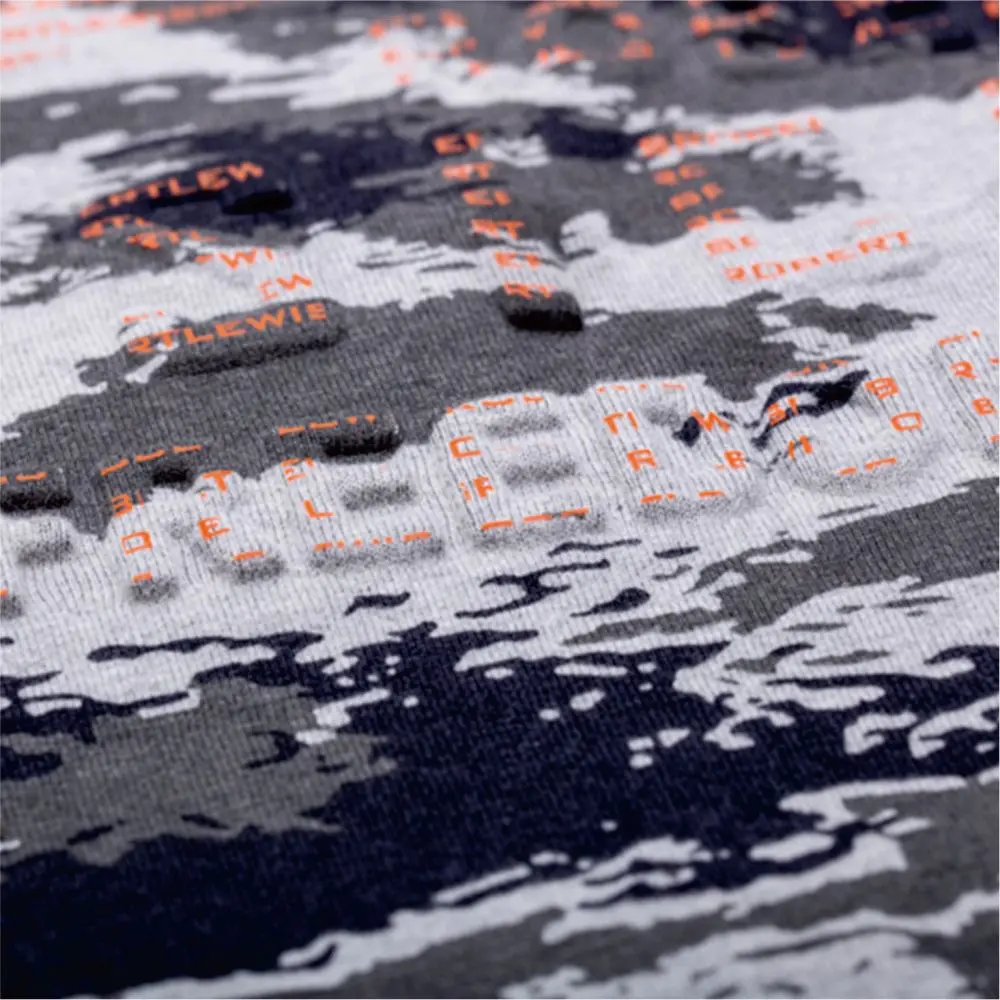
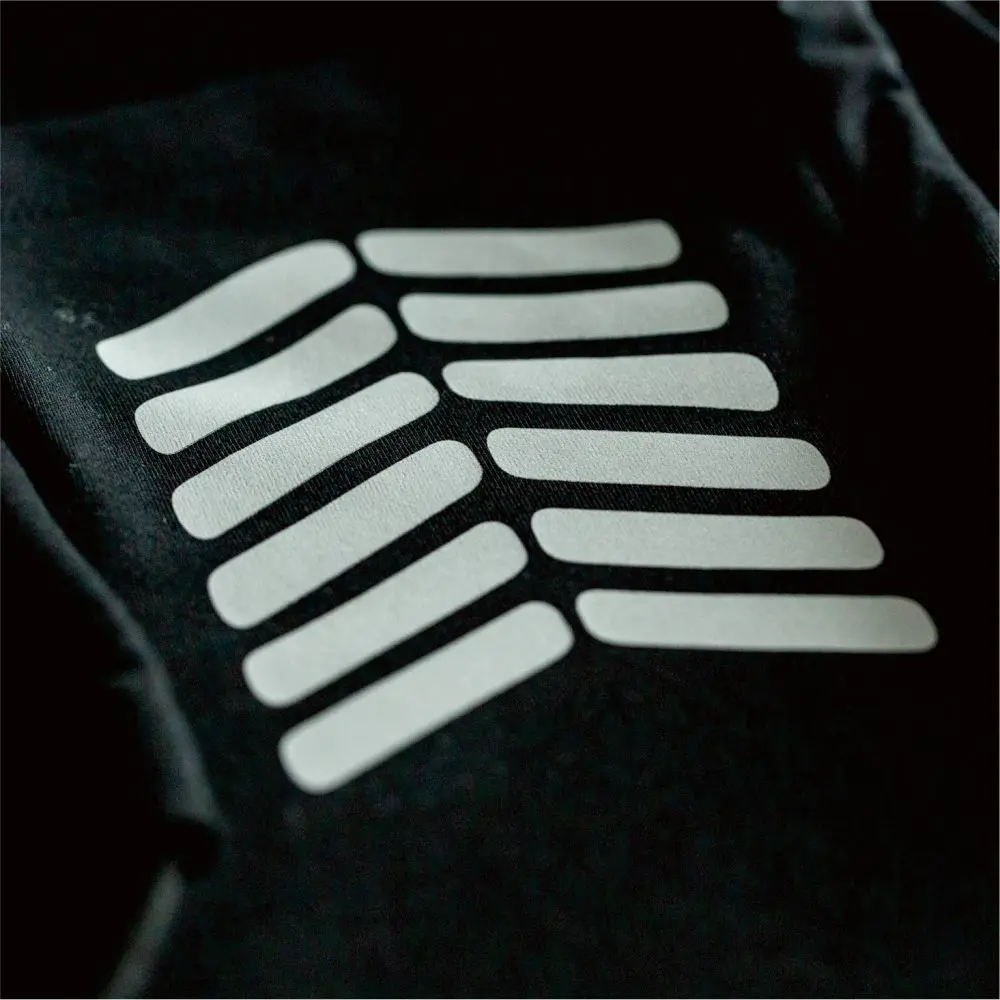
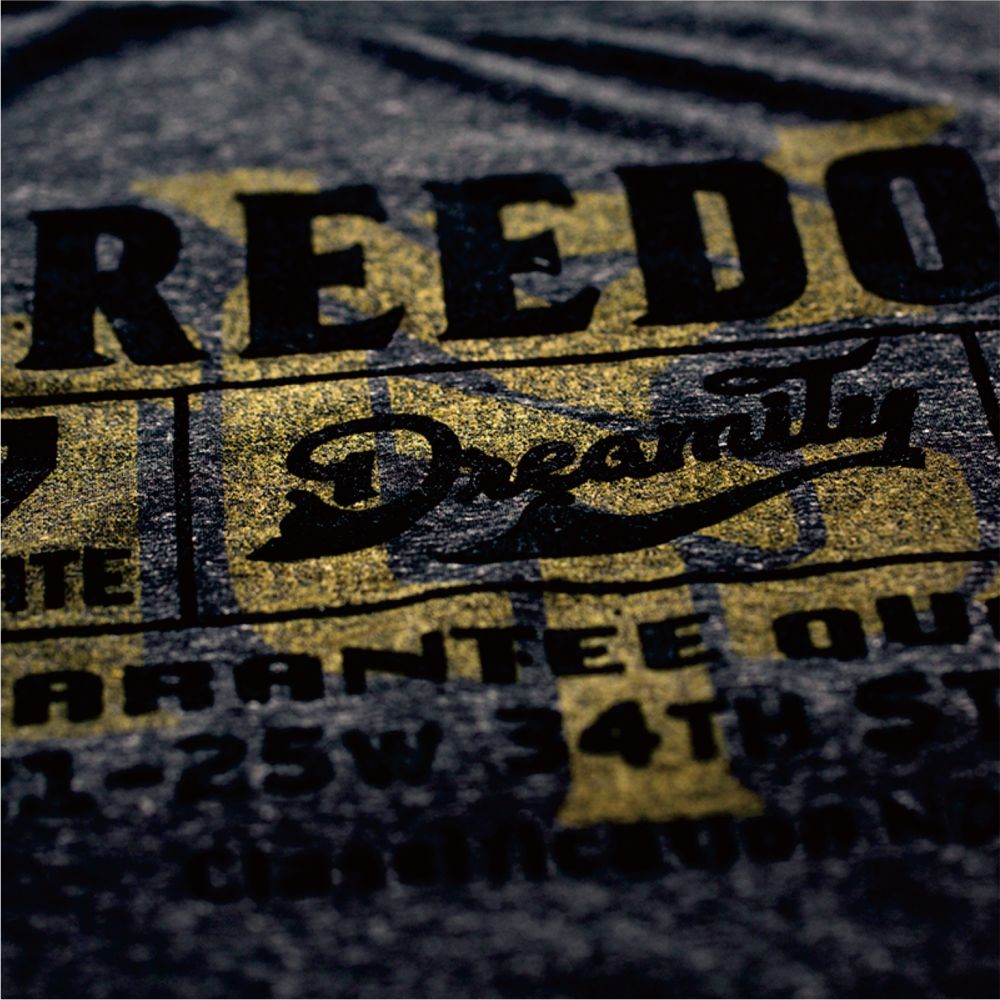
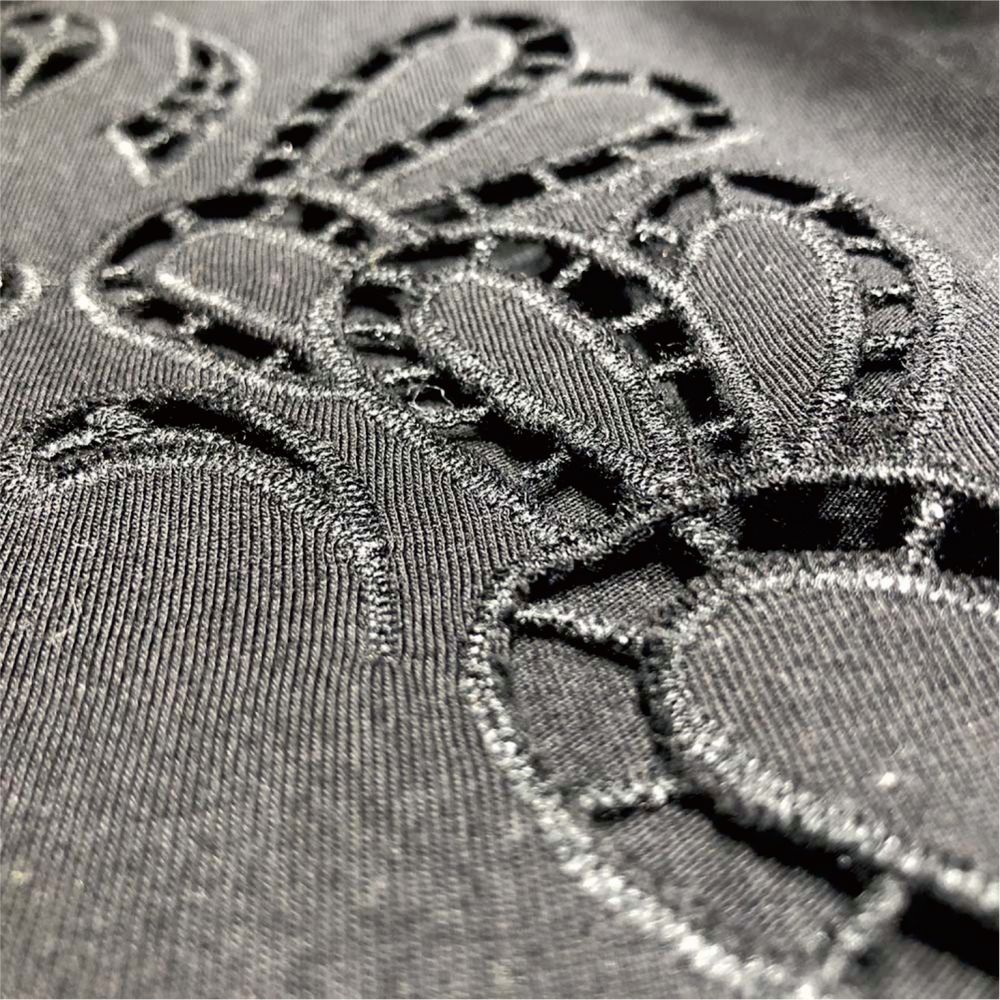
Take a virtual walk through our weaving facilities, sewing floor, and quality control lines to see how we maintain consistent output quality.
We support over 100 global apparel brands and regional retail leaders, maintaining long-term partnerships through consistent delivery and reliable service.

Key information about our pricing, shipping terms, sample policies, and how we support German import regulations.
Our prices are calculated based on raw material costs, volume, and packaging configurations. Given the volatility of yarns and cotton, we provide updated quotations on a case-by-case basis. To receive a detailed cost breakdown FOB or DDP to German ports (such as Hamburg or Bremen), please contact our B2B sales team directly.
Yes, our standard orders require a minimum order quantity. However, this varies based on style, fabric composition, and dye processes. For custom technical fabrics, our minimums generally align with standard industrial dye cycles. For stock-supported yarns, we can offer lower minimums to support new project launches. Contact us with your specifications to discuss flexible options.
Yes, we provide standard export documentation, including Certificates of Origin, GRS transaction certificates, Oeko-Tex certifications, BSCI audit reports, and safety data sheets (SDS) for dye chemicals. This ensures compliance with German customs and the German Supply Chain Due Diligence Act (LkSG).
Fit and design samples typically take 7 to 14 days. For bulk production, delivery averages 30 to 45 days after the pre-production (PP) sample is approved, depending on fabric availability and design complexity. We also factor in ocean freight times (typically 30 to 35 days to European ports) or rail freight via the New Silk Road (approximately 15 to 20 days) to help meet your deadlines.
We accept payment via bank telegraphic transfer (T/T) or Letter of Credit (L/C) at sight. Post-shipment payment terms may be considered for established partners, subject to approval by China Export & Credit Insurance Corporation (Sinosure).
We warrant our materials and workmanship. In accordance with standard QA/QC protocols, we inspect orders to a default AQL 2.5 standard. If any manufacturing anomalies are identified post-delivery, our policy is to inspect, credit, or reproduce the affected pieces to resolve the issue.
Yes, we recommend verifying physical samples before initiating a bulk production run. Sample fees apply to cover custom setup and shipping costs, and these are fully credited against the final bulk invoice once the contract is signed.
No, the items shown online are a selection of our development capabilities. As an OEM/ODM provider, we develop custom solutions based on customer sketches, target sheets, and custom technical requirements. Contact us if you require a specific construction not featured on our website.
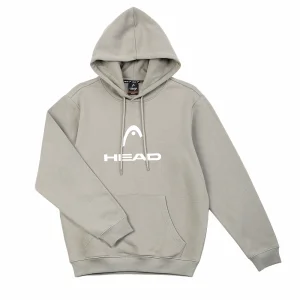
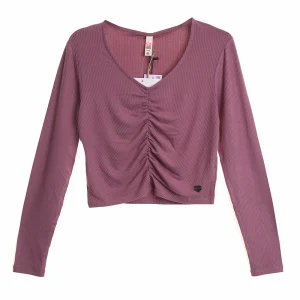
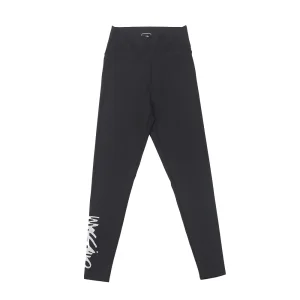
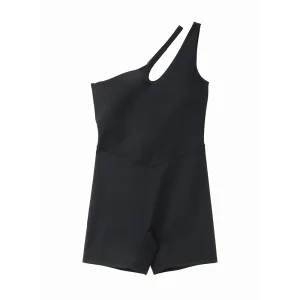
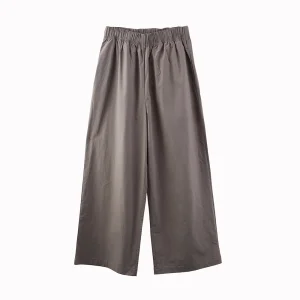
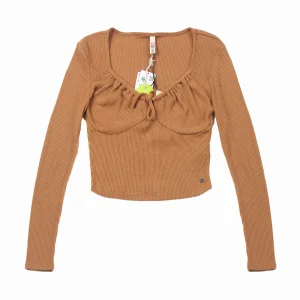
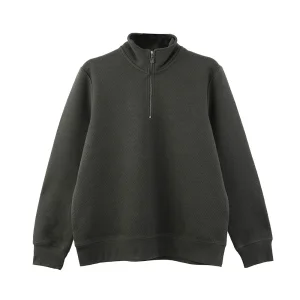
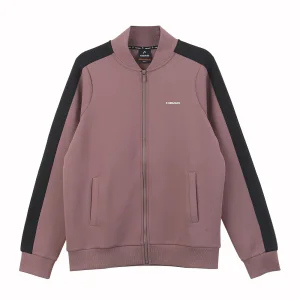
Our manufacturing capabilities cover a variety of styles, including technical hoodies, compression leggings, knit sweaters, and recycled sports jackets.
 Jinmao