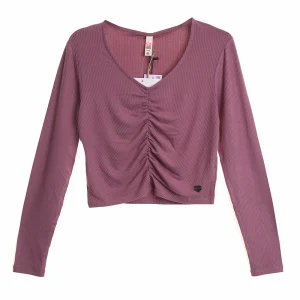
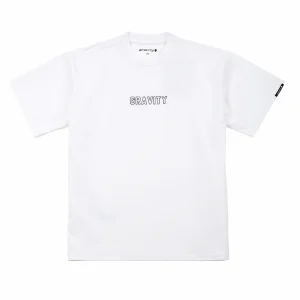
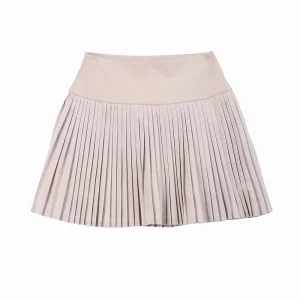
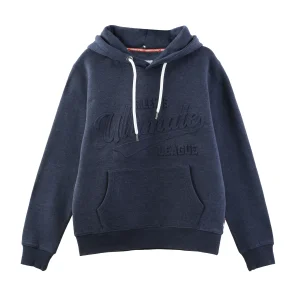
Engineered with high breathability, thermal flexibility, and local industrial-grade durability.
Serving international retail brands and commercial corridors with advanced supply chains, ISO quality standards, and deep industrial capacity.
An analytical look at macroeconomics, supply chain architecture, and industrial localization in the East African regional market.
Over the last decade, Ethiopia has systematically positioned itself as the preeminent sub-Saharan hub for industrial manufacturing and apparel production. Driven by capital-intensive projects such as the Hawassa Industrial Park, Bole Lemi, and Kombolcha zones, the nation leverages key structural parameters: duty-free trade capabilities (such as those under the African Continental Free Trade Area - AfCFTA and direct regional trade partnerships), abundant hydropower delivering exceptionally low utility costs, and a young, dynamic workforce. Despite these domestic industrial parks, domestic manufacturing capabilities often face severe challenges related to localized supply chains for accessories, complex technical fabrics, and specialized machinery. This creates a powerful commercial synergy with global tier-1 apparel factories capable of supplying finished garments or technical component textiles.
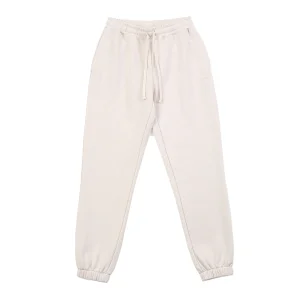
For brands and distributors targeting the Ethiopian domestic market, sourcing finished garments directly from Ningbo, China offers several key advantages. Ethiopian enterprises face local foreign exchange limitations and capital allocation barriers. The Ningbo Jinmao vertical trade system offsets this through competitive pricing, multi-factory load-balancing, and the ability to process advanced technical specifications like French Terry, Scuba fabric, and complex performance fleece which domestic East African mills cannot yet produce reliably at scale.
The global textile sector is currently undergoing a structural transformation toward environmental stewardship and digital optimization. Brands are moving away from traditional physical sampling loops to reduce time-to-market. Our independent design and technology centers employ advanced 3D pattern software to convert sketches directly into technical packs, cutting pattern development cycles from 2-3 weeks to just 72 hours. From an environmental standpoint, our ISO 14001 certified ecosystem ensures the use of GRS, Oeko-Tex, and BCI certified fabrics, aligning with global demand for non-toxic, eco-friendly apparel.
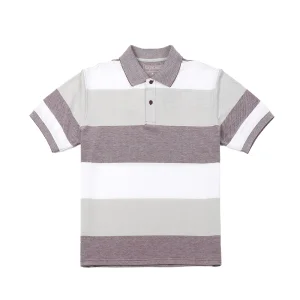
Providing high-durability interlock and pique fabrics suitable for airlines, hospitality groups, and financial institutions based in regional hubs like Addis Ababa.
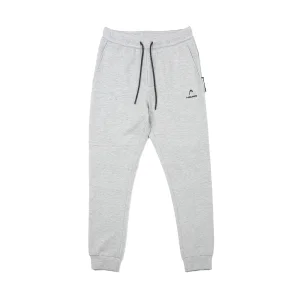
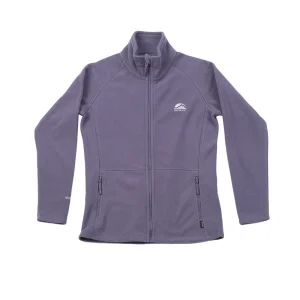
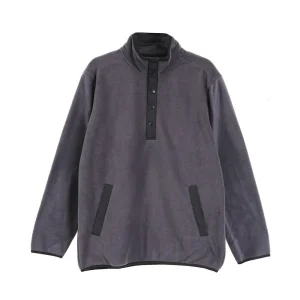
Leveraging lightweight scuba and polar fleece technologies to support athletic clubs, tracking events, and fitness markets in high-altitude environments.
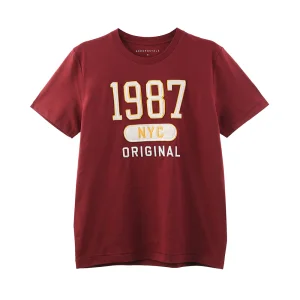
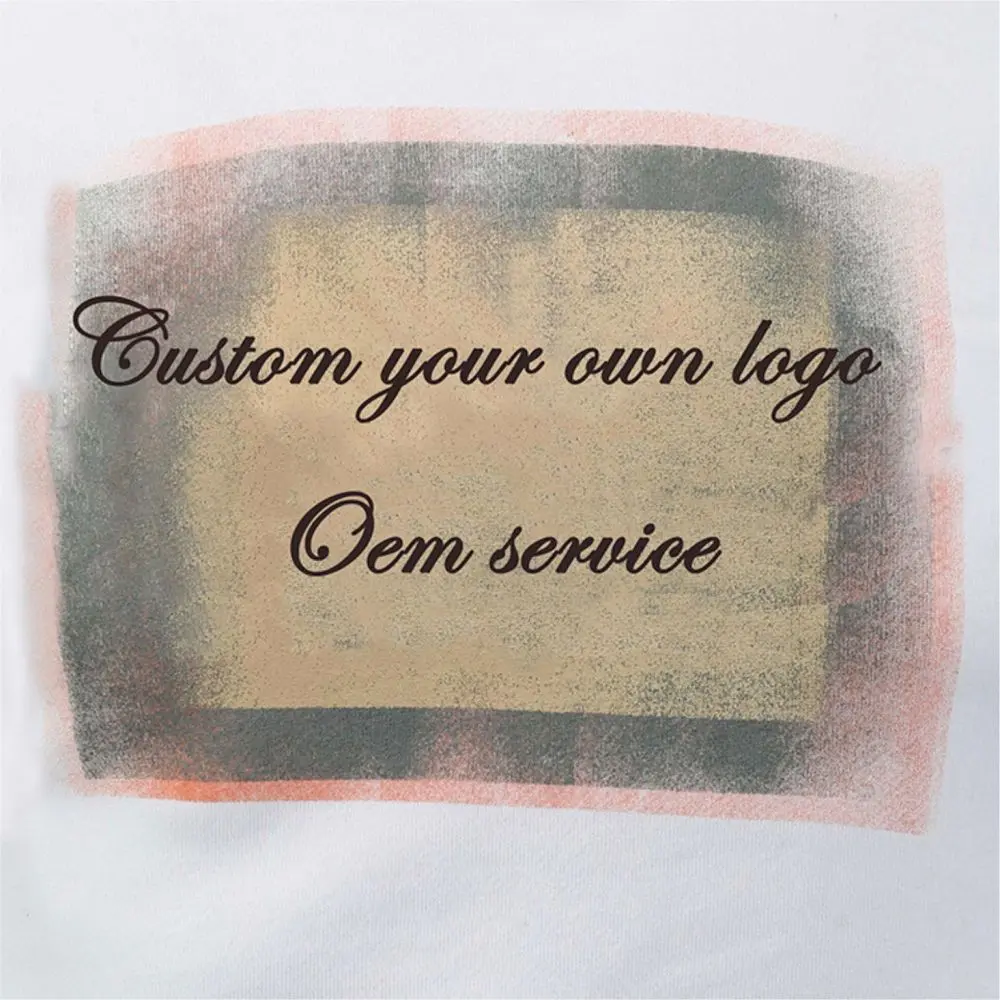
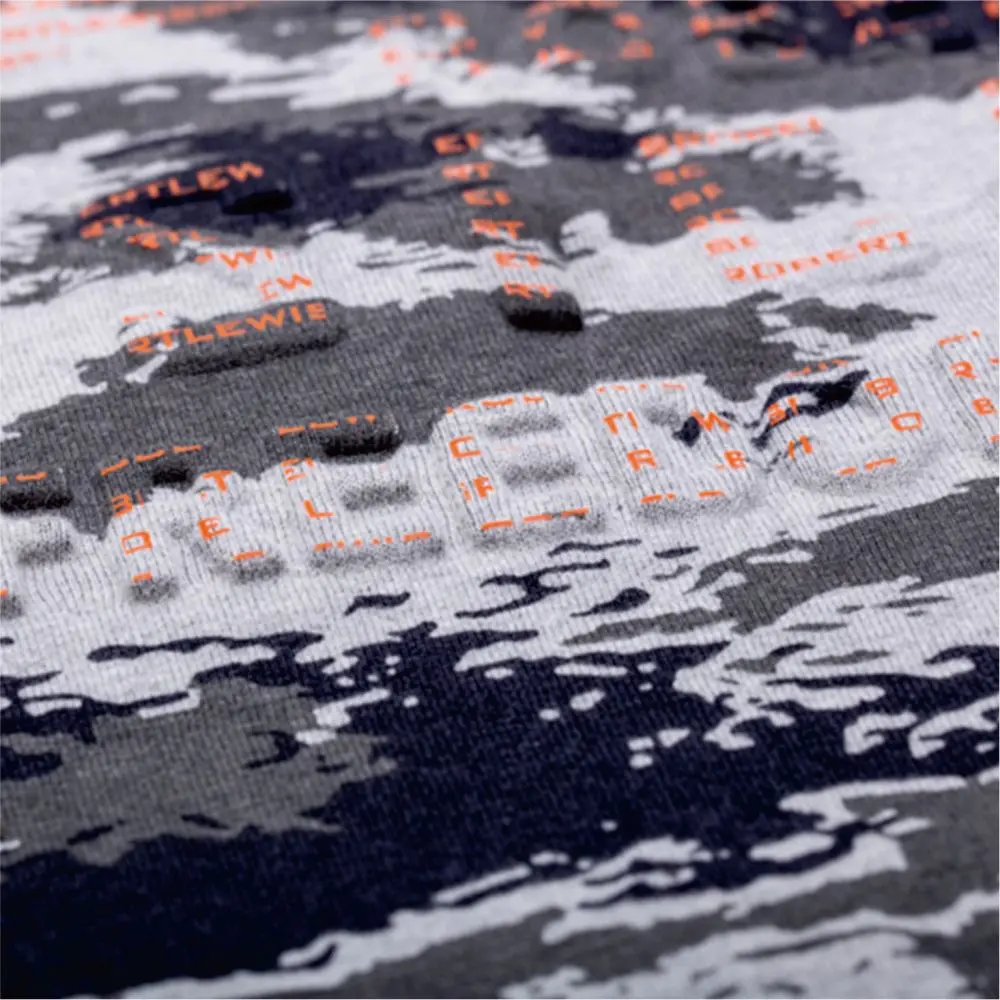
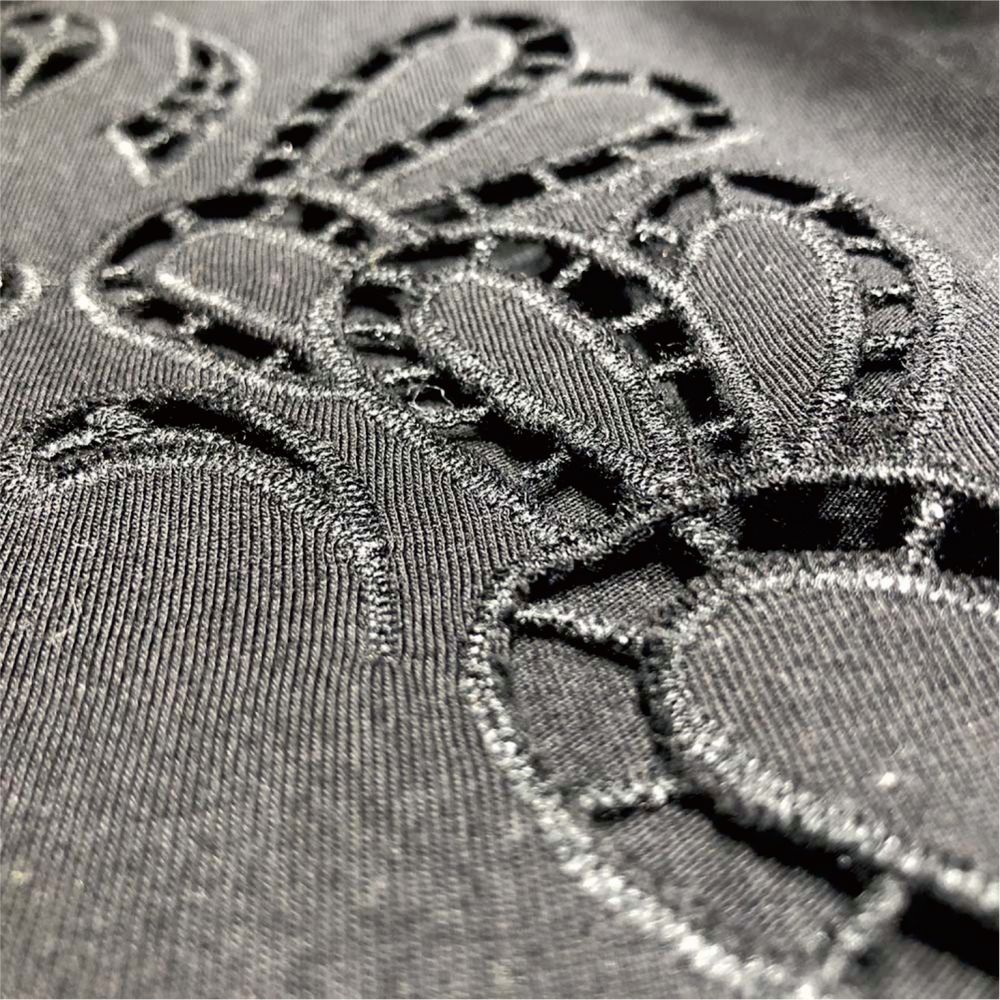
Utilizing high-end embroidery, digital printing, and discharge printing to customize corporate garments that stand out in local retail environments.
Whether processing local distribution runs or outfitting major operations in the East African regional hub, our integration of flexible manufacturing limits (allowing low-MOQ options using pre-verified fabric stockpiles) helps importers bypass traditional supply chain blockages.
We curate premium knit and thin woven materials verified under Oeko-Tex, BCI, GRS, and Lenzing standards.
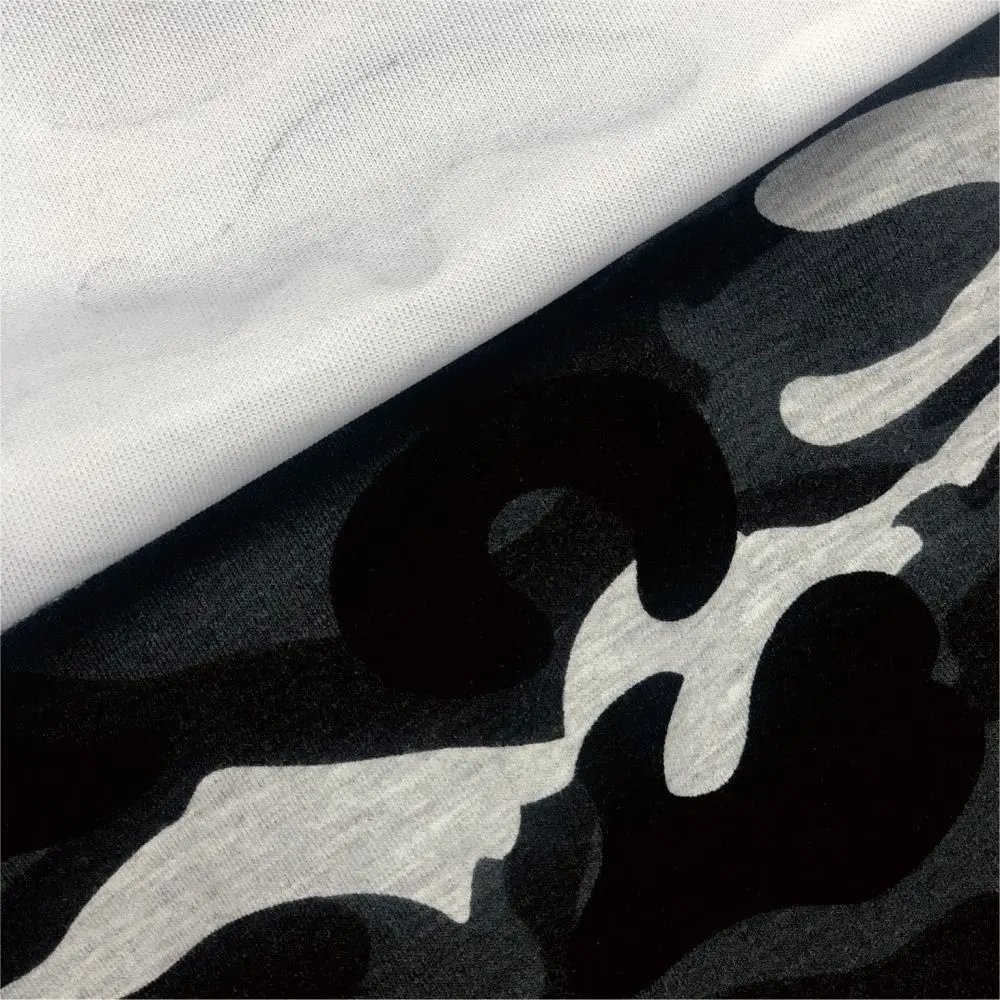

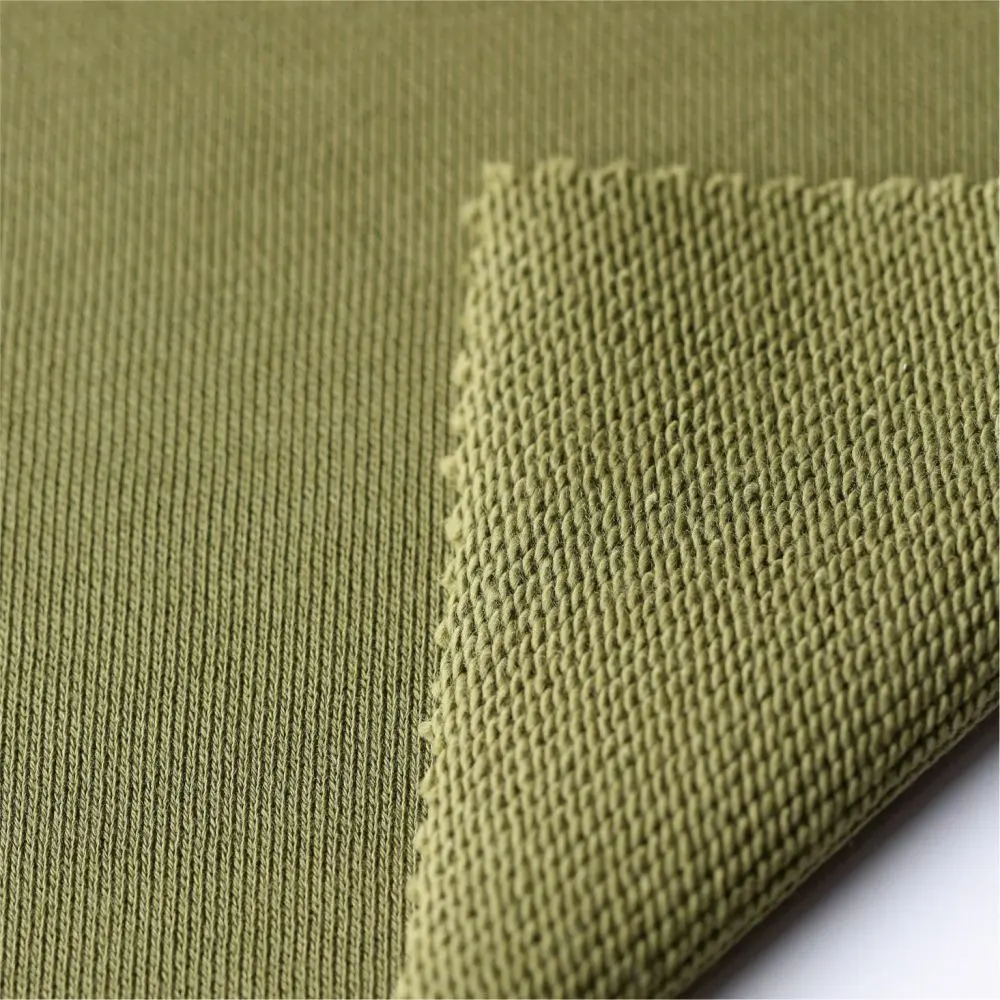
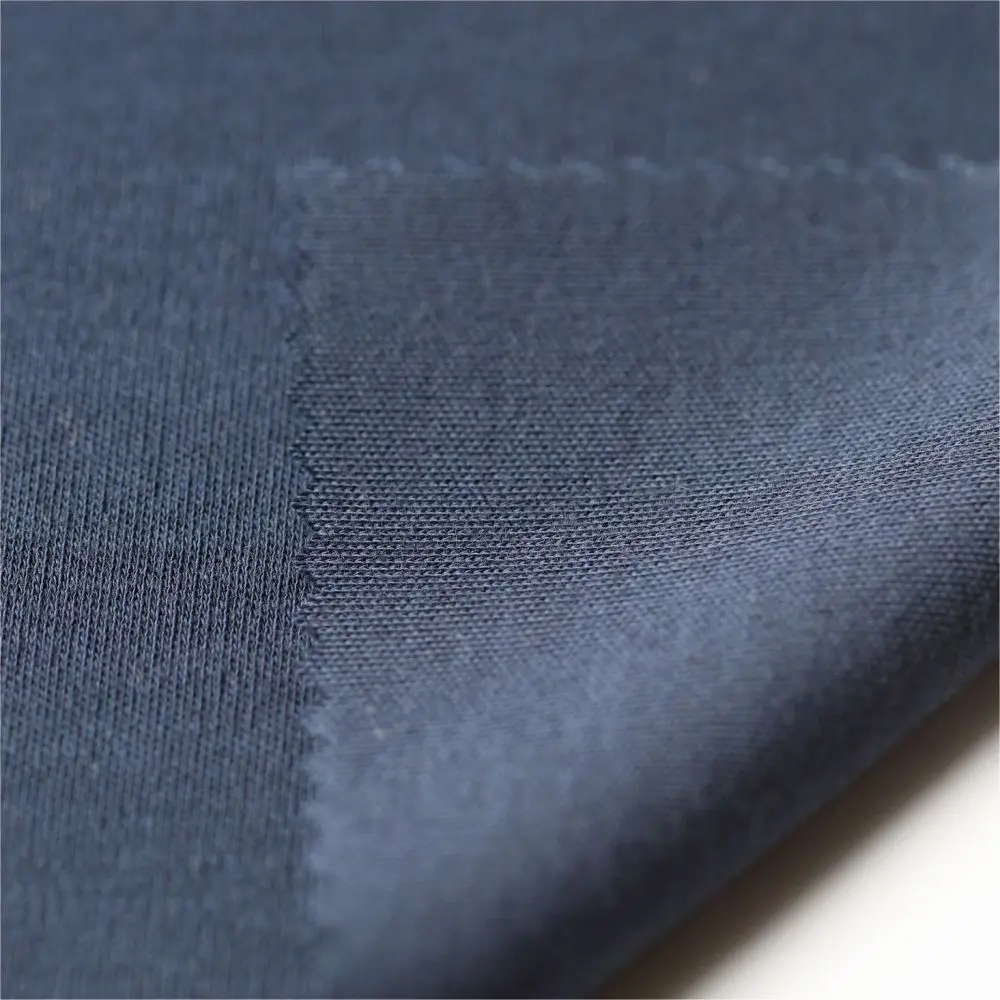
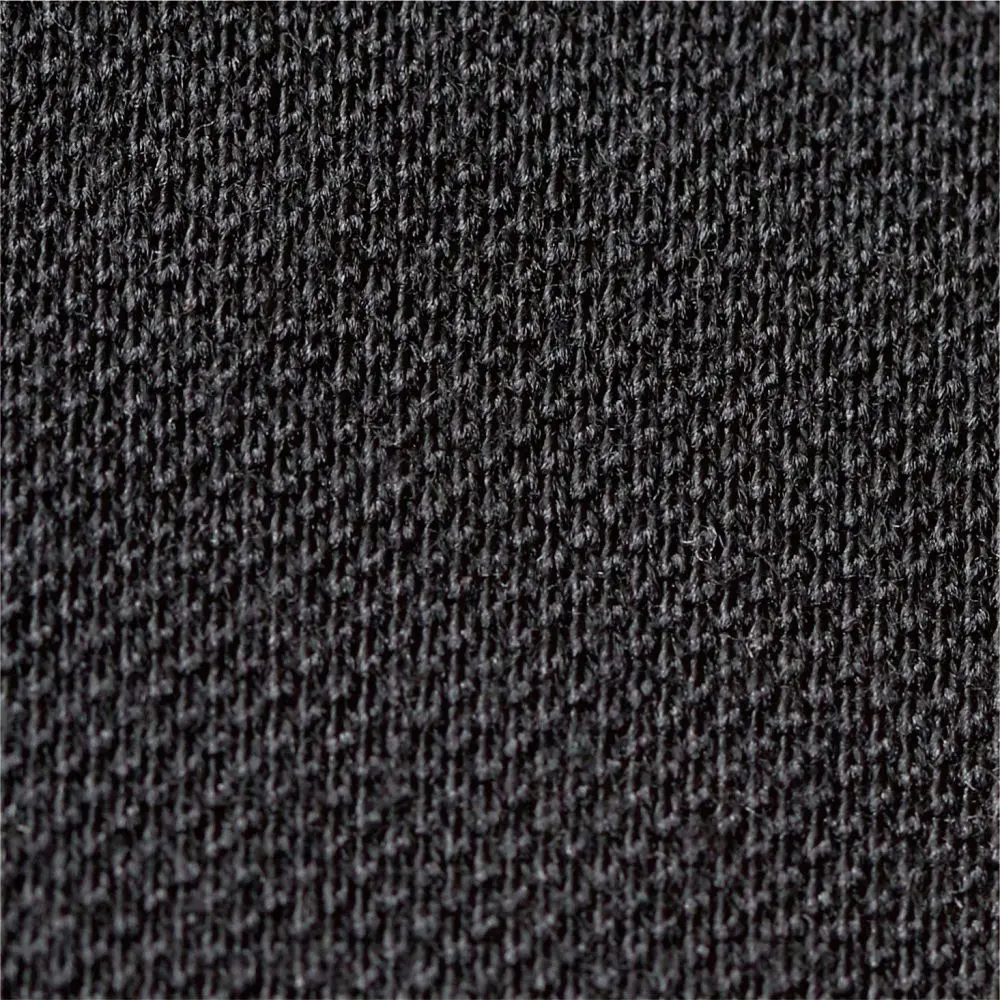
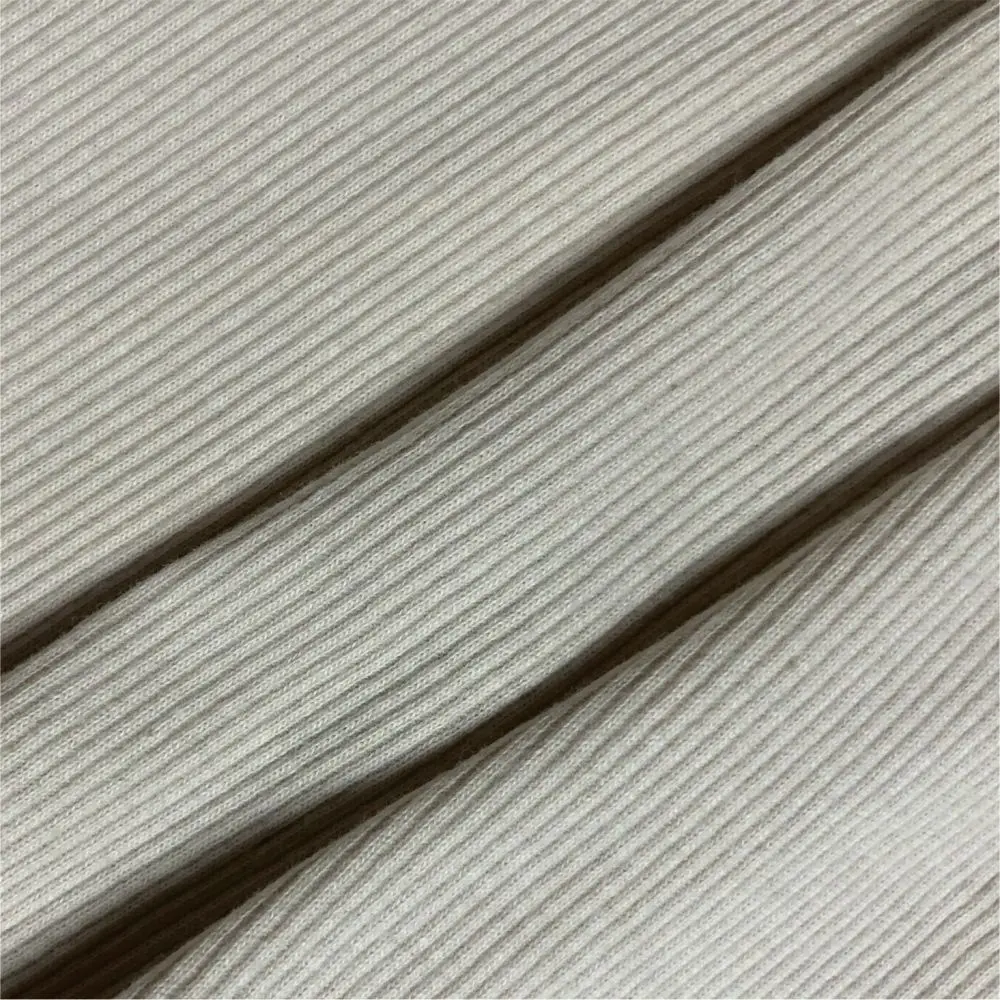


Transforming base textiles into custom-branded products with premium printing and embroidery technologies.





Go inside our facilities to see how we maintain strict quality control standards, including BSCI, Sedex, Disney, and WRAP certifications.
Convert sketches or photographs into 3D CAD pattern designs and select appropriate fabrics based on your budget and functional requirements.
Develop physical fit samples within 7-14 days to confirm dimensions, fabric performance, and seam strength before moving to mass production.
Generate final pre-production samples (PPS) to verify color fastness, embellishments, labeling, and packaging templates.
Trigger automated lay-planning, fabric cutting, and sewing across 100+ production lines monitored by regional quality control teams.
Execute independent third-party assessments (SGS/BV) to verify composition weight, tensile strength, and color fastness.
Deliver bulk products through optimized shipping lanes, tracking freight directly to regional hubs and dry ports in East Africa.
Expert answers to questions about import regulations, minimum order quantities, logistics, and material options.
Ensuring compliance across the entire logistics chain from China to East Africa.














Explore options for sports apparel, heavy-duty fleece insulation, and light casual wear.

 Jinmao