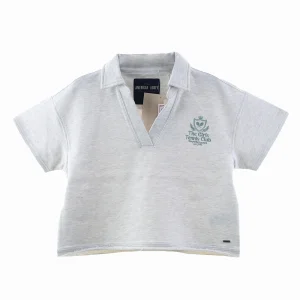
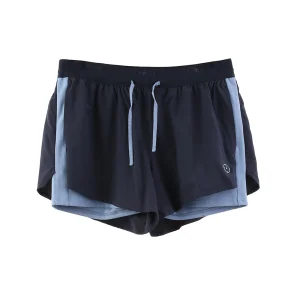
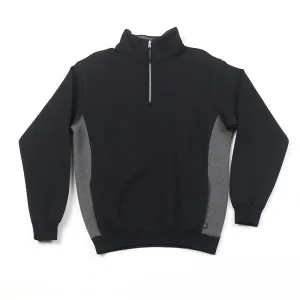
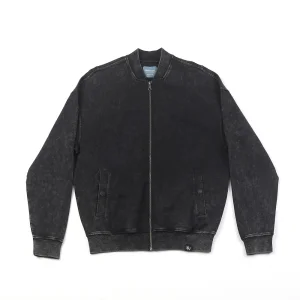
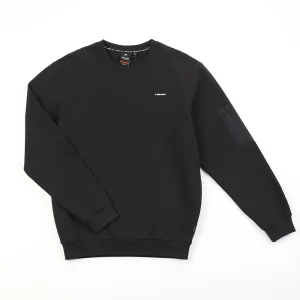
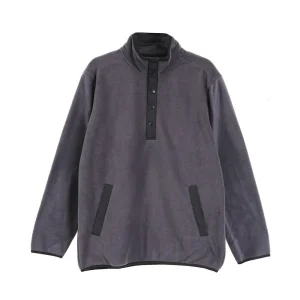
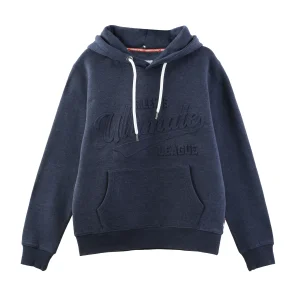
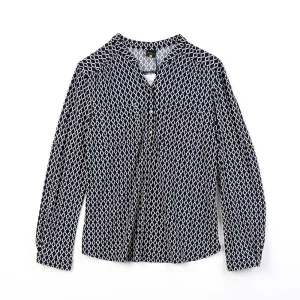
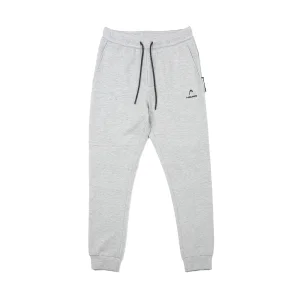
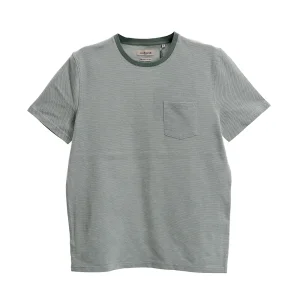
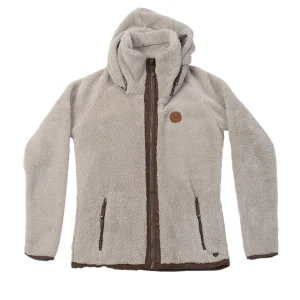
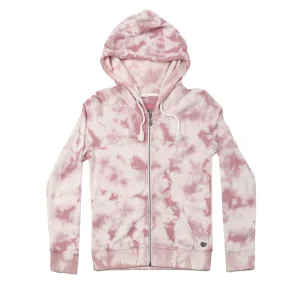
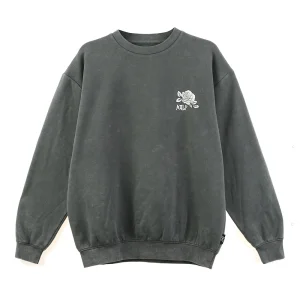
Explore our latest engineered silhouettes, optimized for wholesale distribution, vintage wet-wash treatments, and structural customization.
Under the microscope of semantic optimization and market intent, garment dye manufacturing represents a structural shift from rigid bulk textile production to reactive, real-time demand fulfillment.
Traditional apparel supply chains force brands to finalize color ratios up to 9 months before retail launches. This results in heavy inventory write-downs when trends shift. The Garment Dyeing Postponement Strategy shifts the color application to the absolute end of the production line.
By keeping large inventories of Prepared-for-Dye (PFD) blanks constructed with high-grade, unbleached yarns, global brands can execute dynamic dye lots matching real-time market data. This reduces warehousing overheads, limits environmental waste, and guarantees that stock matches localized demand profiles down to the exact Pantone shade.
During the garment dye process, sewn garments undergo high-temperature bath cycles where the dye molecules penetrate the fibers dynamically. Unlike yarn-dyed fabrics, garment dyeing produces a relaxed, lived-in texture with characteristic fading along the seams and hems.
Importantly, this extreme thermal and mechanical agitation pre-shrinks the cotton. The resulting wholesale t-shirts showcase less than 1.5% residual shrinkage on subsequent home launderings, matching strict luxury brand requirements.
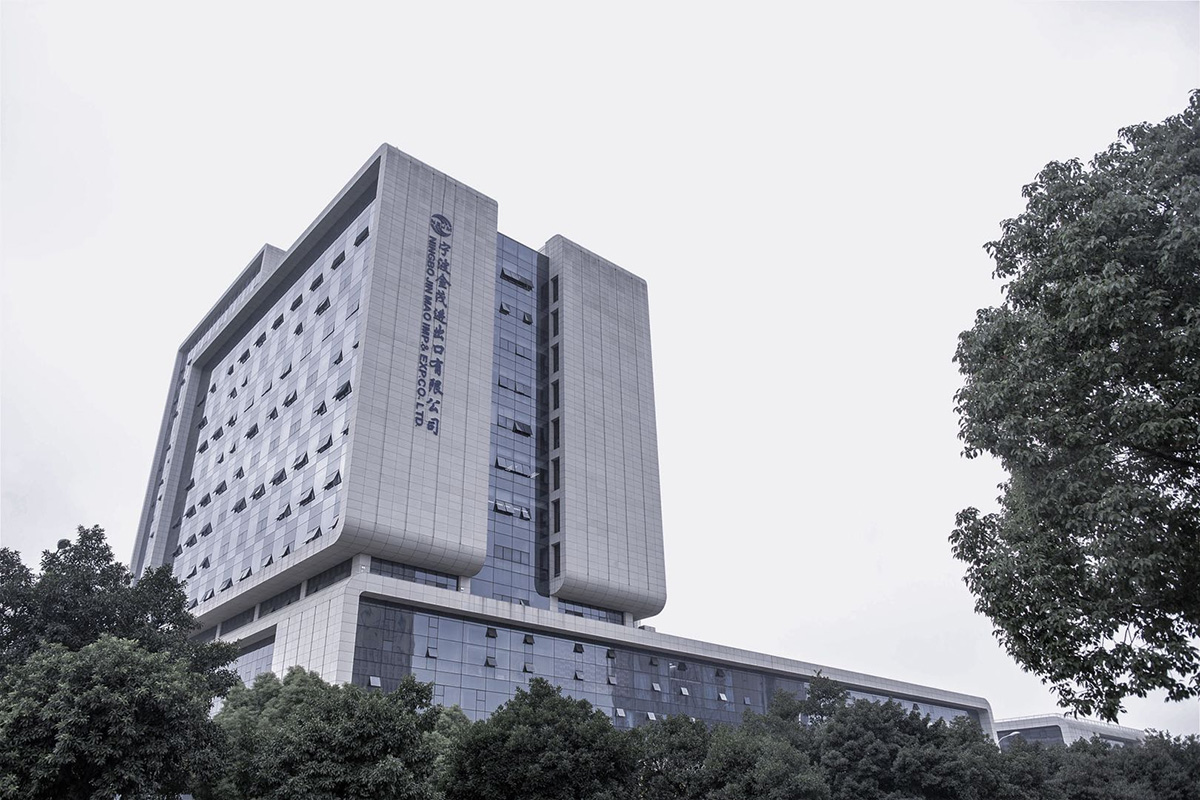
Founded in 2000, Ningbo Jinmao has grown into a leading force in China's eastern textile hub, managing an annual trade volume exceeding thirty million U.S. dollars. Our growth path relies on a double focus: technical specialization and environmental sustainability.
We are certified under ISO 9001:2015 (Quality Management) and ISO 14001:2015 (Environmental Management). Our structure is built to support brands through the complexities of modern compliance, managing logistics, product development, and wet-processing engineering under a single, unified workflow.
Whether you supply technical blueprints or require collaborative design development, we bridge the gap between creative concept and commercial scale.
Our industrial footprint spans multiple provinces (Jiangxi, Anhui, Henan, Zhejiang), housing over 10,000 skilled workers and 100+ production lines. Fully certified by WARP, BSCI, Sedex, and Disney, we execute clean, large-scale apparel projects from tech packs to bulk delivery.
Our design team turns sketches, mood boards, or reference photos into technical realities. We recommend suitable fabrics matching your target retail price, and map out physical construction and stitch spacing specifications to optimize drape and garment-dye durability.
Featuring pattern-makers and sample tailors averaging 20 years of experience, our sample room shortens prototyping timelines. We supply custom paper patterns within 1-3 days, and complete finished physical samples within 7-14 days.
We maintain a clear, documented path to ensure structural integrity and correct color matching at every step of development and mass production.
We create an initial prototype matching your measurements and structural patterns. This allows you to verify physical drape, sizing consistency, and design proportions before any dyeing begins.
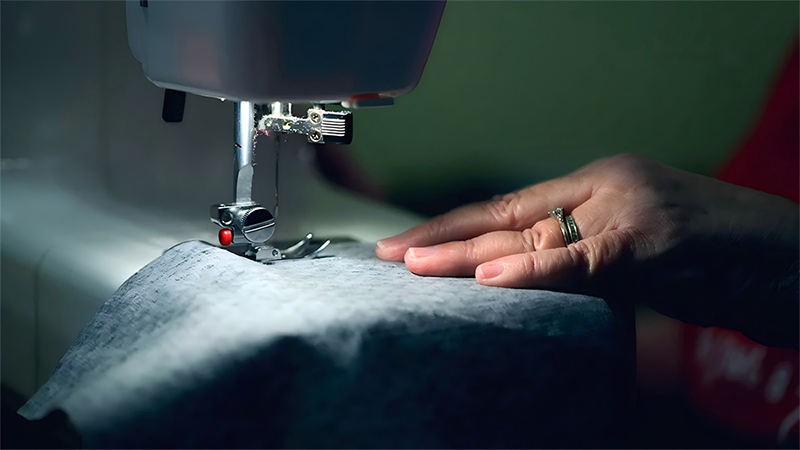
Constructed in the target bulk fabric with proposed trim options, the PPS acts as the final quality and aesthetic benchmark. We require physical sign-off before commencing bulk cutting.
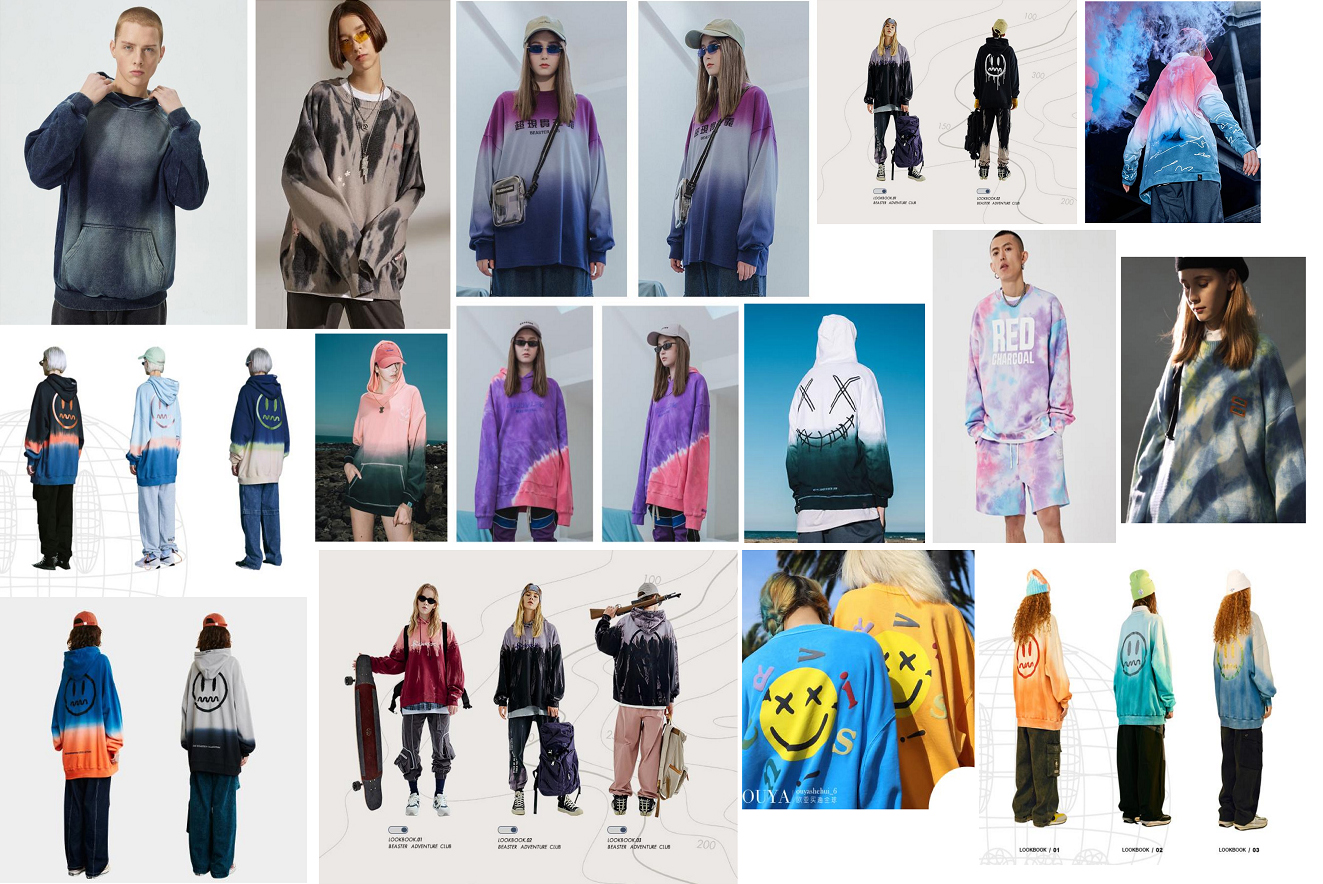
Our dedicated on-site QCs oversee bulk dyeing, enzyme washes, and pigment dye runs. They run regular wash-fastness, fiber strength, and color calibration checks on every dye lot.
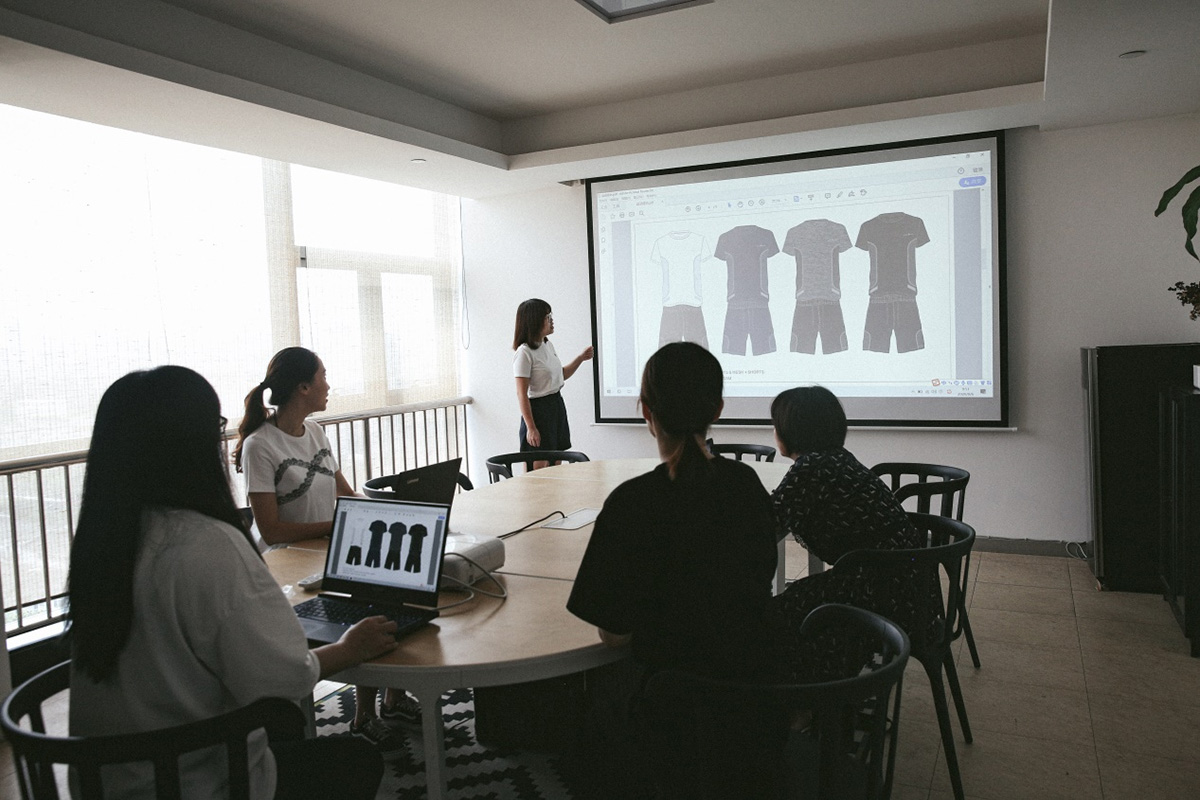
Using spectrophotometers, we match color targets across natural, fluorescent, and LED retail lighting. We submit physical swatches (Lab Dips) for rapid customer review.

Before cargo release, we draw random production units for final quality audits. This ensures final packaging, folding, and labeling match compliance requirements.
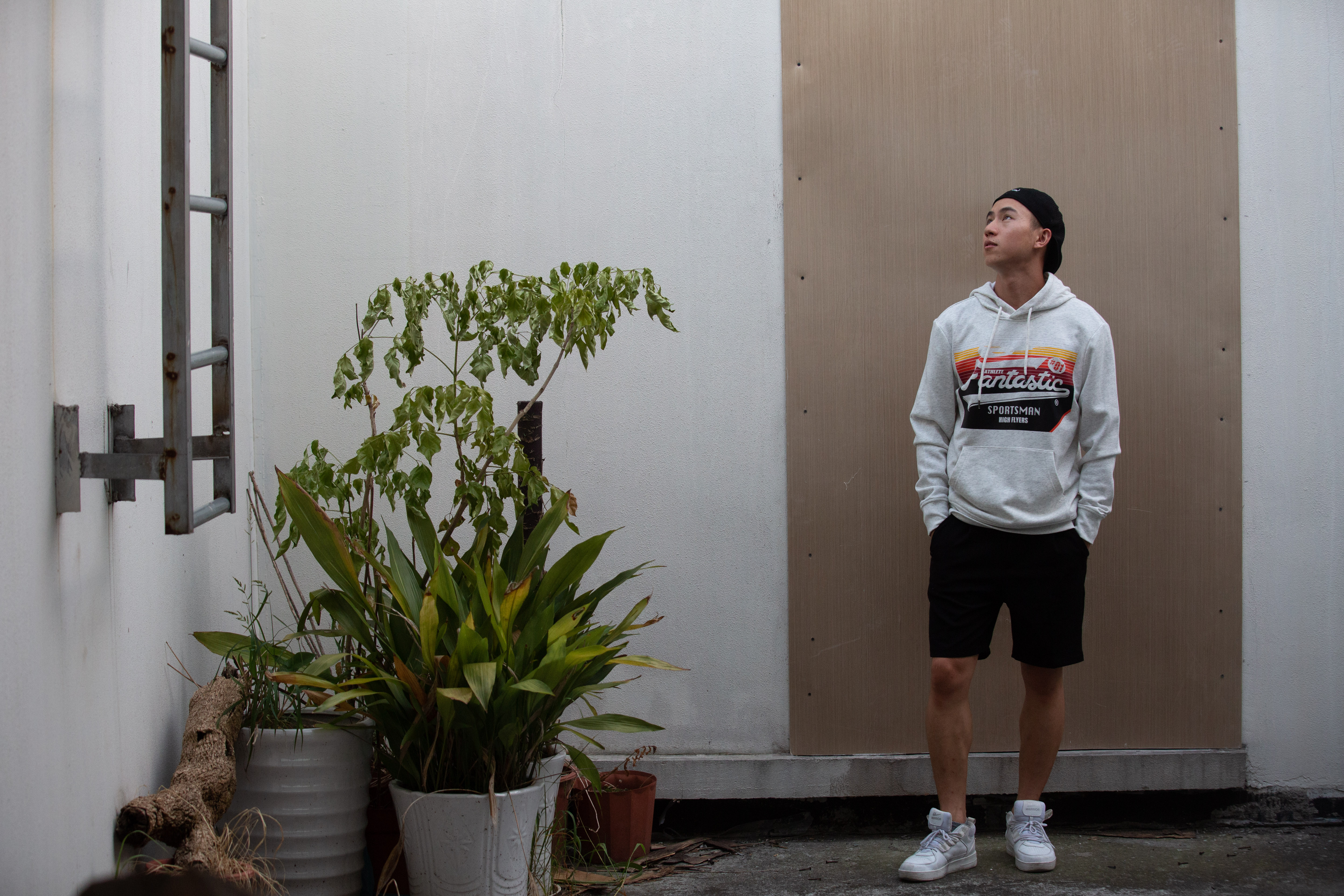
We handle final shipping arrangements, generating clear export documentation, certificates of origin, and custom clearings for hassle-free delivery to your port of choice.
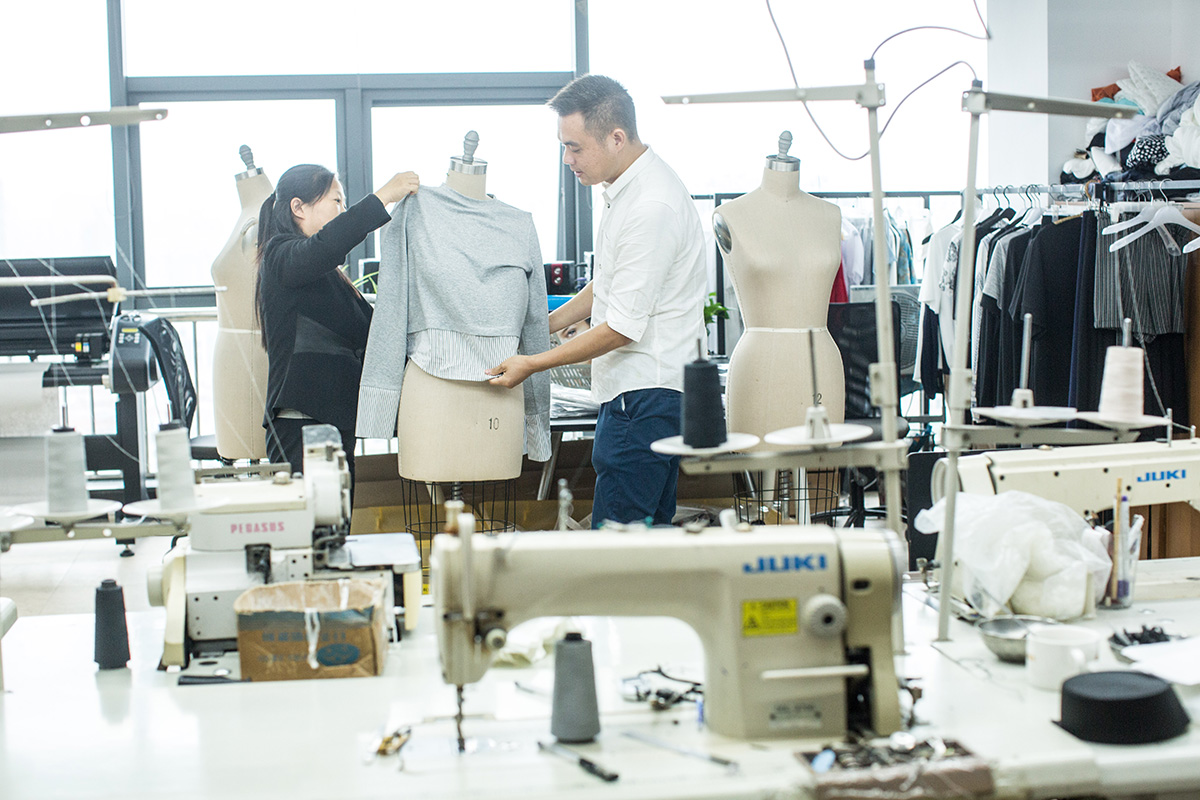
The success of garment-dyed apparel depends heavily on raw material quality. We select and source fabrics that retain structural strength and color fastness through intense wet-processing.
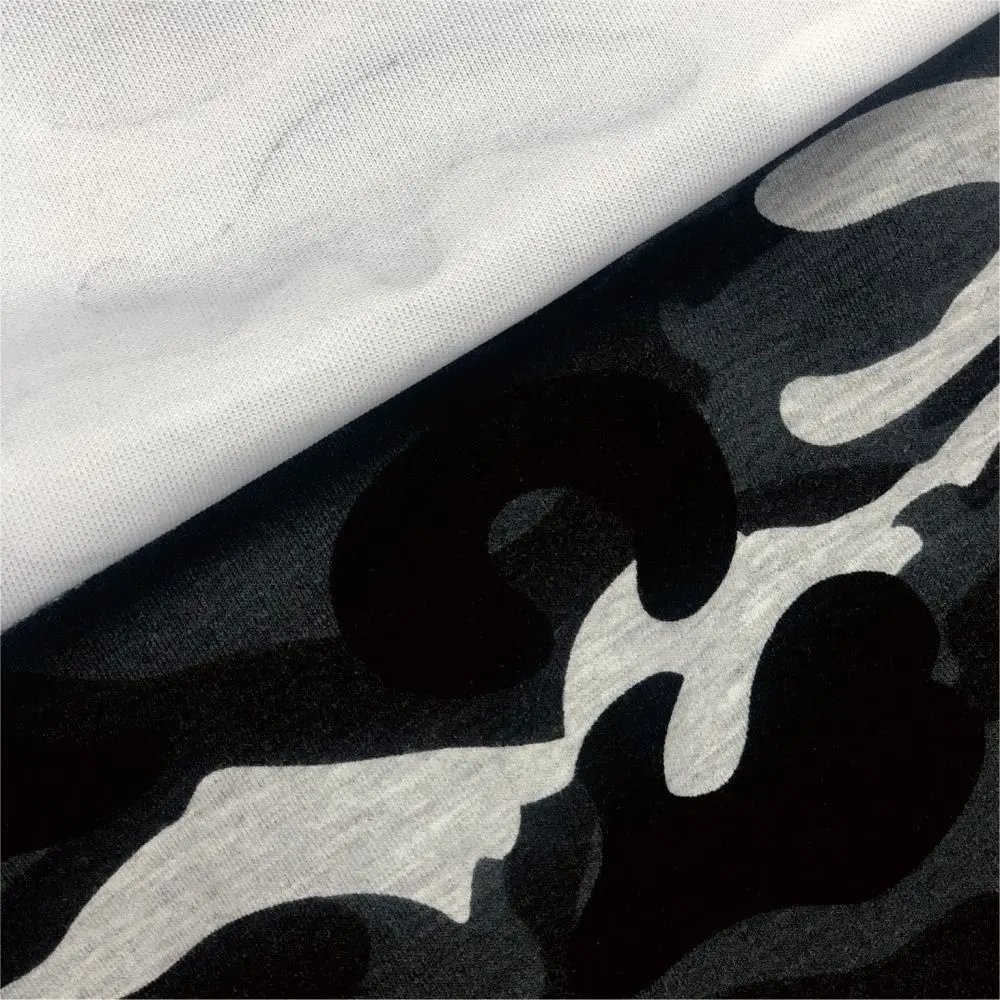
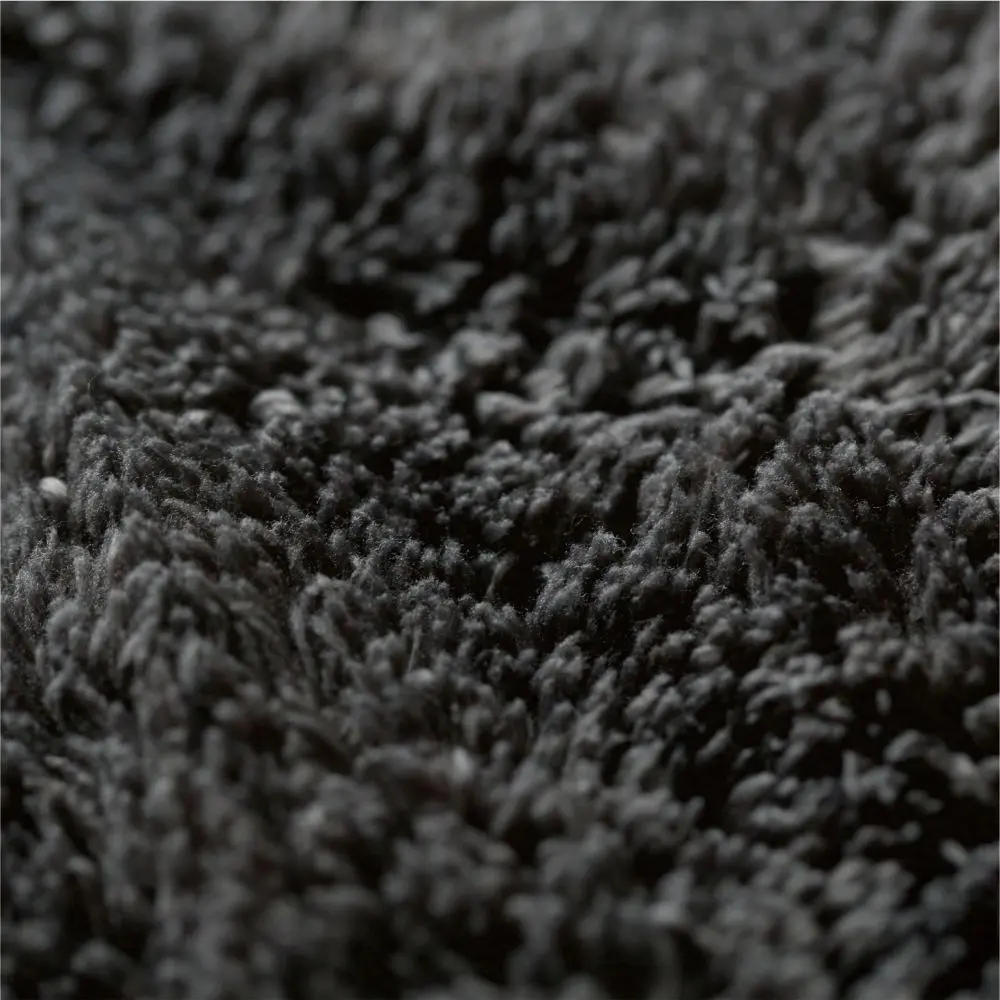
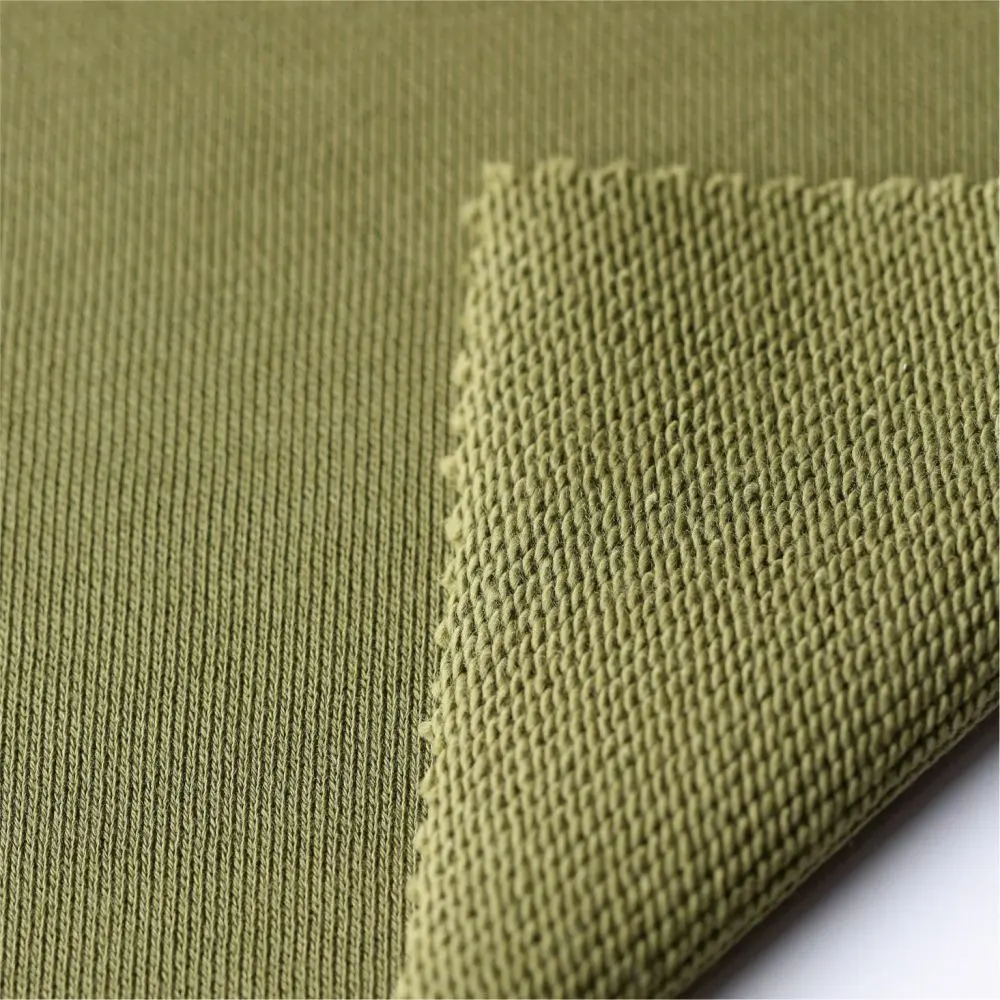
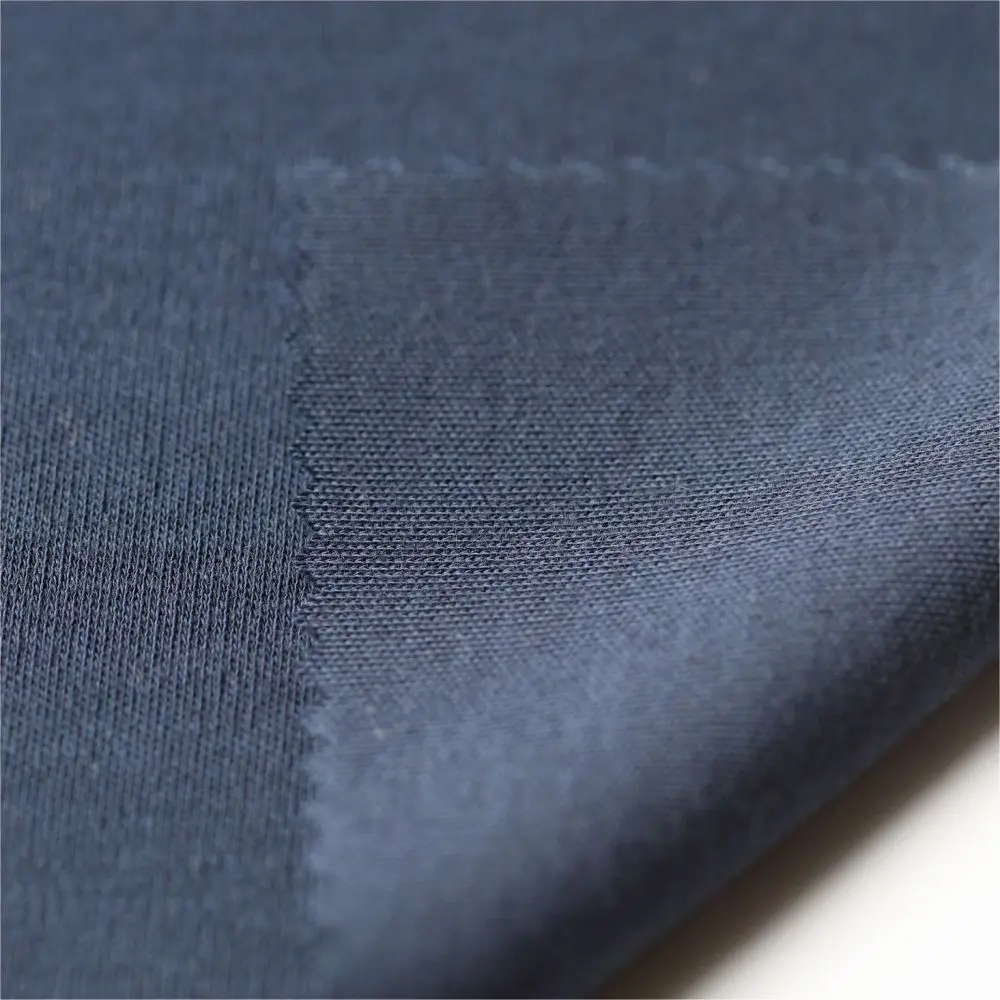
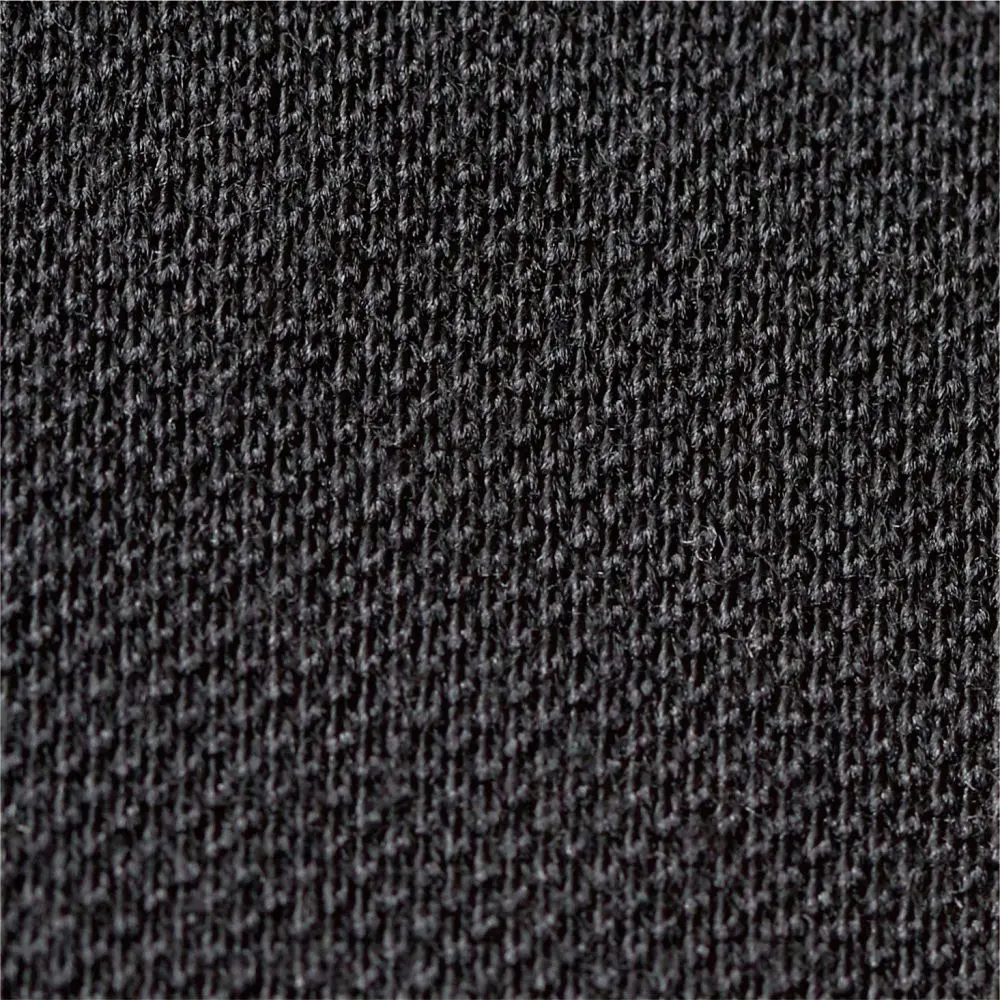
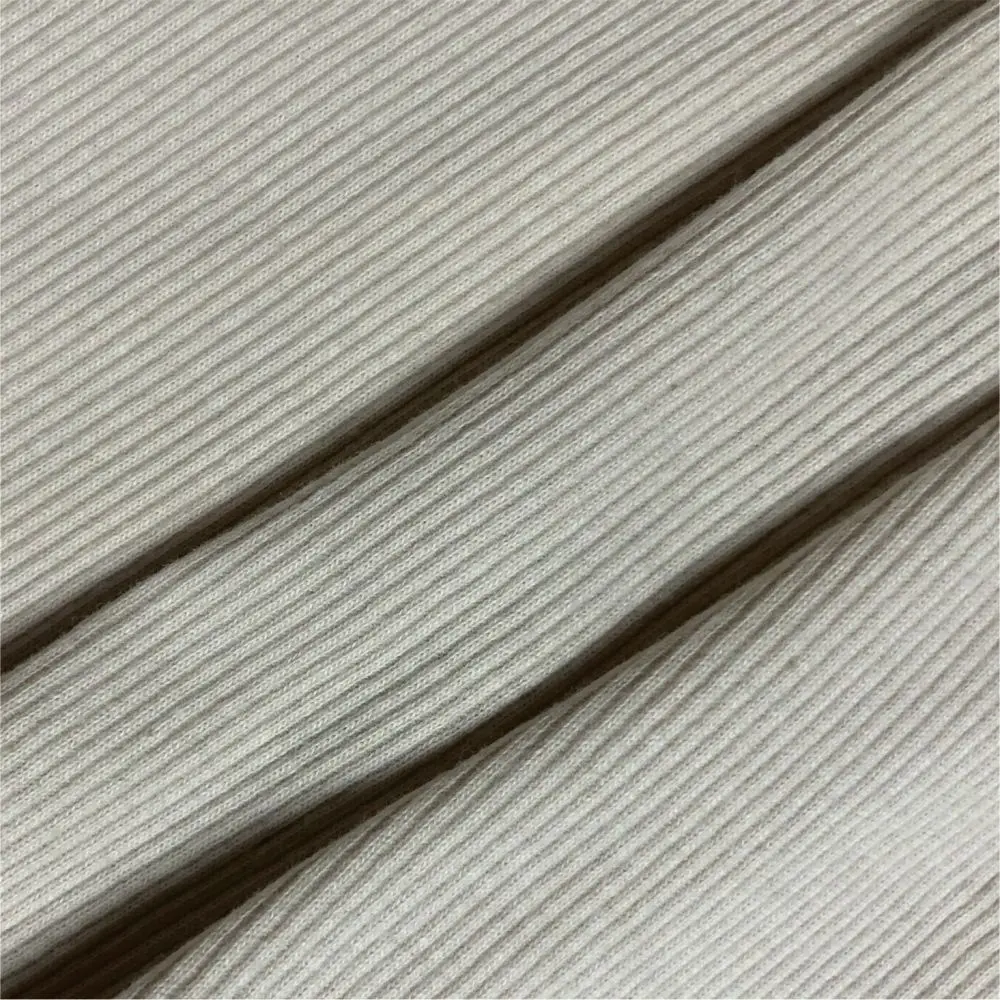
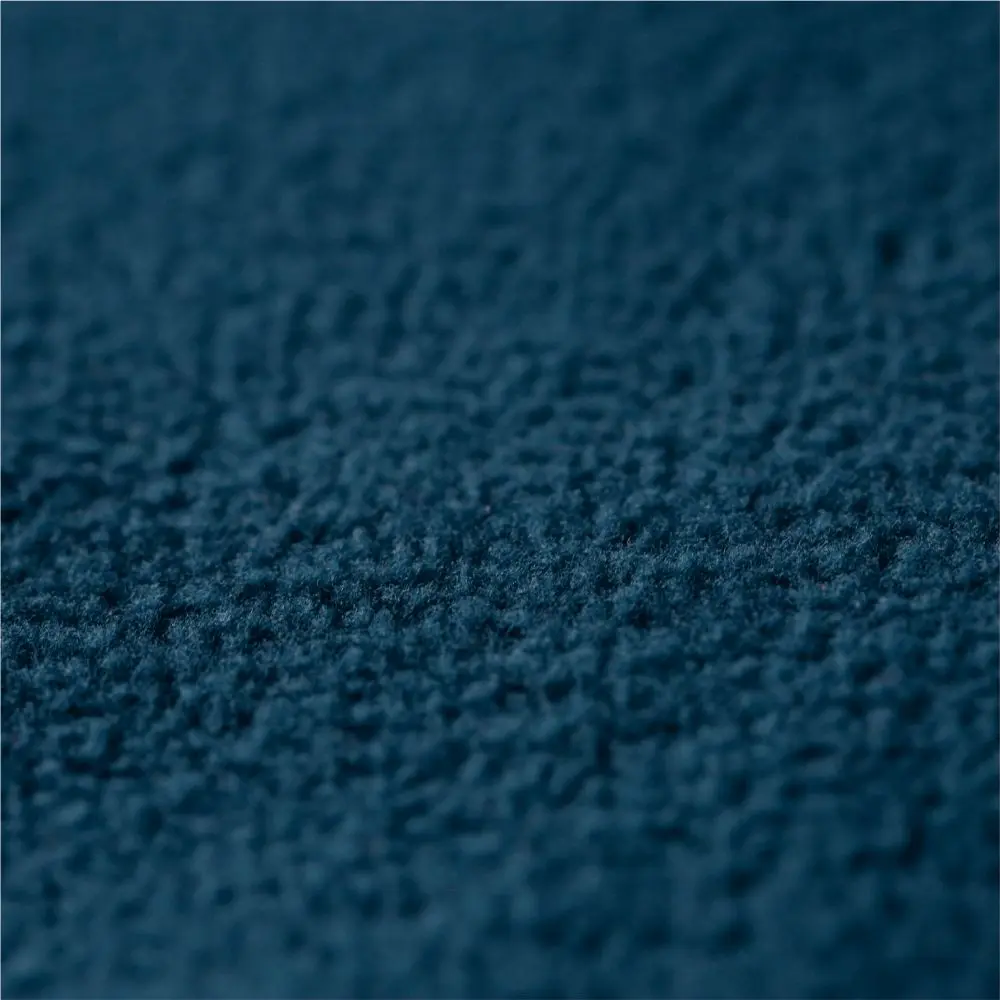
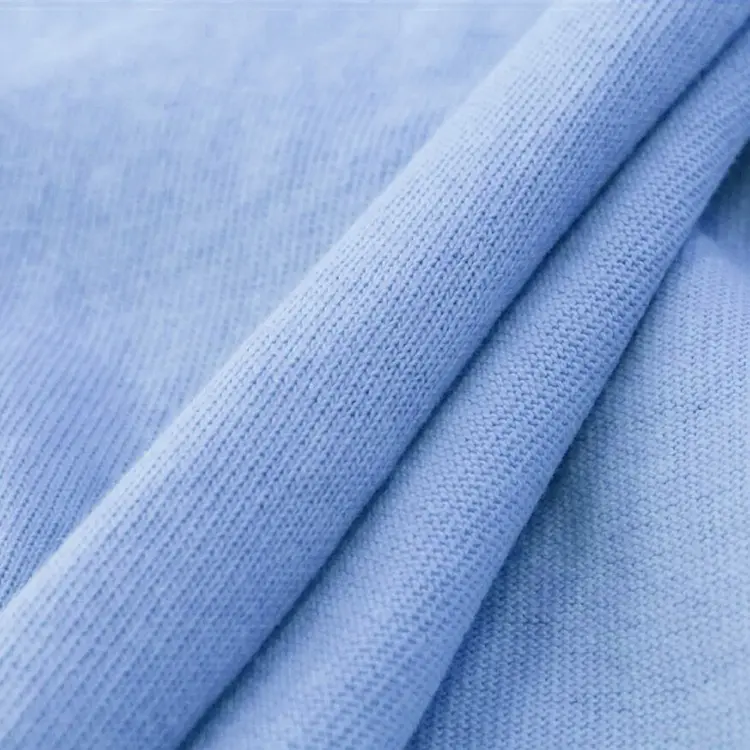
We offer various print techniques and post-processing treatments to add unique visual styling and premium textures to your garments.
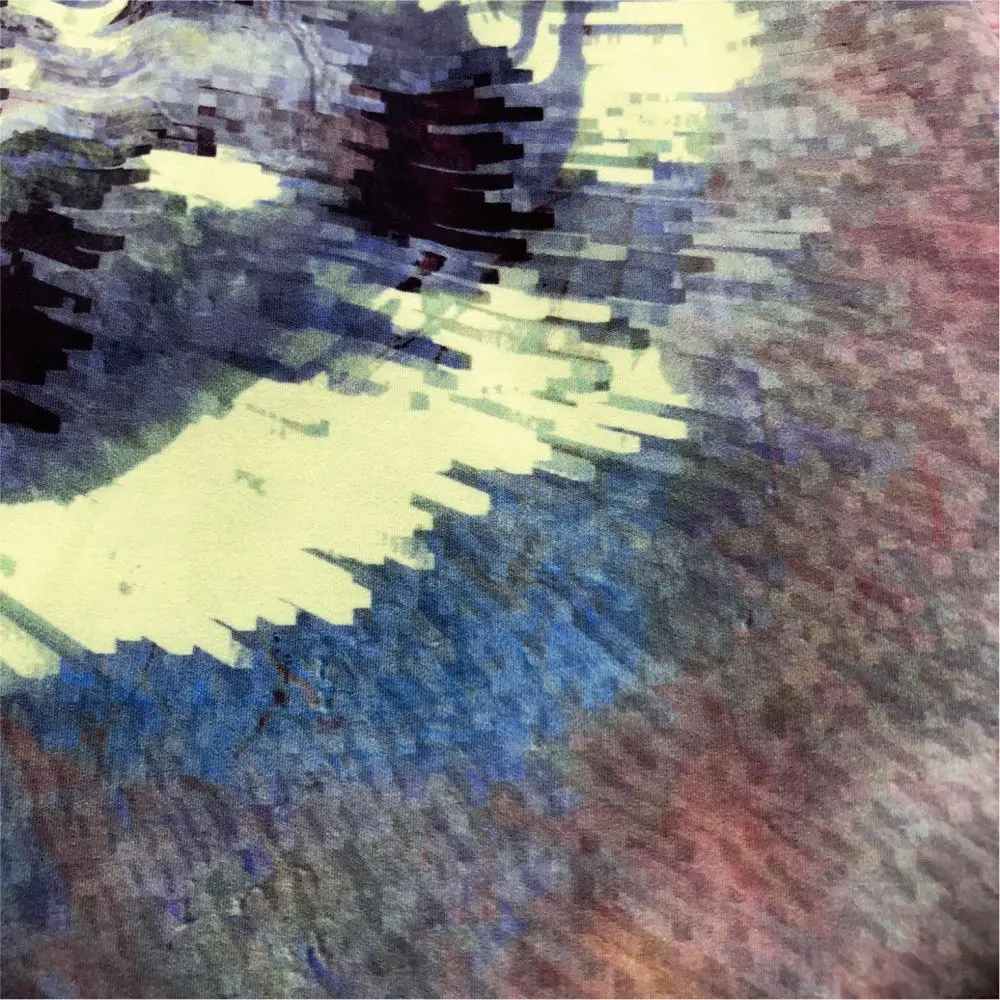
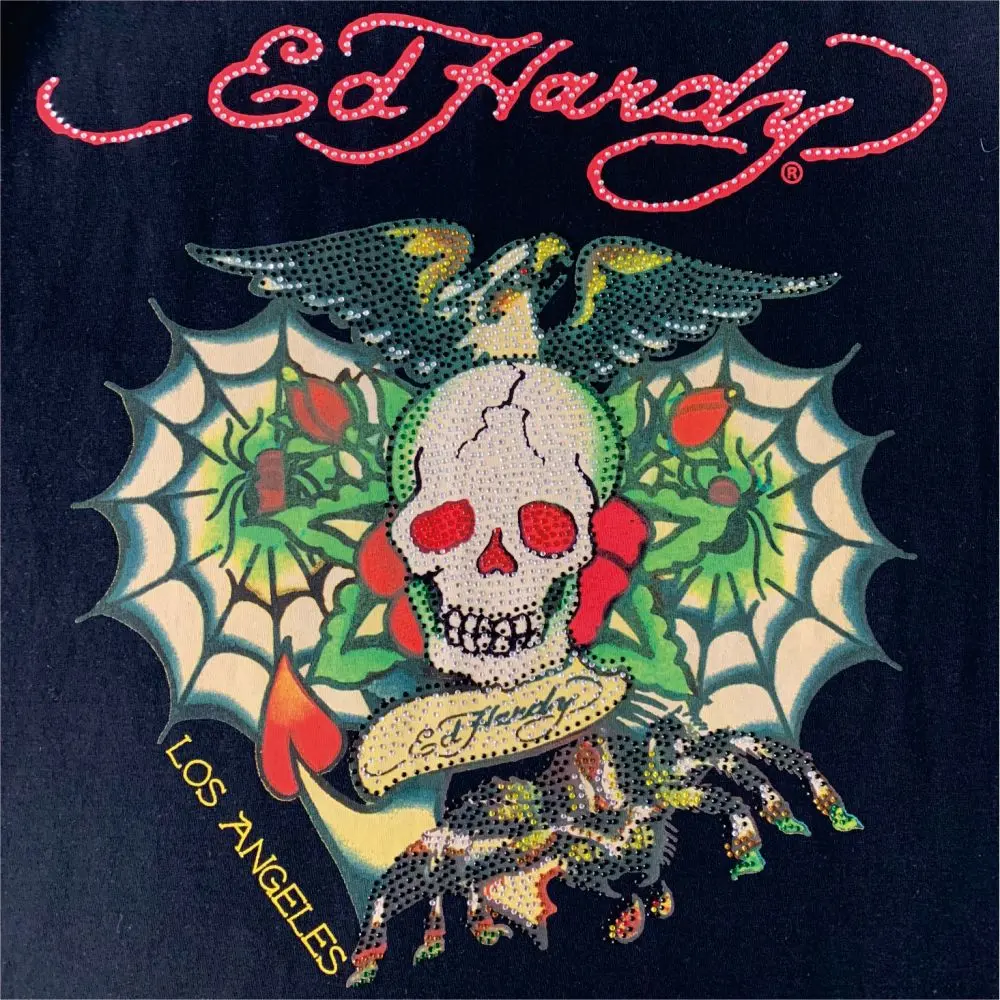
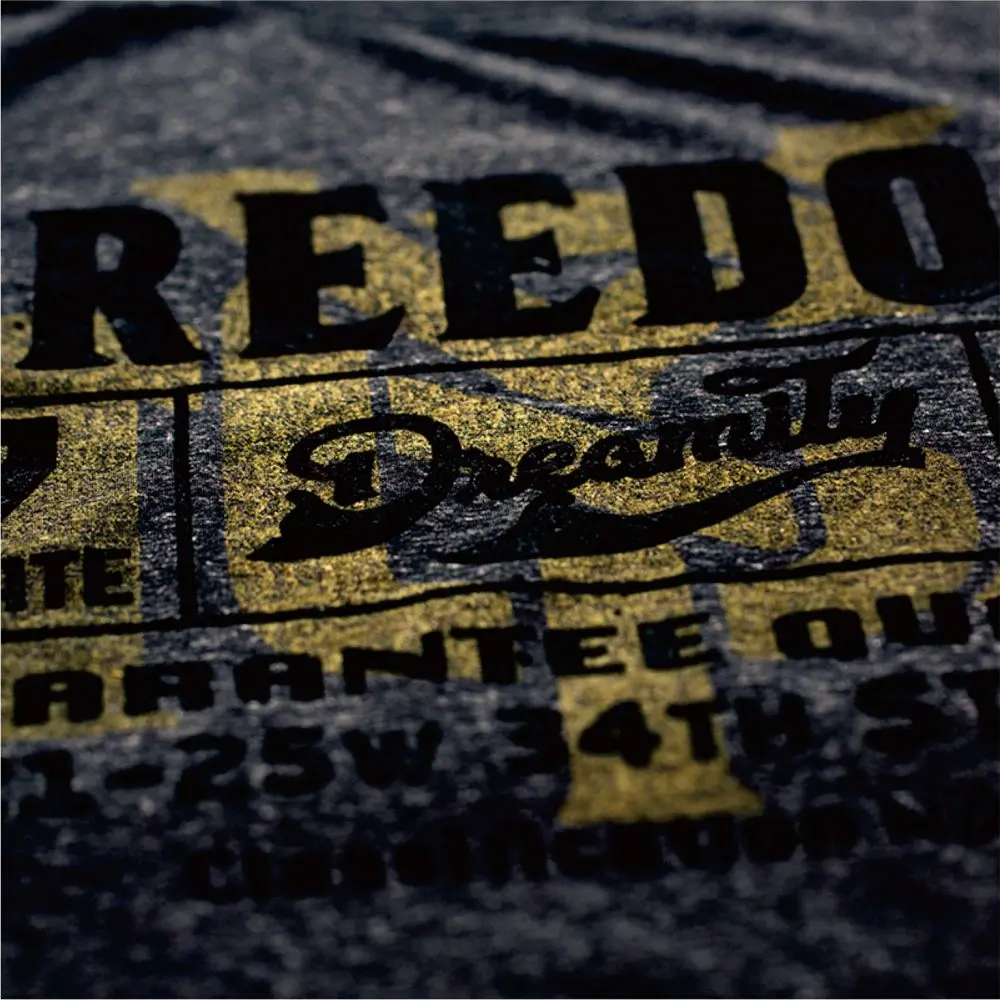
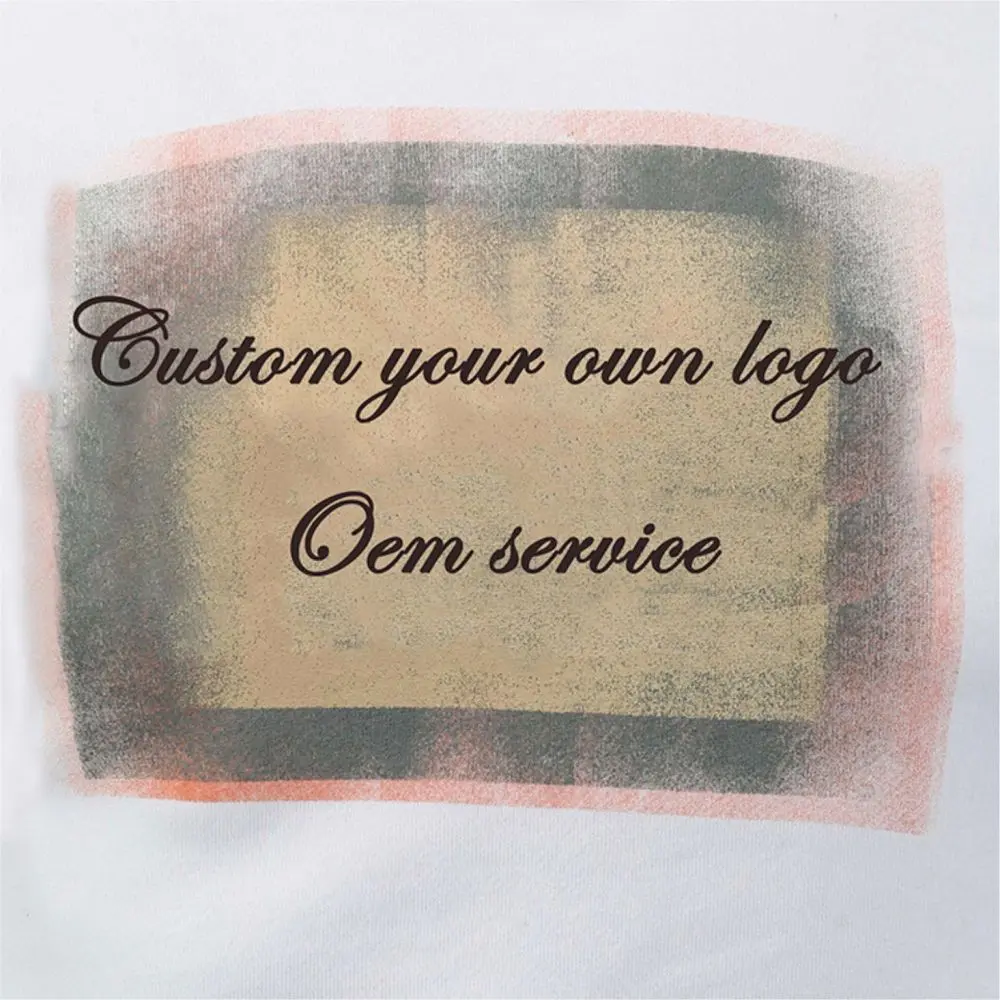
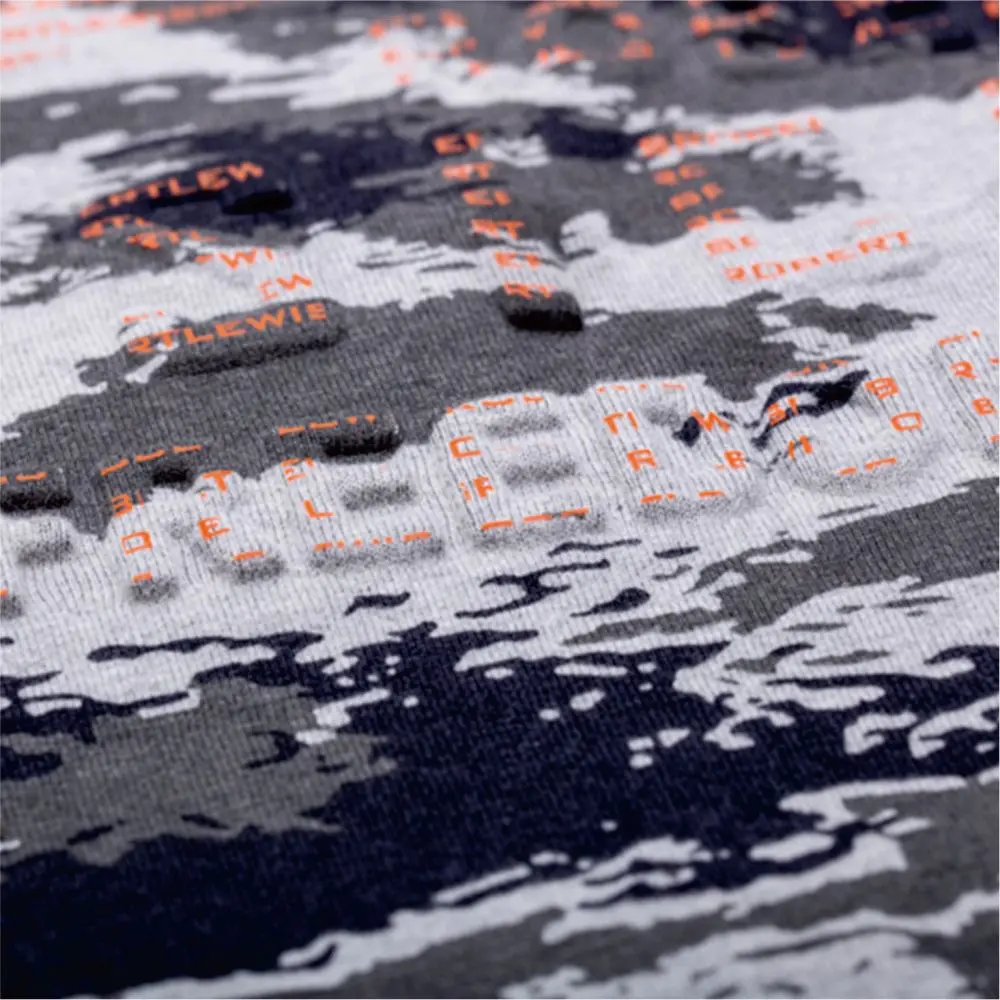
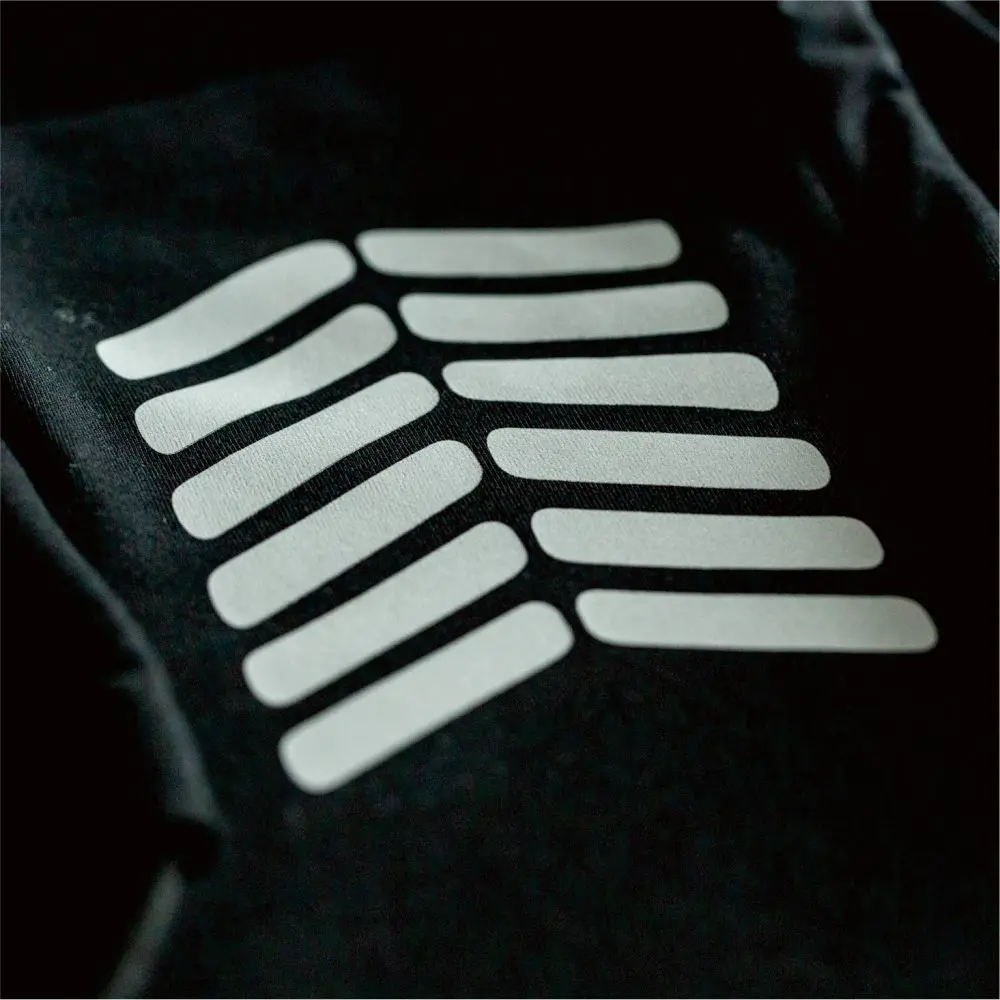
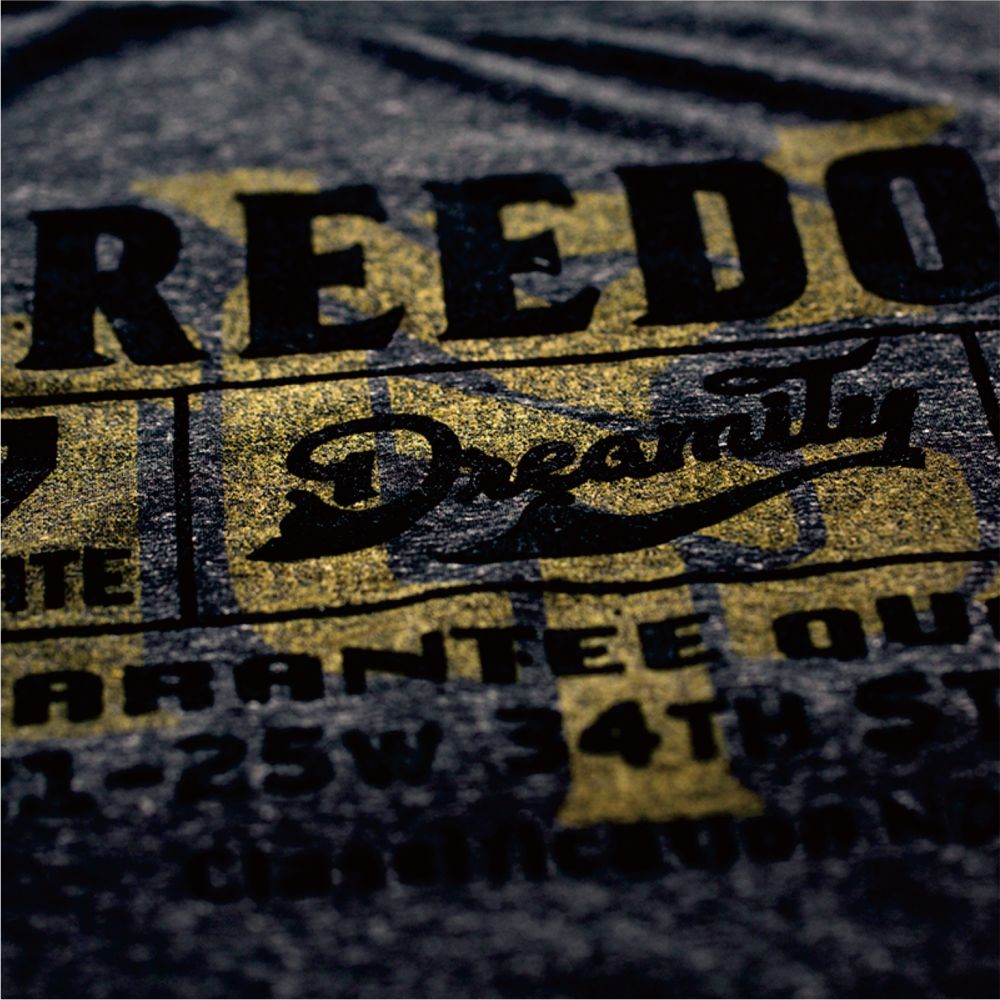
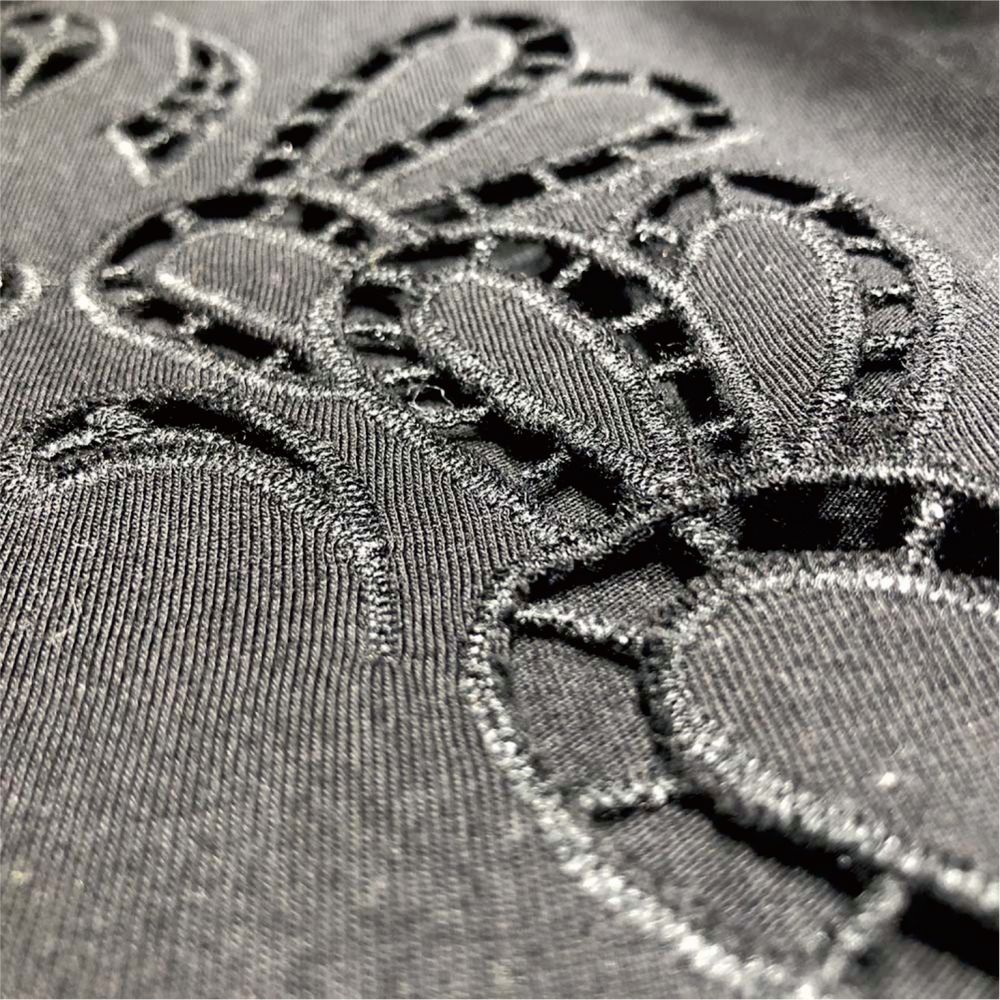
Operating a transparent supply chain is key to maintaining trust. This video walkthrough highlights our production systems, from automatic fabric cutters and sewing lines to our quality control stages and final packing lines.
Our facilities undergo regular audits under BSCI, WARP, and Sedex frameworks, verifying that we meet high safety, fair pay, and environmental standards across all locations.
Garment dyeing uses significant amounts of water and thermal energy. Ningbo Jinmao is committed to reducing environmental impact through clean chemistry, water recycling, and sustainable fiber sourcing.
We work closely with chemical suppliers to ensure all dyes and auxiliaries meet Oeko-Tex Standard 100 Class I standards. Our formulas are free from heavy metals, formaldehyde, and alkylphenol ethoxylates (APEOs), making them safe for consumer wear.
Our partner dyehouses use modern, high-pressure jet dyeing machinery with low liquor ratios. This setup reduces fresh water usage by up to 35% and energy consumption by 20% compared to traditional atmospheric winch systems.
Our dyehouses route wastewater through multi-phase physical, chemical, and biological filtration systems. This ensures the discharged water meets regional environmental guidelines, protecting local ecosystems from chemical and color run-off.
Find direct answers to common questions about our wholesale prices, minimum order quantities, lead times, and global shipping operations.
We build long-term relationships based on shared quality standards, reliable delivery schedules, and clear business communication.






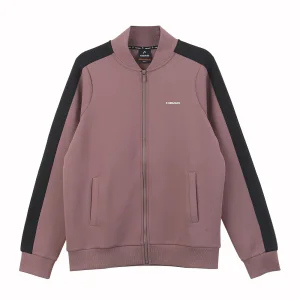
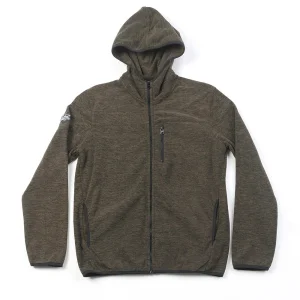
Technically designed garments, pre-engineered for downstream washing, printing, and brand finishing.
 Jinmao