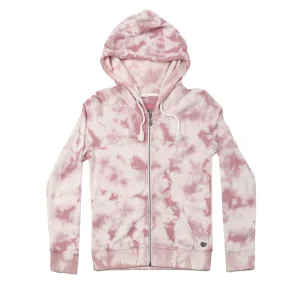
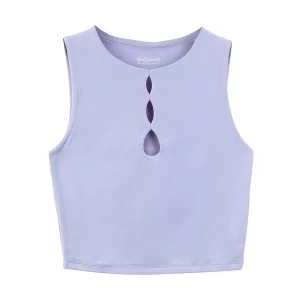
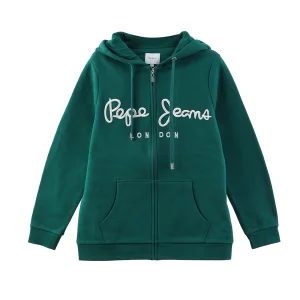
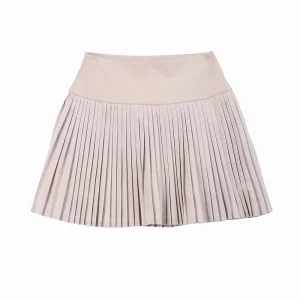
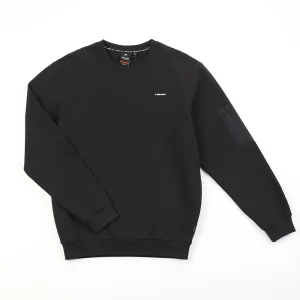
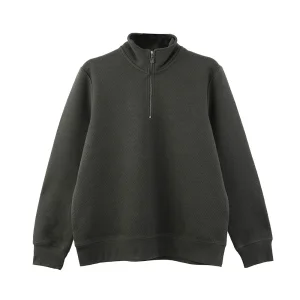
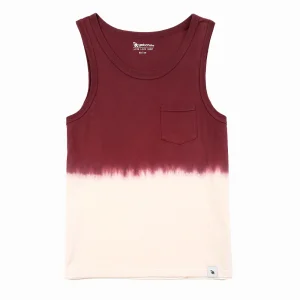
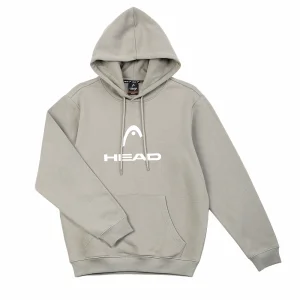
Premium-grade manufacturing leveraging precision stitch mapping and circular-loom integration.
A comprehensive study on the macroeconomic patterns, technical systems, and manufacturing routes of China's seamless apparel export hub.
Seamless clothing production is a revolution in modern textile assembly, rendering traditional cutting-and-sewing patterns obsolete for high-performance and body-responsive garments. Traditional garments generate up to 15-20% fabric waste during cutting processes and involve extensive manual seams that increase friction and structurally limit elasticity. By contrast, seamless circular knitting machines (such as Santoni systems) knit yarns directly into cylindrical, continuous tubes of fabric. This enables localized stitch configurations, custom ventilation matrices, and variable elasticity index zones across a single garment panel.
For brands importing apparel from China, partner selection is no longer just about searching for the lowest cut-make-trim (CMT) price. Brands now seek engineering groups capable of executing specialized fabric science, supply chain resilience, and international compliance matrices.
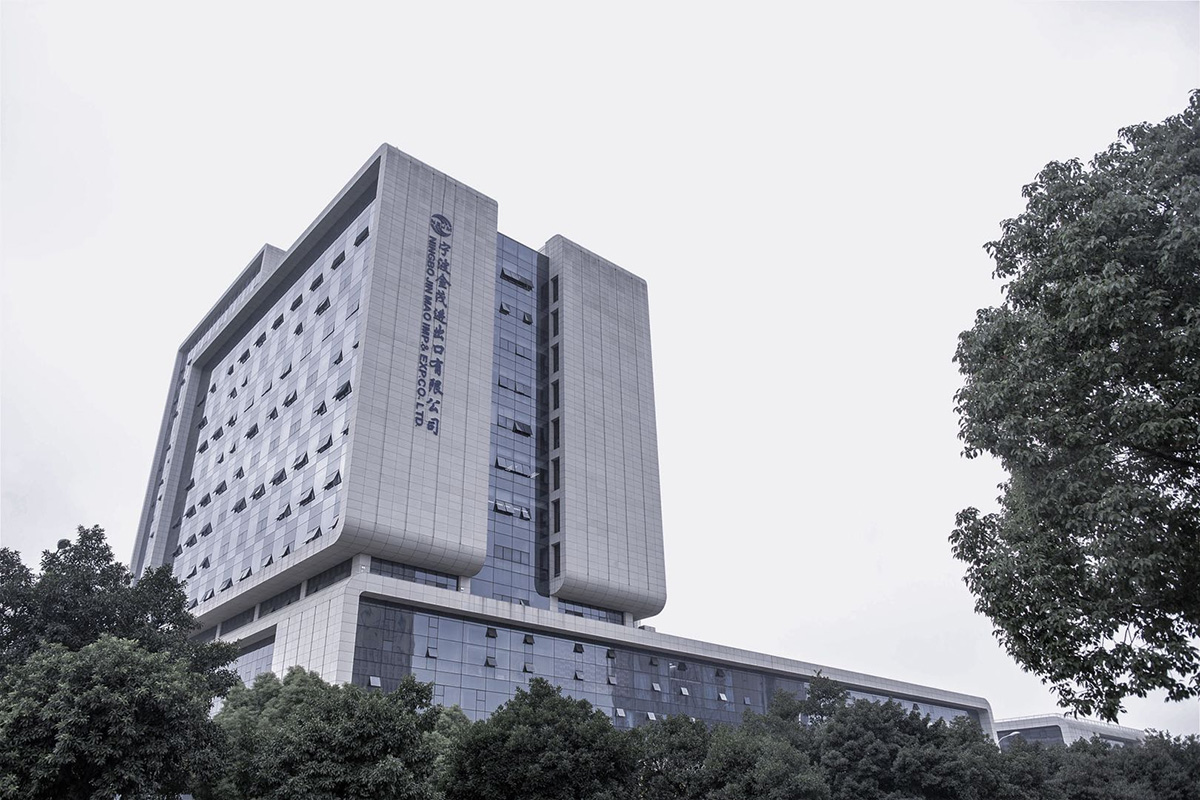
Founded in 2000, Ningbo Jinmao Import & Export Co., Ltd. has established a formidable global footprint. Spurred by two decades of industrial execution, technical evolution, and structural adaptation, the corporation achieves an annual turnover exceeding thirty million U.S. dollars ($30M+ USD).
Operating as a preeminent garment developer and export enterprise in Ningbo, the group integrates eco-compliant practices alongside certified industrial operations:
| Quality Audit | ISO 9001:2015 |
| Environmental Audit | ISO 14001:2015 |
| Headcount | 50+ Core Corporate Specialists |
| Production Partners | 30+ Audited Facilities |
From algorithmic styling blueprints to physical garment containers, we align localized craftsmanship with digital tracking.
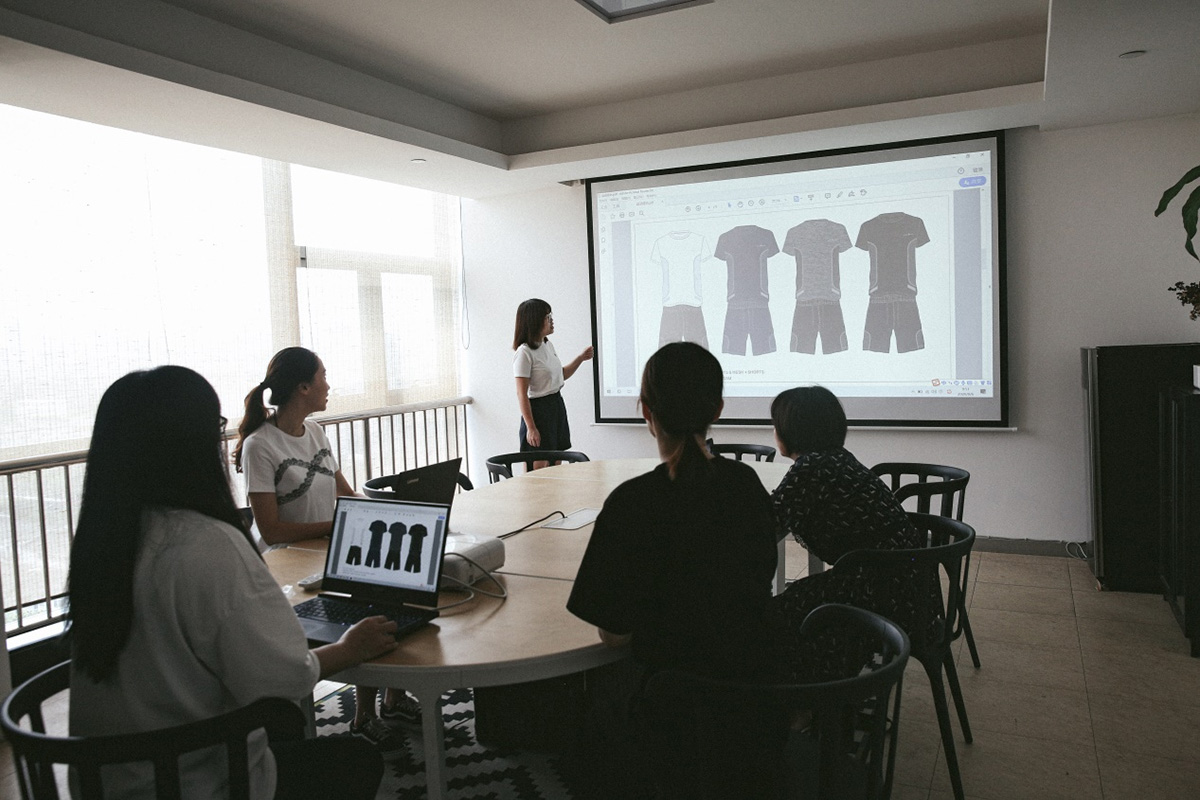
Our dedicated design and development unit provides a full service suite. Simply provide requirements, sketches, concepts, or photos, and we will bring them to reality. We recommend appropriate fabrics according to your functional requirements, and product specialists confirm design parameters and construction specifications with you. We continually update our catalogs with trending, functional, and eco-friendly fabrics and accessories.
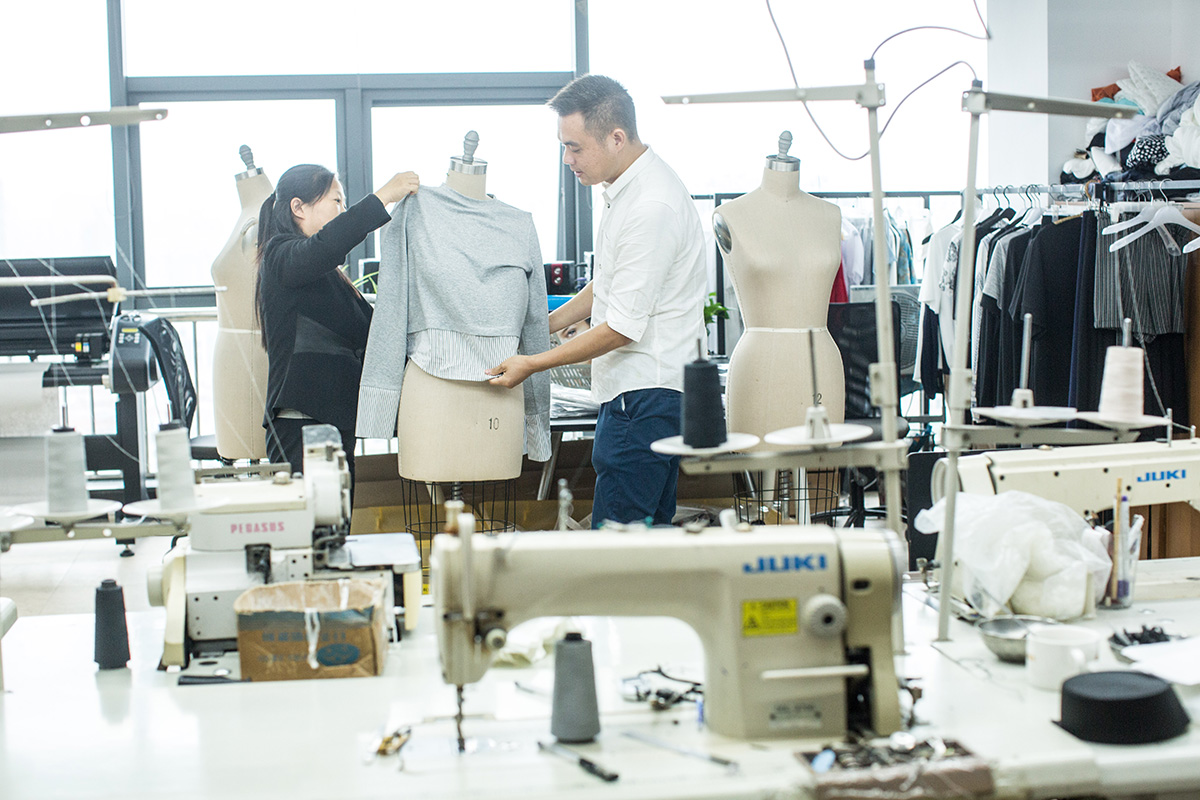
We feature an in-house pattern-making and development department, staffed by pattern engineering experts with an average of 20 years of experience. Specializing in both lightweight knits and high-performance woven fabrics, our sample division speeds up the path to market. It facilitates fast sales sampling, size run approvals, and rapid-response fabric evaluations.
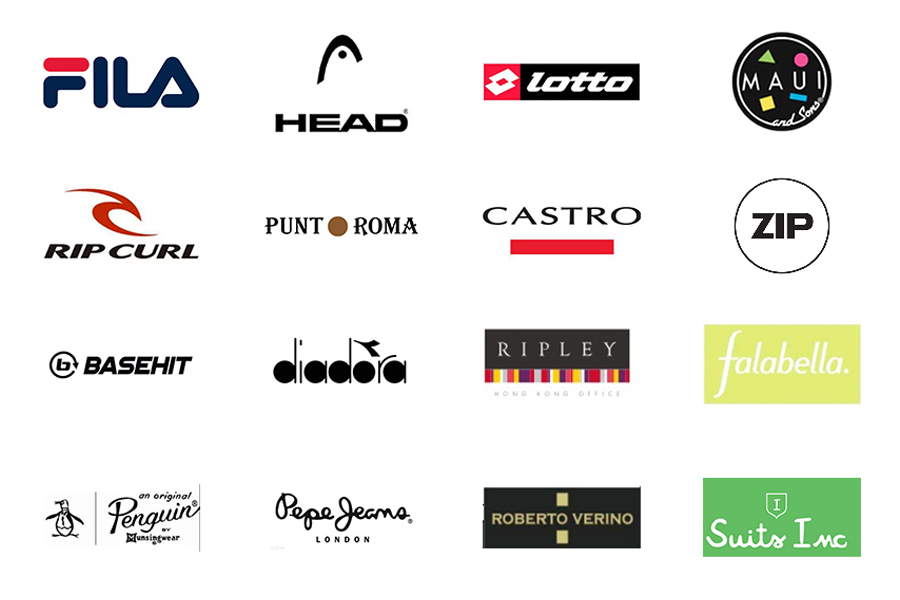
Our client service teams average over 10 years of tenure. Having served more than 100 global brands and chain networks across 30+ countries, they understand how to transition buyer specs into certified production. They navigate technical print and embroidery limits, verify fabric specs, and manage compliance certification steps from raw materials to final packaging.
A window into our certified manufacturing bases and the strict protocols that govern our bulk apparel output.
A robust, compliant manufacturing line is our operational core. To provide maximum capacity flexibility and localized duty optimization, we have built large-scale production bases across key textile zones in China: Jiangxi, Anhui, Henan, and Zhejiang. Backed by 30+ long-term partner factories, over 10,000 skilled sewing and knitting technicians, and 100+ active production lines, we produce millions of garments annually.
Factory Certifications: Our entire supply loop maintains rigorous credentials including WRAP, BSCI, Sedex, and Disney FAMA. We assure ethical sourcing, fair labor metrics, and carbon-efficient operations.
Real-Time QC Auditing: Dedicated regional QA offices monitor bulk production steps. Raw fabrics are checked by third-party laboratories (SGS, BV, Intertek) to verify fiber percentage, fabric weight, colorfastness, and tensile strength before the cutting and knitting phases begin.
Once initial garment details are mapped, our pattern makers draft custom tech packs to create a primary fit sample. Made using specifications aligned with final wear parameters, this stage verifies dimensions, draping properties, and overall silhouette prior to material allocation.
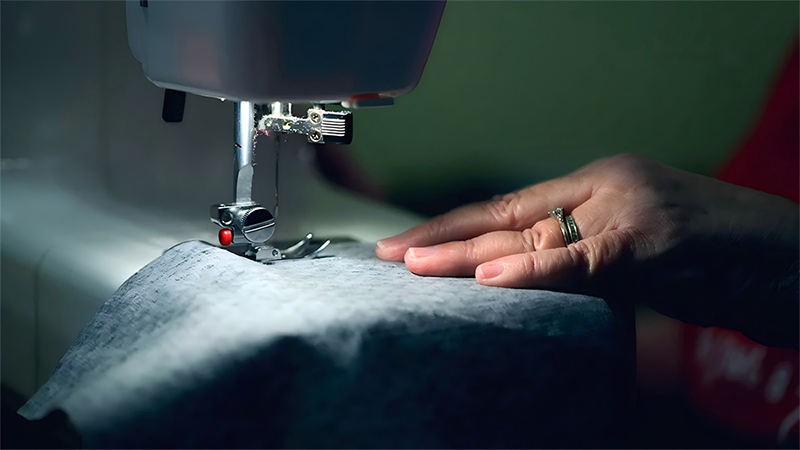
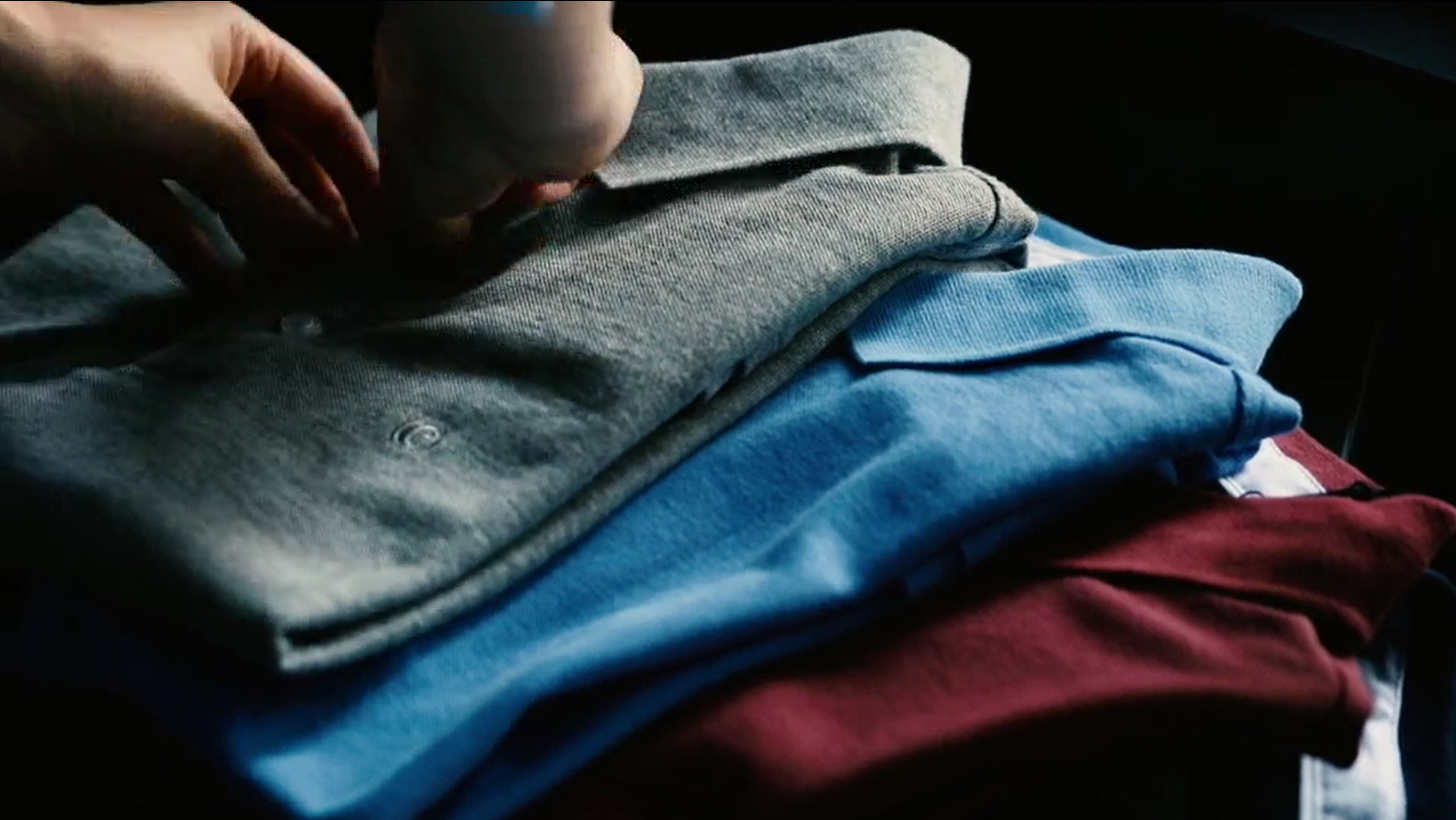
We review every manufacturing details, including lab dips, screen printing layouts, thread counts for embroidery, cardboards, tag sizes, polybags, and outer packaging markings. By locking in these variables, we ensure brand consistency across retail runs.

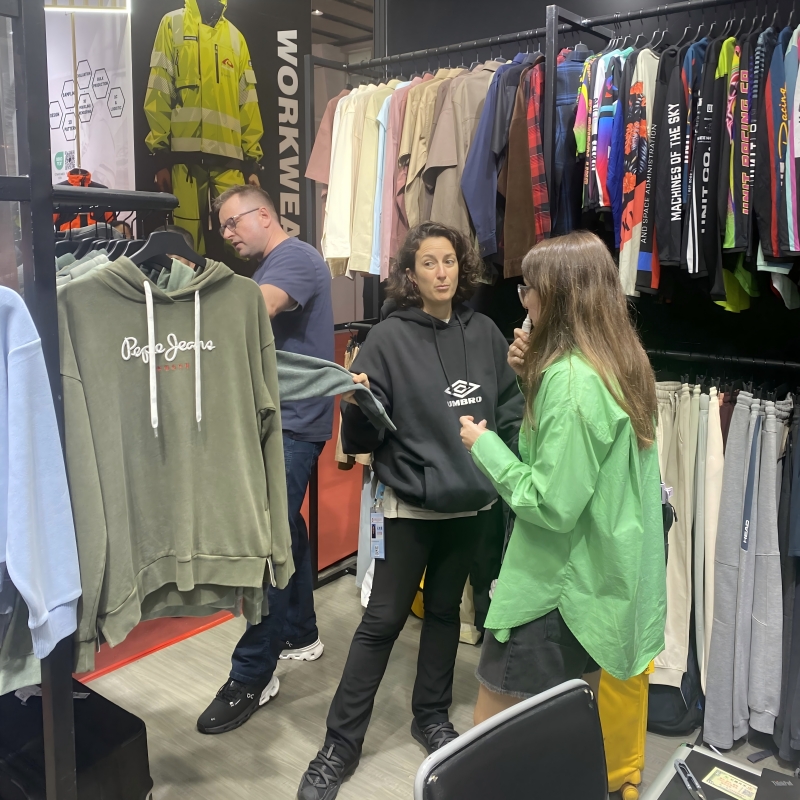
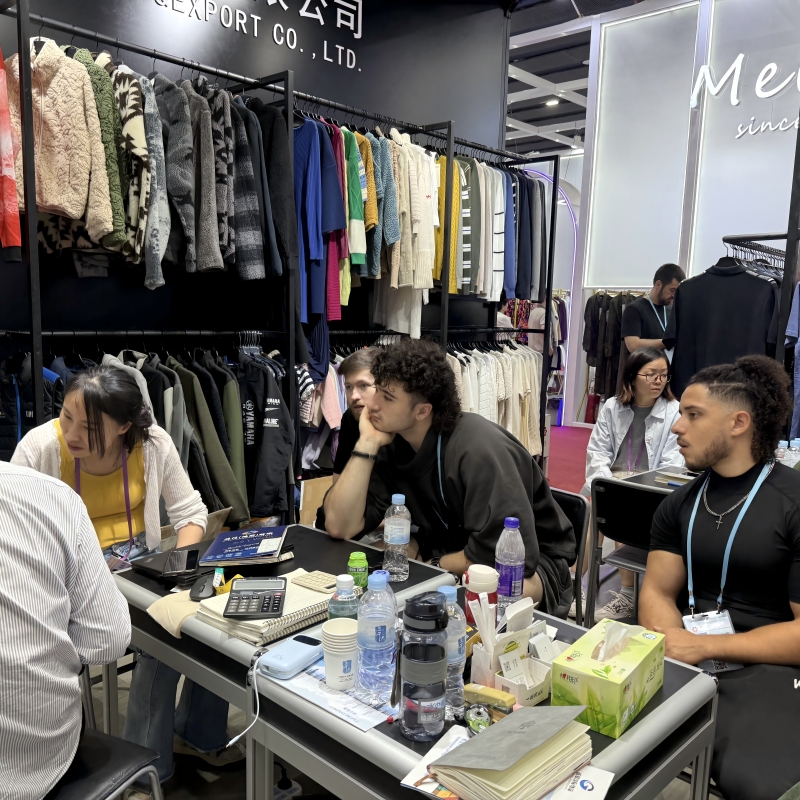
Before launching full bulk runs, our factory delivers a final pre-production sample (PPS) using actual bulk yarns, dyes, and trims. The PPS serves as the active blueprint for the entire production line. Mass production begins only after receiving customer sign-off.
Our quality control inspectors track the bulk run from sewing to packaging. Before loading cargo containers, we draw random shipment samples to confirm the garments match approved PPS quality benchmarks.


A diverse material library engineered to meet global standards for sustainability, performance, and aesthetic finish.
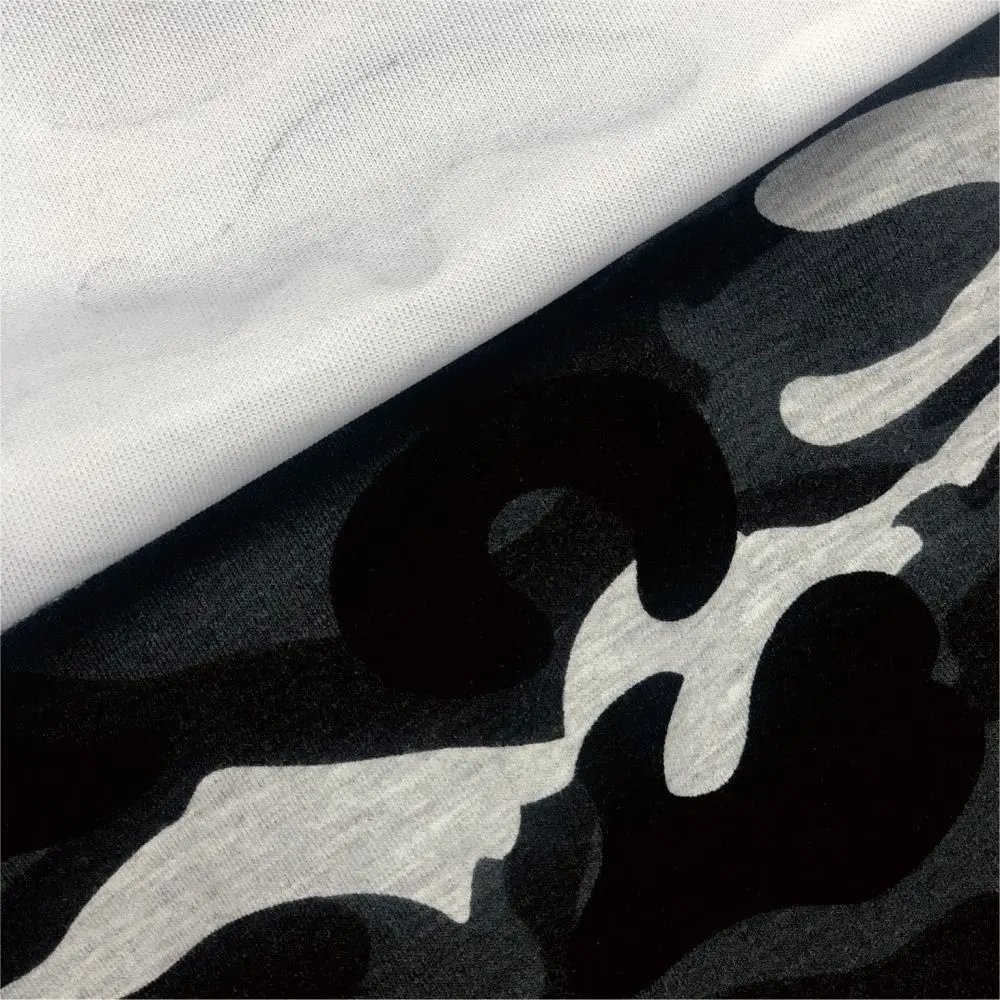
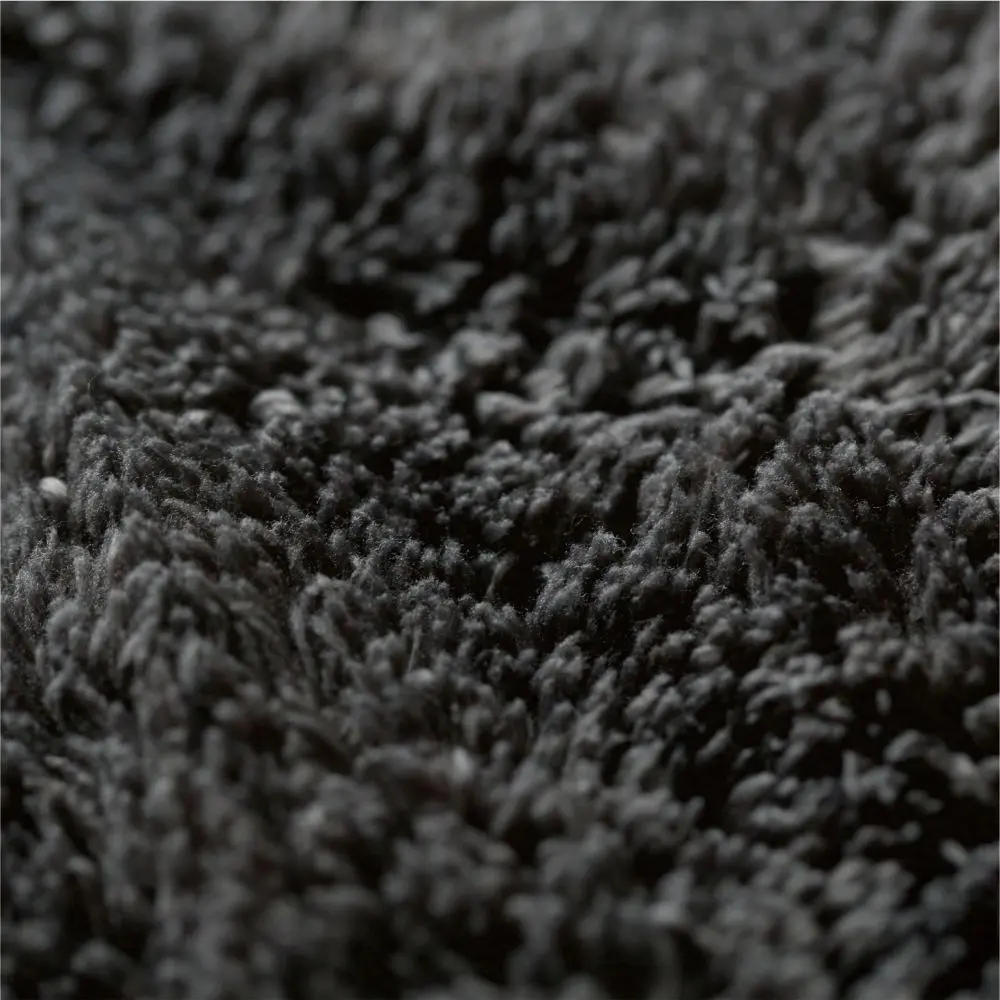
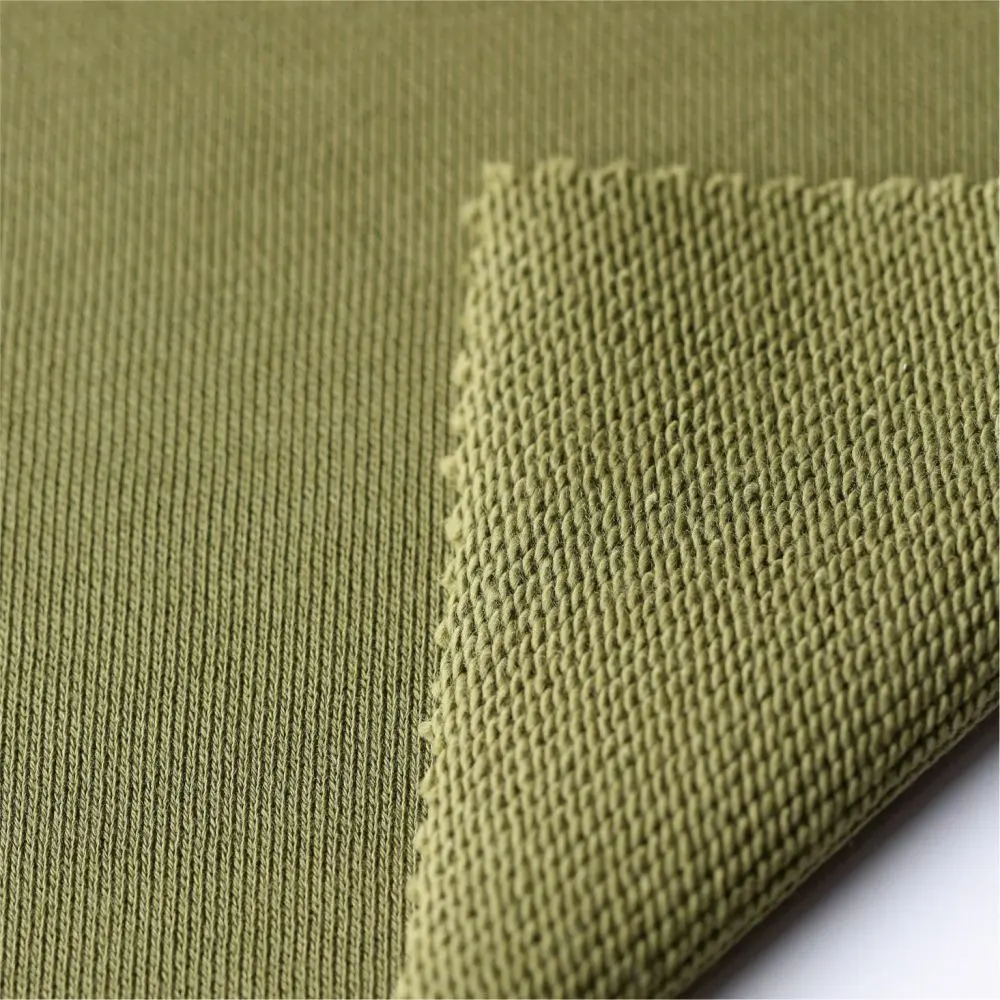
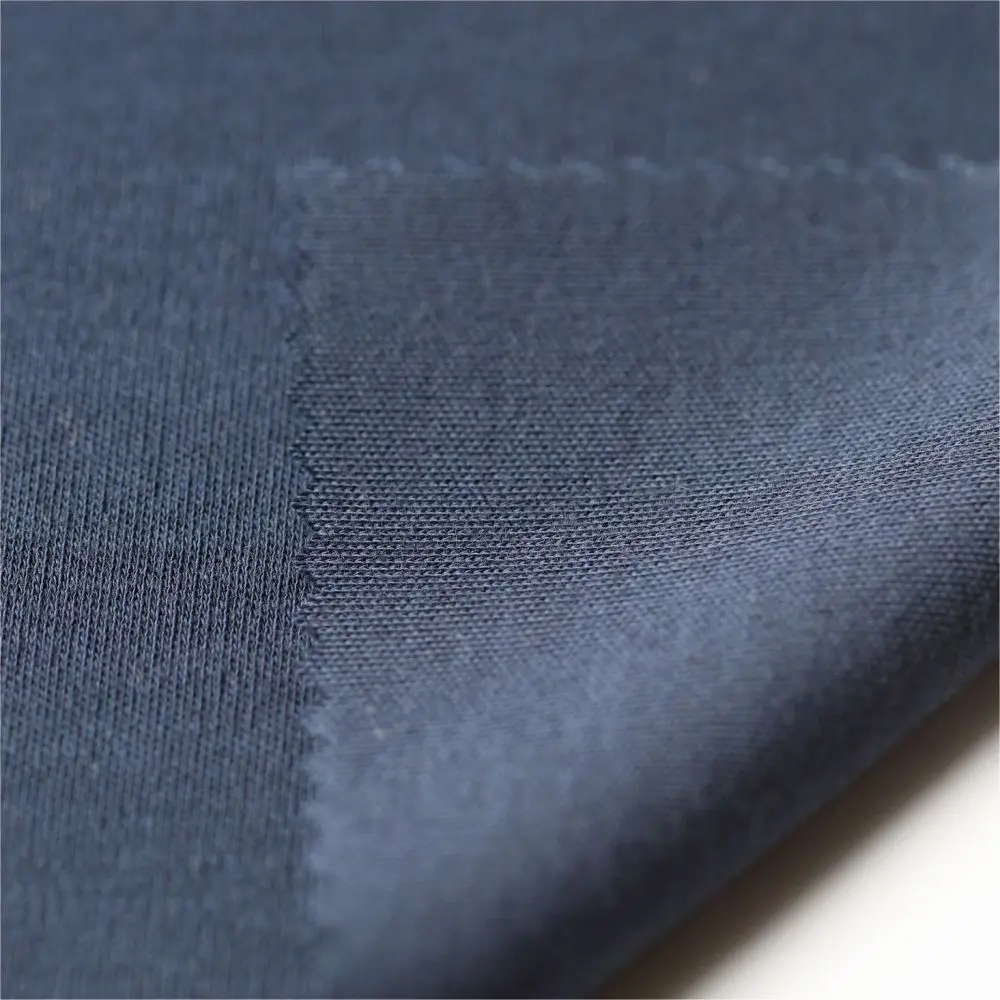
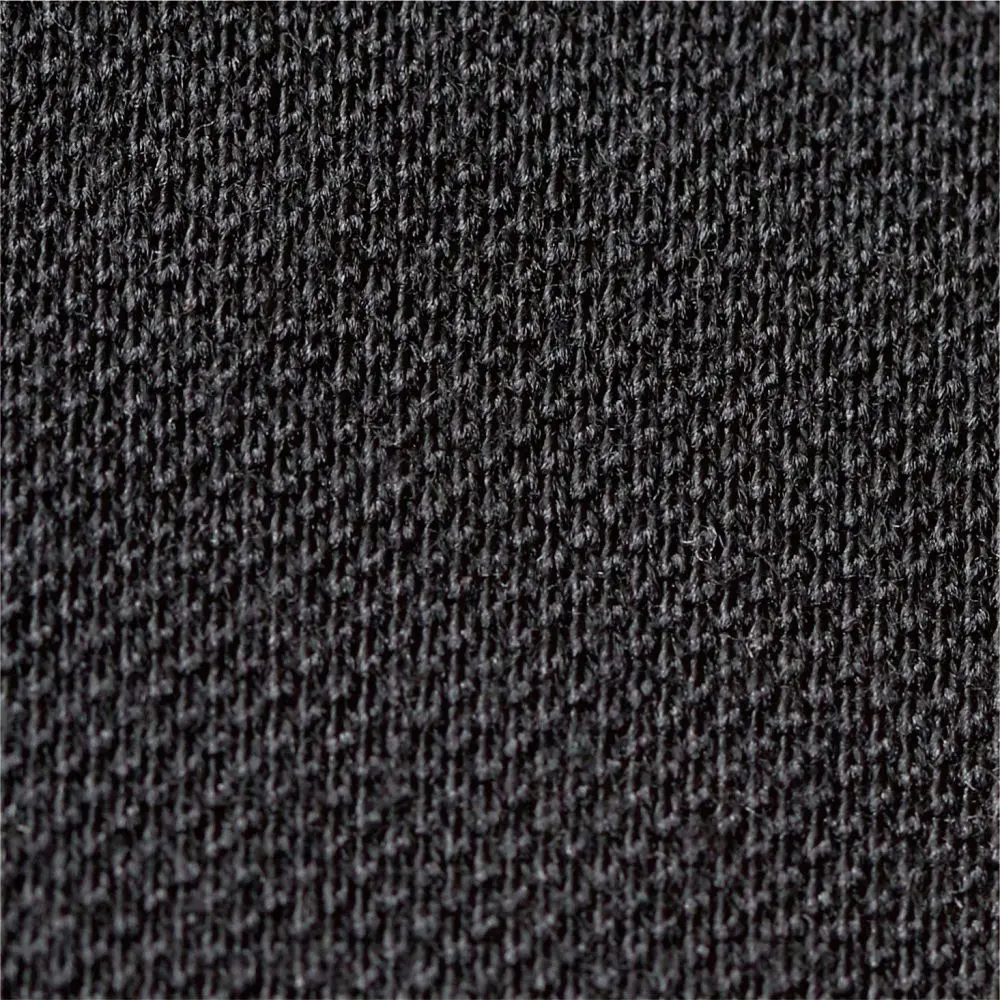
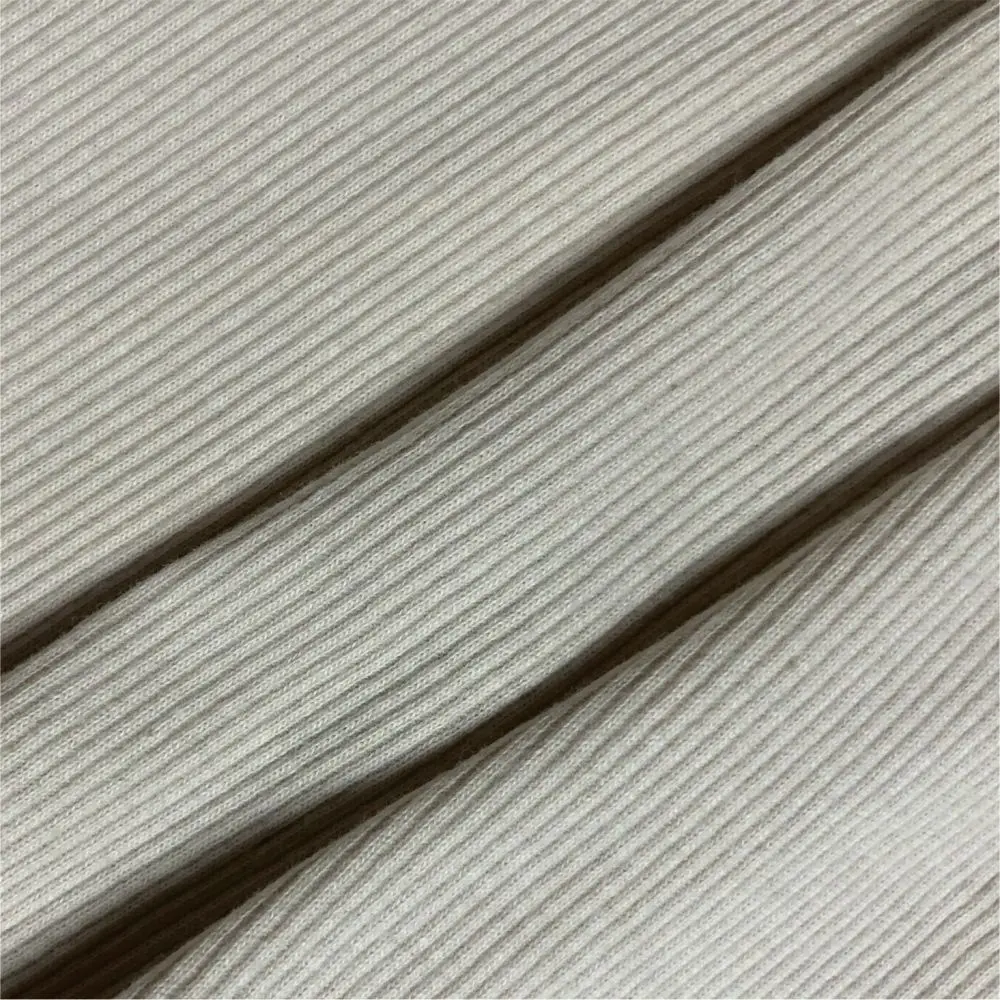
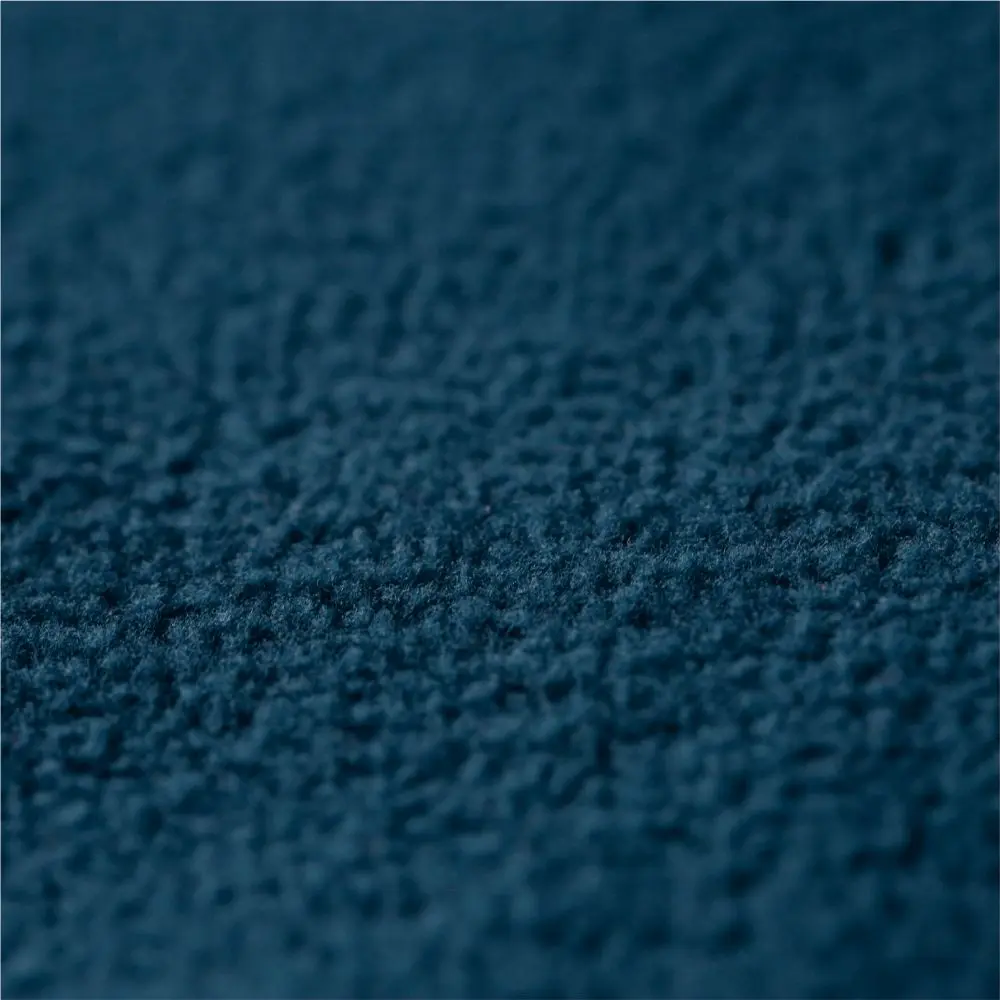
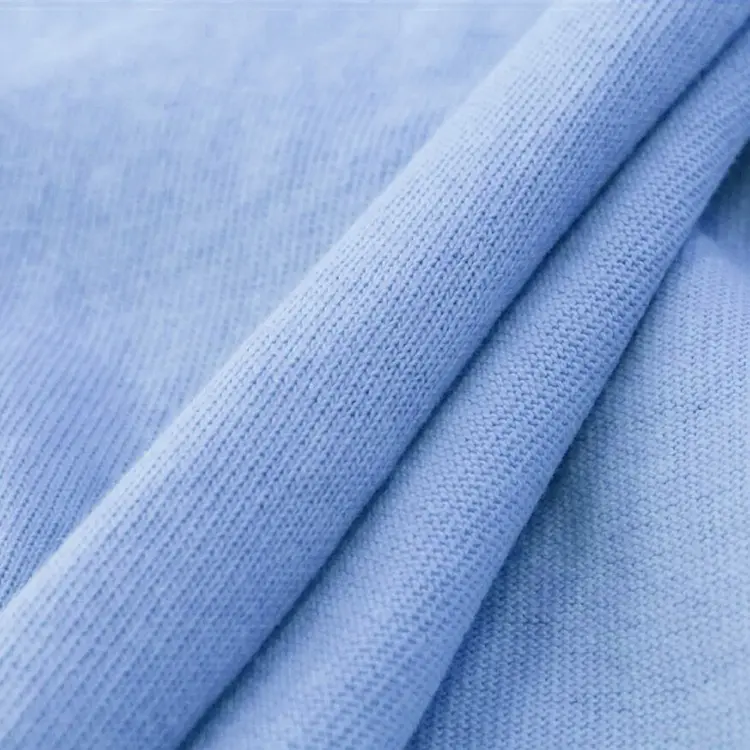
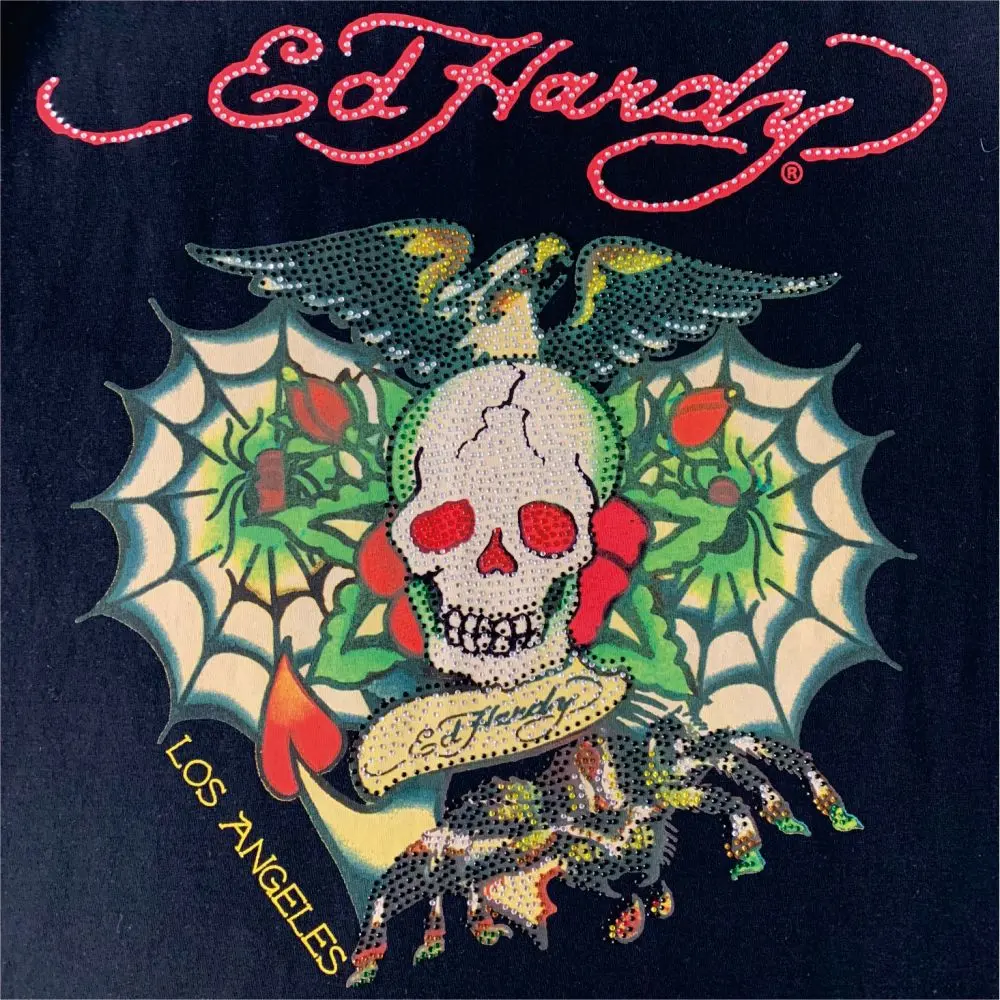
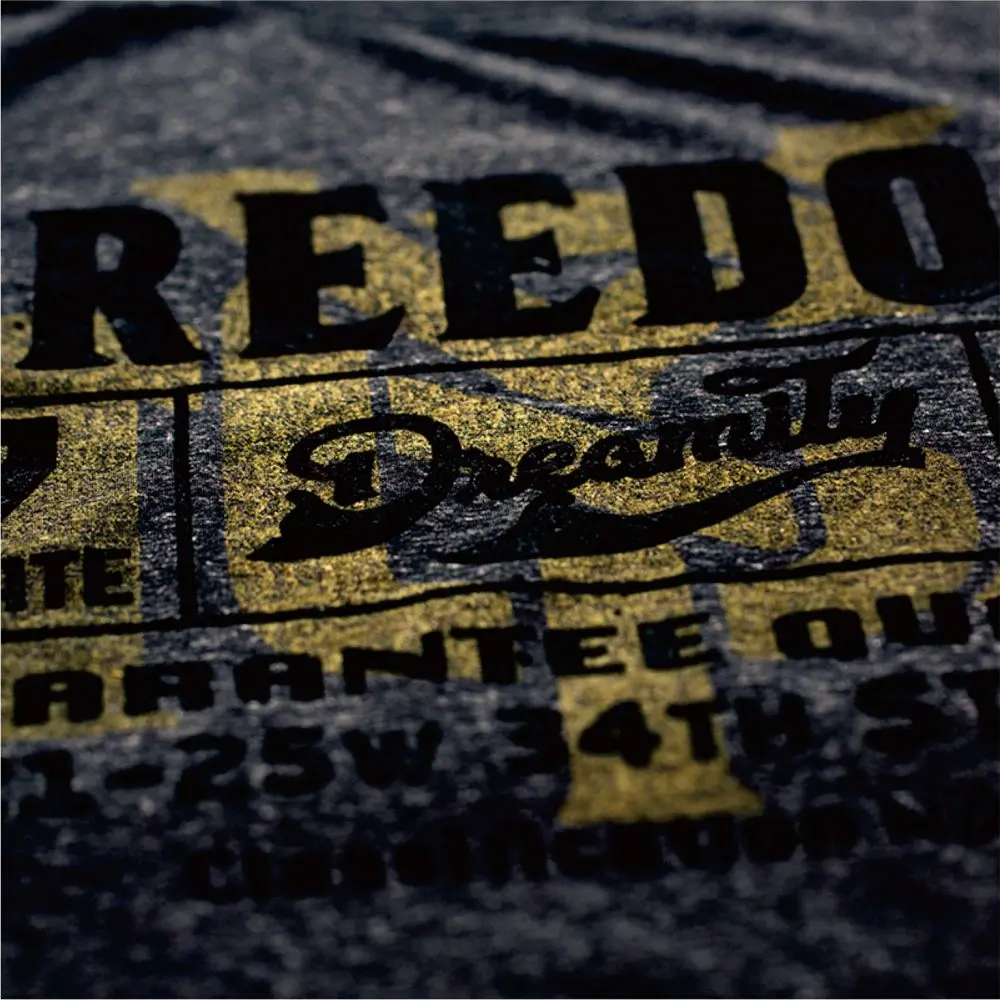
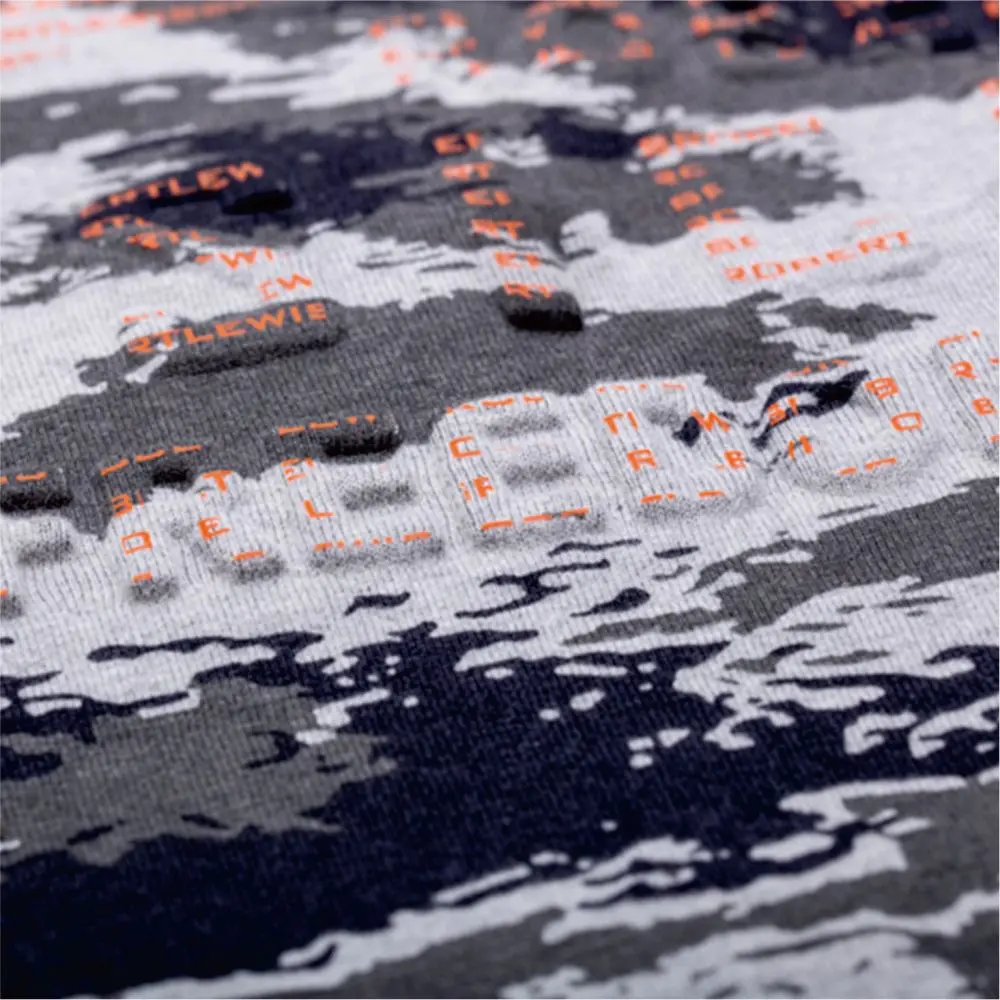
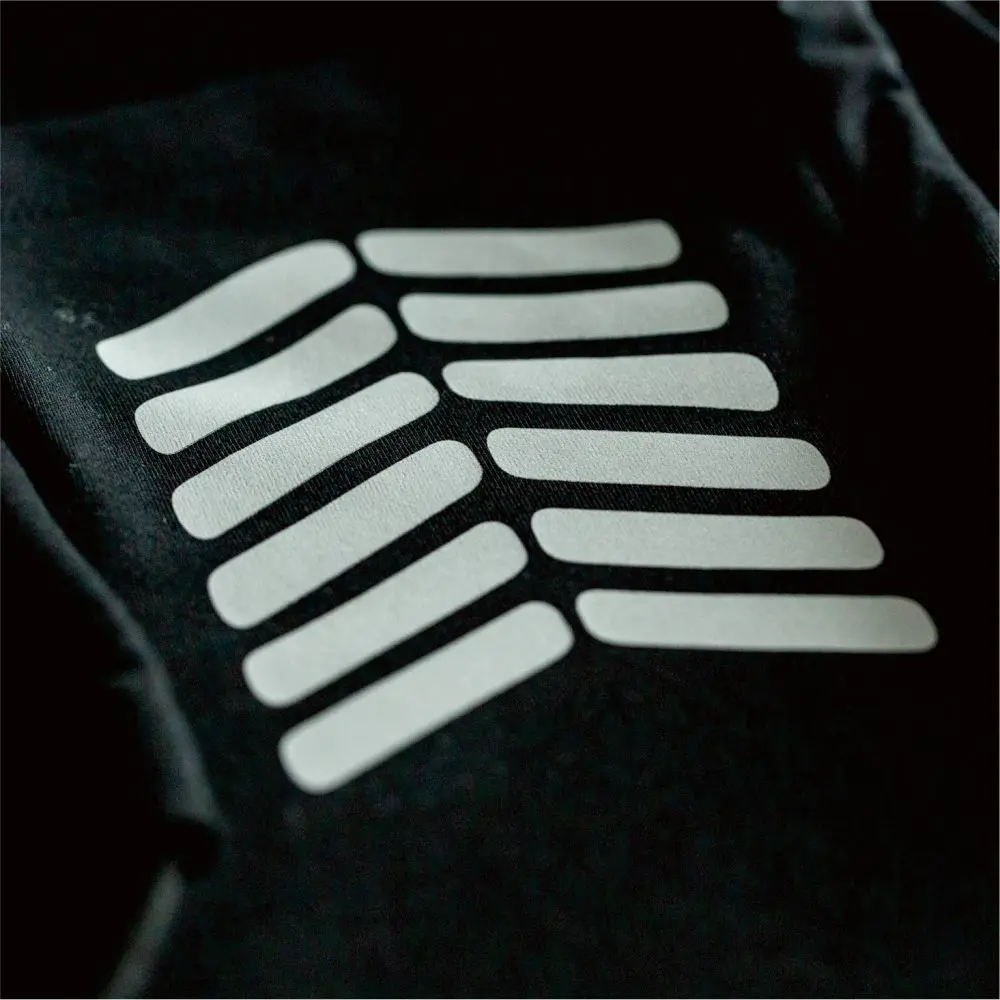
Traditional manufacturing often forces brands into high minimum order quantity (MOQ) commitments that tie up capital and increase inventory risk. At Ningbo Jinmao, we mitigate these risks by integrating shared fabric reserves, modular manufacturing hubs, and multi-track logistics lanes.
MOQ Flexibility: Even when initial orders fall below standard dye-lot minimums, we help customers bypass constraints by offering close matches from our pre-certified eco-fabric inventory.
Technical Design Access: Partnering with pattern teams boasting 20+ years of expertise, we transition raw sketches into 3D patterns and physical samples within 7-14 days.
Eco-Certified Options: Through strategic partnerships, we source Oeko-tex, BCI, GRS-recycled polyester, organic cotton, Australian cotton, and Lenzing Modal to meet strict sustainability guidelines.
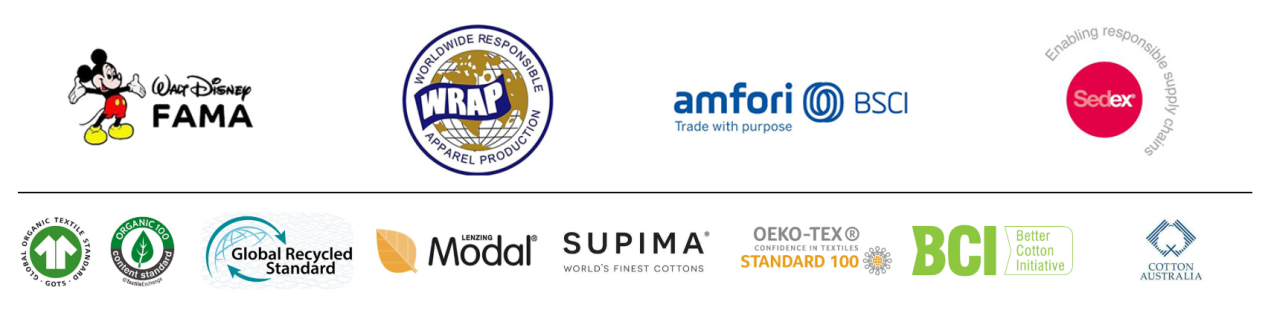
A major indicator of a garment factory's reliability is its long-term brand partnerships. Ningbo Jinmao maintains deep relationships built on mutual benefit, strict quality standards, and consistent execution across changing seasons.






Adapting manufacturing processes to meet changing regulatory and consumer demands for circular fashion.
To reduce sample cycle times, we use digital pattern layout tools. Generating 3D digital assets allows brands to verify dimensions and adjust aesthetic elements online, reducing resource consumption before physical fabrication begins.
Our factories actively source post-consumer recycled nylon and polyester yarns, meeting Global Recycled Standard (GRS) criteria. By transforming discarded plastics and commercial fishing nets into functional activewear fibers, we support environmental protection.
We work to ensure transparency from raw materials to final shipping. Using verified origin certificates for Australian cotton, organic materials, and wood-derived Lenzing fibers, we help brands maintain supply chain compliance in key markets.
Find technical answers regarding minimum order requirements, lead times, trade documents, and quality assurance processes.
Explore our latest technical knit garments and seasonal custom designs.

 Jinmao