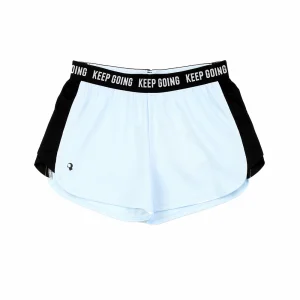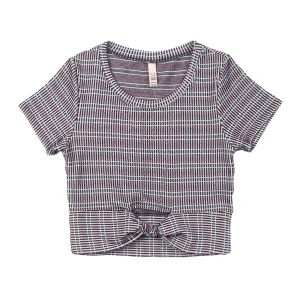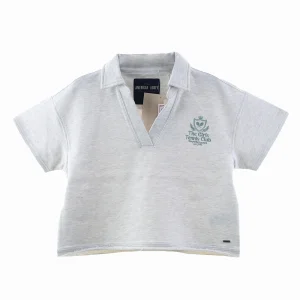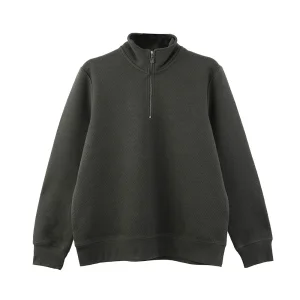
Understanding the raw material science, supply chain logistics, and shifting consumer behavior driving the demand for high-quality ribbed knitwear in the global fashion space.
The global market for ribbed camisoles has undergone a transition from basic underwear to high-utility streetwear and casual athleisure. Market research predicts a robust compound annual growth rate (CAGR) for premium knitwear, driven by requests for comfortable, breathable, and transition-ready garments.
In terms of knitting science, the rib knit structure (1x1, 2x2, or drop-needle) offers superior crosswise elasticity and recovery properties compared to standard single jersey. This architectural composition allows the garment to trace body contours without excessive compression, making it highly preferred for modern lifestyle wardrobes.
Modern sourcing mandates require eco-friendly certifications. Sustainable fibers such as Lenzing Modal, Organic Cotton (GOTS certified), BCI Cotton, and Recycled Polyester (GRS verified) have replaced basic virgin synthetics.
These fibers are blended with elastane (spandex) to lock in elasticity, prevent wash-induced deformation, and enhance tactile softness. By implementing BCI and Oeko-Tex Standard 100 compliance, manufacturers guarantee that the textiles used contain no harmful substances, which aligns with international environmental requirements.
Highly integrated with high-waist joggers or active leggings. Moisture-wicking and structural recovery are primary performance metrics.
Used under structured blazers or cardigans. Fine-gauge rib knits (e.g., 20GG to 24GG) are utilized to achieve a clean profile.
100% traceably sourced natural blends, appealing to conscious consumer demographics in North America and Western Europe.
China remains the premier global hub for apparel production due to its end-to-end industrial ecosystems. Ningbo Jinmao, strategically located in China's major textile heartland, leverages raw material proximity, yarn-spinning mills, and dye houses to optimize delivery schedules and lower landed costs.
Our infrastructure supports high-speed manufacturing: converting raw thread to finished, packaged camisoles in a streamlined sequence. Through continuous investments in automation, automated cutting, and automated sewing systems, we reduce manual errors while keeping production quality consistent across high-volume runs.
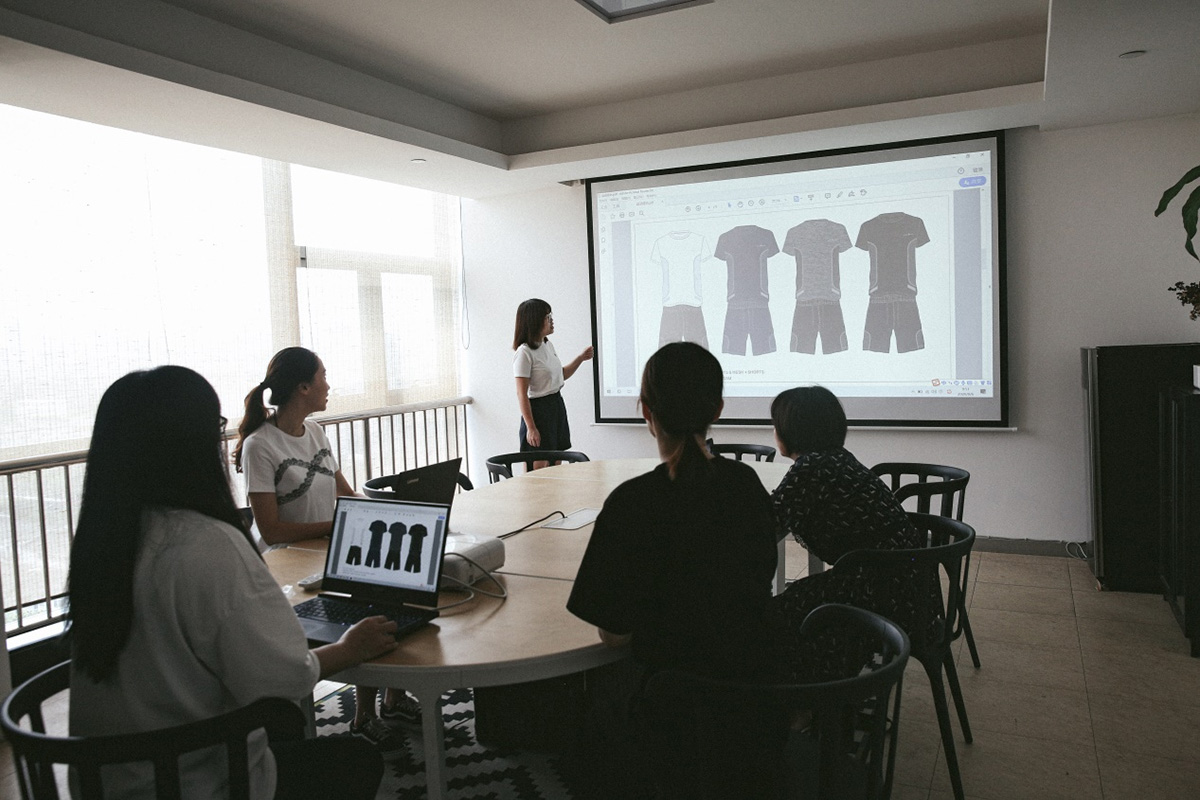
Whether you provide ready-to-print tech packs (OEM) or require concept-to-product design engineering (ODM), we support your product launch sequence.
We operate factories in Jiangxi, Anhui, Henan, and Zhejiang provinces, employing 10,000+ artisans across 100+ production lines. This scale allows us to manufacture complex knitted designs under rigorous quality controls.
We utilize third-party lab testing from standard bureaus such as SGS and BV, certifying fabric properties like weight (GSM), color fastness, dimensional stability, and seam strength.
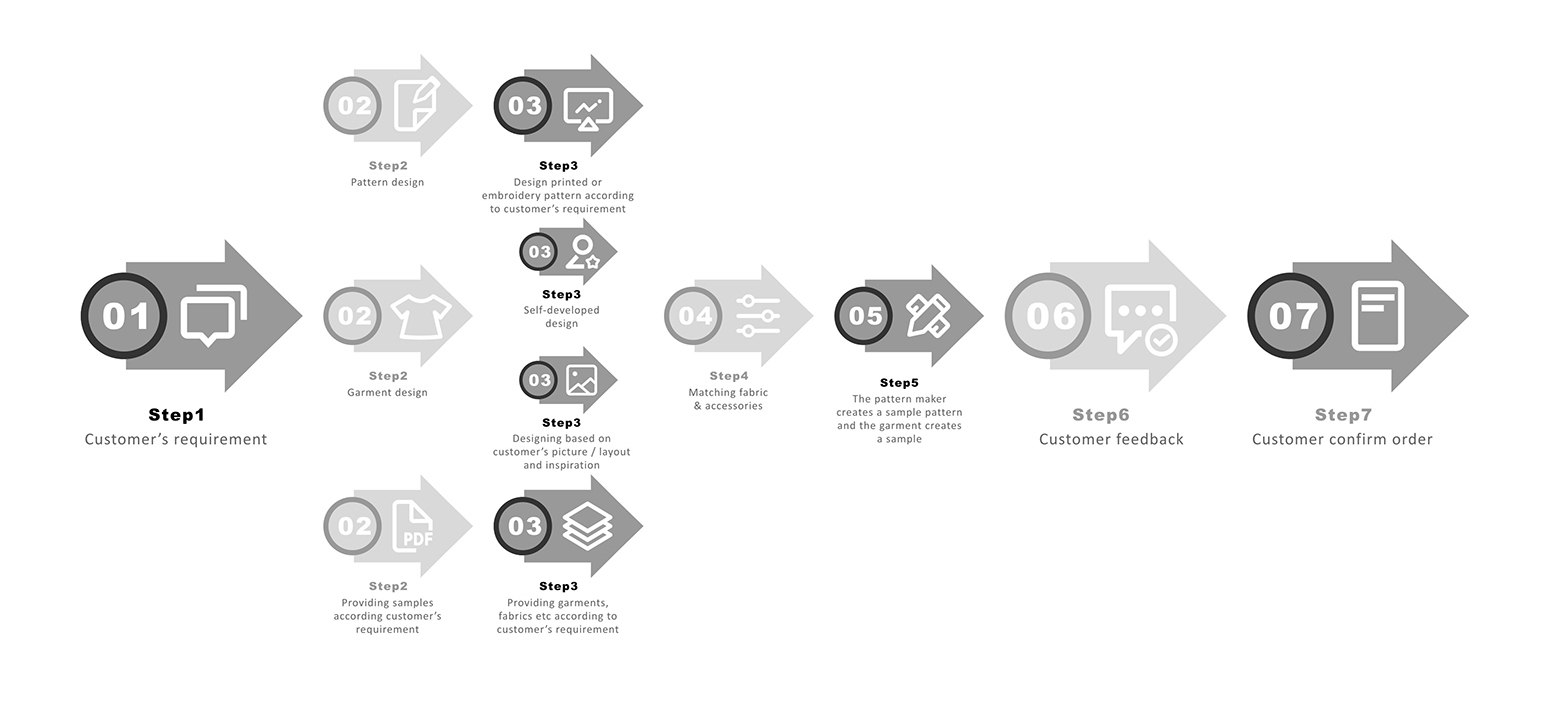
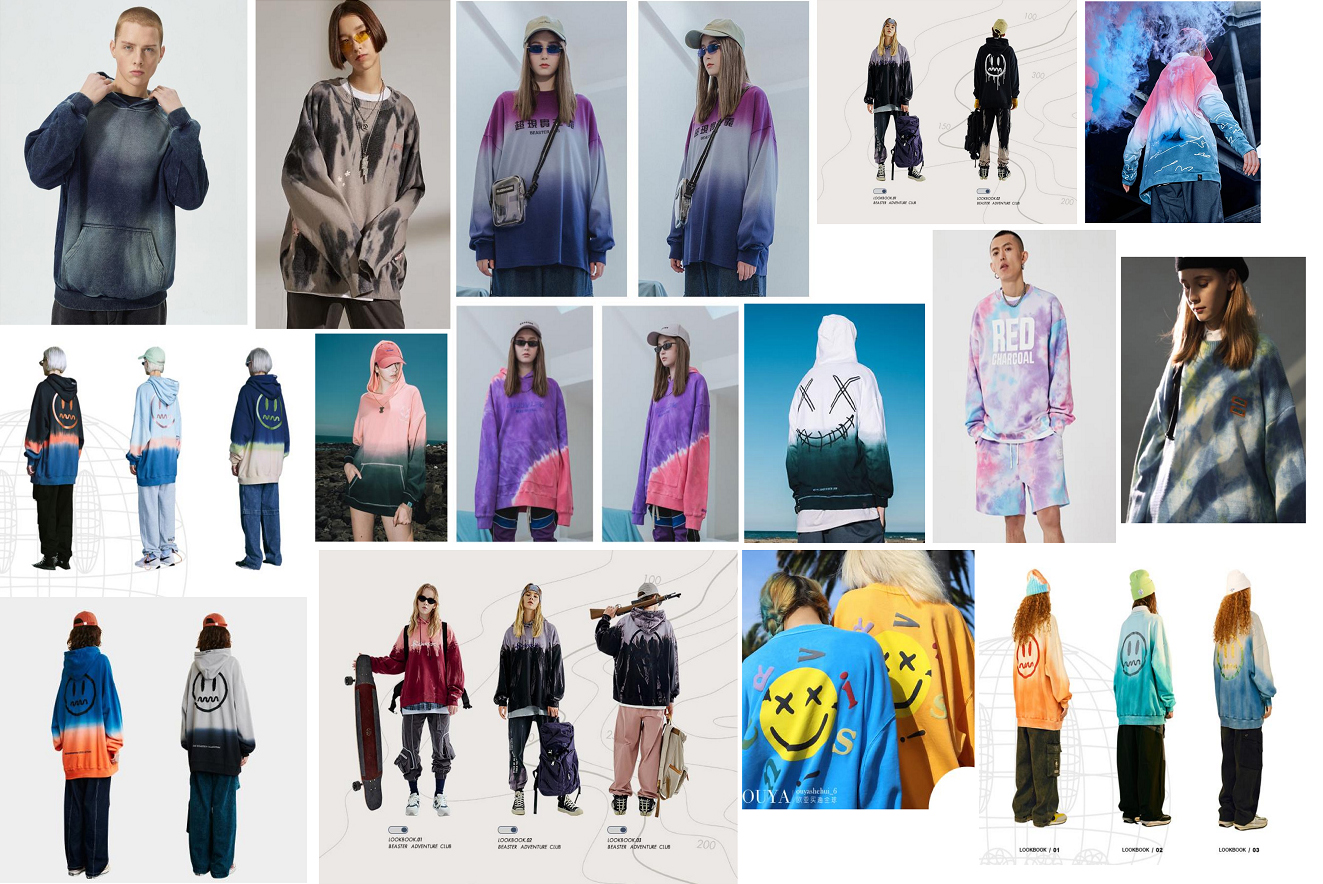
Our design team can transform sketches, reference photos, or concept descriptions into sample garments. Led by pattern makers with an average of 20 years of experience, our sample department helps resolve potential structural challenges before bulk manufacturing begins.
We create paper patterns in 1-3 days and deliver sample garments within 7-14 days.
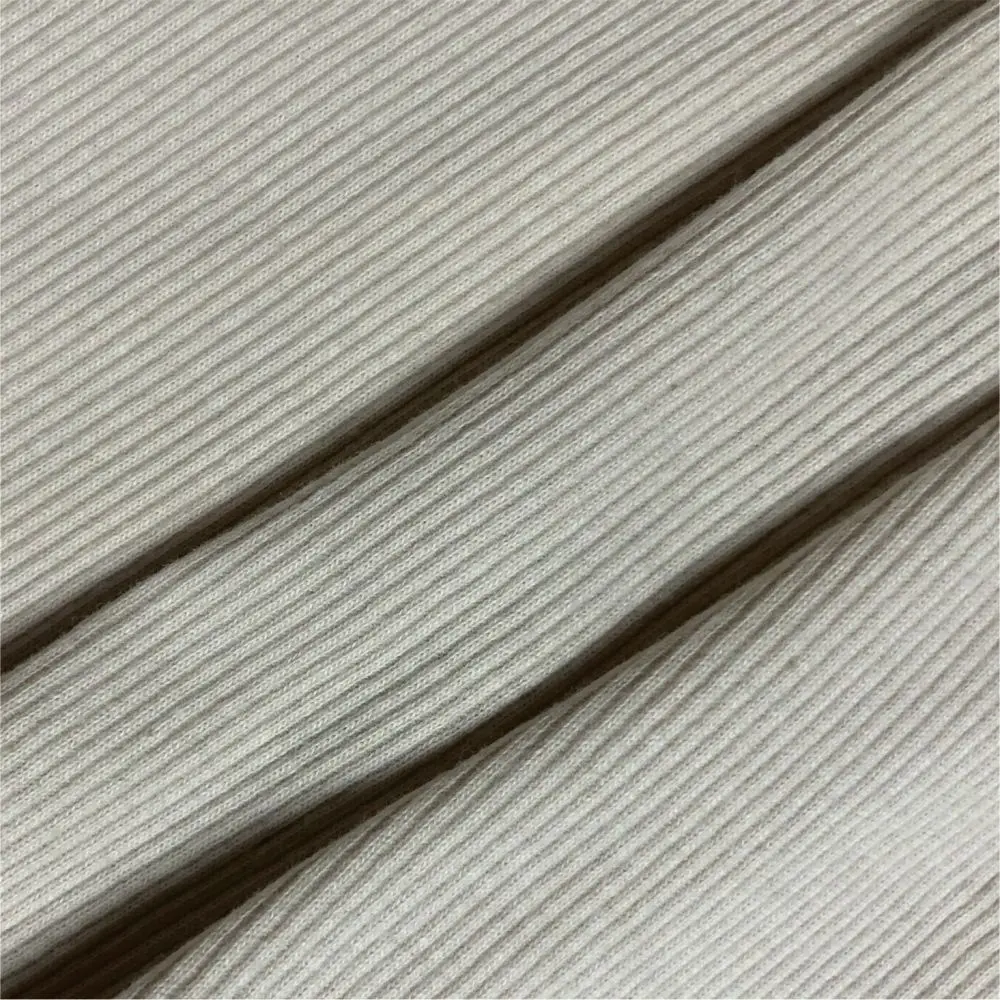
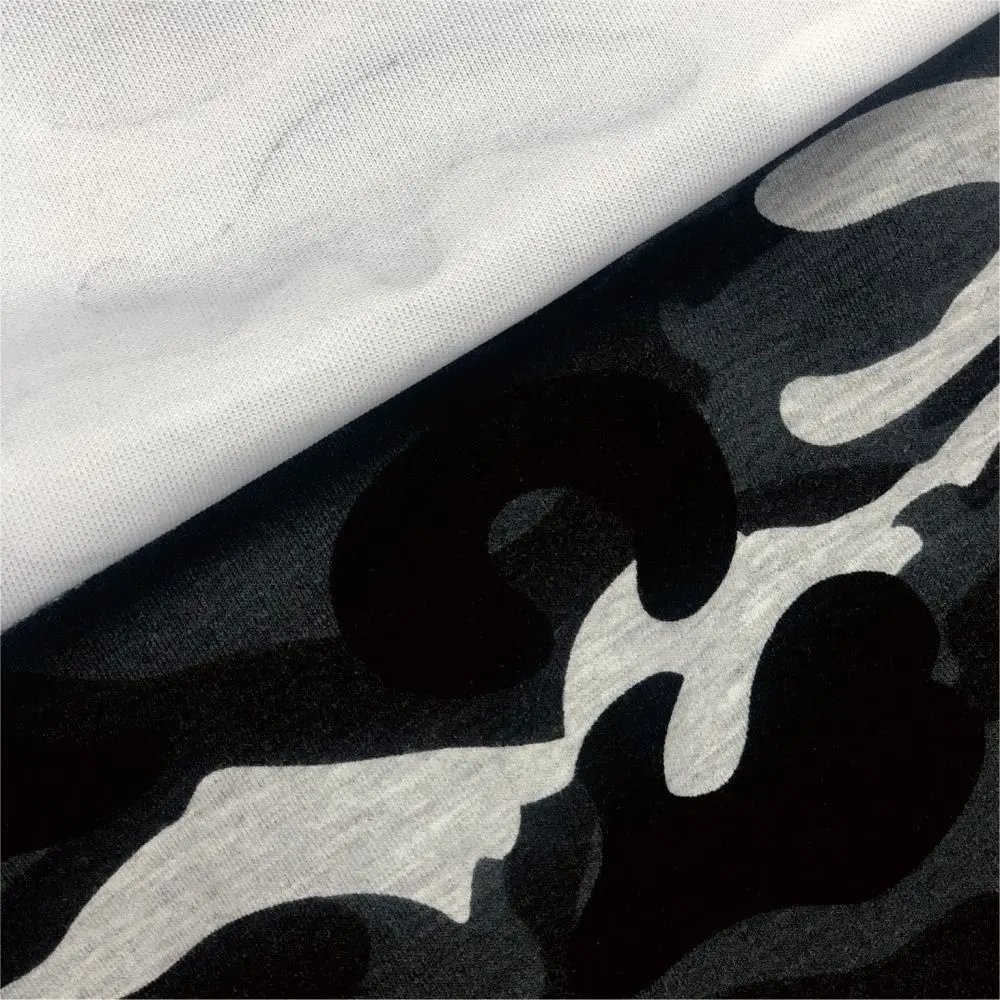
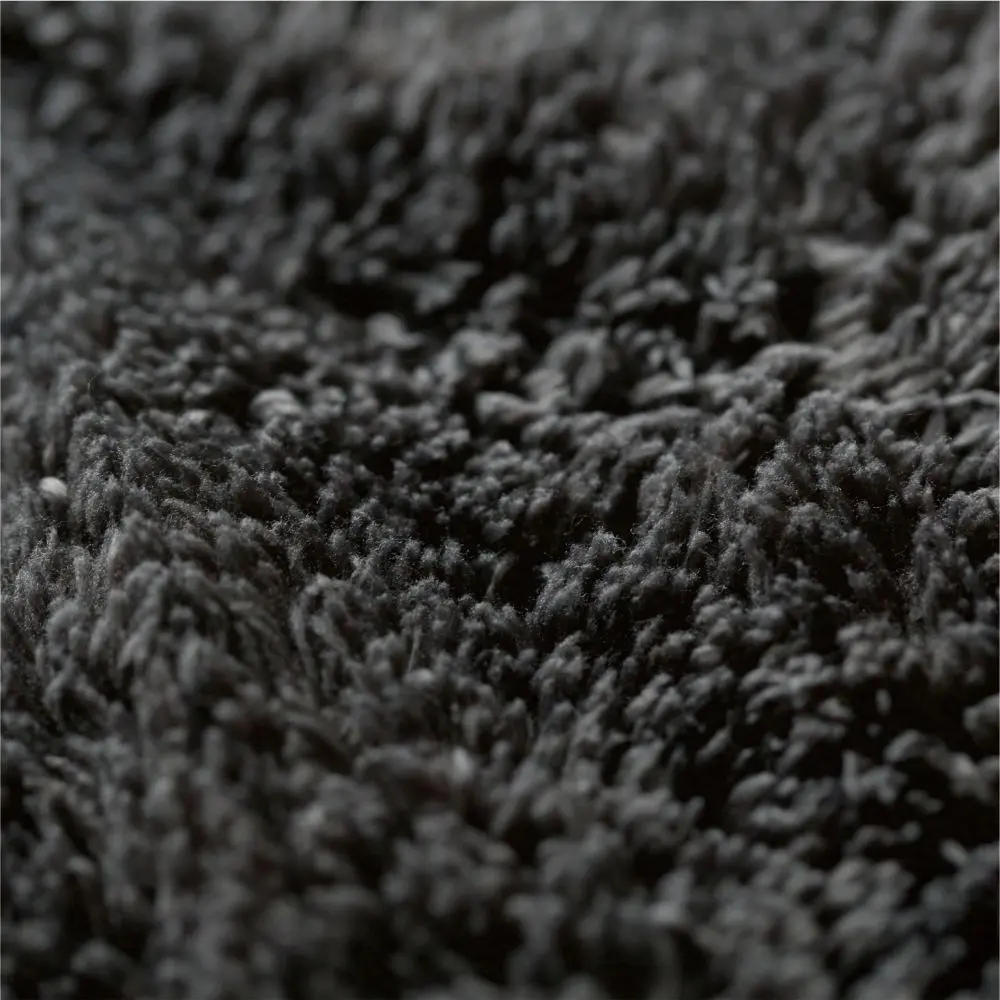
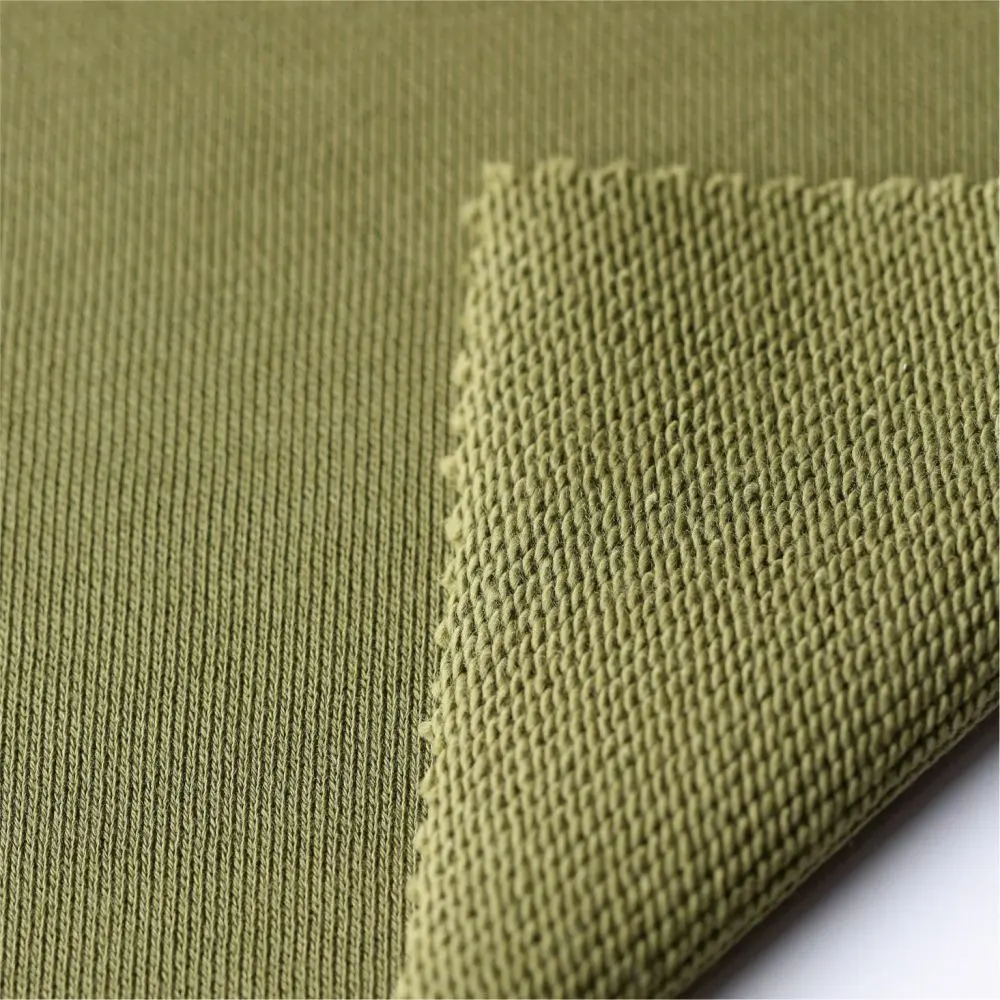
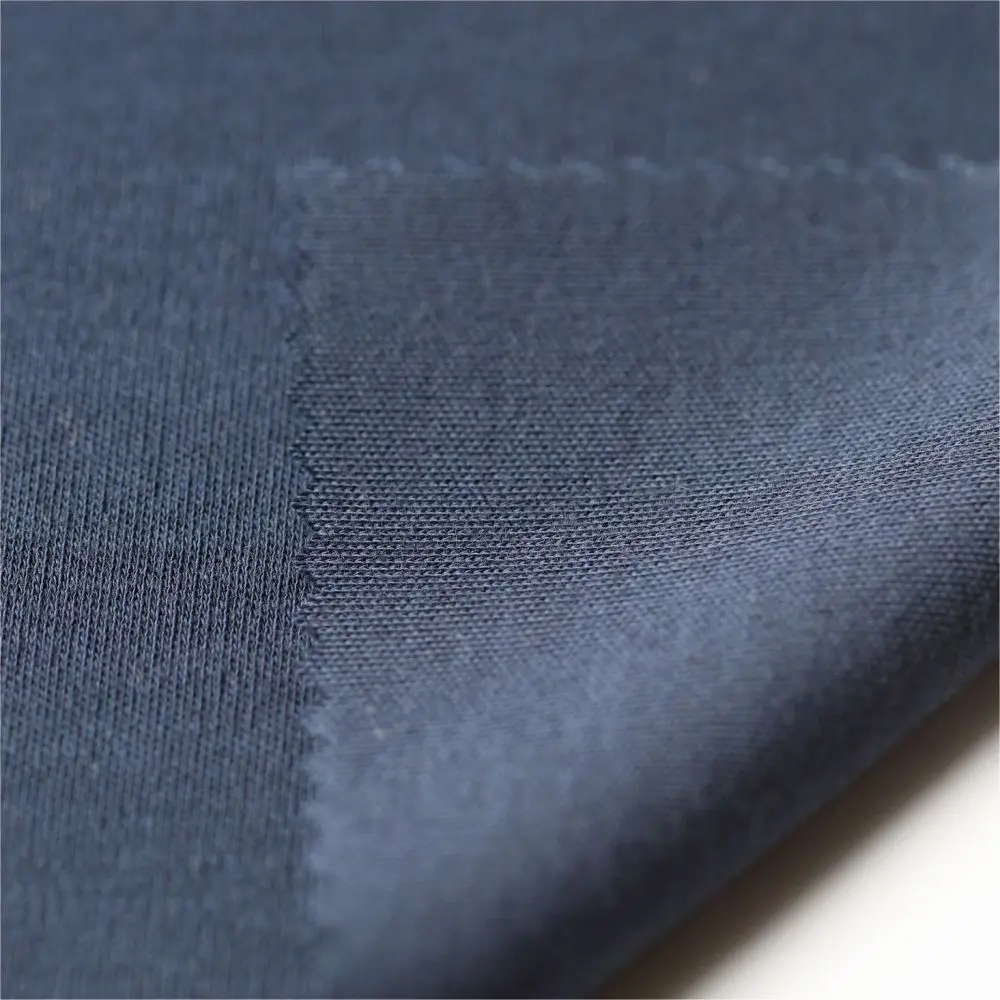
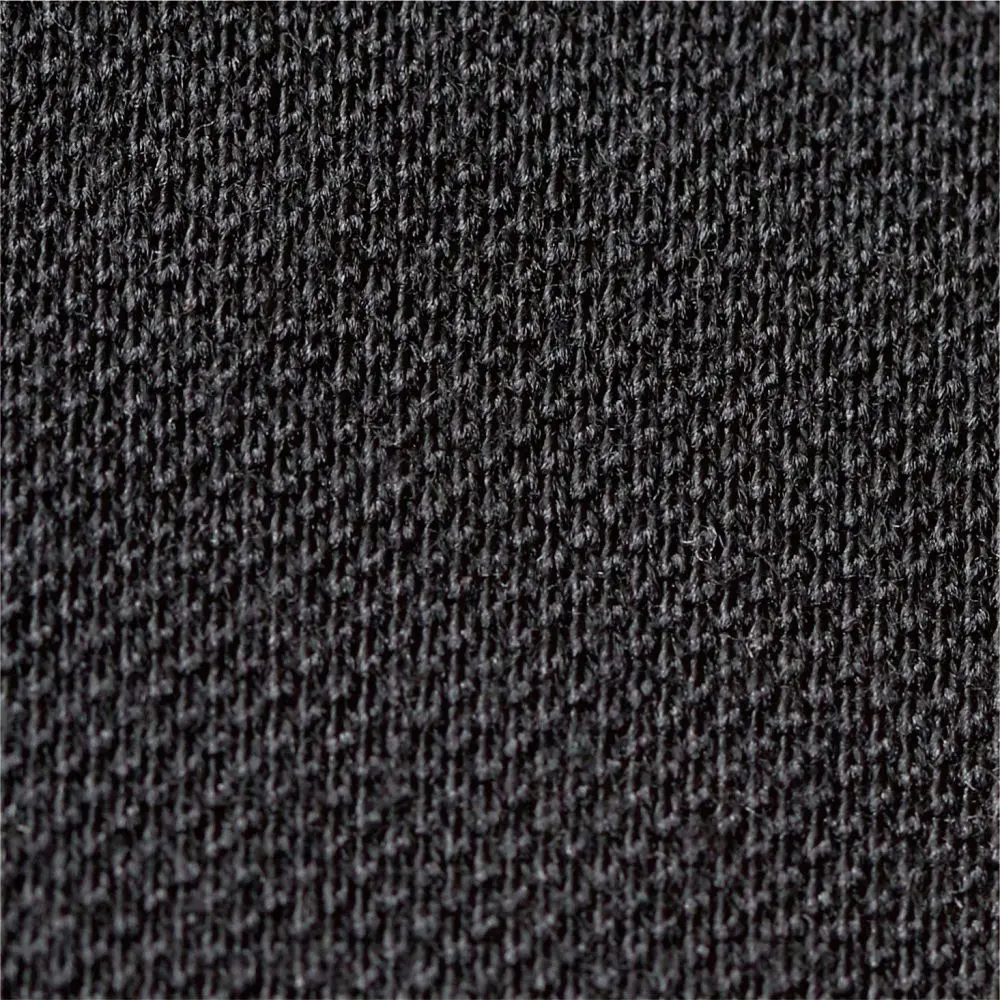
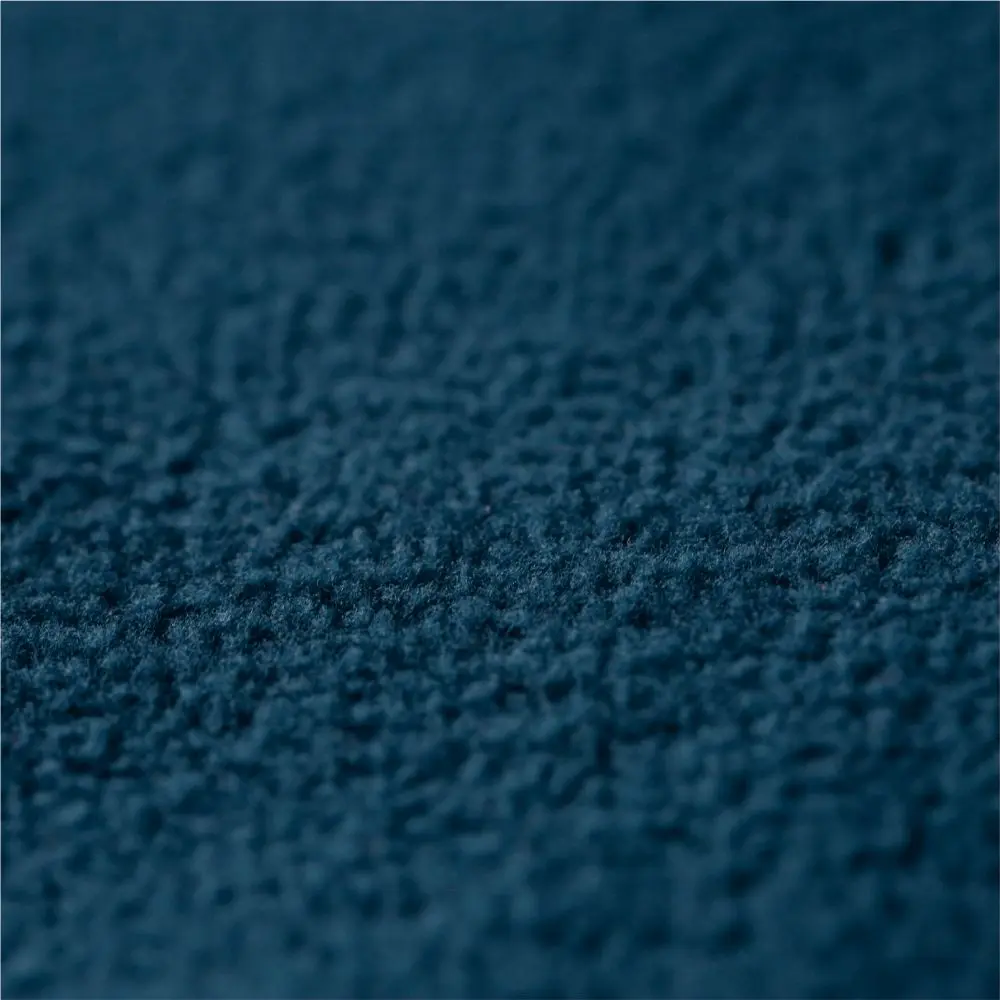
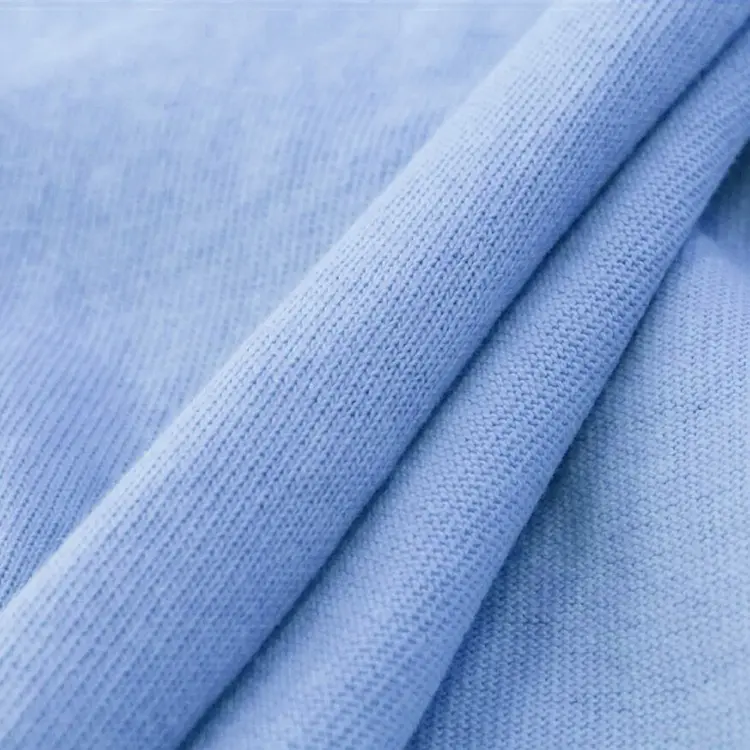
Selecting the appropriate raw material is crucial for apparel performance, hand-feel, and color vibrancy. We offer a diverse selection of high-quality fabrics:
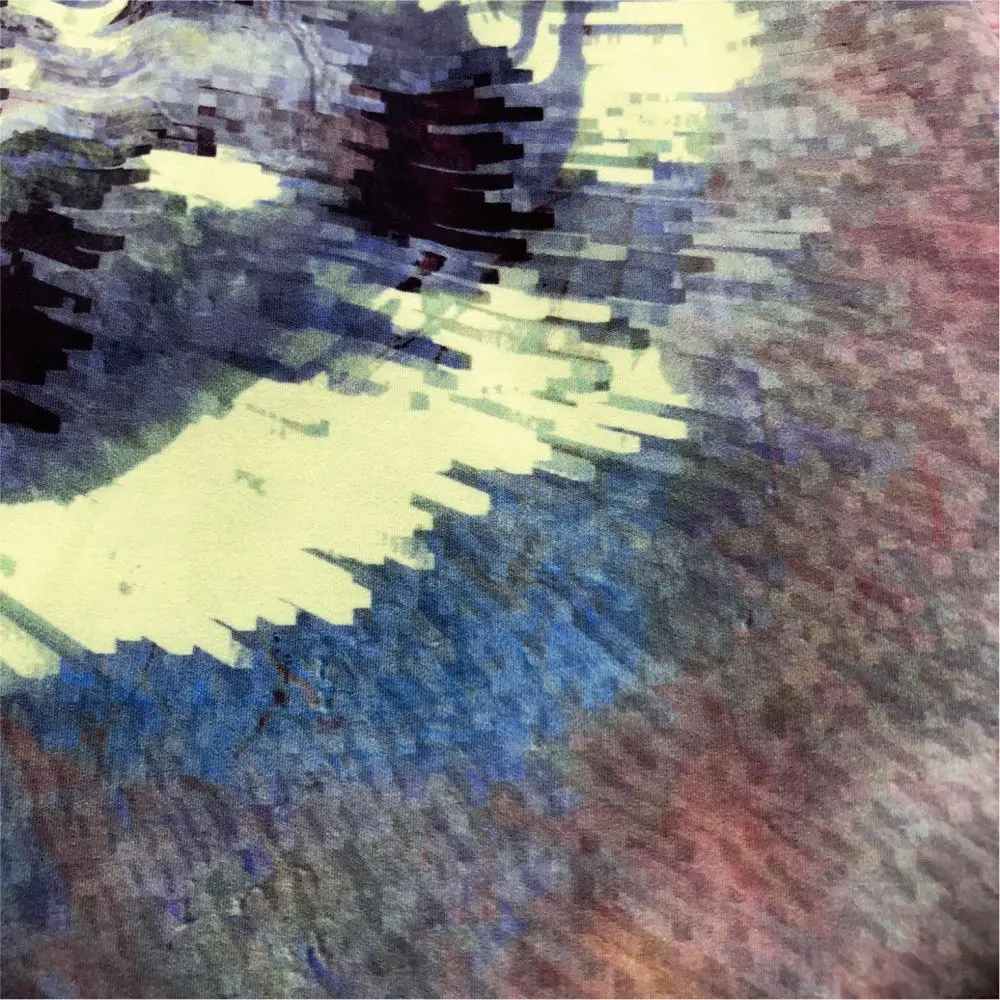
We utilize state-of-the-art garment finishing processes to ensure durable brand expression, wash resistance, and visual appeal:
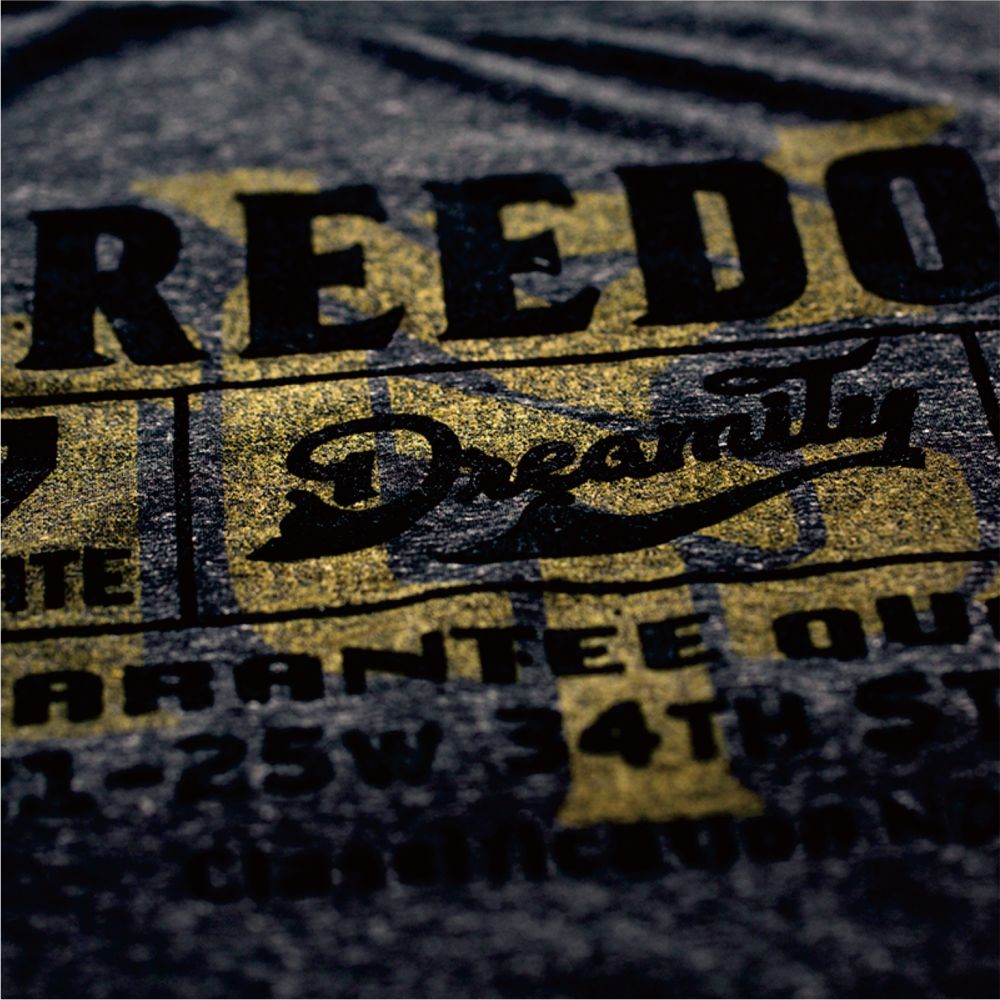
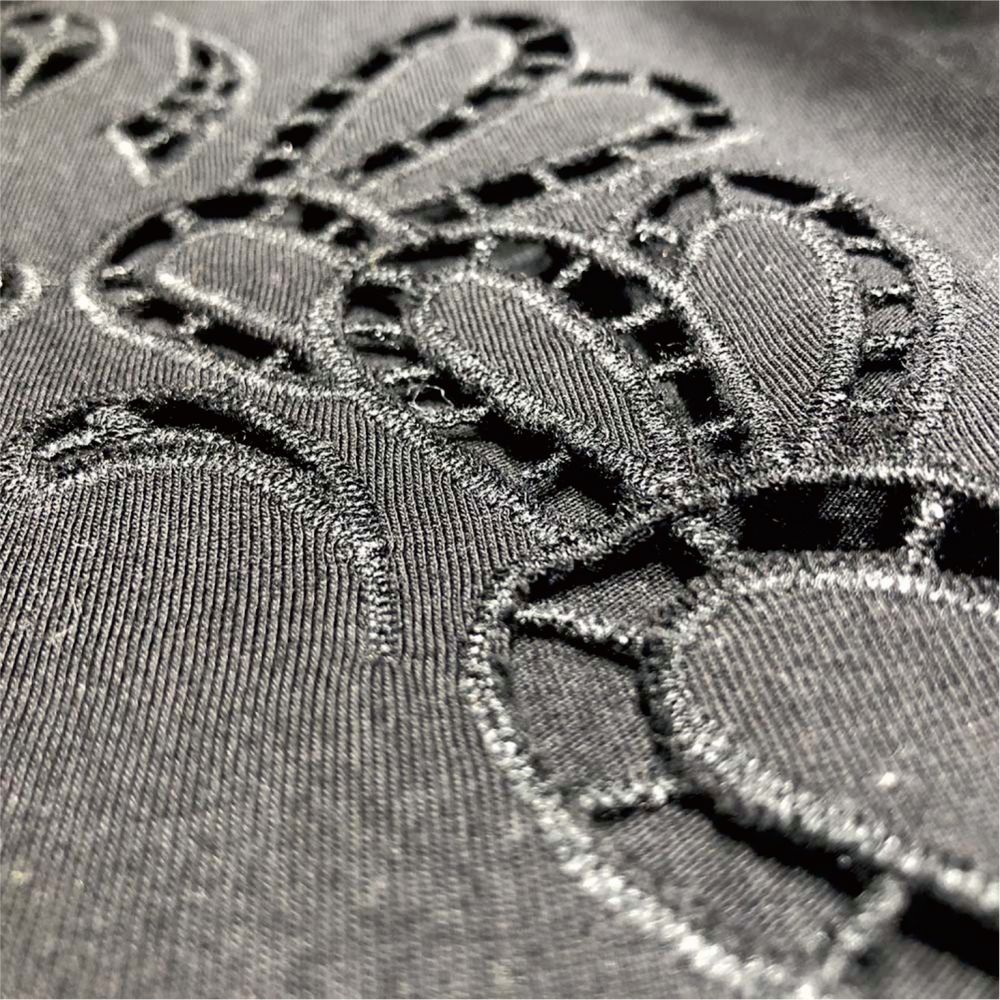
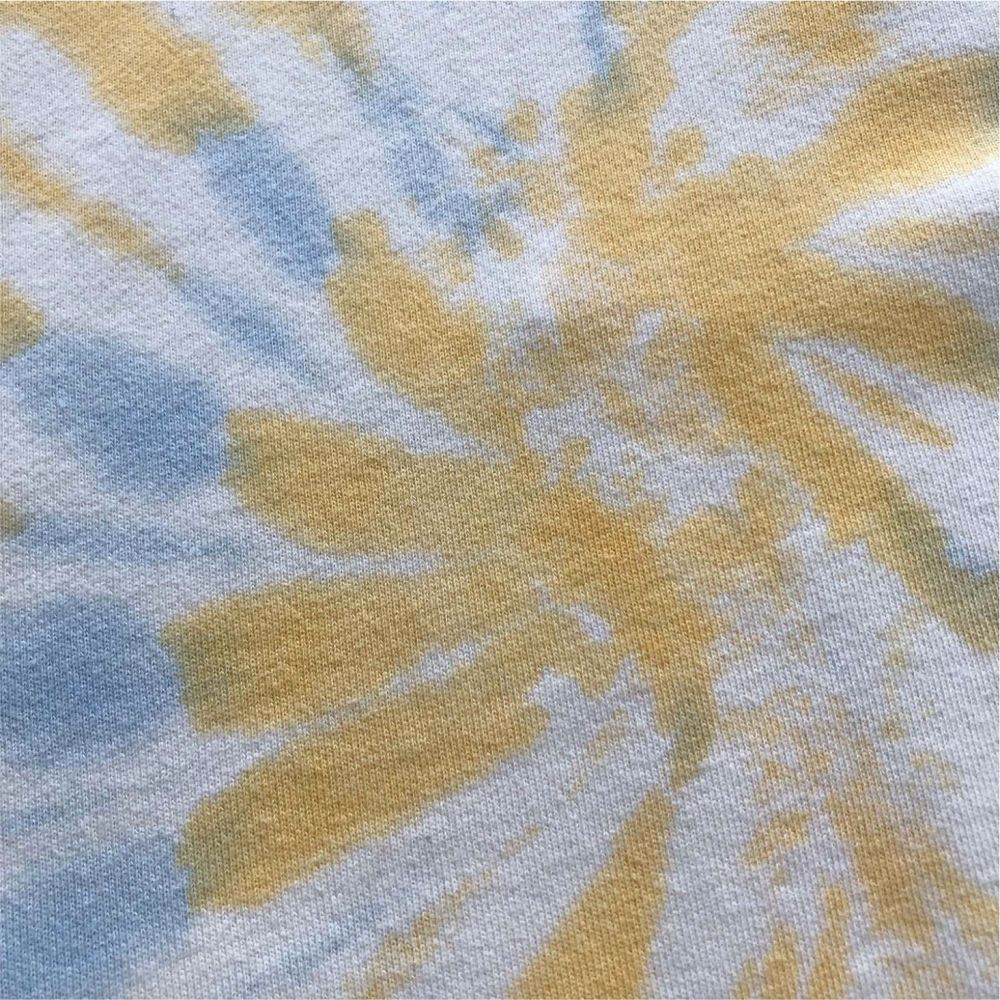
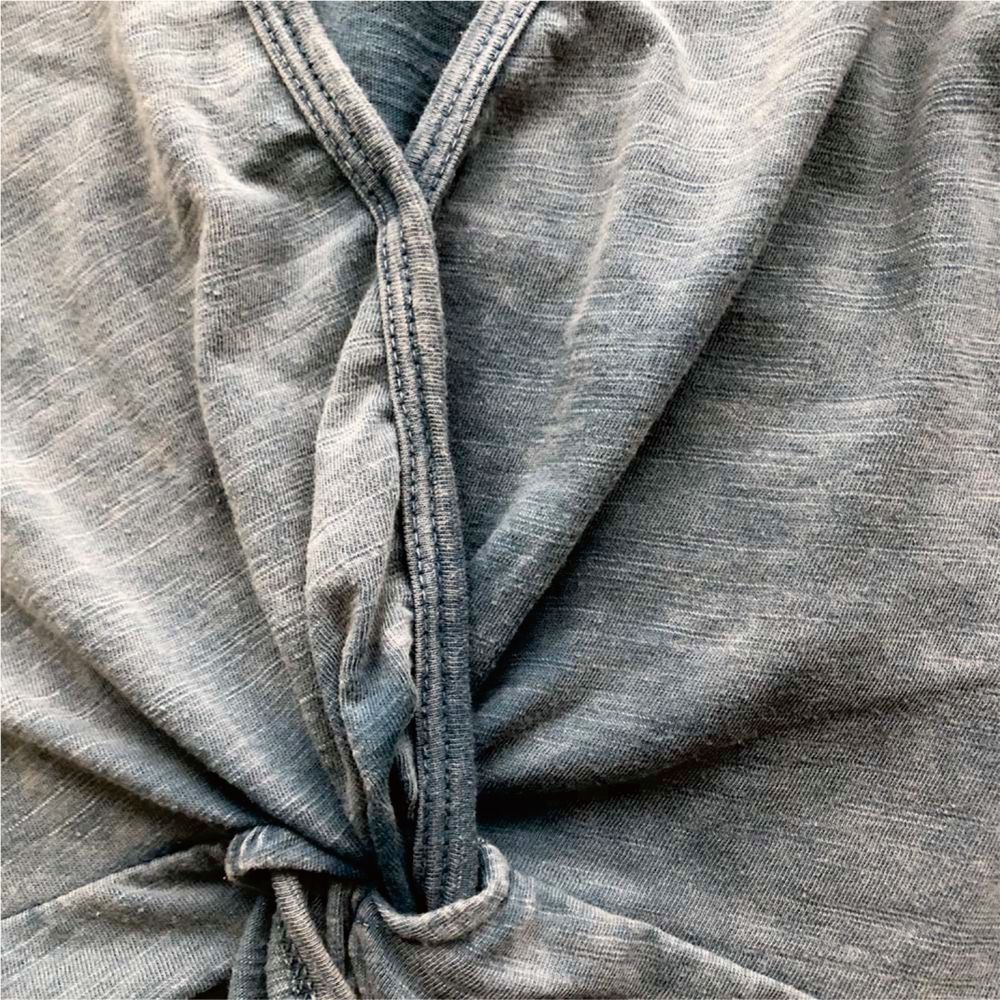
Technological Integration of Textile Decorations
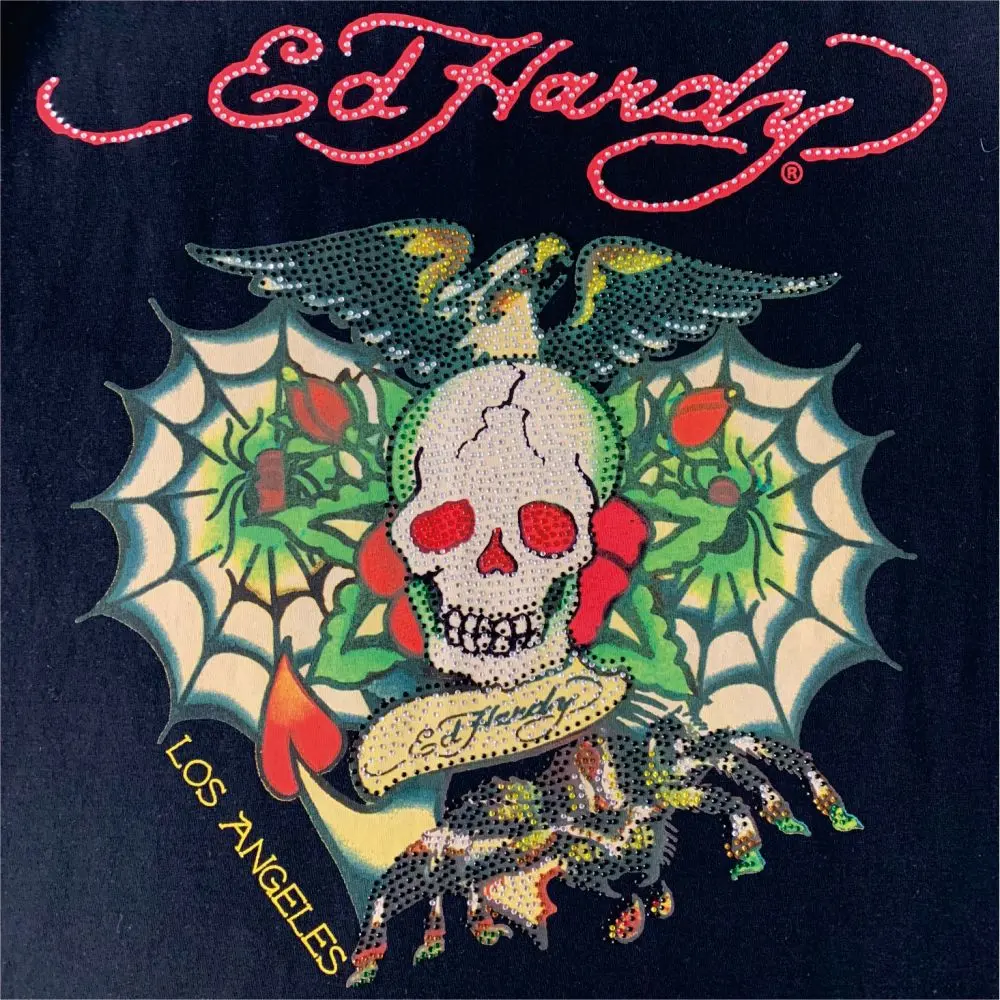
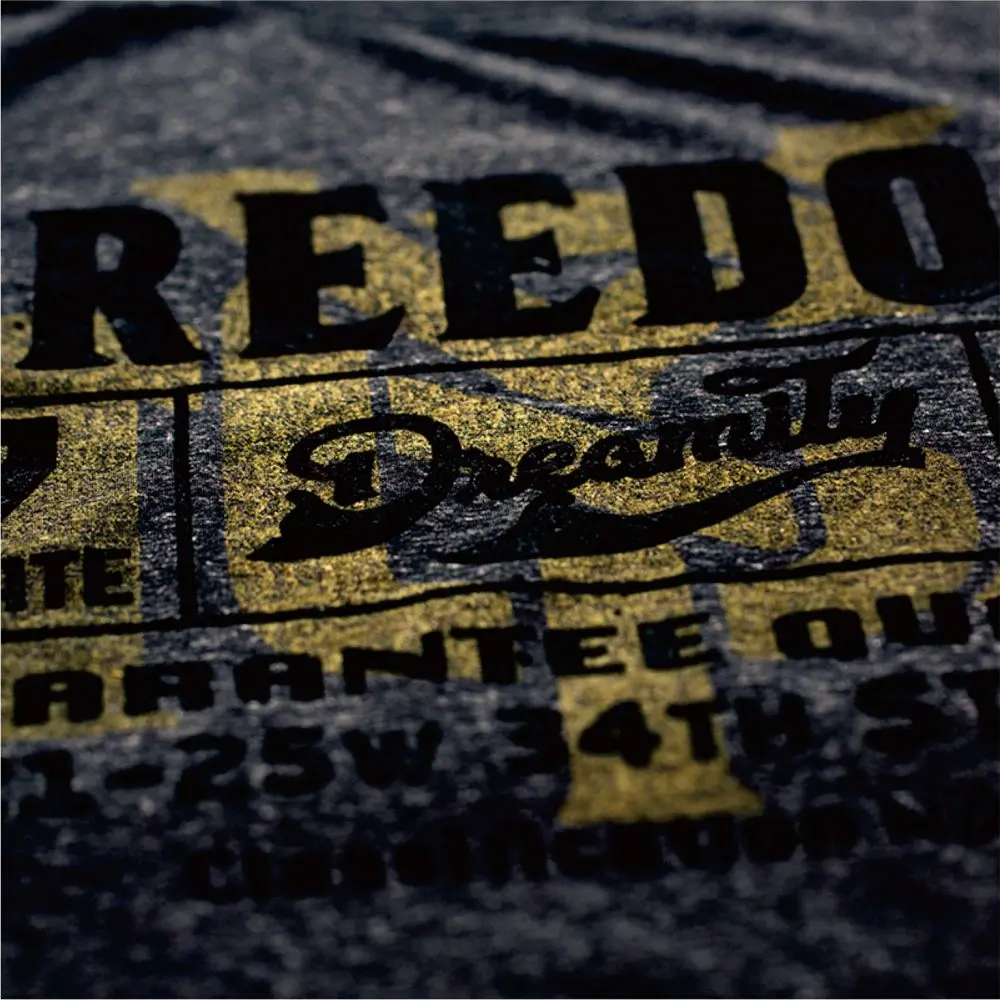
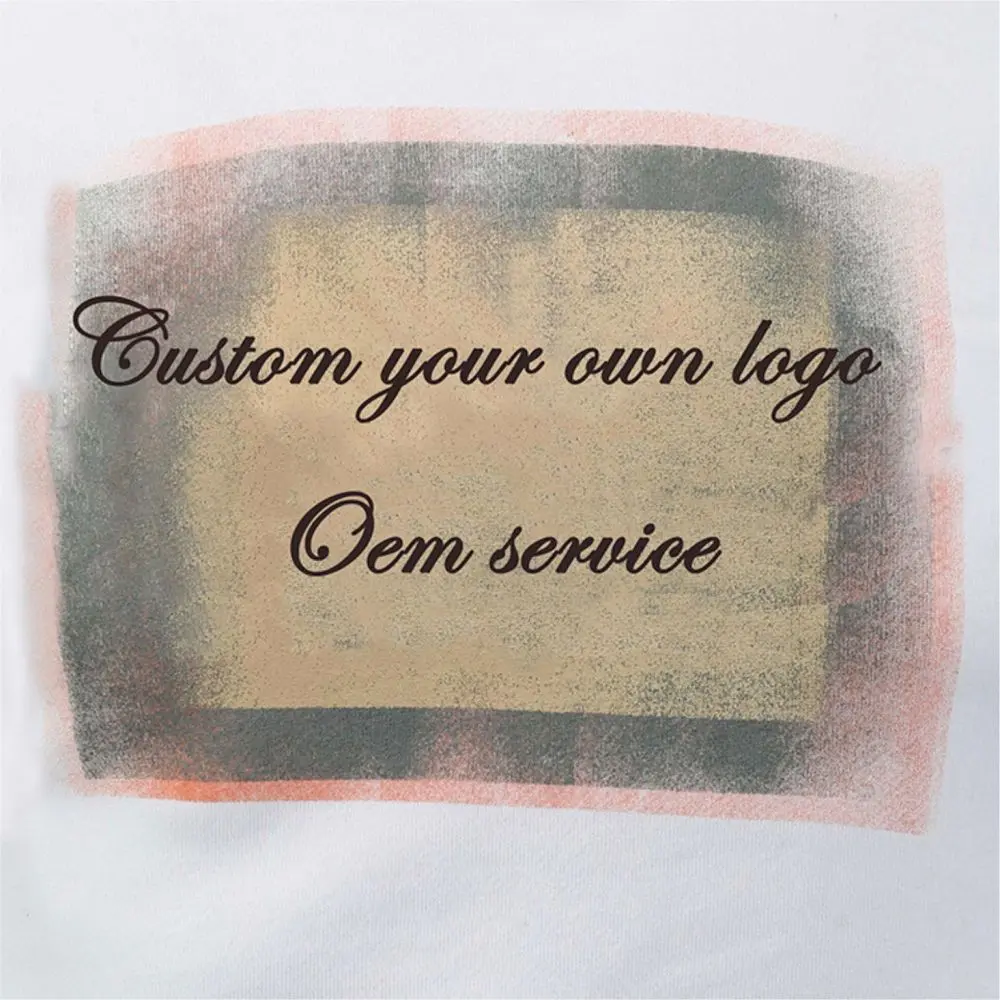
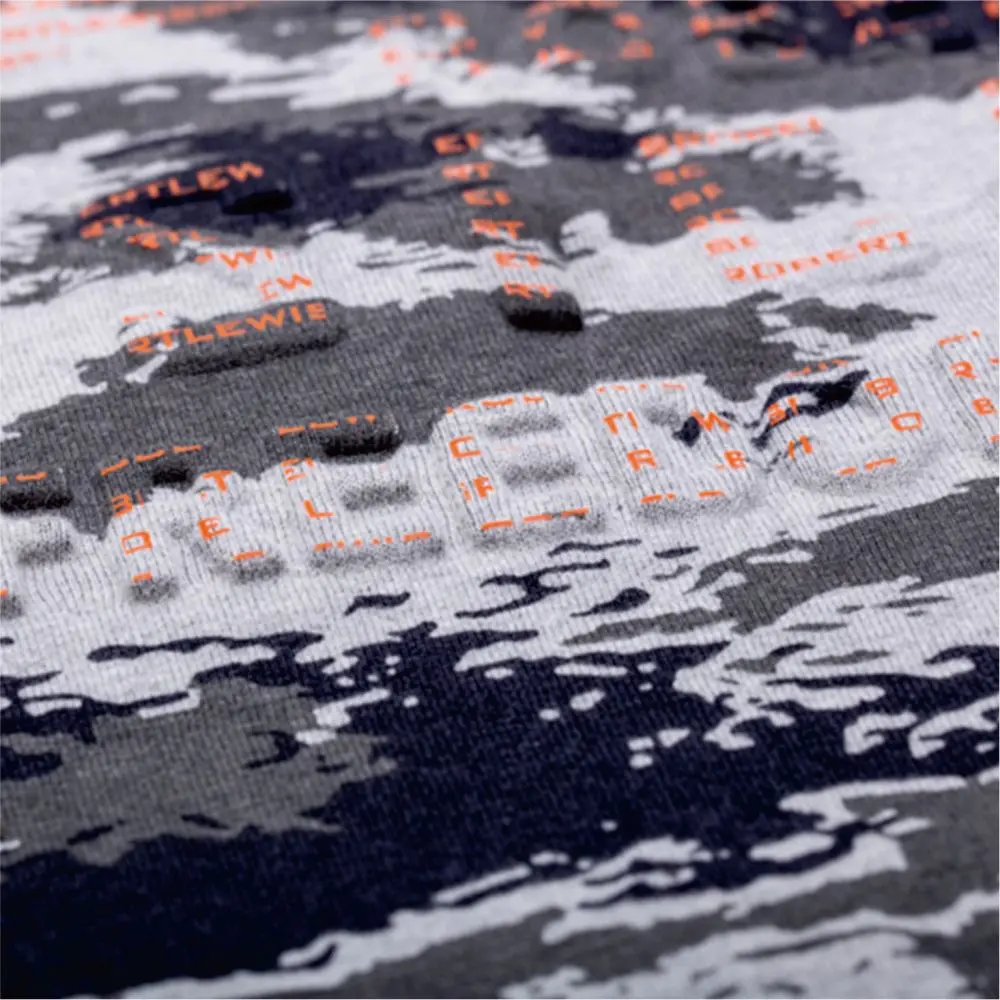
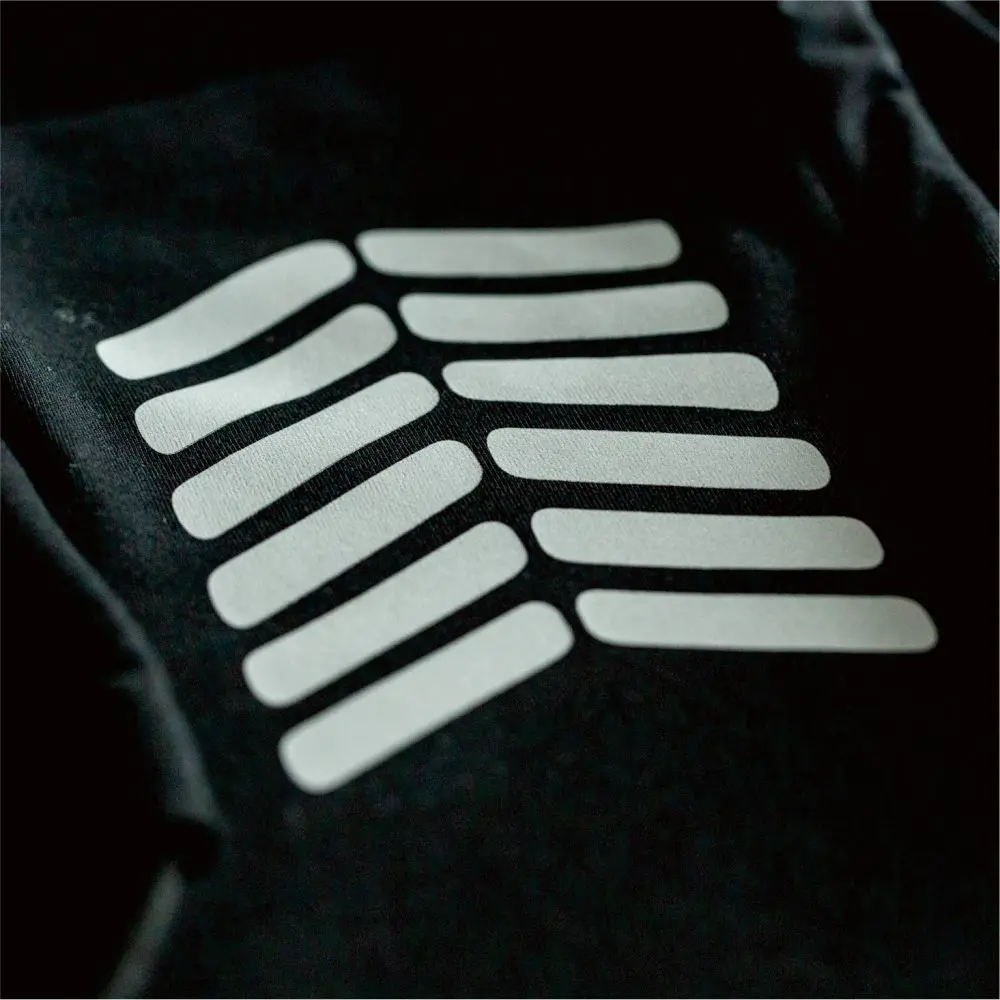
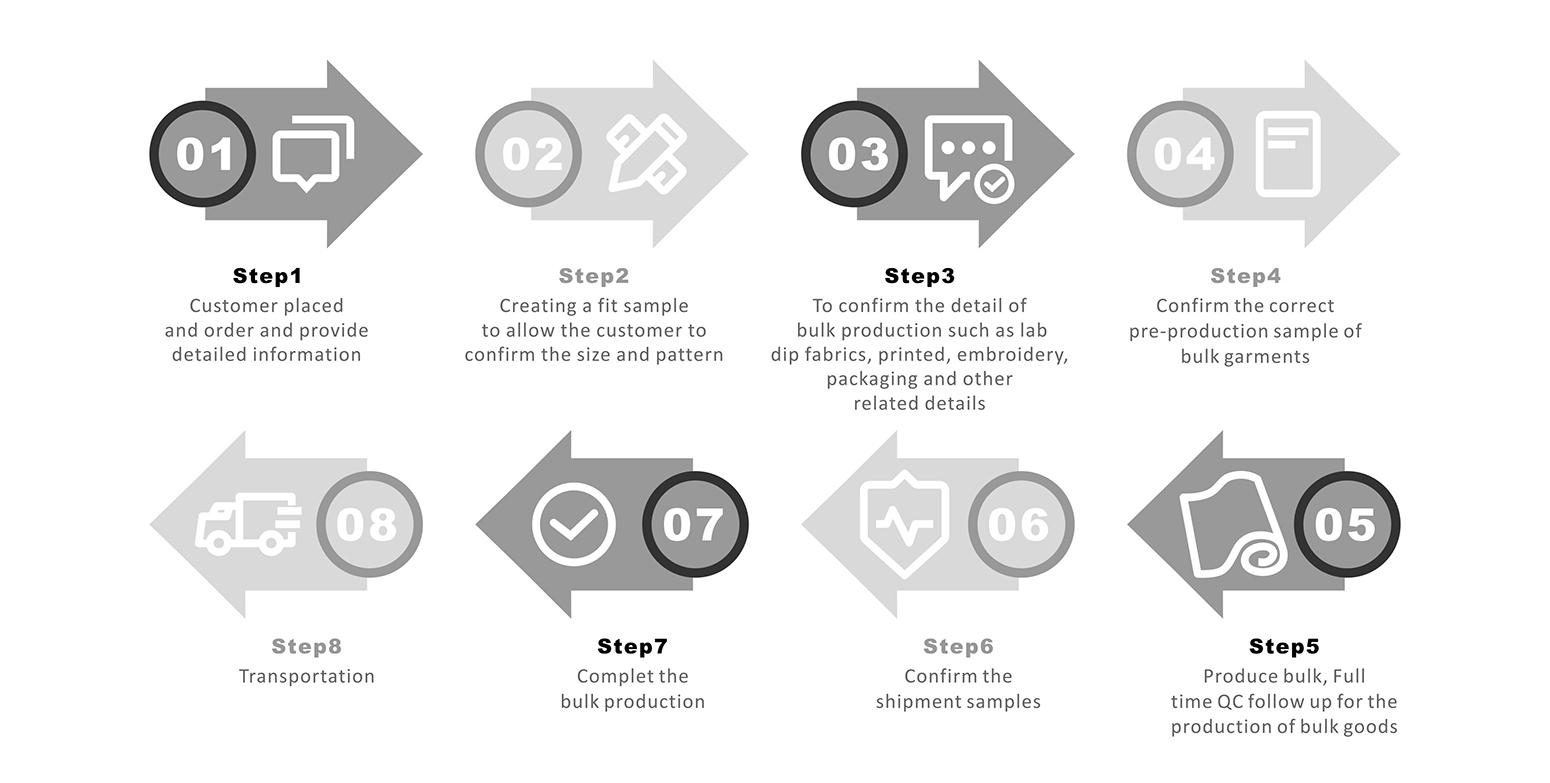
We manage production risk through structured milestone gates, ensuring that the bulk goods match the pre-approved sample specifications.
Prototype constructed using specified fabrics to confirm pattern geometry and fit metrics.
Confirm final details, including yarn dyes, print files, trim cards, and custom packaging layouts.
Before bulk cutting begins, a final pre-production sample is created for customer approval.
Full-time quality control monitors all manufacturing stages to verify product consistency.
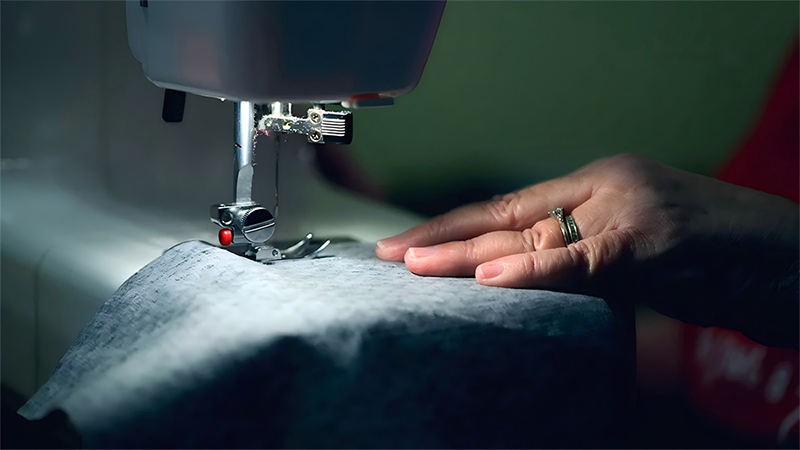
Pattern Adjustment & Size Grading
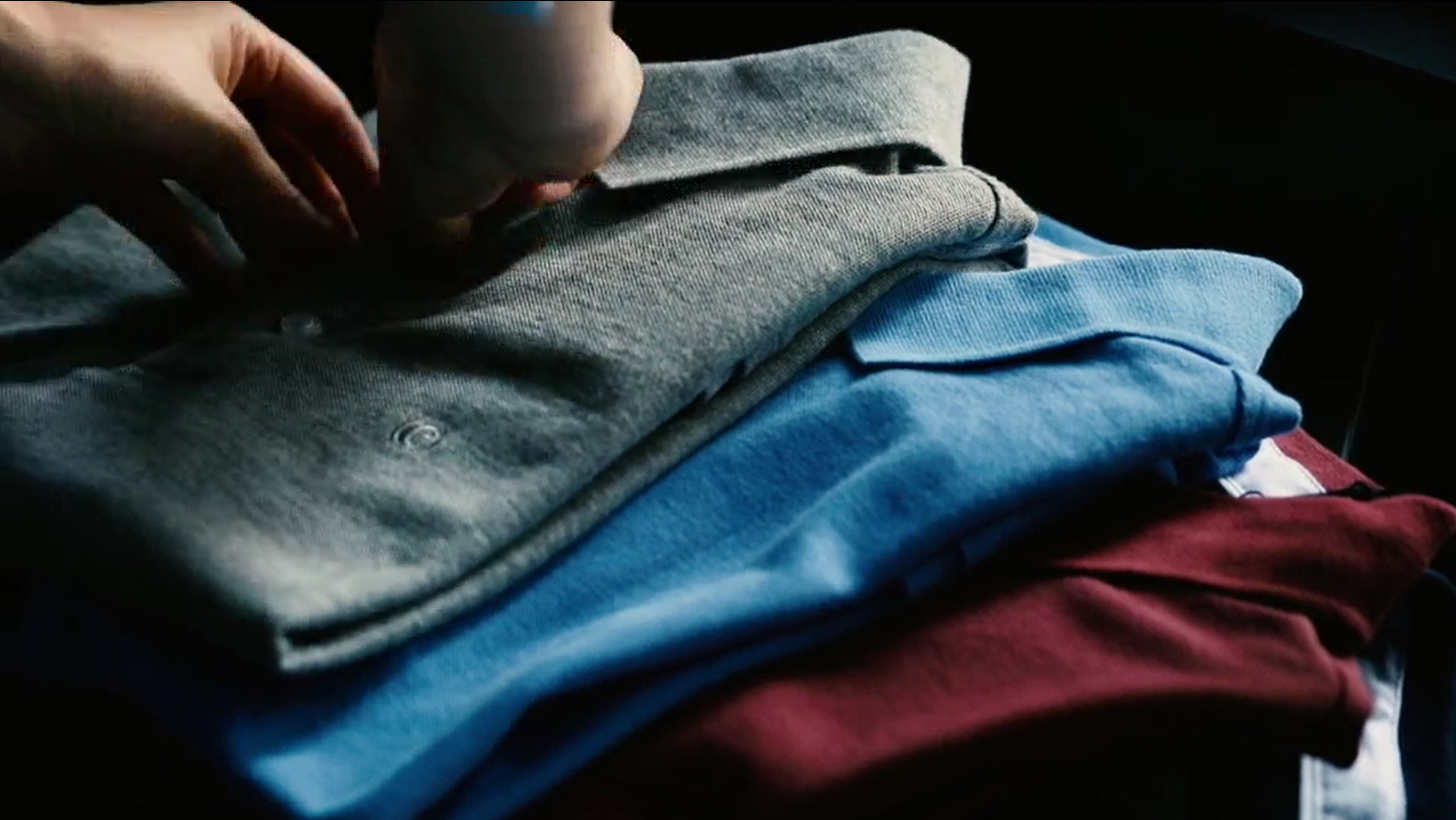
Pre-production Sample Verification
Pre-production Material Testing

Spectrophotometer Color Verification
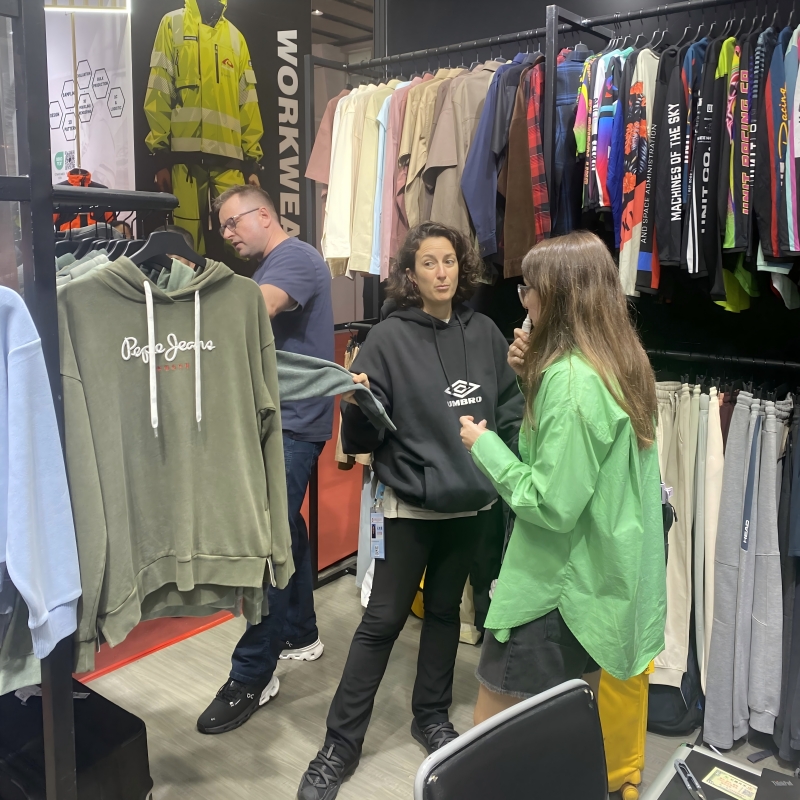
Print Registration & Testing
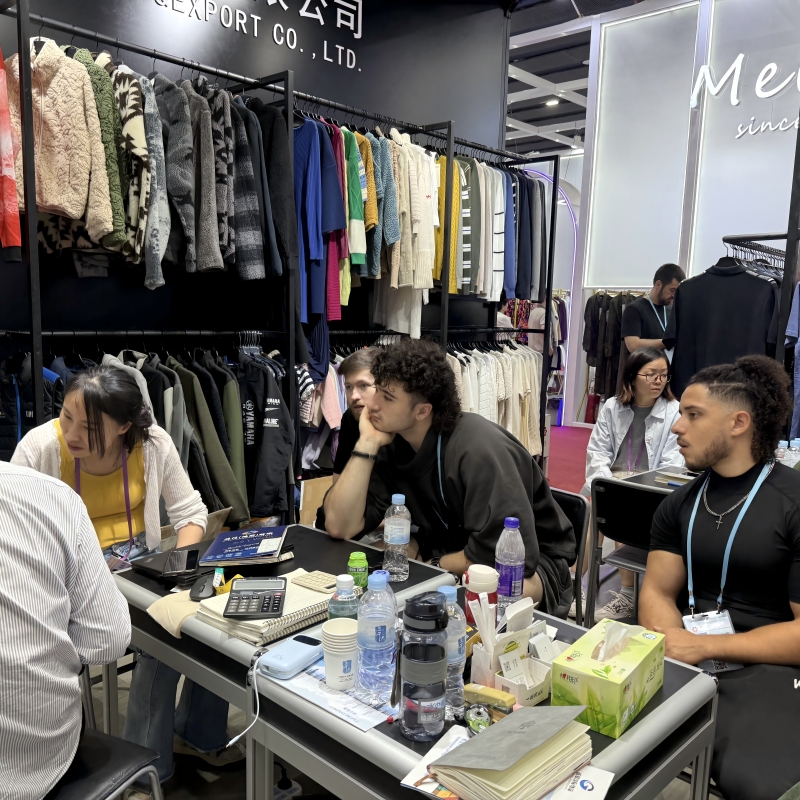
Stitch Density Evaluation
We utilize a vertical supply network of over 30 certified partner factories to support both low-risk minimum order runs and high-volume retail deployments.
Our manufacturing partners range from modern facilities with over a thousand workers and multiple automated lines to small, specialized workshops. This allows us to scale production runs based on client requirements.
If a custom design does not meet the minimum fabric order quantity (MOQ) for raw yardage, we provide alternative, certified in-stock materials to help reduce raw material waste.
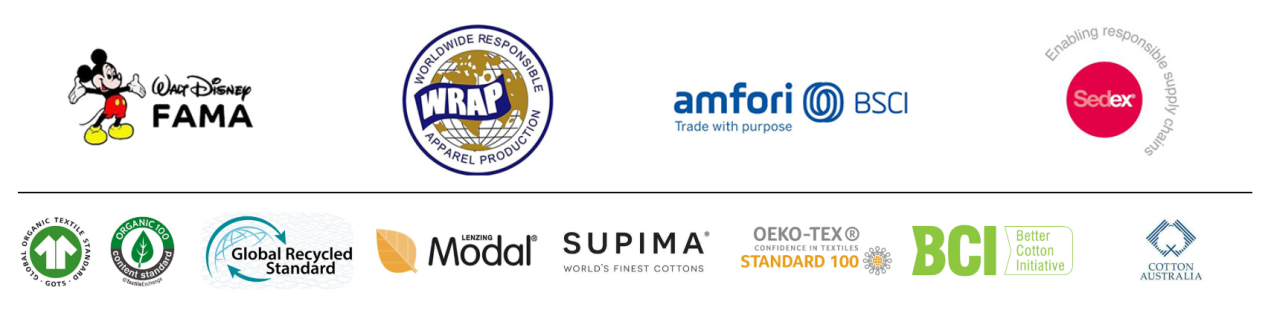
Through partnerships with textile suppliers, we offer materials certified by Oeko-Tex Standard 100, Better Cotton Initiative (BCI), Recycled Polyester (GRS), Organic Cotton, and Lenzing Modal.
Our operations align with the ISO 14001:2015 environmental standard, allowing brands to trace their products from raw material to final packaging.
Compliance Audit

Oeko-Tex Standard

ISO 9001 System
Export Clearance

SGS Yarn Test
Ningbo Jinmao has established supply partnerships with over 100 brands across 30 countries and regions.



Find quick answers to common questions about our ordering processes, lead times, payment terms, and custom design capabilities.
 Jinmao