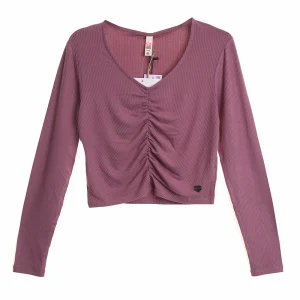
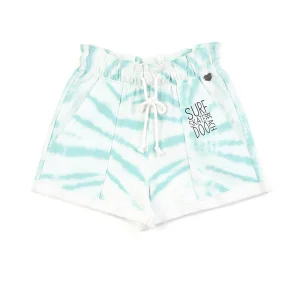
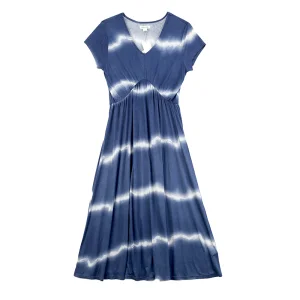
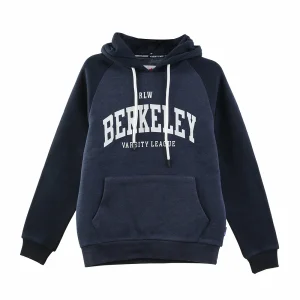
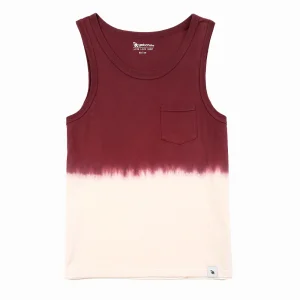
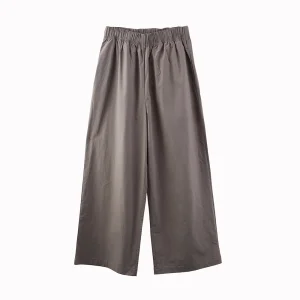
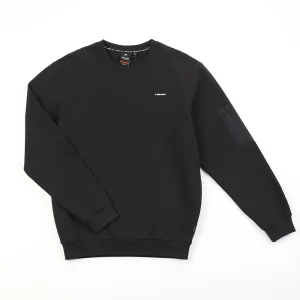
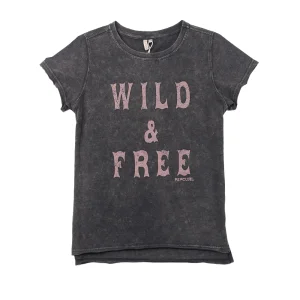
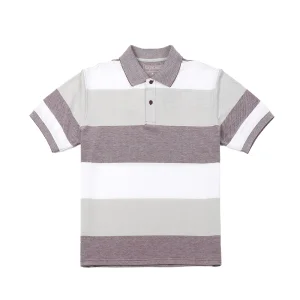
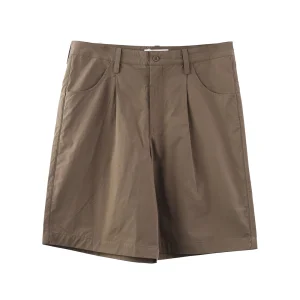
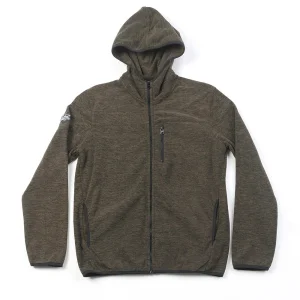
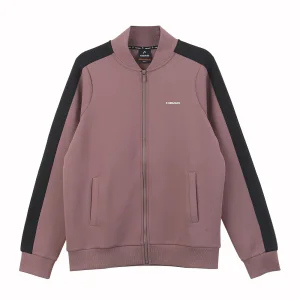
Explore our highly curated catalog of knitwear, lightweight woven garments, and customizable basics engineered for international markets.
Understanding key value drivers, sustainability regulations, and material sciences in global garment procurement.
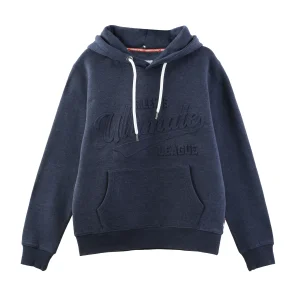
In the highly competitive landscape of global fashion retail and promotional branding, the Plain Cotton Hoodie has transitioned from a casual sportswear staple into a core canvas for high-end streetwear and corporate identity. As brands demand longer lifecycles, superior tactile characteristics, and transparent sourcing chains, manufacturers must evolve. Today, sourcing managers are not merely looking for cheap cutting-and-sewing facilities; they are seeking strategic manufacturing partners capable of balancing raw material performance, cost containment, compliance certifications, and low-waste production loops.
With global supply chains facing systemic logistics hurdles and raw material price fluctuations, the comparative advantages of China’s textile hubs remain unmatched. Specifically, the Ningbo cluster offers advanced specialized clusters for cotton processing, knitting, fabric engineering, and high-efficiency maritime logistics. This enables B2B buyers to configure products with precise parameters—ranging from standard combed cotton blends to ultra-heavyweight 500+ GSM French terry fabrics—while retaining deep margins and meeting environmental metrics required in the European Union, North America, and Japan.
Providing end-to-end garment design, technical engineering, and flexible supply chains for global brands.
Founded in the year of 2000, Ningbo Jinmao Import & Export Co., Ltd. has established a formidable presence in the international apparel export arena. Over more than 20 years of dedication, navigating market adversities and economic shifts, the corporation has grown to register an annual turnover exceeding thirty million U.S. dollars. Today, as a leading garment import and export entity in the textile hub of Ningbo, we are fully committed to solving B2B procurement challenges, environmental conservation, and strict quality control. Our operations are governed by the accredited management system certifications of ISO 9001:2015 and ISO 14001:2015.
With an internal team of more than 50 management, design, and quality assurance staff members, our product range spans across men’s, ladies’, and children's wear. The cornerstone of our value proposition is our independent design studio and highly experienced technical department. We specialize in developing complex knitwear and fine woven styles, helping global brands realize their designs from sketch to cargo.
Our dedicated design team guides clients through material selection, trend translation, and tech-pack drafting. Show us a design draft, inspiration image, or raw physical sample, and we will turn it into reality, recommending optimal fabrics based on cost targets and target performance metrics.
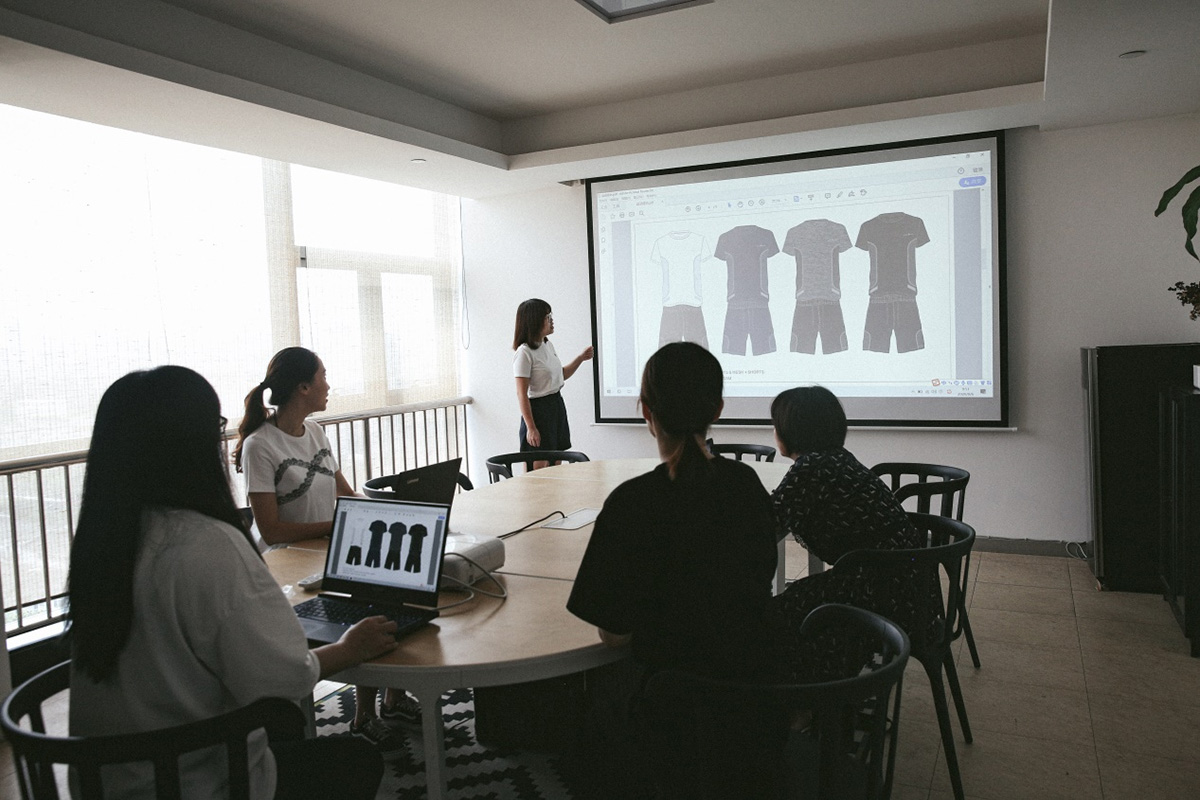
Led by seasoned pattern-making master tailors with an average of 20 years of experience in knitwear and lightweight woven structures. Our in-house sample room drastically reduces lead times for pre-production and sales-rep samples, optimizing fit patterns for varied international sizing standards.
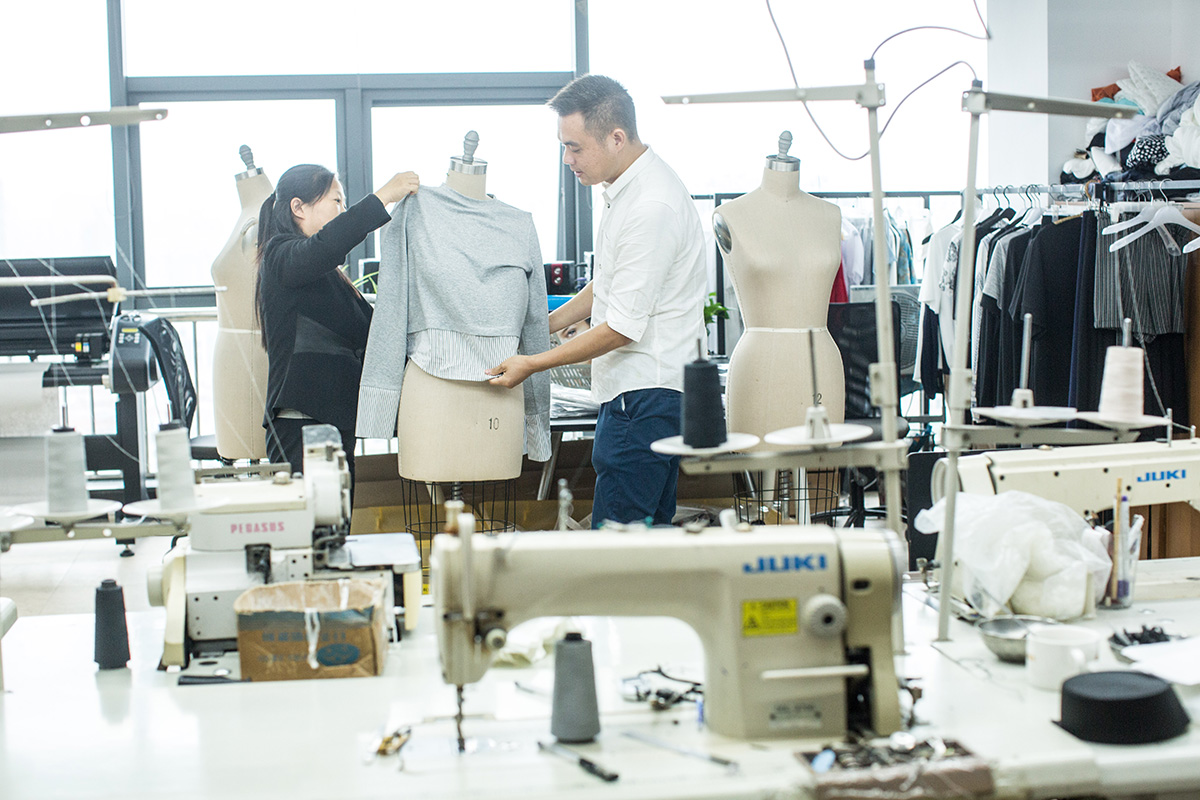
Our dedicated account managers average over 10 years of experience serving department stores, global hypermarkets, and premium streetwear labels across 30 countries. We translate brand tech packs, print specs, and compliance criteria immediately into production floor instructions.

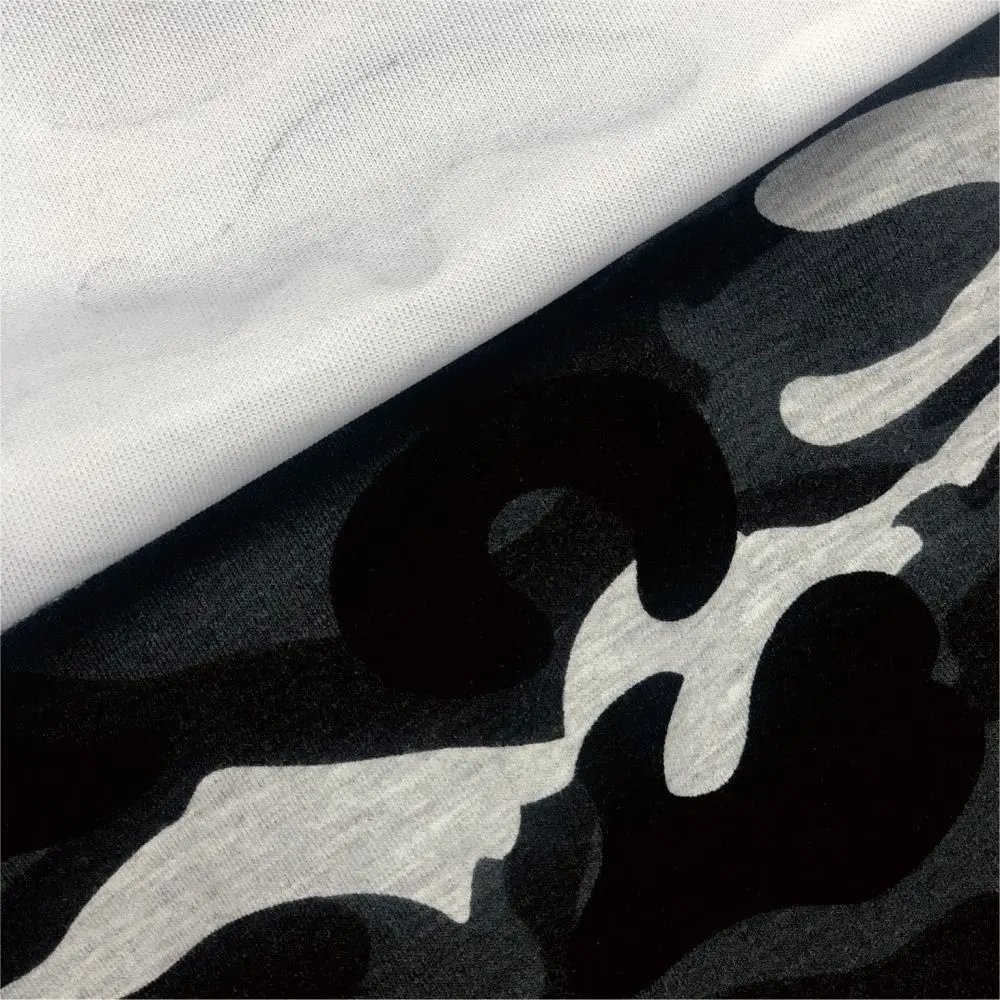
Selecting the optimal fabric base defines durability, handfeel, and color retention.
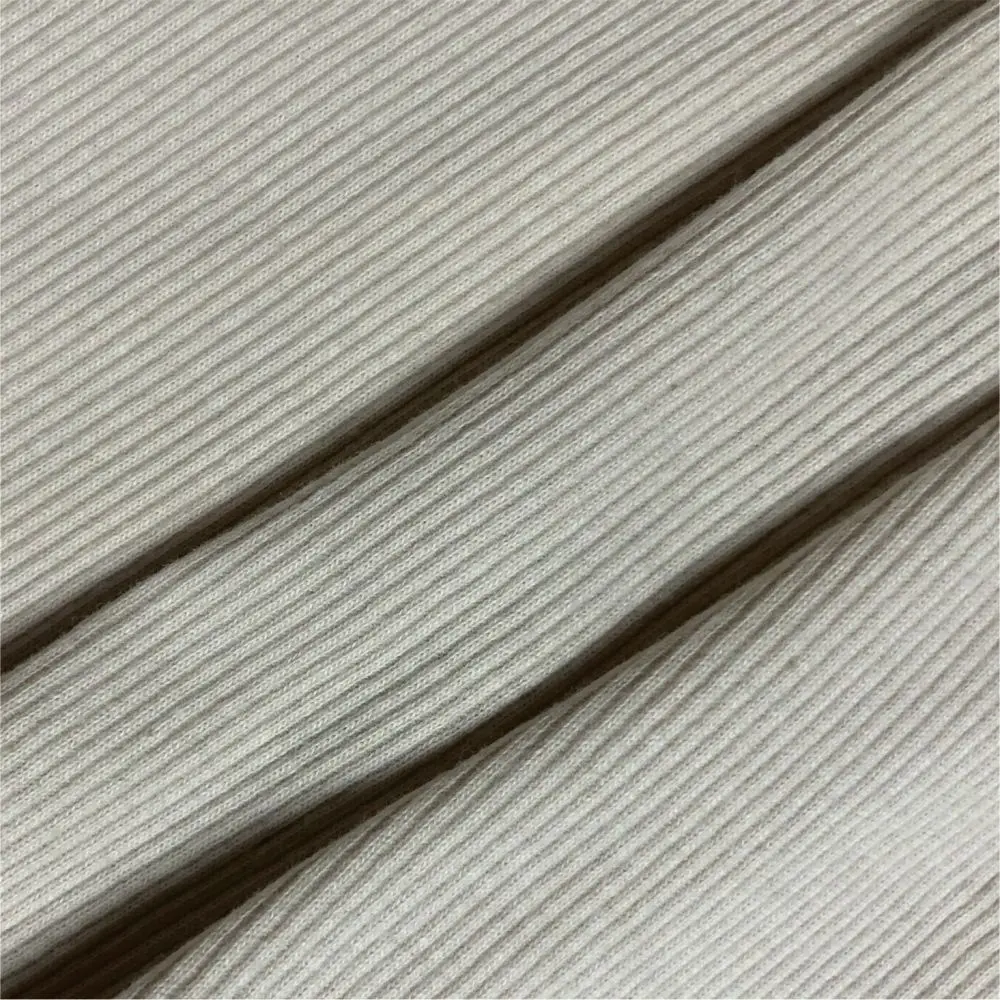
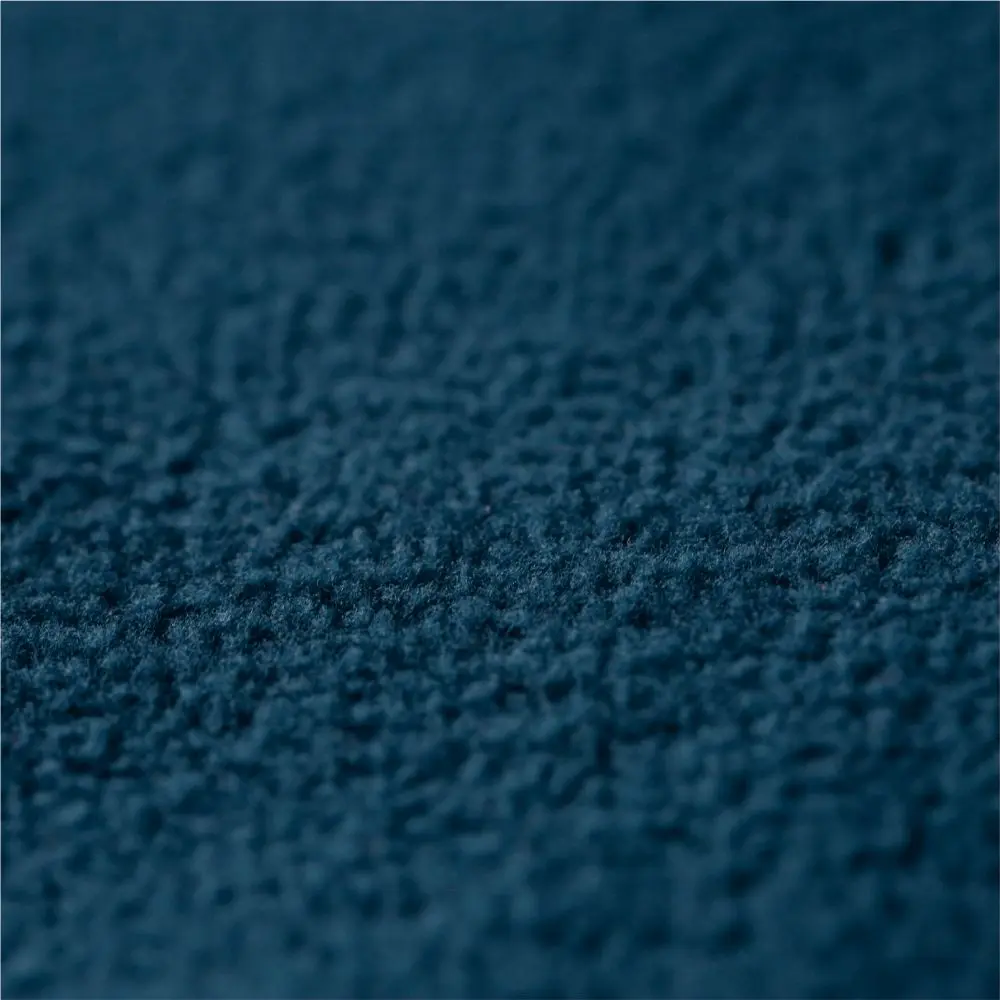
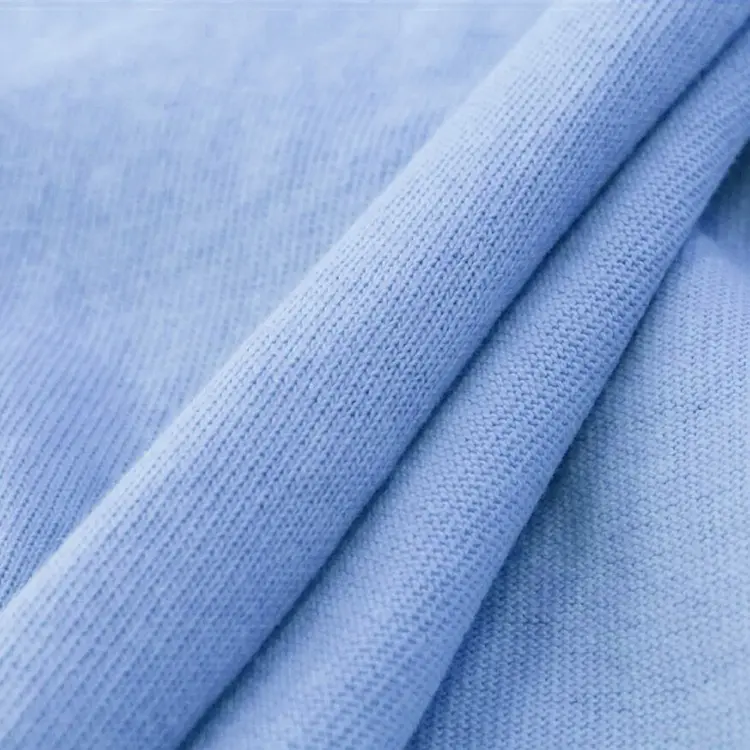
A hoodie's value lies primarily in the raw material and loop configuration. Depending on target retail pricing and utility, we source and process different yarn blends and weaves. For standard premium hoodies, we recommend 100% Combed Cotton or Cotton/Polyester fleece compositions which balance comfort with structural stability. B2B buyers can select from our pre-certified fabric library to accelerate sourcing timelines, ensuring all inputs conform to Oeko-Tex Standard 100, the Global Organic Textile Standard (GOTS), or the Global Recycled Standard (GRS).
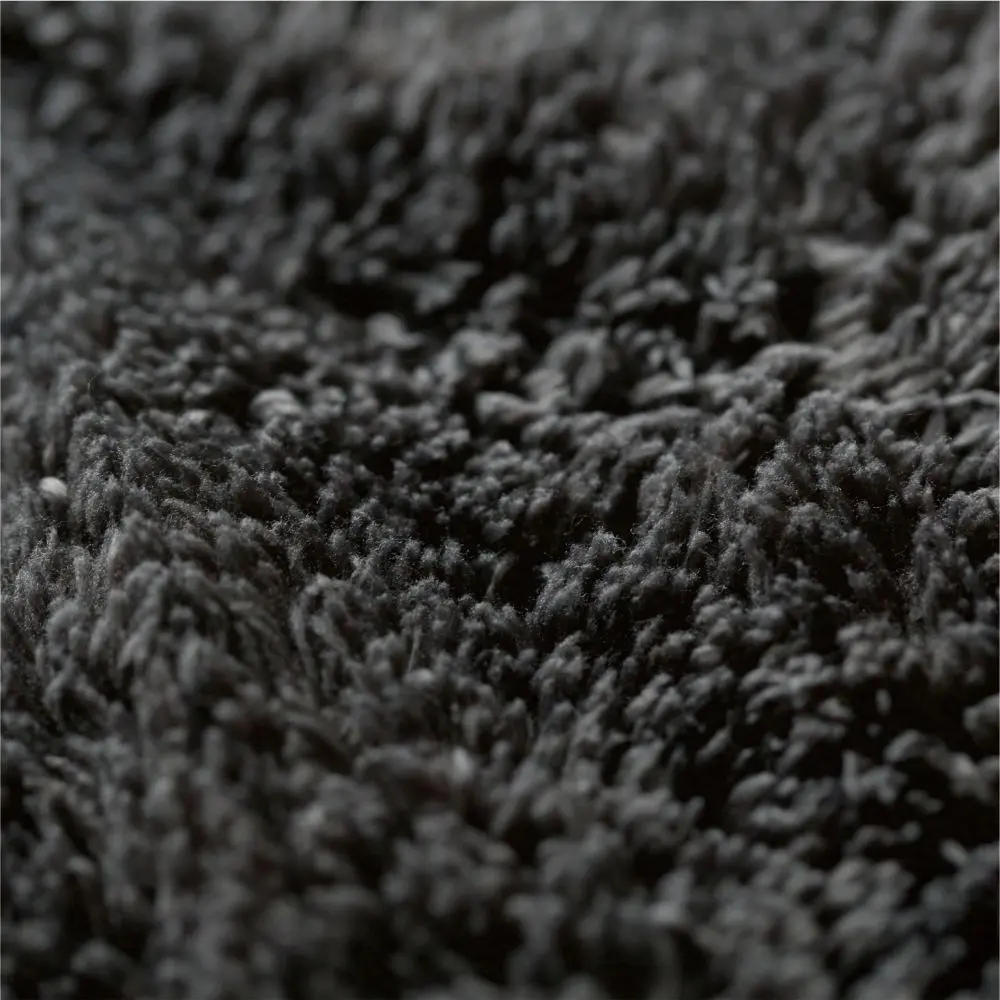
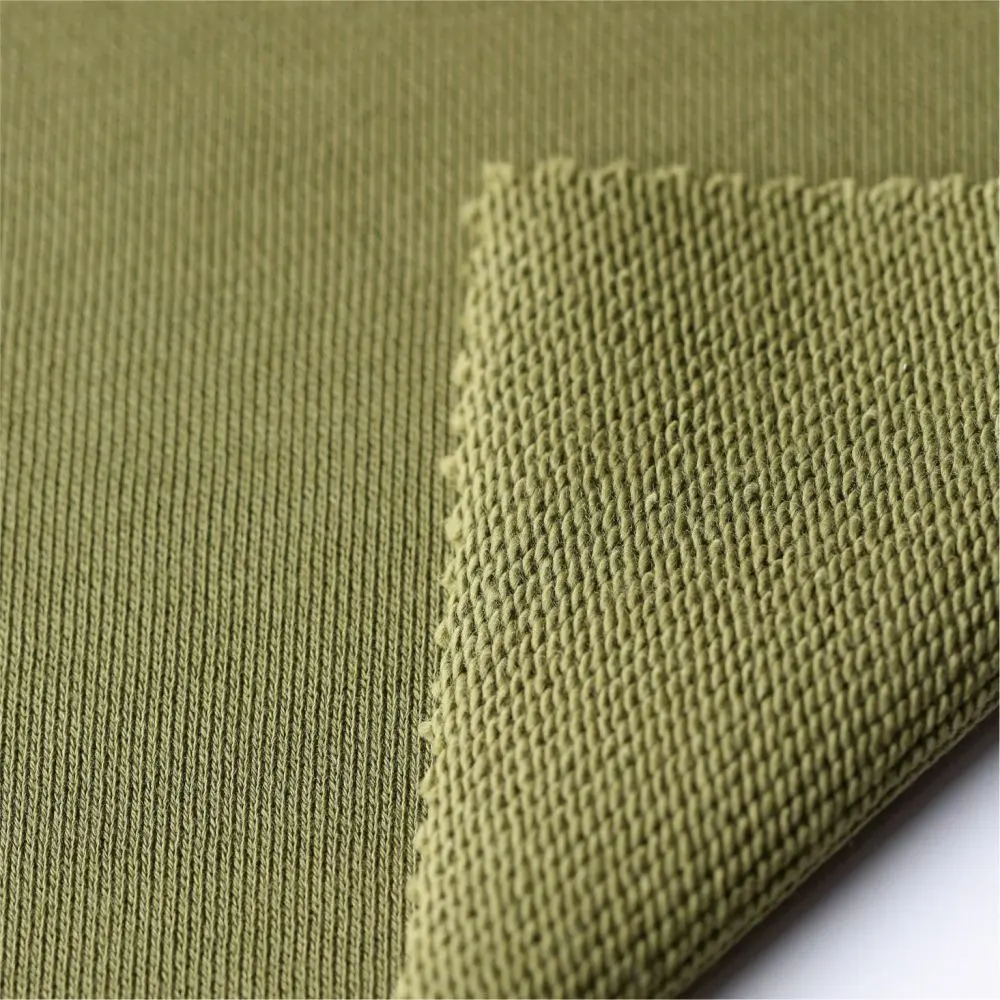
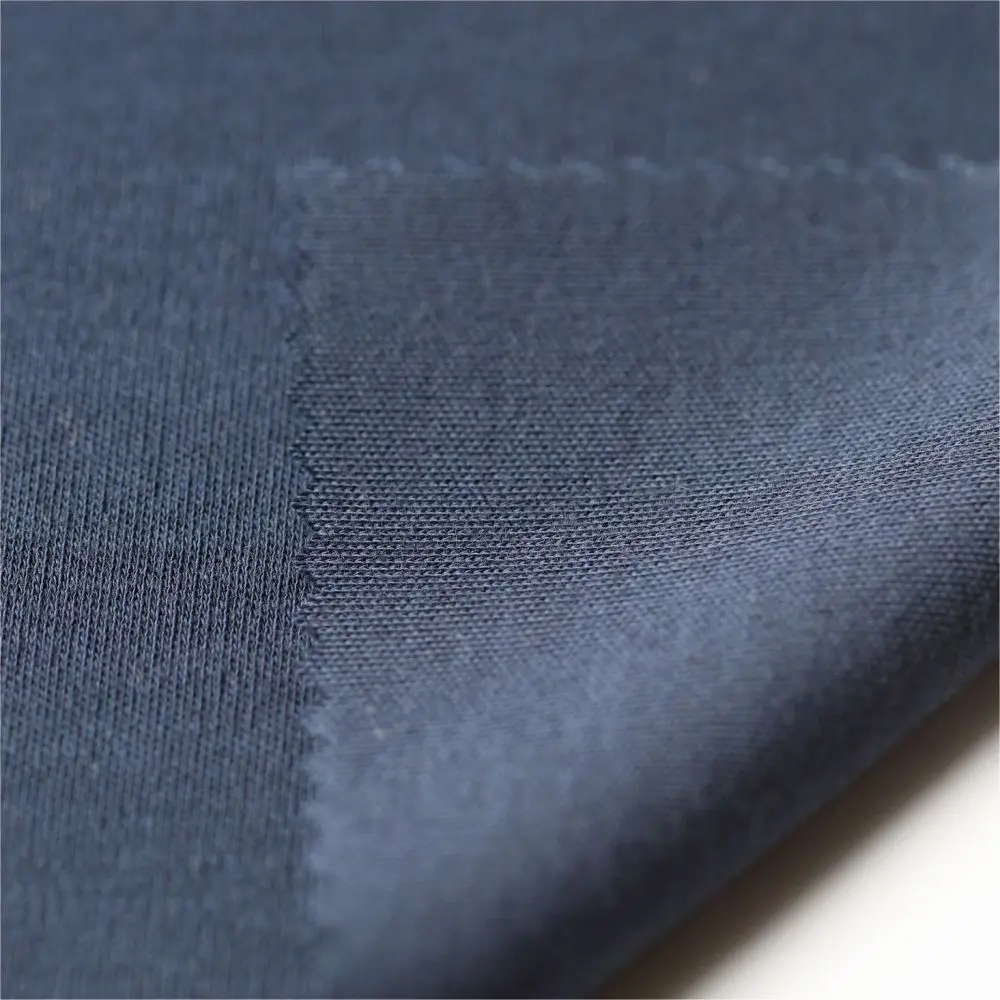
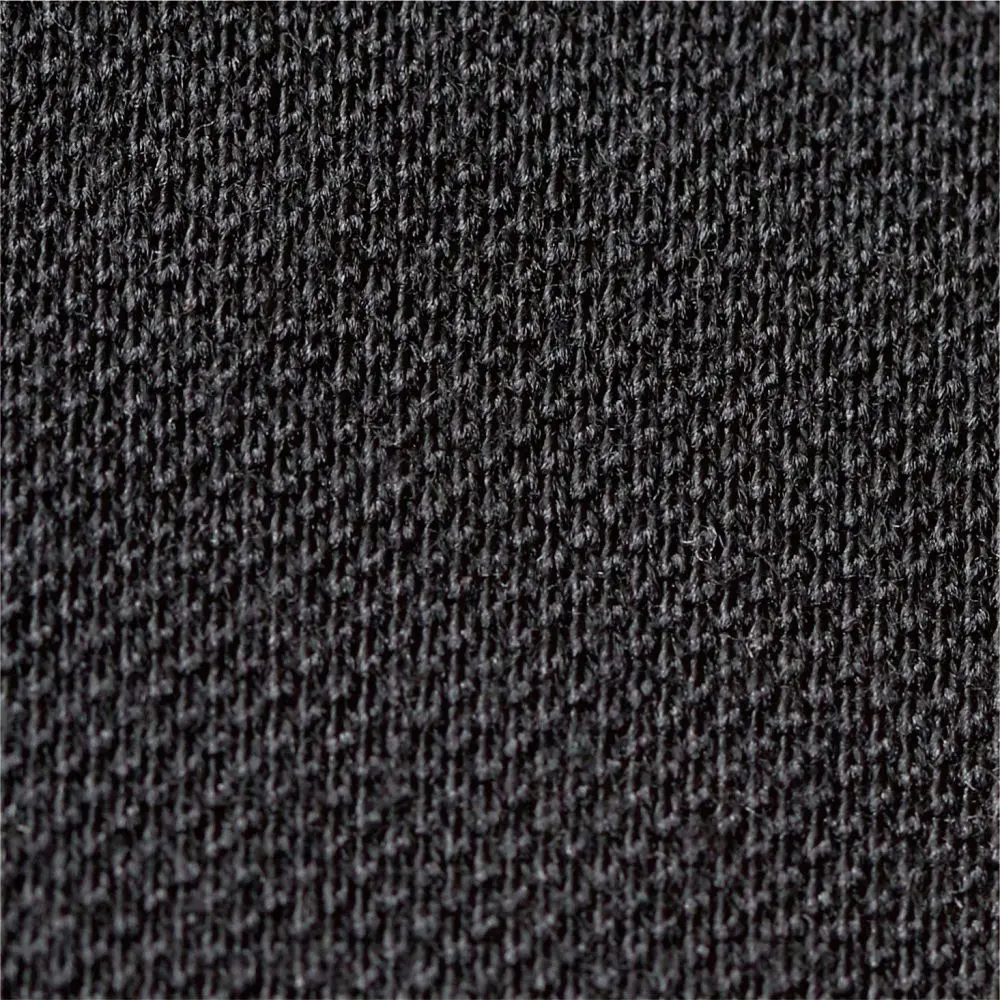
Transforming plain cotton structures into branded masterpieces using high-fidelity textile treatments.
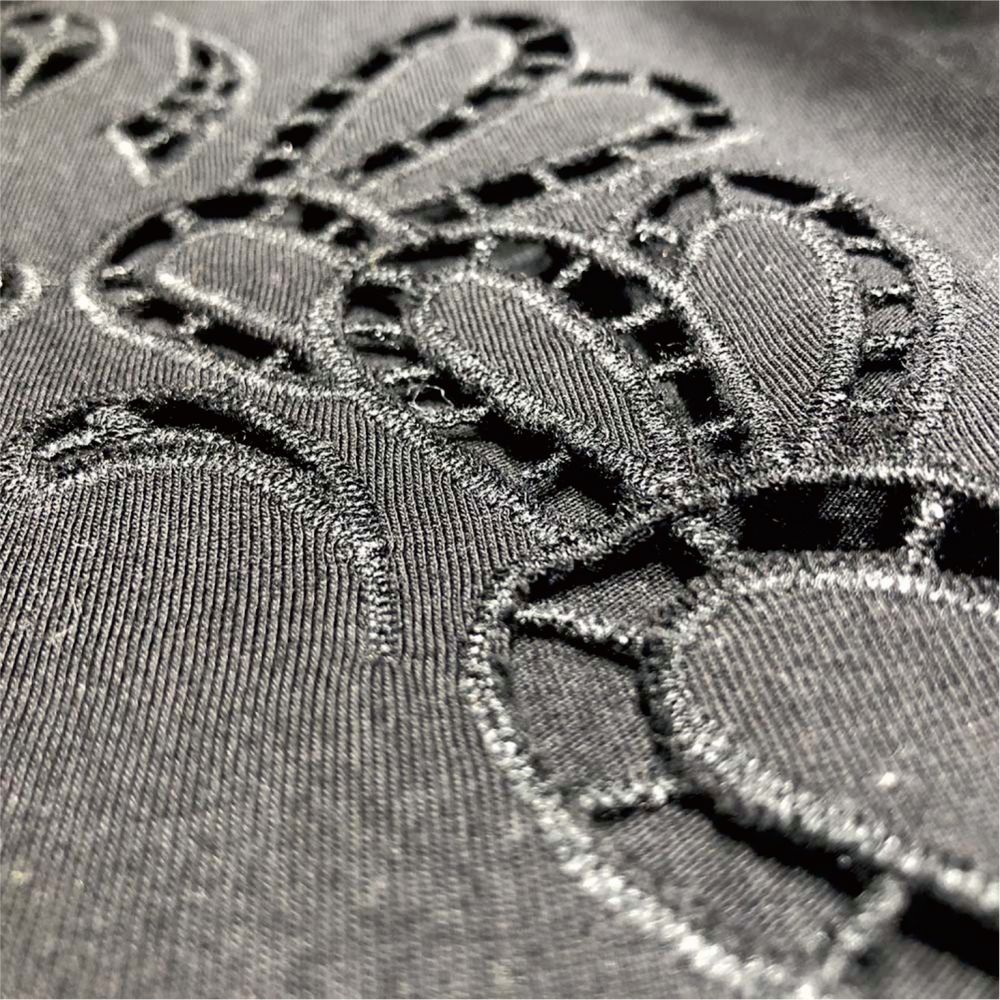
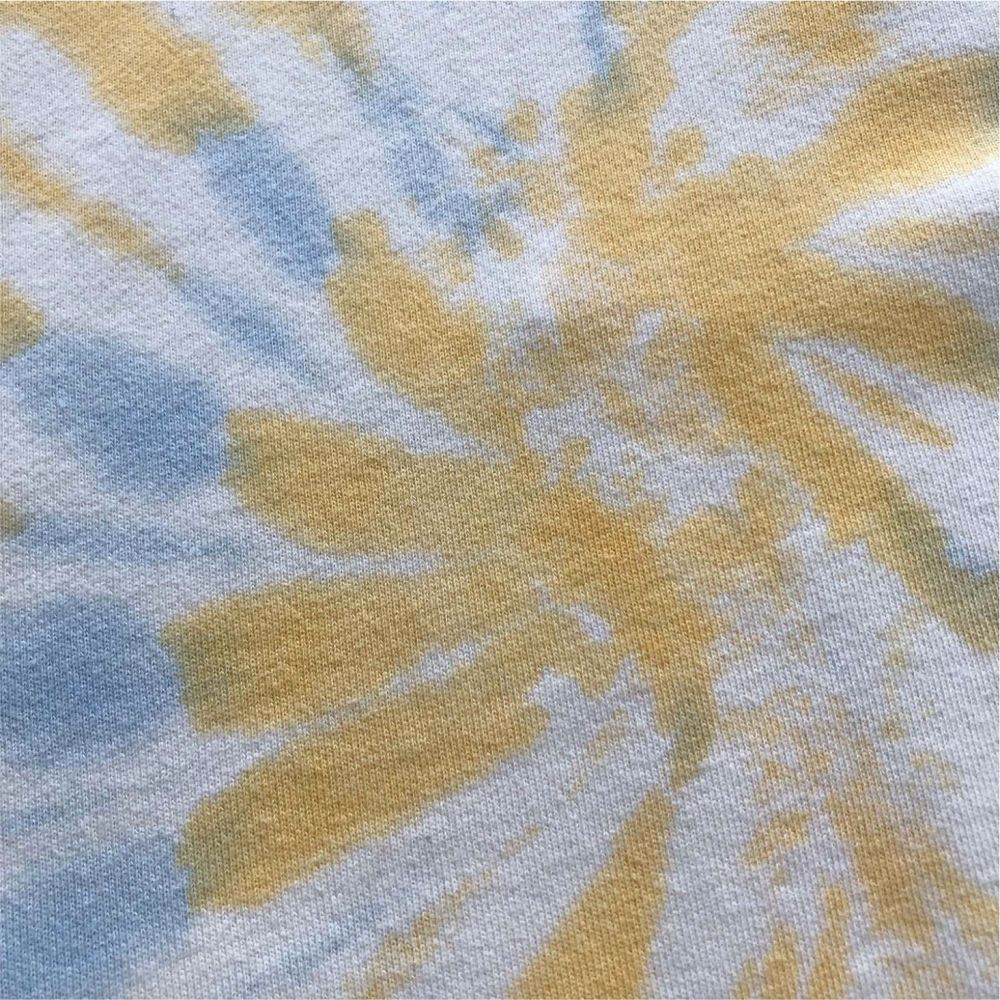
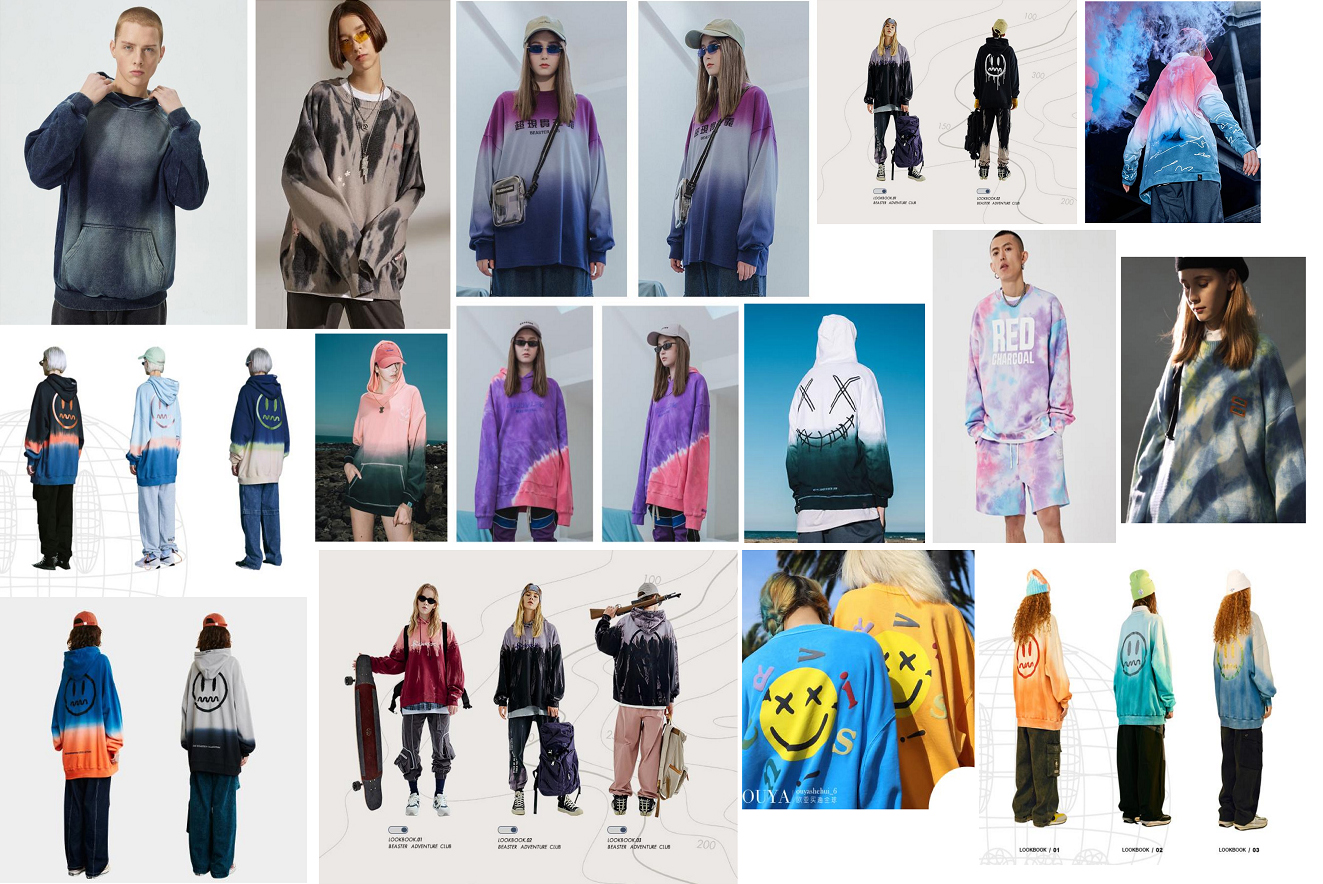
A plain cotton hoodie acts as the perfect canvas. Our factories are equipped with state-of-the-art print and embroidery setups, capable of handling everything from high-density graphics to textured, tactile fabric modifications. We support digital sublimation, eco-conscious water-based printing, soft-feel discharge prints, and complex post-processing such as garment dyeing, acid washing, and custom embossing.
High-resolution, CMYK full-color replication directly onto natural cotton fibers. Perfect for photographic artwork and complex gradients, offering excellent wash fastness and minimal handfeel restriction.
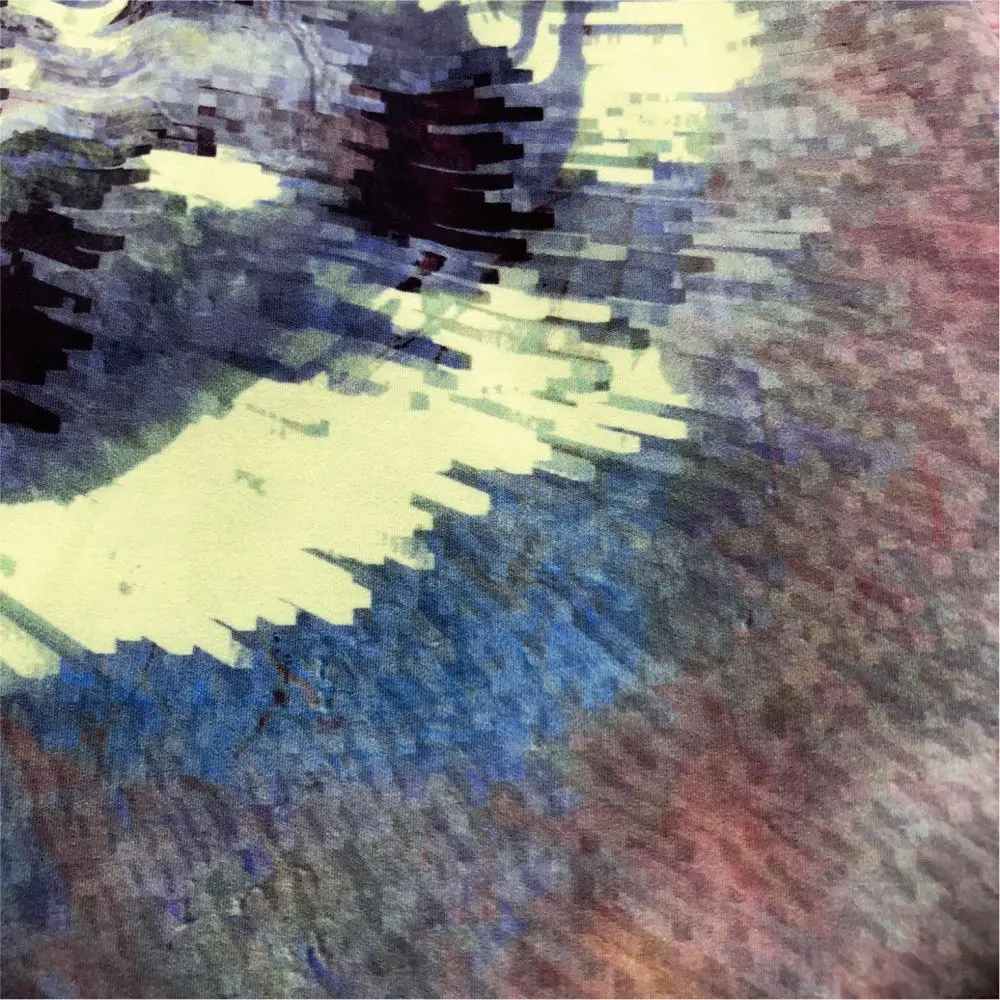
Utilizes custom discharge ink that de-activates the background reactive dyes in the cotton fiber, replacing it with the desired pigment. Resulting prints have an ultra-soft feel, blending into the fabric layer.
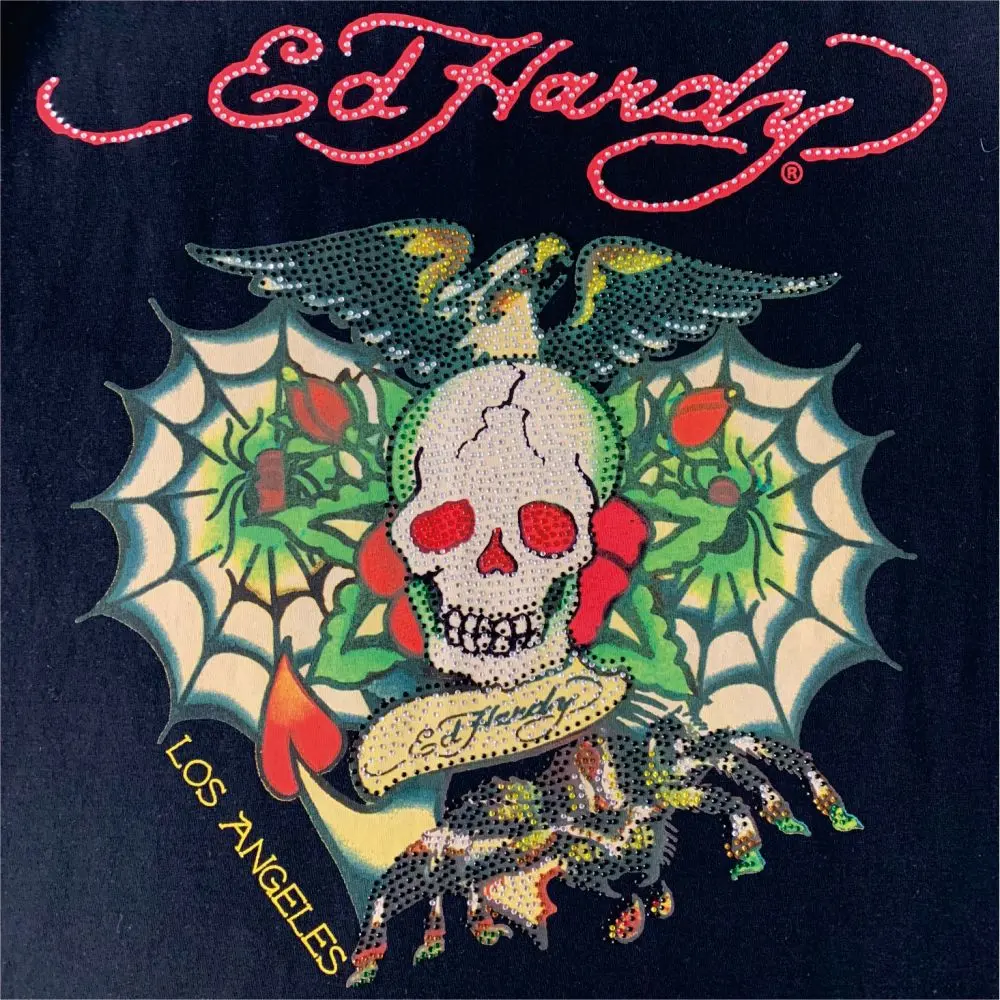
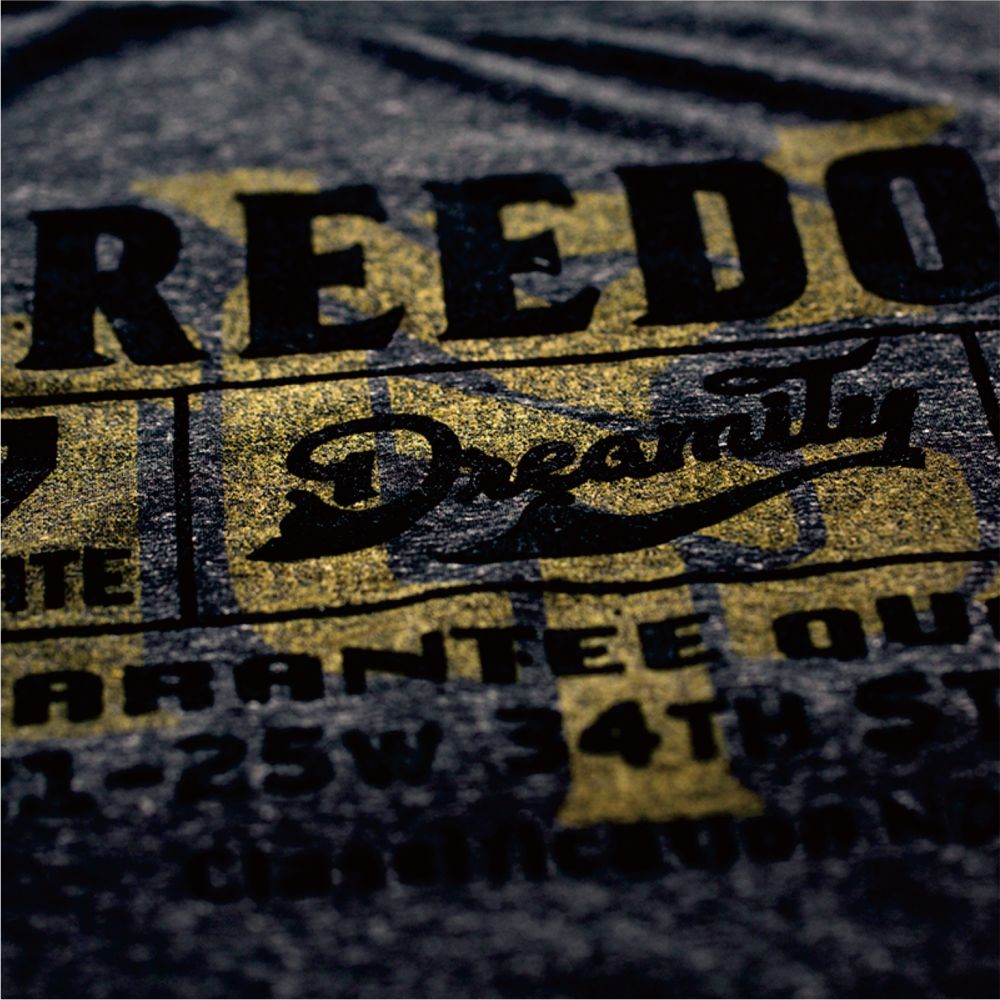
Adheres fine synthetic fiber particles (flock) to the fabric surface using adhesive and an electrostatic field, creating a raised, soft, velvet-like texture that adds depth to plain chest patterns.
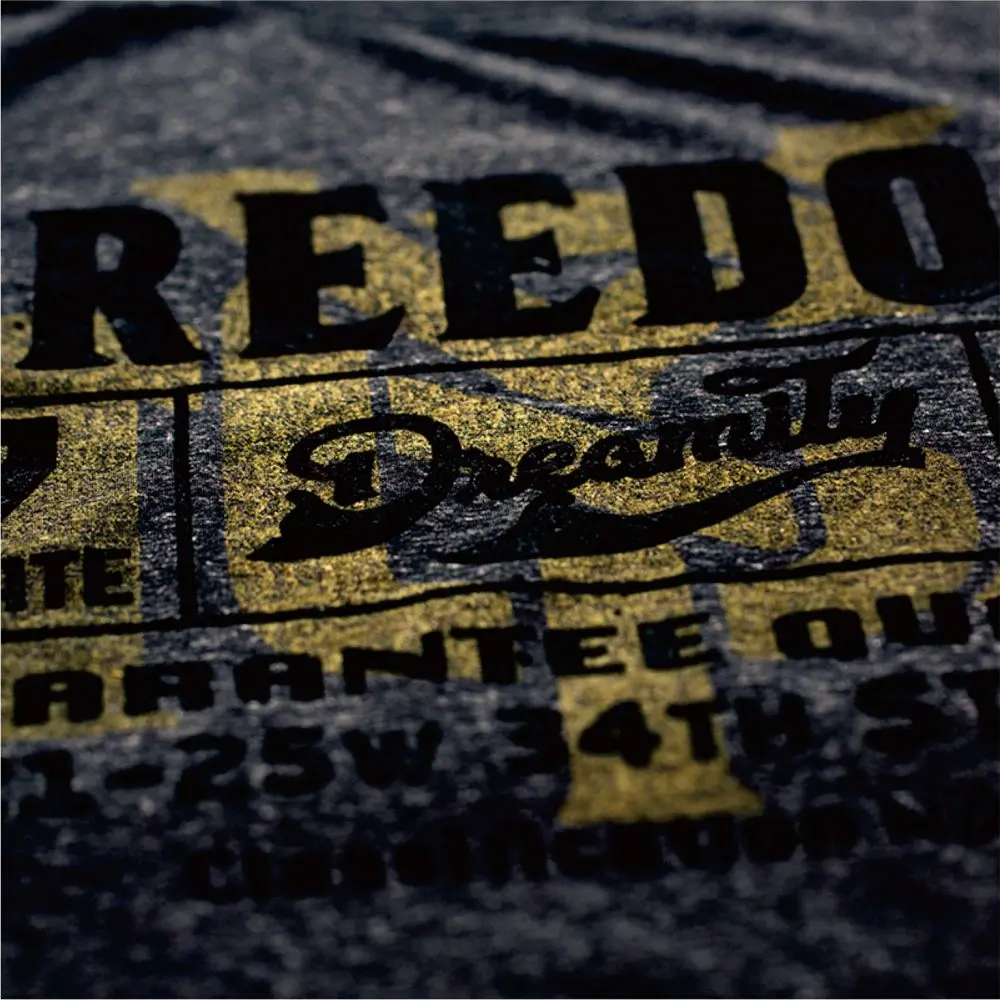
Uses eco-friendly, water-soluble pigments that penetrate deep into the yarn. Water-based screen prints offer maximum breathability and a zero-feel print texture, which is critical for summer-weight cotton activewear.
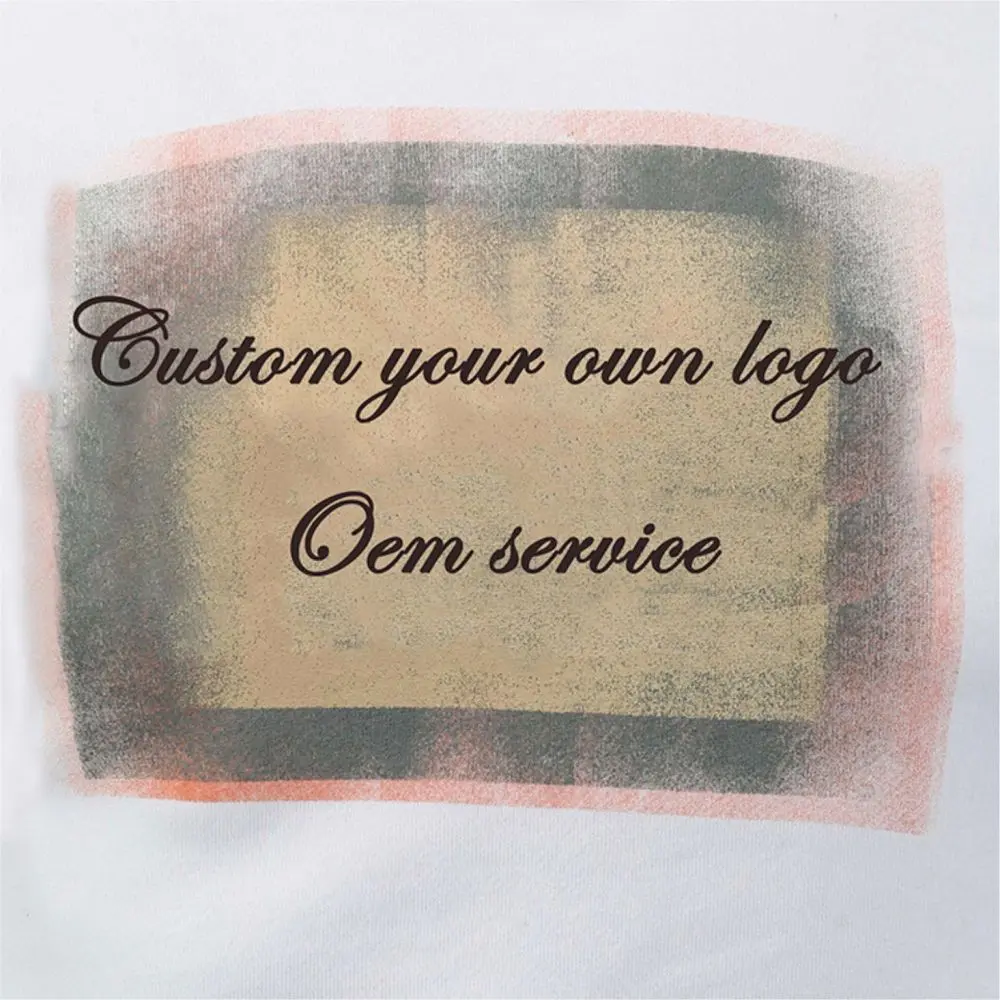
Applying high heat and industrial metal molds to stamp 3D patterns directly into polar fleece or high-GSM scuba knitwear, rendering permanent raised textures without using stitching or pigment.
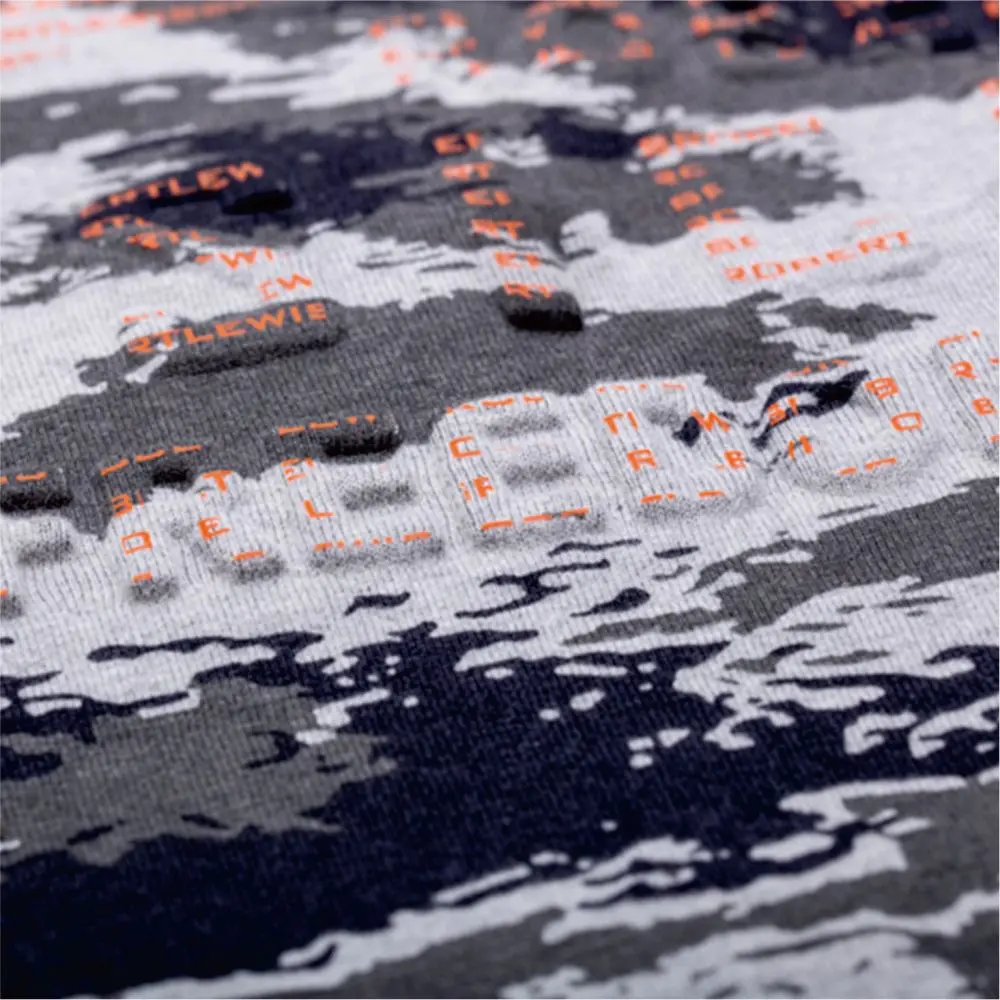
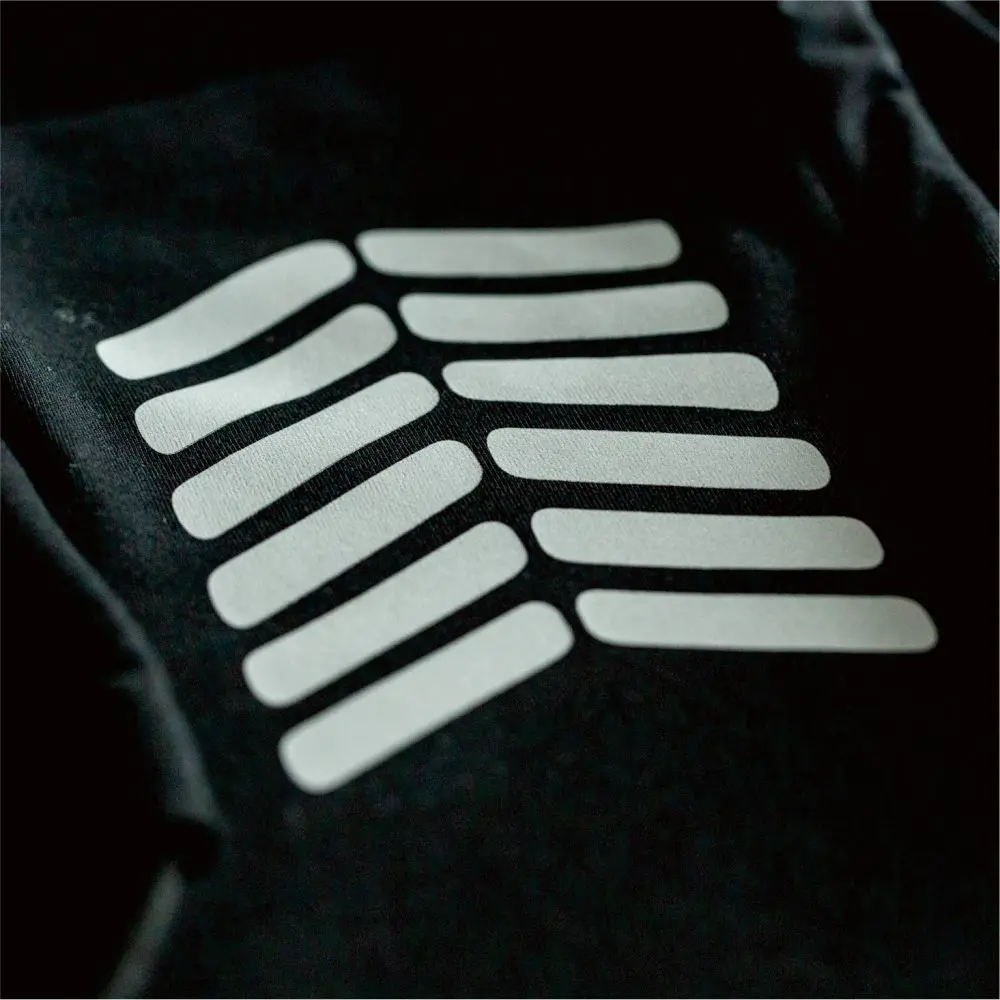
Engineered printing using light-reactive pigments that glow under UV light. Great for safety activewear, street lifestyle drops, and festival promotional merchandise lines.
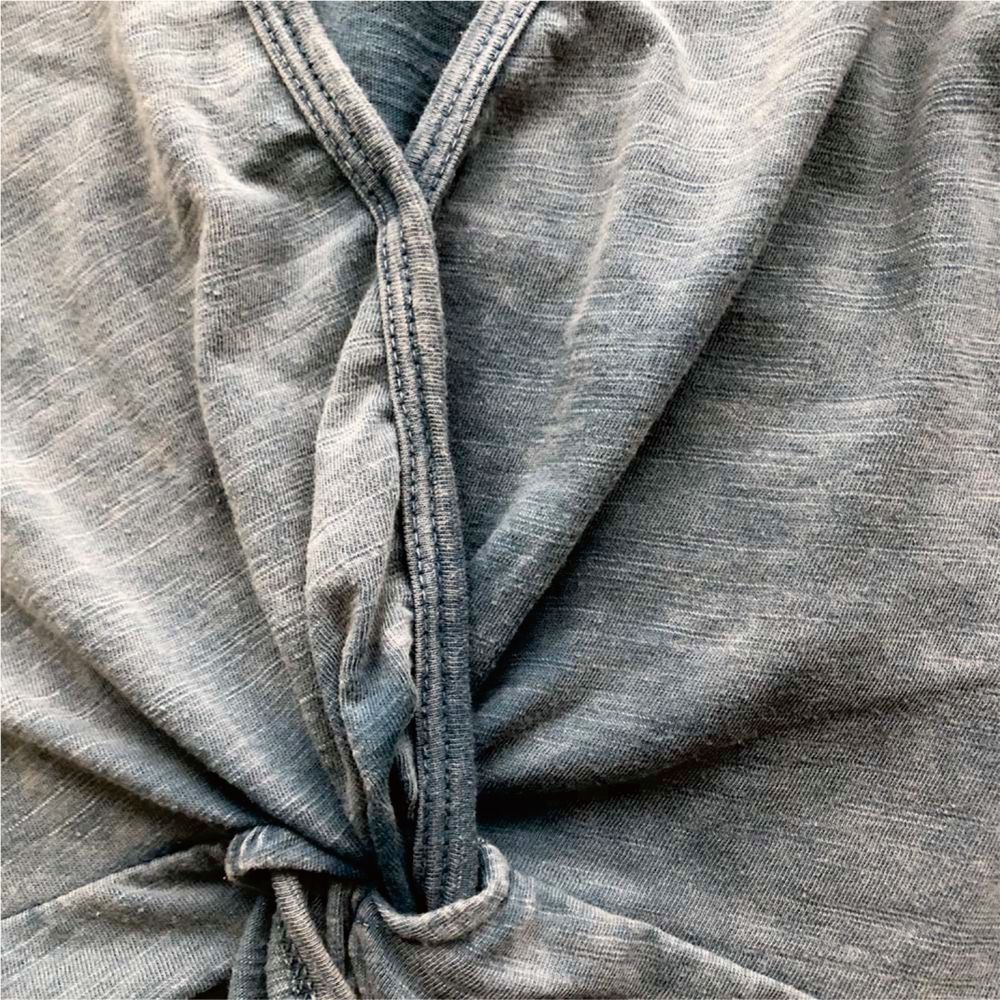
We manage risk at every node of the production run to ensure compliance and quality.
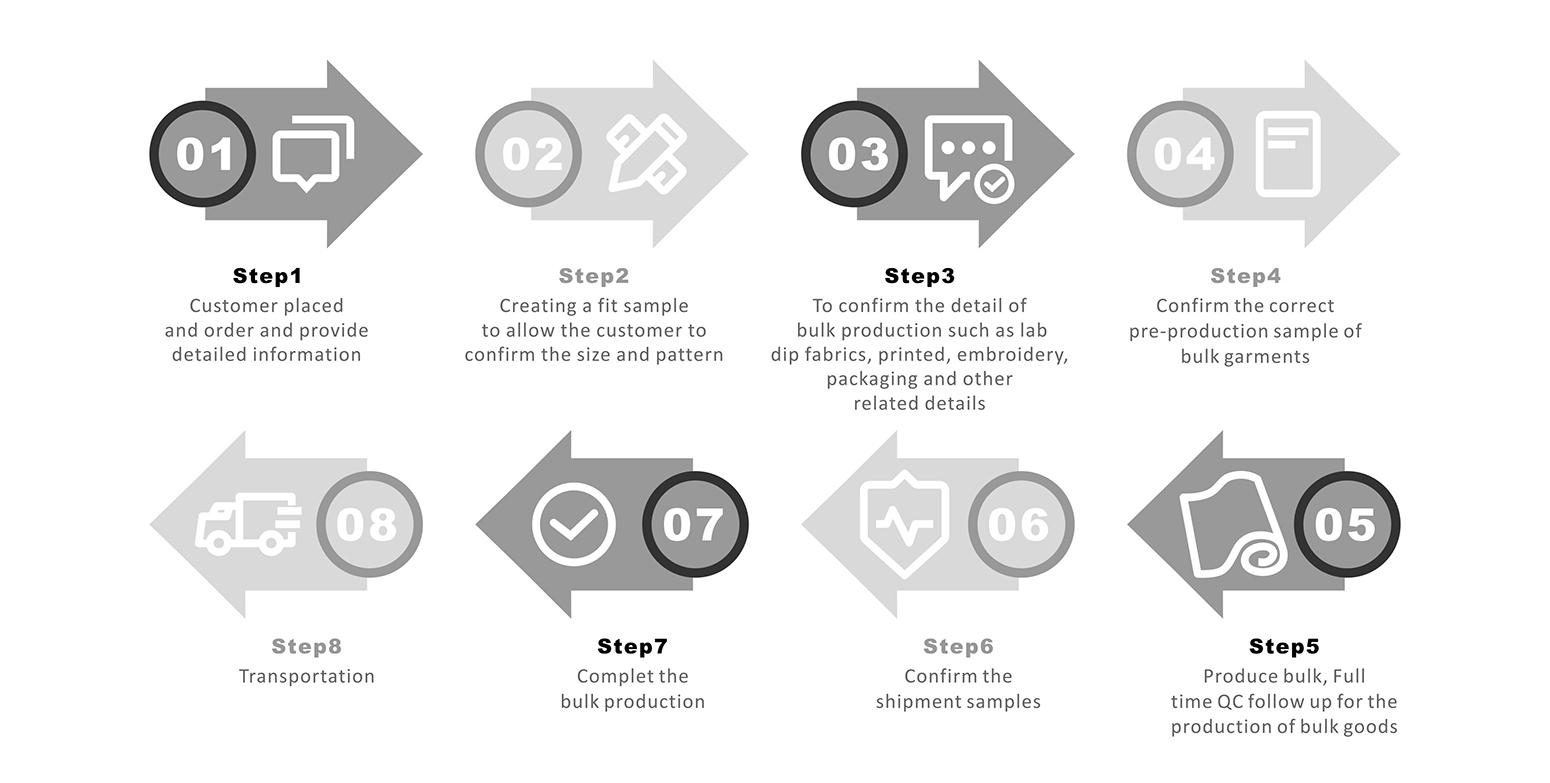
We build a physical paper pattern and sewing prototype using target fabrics based on the client's specification sheets. This sample validates parameters like chest width, shoulder drops, armholes, and hoodie hood drape, avoiding downstream sizing errors.
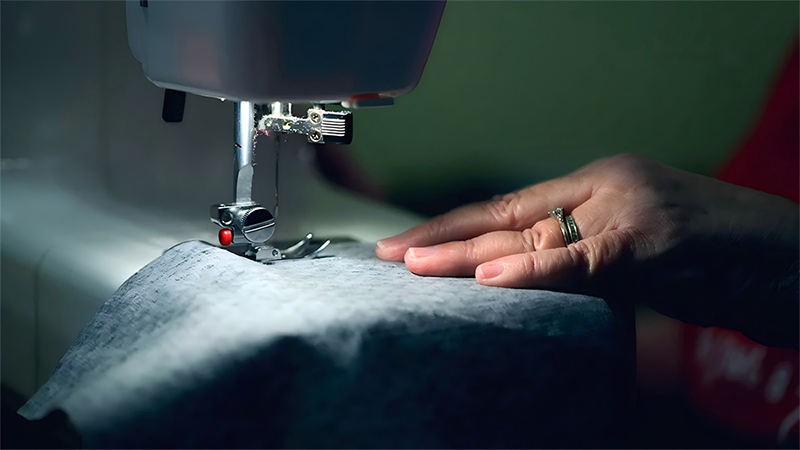
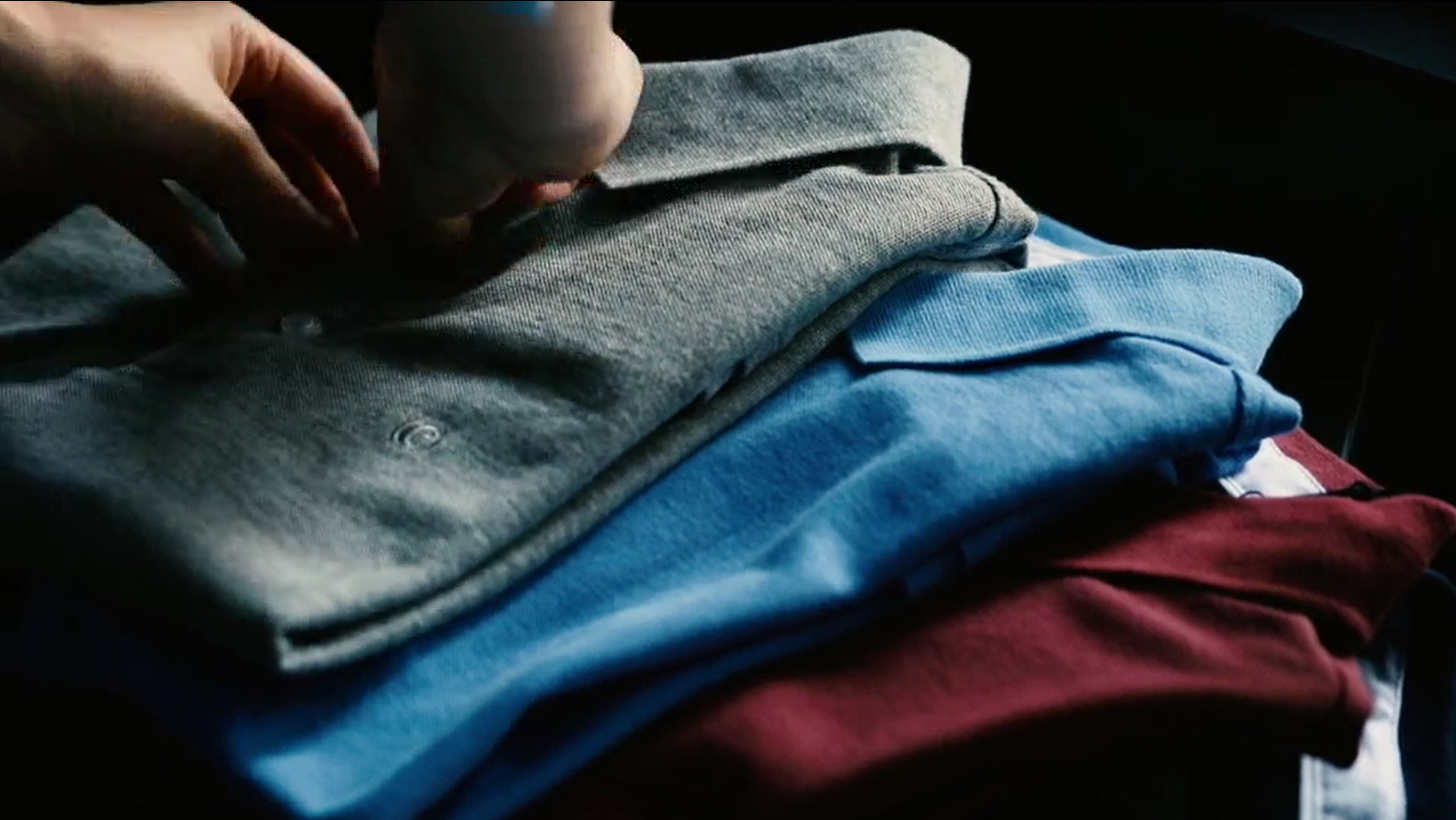
Before launching print lines or bulk cutting, we produce lab dips for customized colors and run test prints, embroideries, and test washes to monitor shrinkage, color migration, and wash durability.

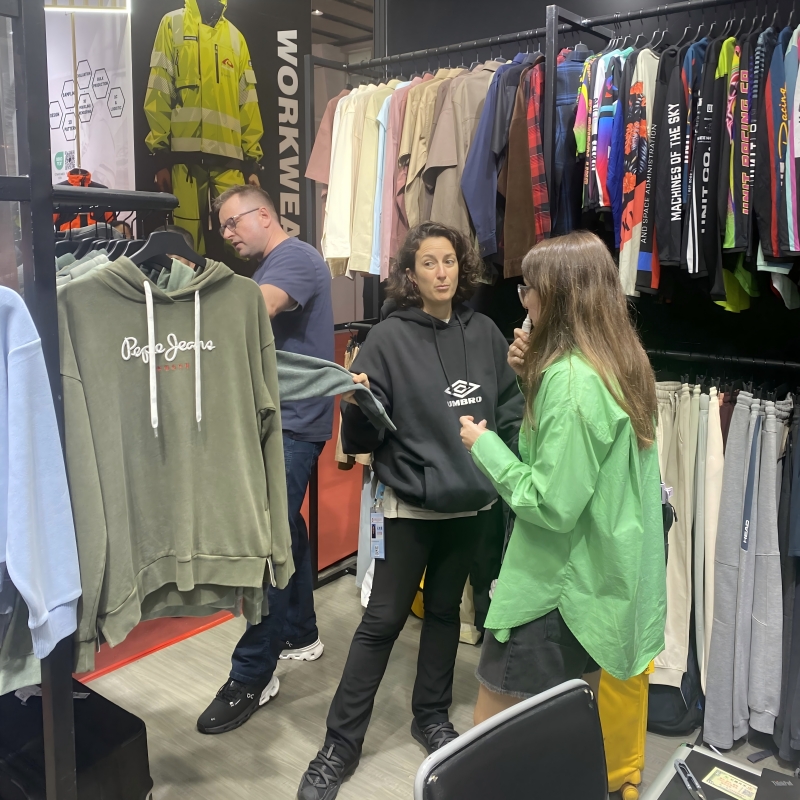
The pre-production (PPS) sample acts as the golden master for the entire bulk production run. Made using final mass-ordered fabrics, trims, and final labels, it is signed off by the customer before we start manufacturing.
Once raw material feeds start, regional Quality Control inspectors monitor printing, assembly sewing, stitching density, thread cleanup, and packaging. Daily records ensure defect rates stay within client-specified limit guidelines.
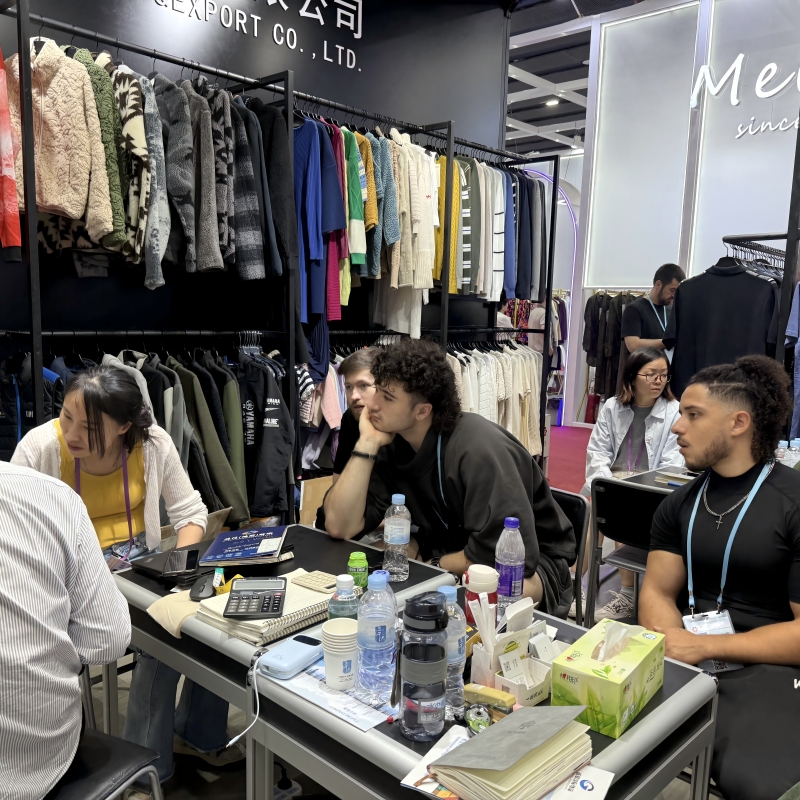
See our advanced knitting lines, sewing floors, and automated pattern layouts in action. We maintain full visibility across our partner factories.
Flexible configuration tailored to your development pipeline, budget, and brand strategy.
Our OEM operations run on an organized, multi-province production layout. We maintain production bases in Jiangxi, Anhui, Henan, and Zhejiang provinces, which are backed by more than 30 partner factories. This allows us to deploy more than 10,000 skilled workers and 100+ active production lines simultaneously, supporting BSCI, WRAP, Sedex, and Disney audits.
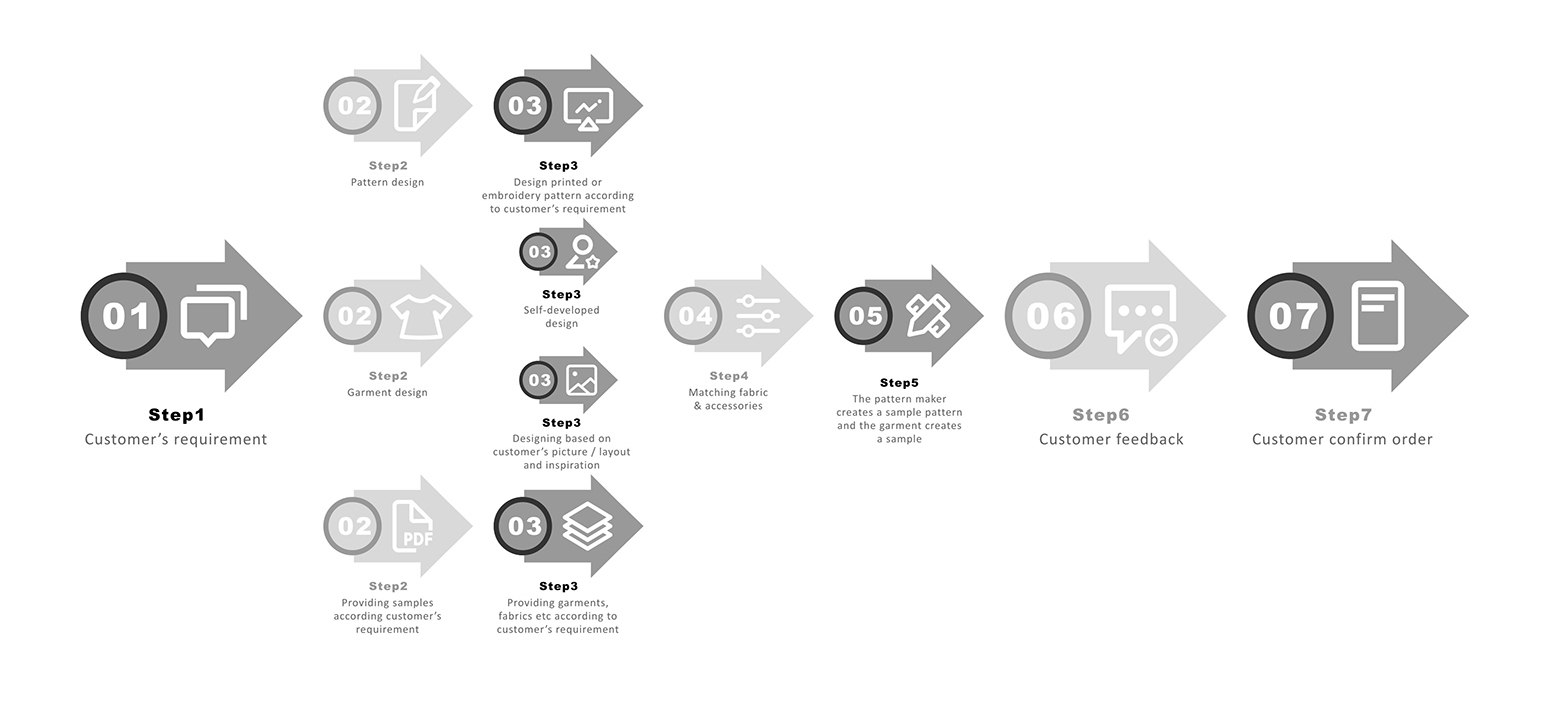
If you don't have ready-made tech packs, our design team takes the lead. Provide concept mood boards, reference images, or basic hand sketches, and our pattern makers will generate digital templates within 1 to 3 days. We then produce high-quality samples within 7 to 14 days, helping your brand test new styling options with minimal lead times.
Bridging raw material resources with global destinations to mitigate inventory risks.
To help B2B buyers navigate minimum order quantities (MOQs), we coordinate fabric purchasing across several lines. Even if a specific design doesn't meet the target MOQ, our sourcing merchandisers will propose similar, in-stock fabrics from our certified partner mills, helping protect your margins.
Through our long-term strategic relationships with certified yarn spinners, we source high-quality materials including BCI Cotton, Organic Cotton, Australian Cotton, Lenzing Modal, Supima Cotton, and GRS Recycled Polyester. This helps brands remain compliant with environmental regulations in Europe and North America.
Meeting strict import certifications and performance standards for major B2B markets.
Exporting to over 30 countries and regions requires our factories to comply with strict testing protocols. We work with leading third-party testing labs, including SGS, Intertek, and BV (Bureau Veritas), to verify fabric performance before production. We regularly run laboratory checks to ensure our garments meet the target standards for our clients' B2B markets:
We run lab tests to verify fabric weight (GSM) and composition (e.g., 100% combed cotton, 80/20 cotton/poly), ensuring all deliveries match your technical specifications.
We test for rubbing fastness (both wet and dry), perspiration fastness, and light exposure stability to prevent color bleeding during home laundry cycles.
We run pre-shrinkage wash tests to ensure shrinkage rates stay below 3-5% for all cotton knitwear, protecting garment fit over time.
We verify that all reactive dyes, binders, and finishes comply with REACH, Prop 65, and local environmental standards for hazardous substances.



How Ningbo Jinmao helps brands adapt to changing global trade rules and digital shifts.
The global textile sector is undergoing rapid changes driven by digital integration, automated quality inspection, and strict carbon monitoring. To support B2B sourcing managers over the coming years, Ningbo Jinmao has established a clear modernization roadmap:
Step 1: Automated Layout & Laser Cutting Systems: By using automated CAD pattern layout nesting software, we are targeting a 15% reduction in fabric scrap waste, helping lower raw material costs on high-volume runs of basic heavyweight hoodies.
Step 2: Automated Quality Inspections: We are introducing optical scanner arrays on our sewing lines to detect dropped stitches, tension errors, and structural warp in real-time, helping resolve quality issues before garments reach the packing tables.
Step 3: Carbon-Accountable Supply Chains: We are working to establish carbon footprint tracking from yarn spinning to final delivery, helping brands meet upcoming green criteria in North American and European markets.


Detailed answers to common questions about logistics, payment terms, quality assurance, and fabric options.
We partner with global retail brands, supermarkets, and audit bodies to ensure compliance and quality.





Select from our wider range of knitwear, lightweight woven styles, and customized sportswear options.
 Jinmao