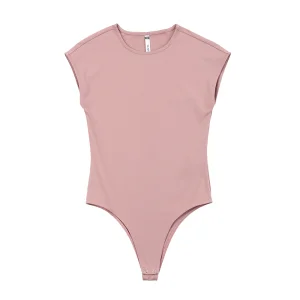
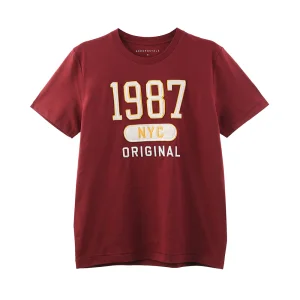
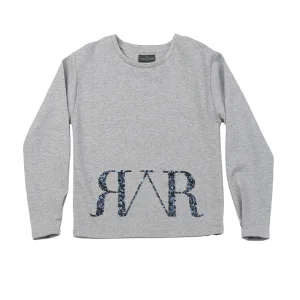
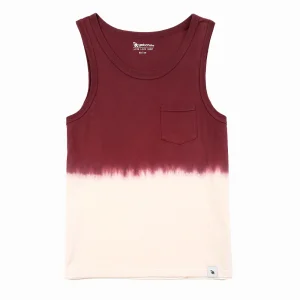
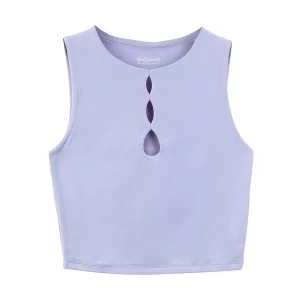
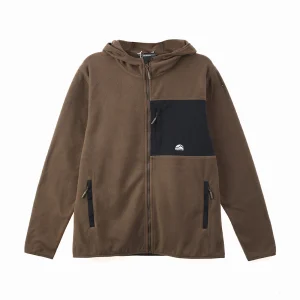
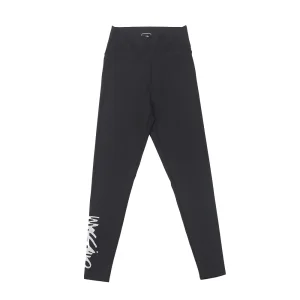
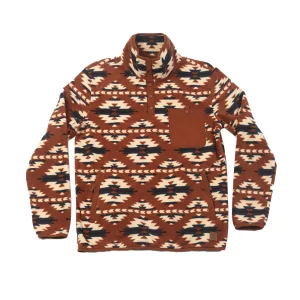
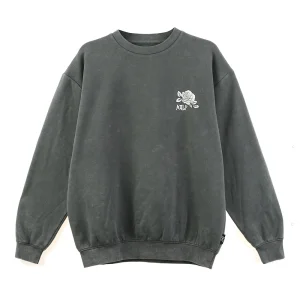
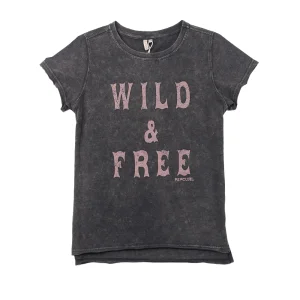
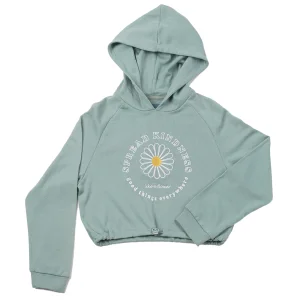
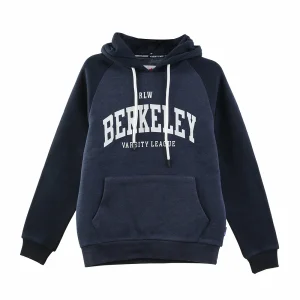
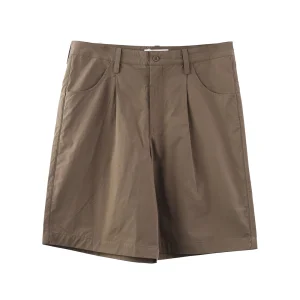
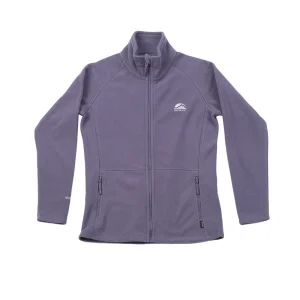
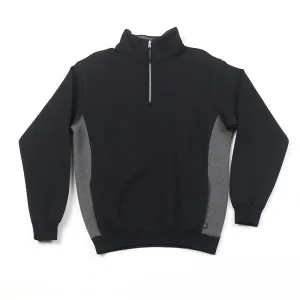
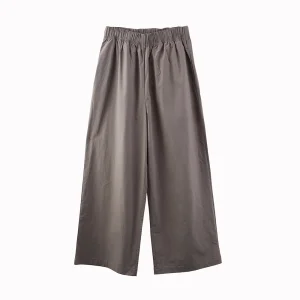
Explore our foundational range of premium custom-knitted and processed designs, calibrated for global markets.
Ningbo Jinmao Import & Export Co., Ltd. — Re-engineering Global Apparel Supply Chains Since 2000.
Ningbo Jinmao Import & Export Co., Ltd. was founded in the year of 2000. Through two decades of navigating complex global trade dynamics, scaling structural challenges, and constantly adapting to manufacturing trends, our corporation makes an annual turnover of over thirty million U.S. dollars. As a prominent garment import and export company in Ningbo city, we operate with a dual commitment to environmental integrity and technical accuracy. We proudly hold certified environmental and quality management systems under the ISO9001:2015 and ISO14001:2015 standards.
We host an independent design and professional technical development team of over 50 expert staff members across men's, ladies', and kids' wear categories. We specialize in complex knitting configurations and lightweight thin woven styles, translating design concepts into retail-ready apparel lines.
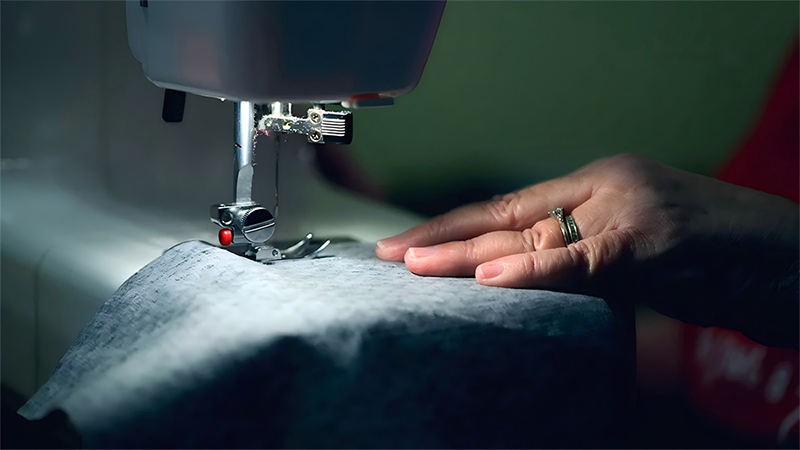
Our sample room operates with dedicated master pattern-makers and sample tailors possessing an average of 20 years of experience. We handle complex pattern-making, fit configurations, and design iterations within a accelerated timeline to optimize client sales campaign prep times.
Our account managers average over 10 years of experience managing programs for major department stores, specialty apparel brands, and international hypermarket chains. We have successfully exported to over 30 countries, streamlining strict product testing and certification protocols.
Understanding the chemistry, mechanics, and value proposition of post-production dye technologies.
Garment dyeing represents a complex, premium shift in modern apparel manufacturing. Unlike traditional yarn-dyed or fabric-dyed garments, the piece-dyeing process occurs on pre-constructed, fully stitched raw-white cotton or blended knit tee shirts. This sequence permits a high degree of color expression, delivering weathered vintage textures, washed seams, and an exceptionally soft hand-feel that cannot be replicated through conventional dyeing routes.
Technological modifications in chemical binders and low-liquor-ratio machinery allow modern manufacturers to execute precise reactive dyes, pigment washes, cold pad batching, and intricate acid wash washes. These technologies prevent high shrinkage variations while stabilizing seam tension, resolving traditional industrial hurdles associated with post-wash fabric distortions.
For modern streetwear houses, premium sportswear brands, and corporate private labels, garment-dyed tees offer a distinctive aesthetic alongside optimized market responsiveness. By maintaining blank inventory, brands can defer coloring decisions until accurate, real-time market data is available, cutting markdown risks and excess inventory levels.
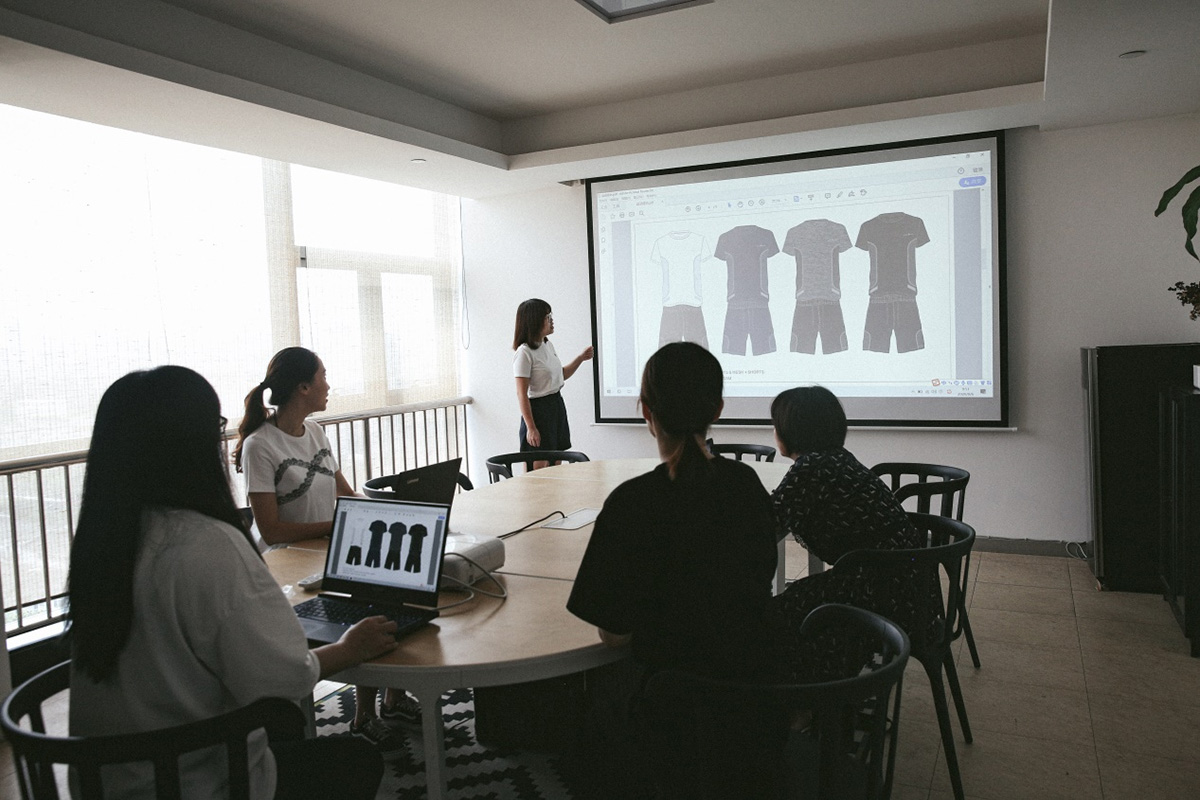
Global apparel buyers are transitioning away from high-volume, single-batch models to mitigate risk. Sourcing groups seek out agile mills equipped to balance custom shade development with manageable Minimum Order Quantities (MOQs), allowing fast adaptation to digital trends.
China's textile manufacturing clusters feature integrated automation, AI-driven color matching (Datacolor), and closed-loop water treatment. Through digital planning, our regional supply chain provides excellent lead-time reliability and quality control.
Global trade mandates, including EU ESG and US import rules, require complete traceability. Ningbo Jinmao meets these requirements by sourcing materials certified to Oeko-Tex Standard 100, Global Recycled Standard (GRS), and Better Cotton Initiative (BCI).
A resilient network of 30+ factories across China’s textile hubs, built for flexibility.
Our production network extends across key garment manufacturing provinces, including Jiangxi, Anhui, Henan, and Zhejiang. Our 30+ partner factories operate 100+ production lines and employ over 10,000 skilled workers, offering scalable manufacturing capacities.
This layout accommodates diverse order profiles. We route large-scale programs through fully automated facilities, while allocating specialized low-MOQ runs to quick-response boutique workshops. All network factories maintain major international certifications: WARP, BSCI, Sedex, and Disney FAMA.
For fabric sourcing, we partner with specialized mills to offer Oeko-Tex, BCI, recycled polyester, organic cotton, Australian cotton, Supima, and Lenzing Modal. Our system provides flexible alternative configurations for custom programs that fall below raw fabric minimum order requirements.
Premium material bases paired with advanced mechanical and chemical finishes.
Select from our catalog of certified knits, engineered for stability, color uptake, and print retention:
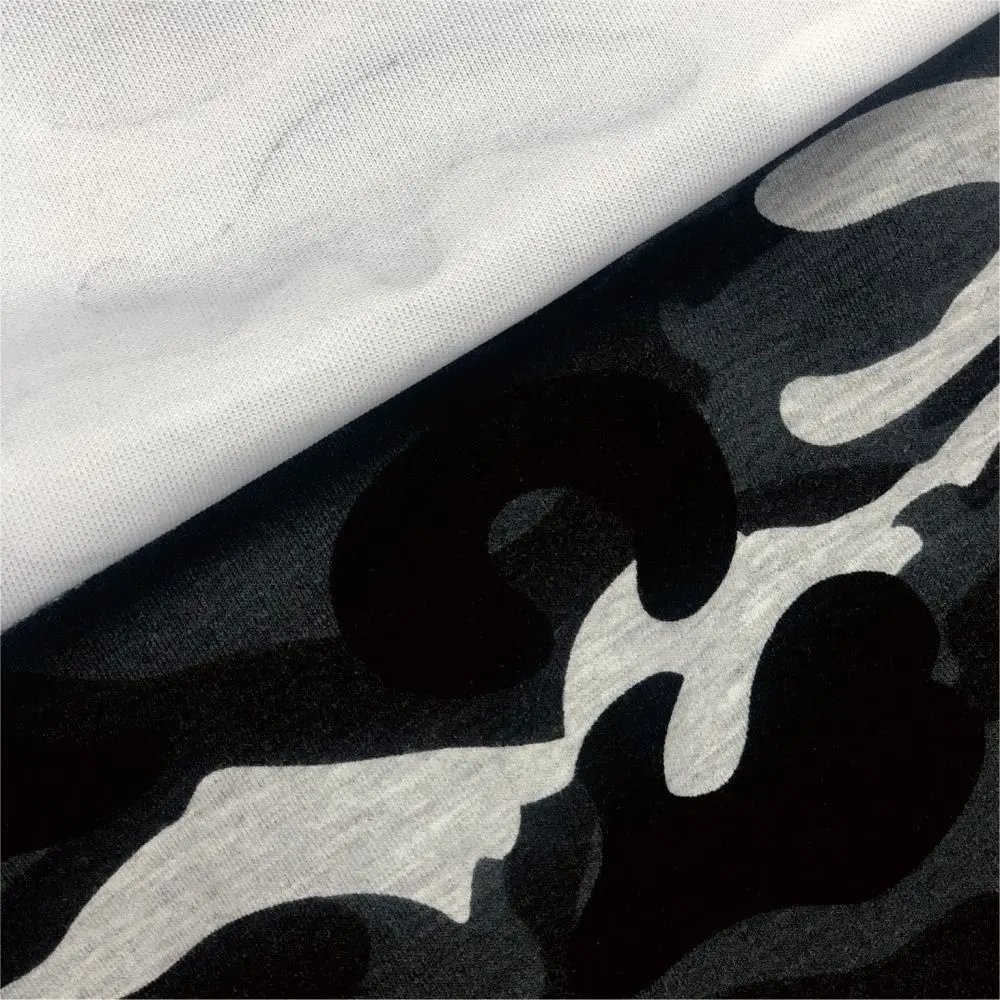
Double-knit design featuring a smooth feel and structured drape, ideal for premium tech-wear and sportswear.
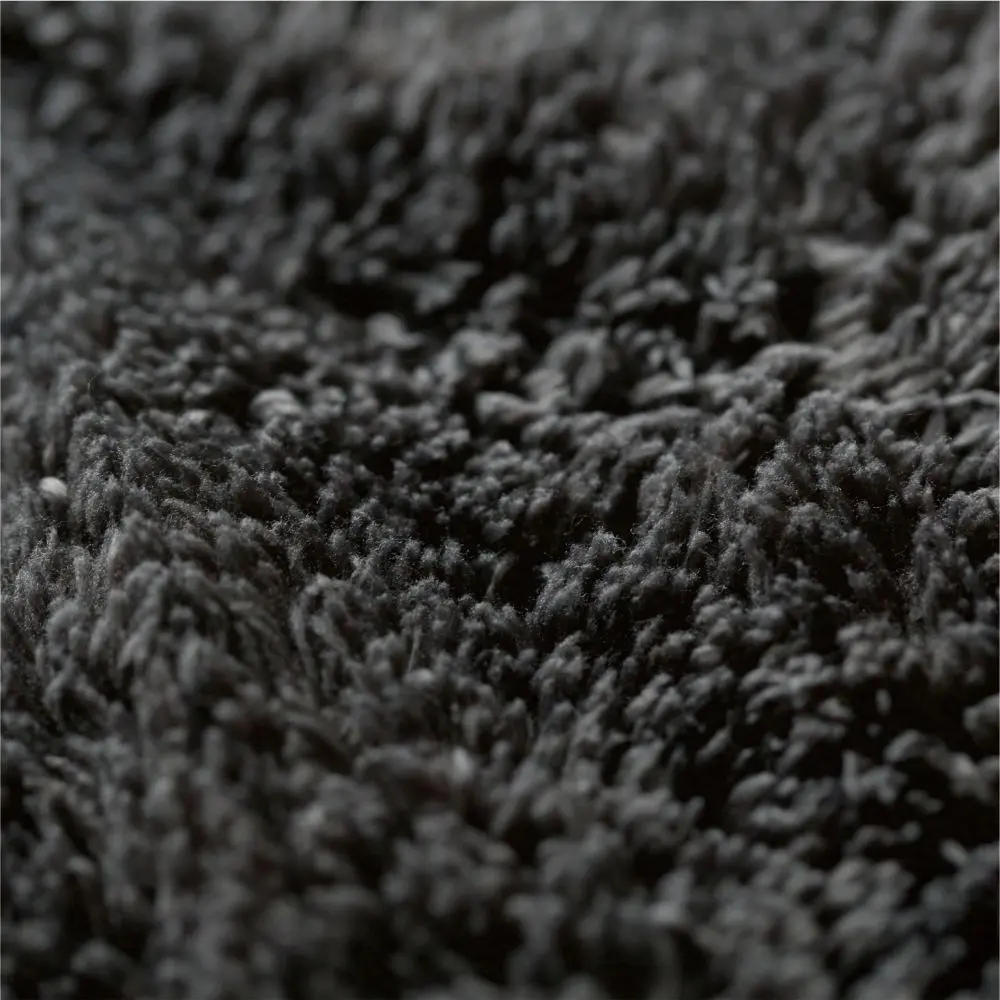
High-loft thermal fabrics brushed for insulation, serving premium leisurewear and outerwear markets.
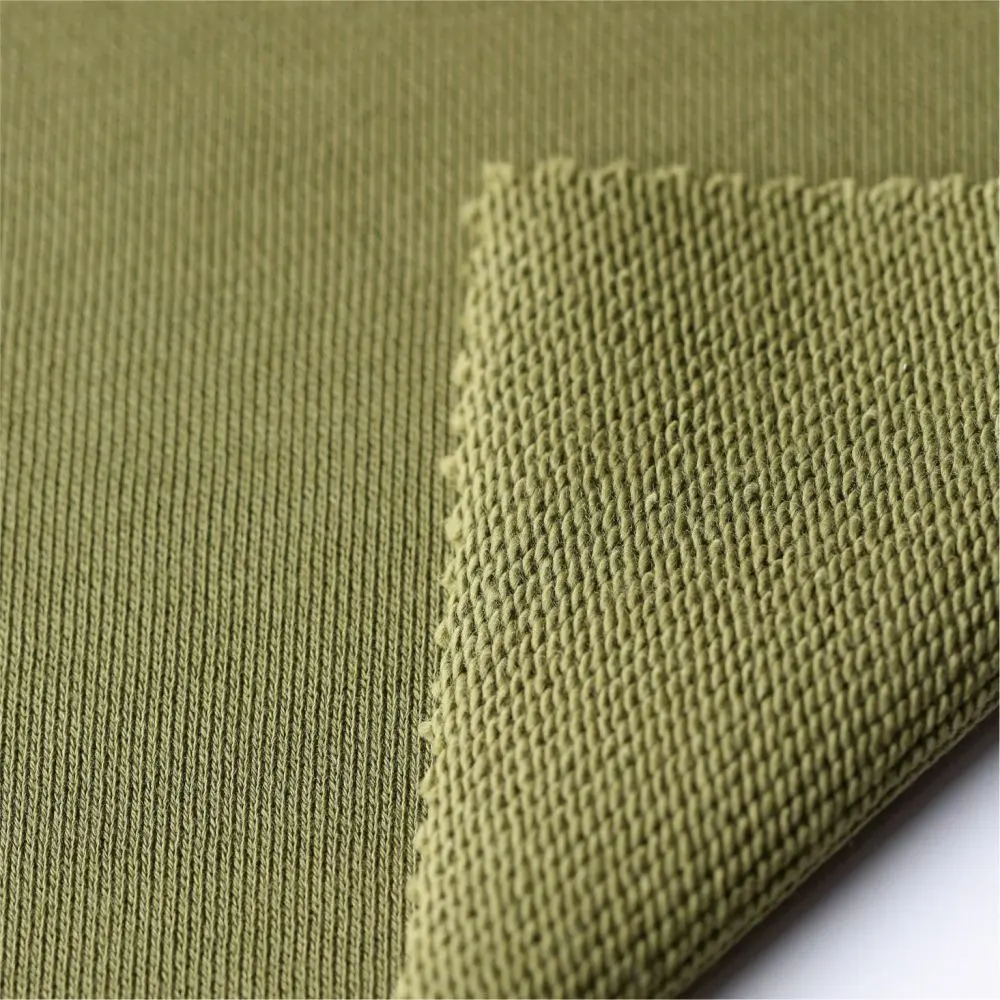
Unbrushed loopback fabric displaying high absorbency, optimized for custom vintage-wash hoodies.
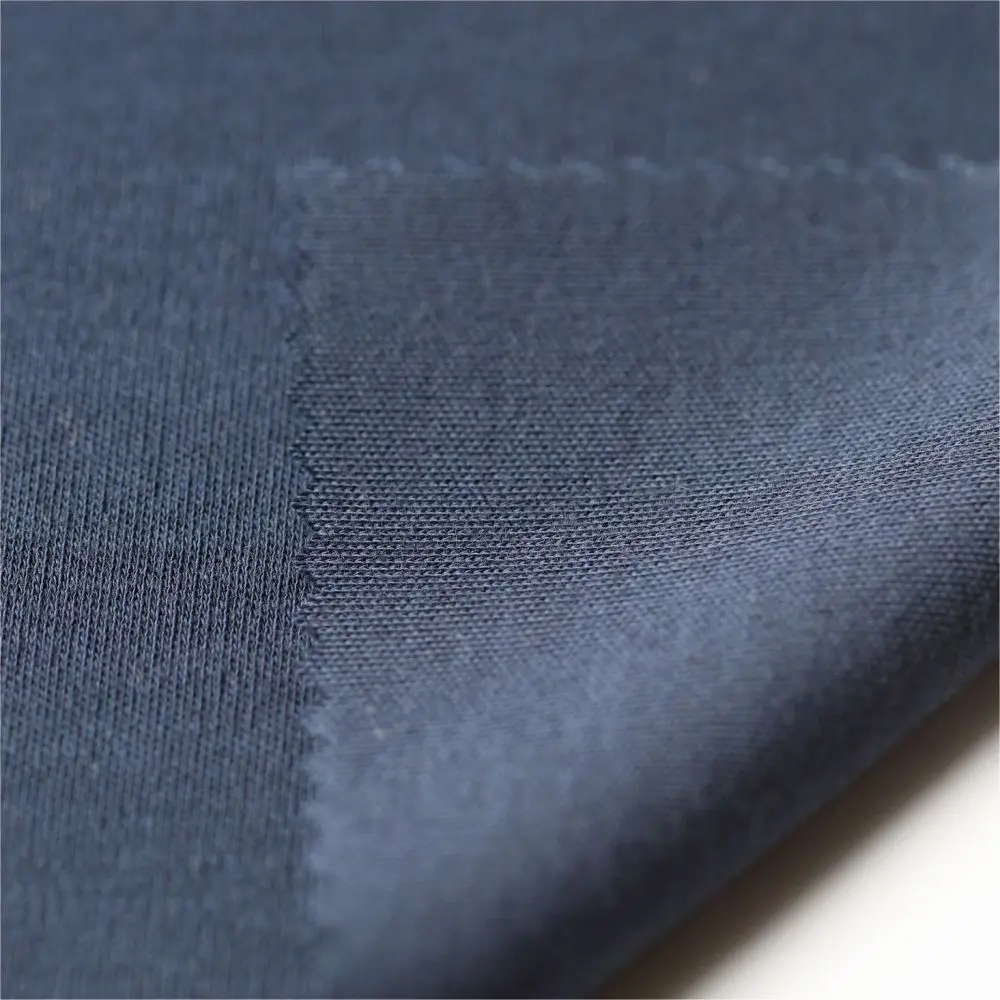
Durable knit construction with identical faces, providing a smooth base for high-definition printing.
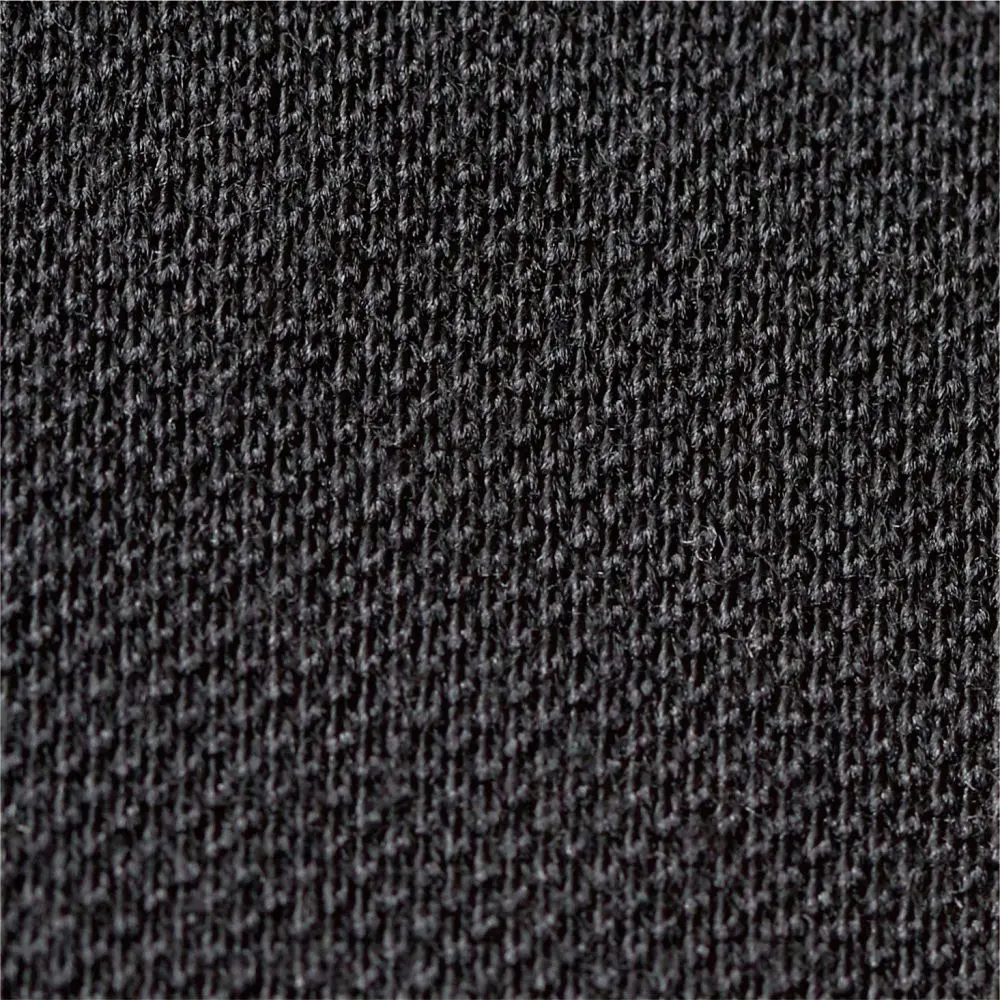
Textured geometric knit with elevated breathability, used for sports-luxe and polo shirts.
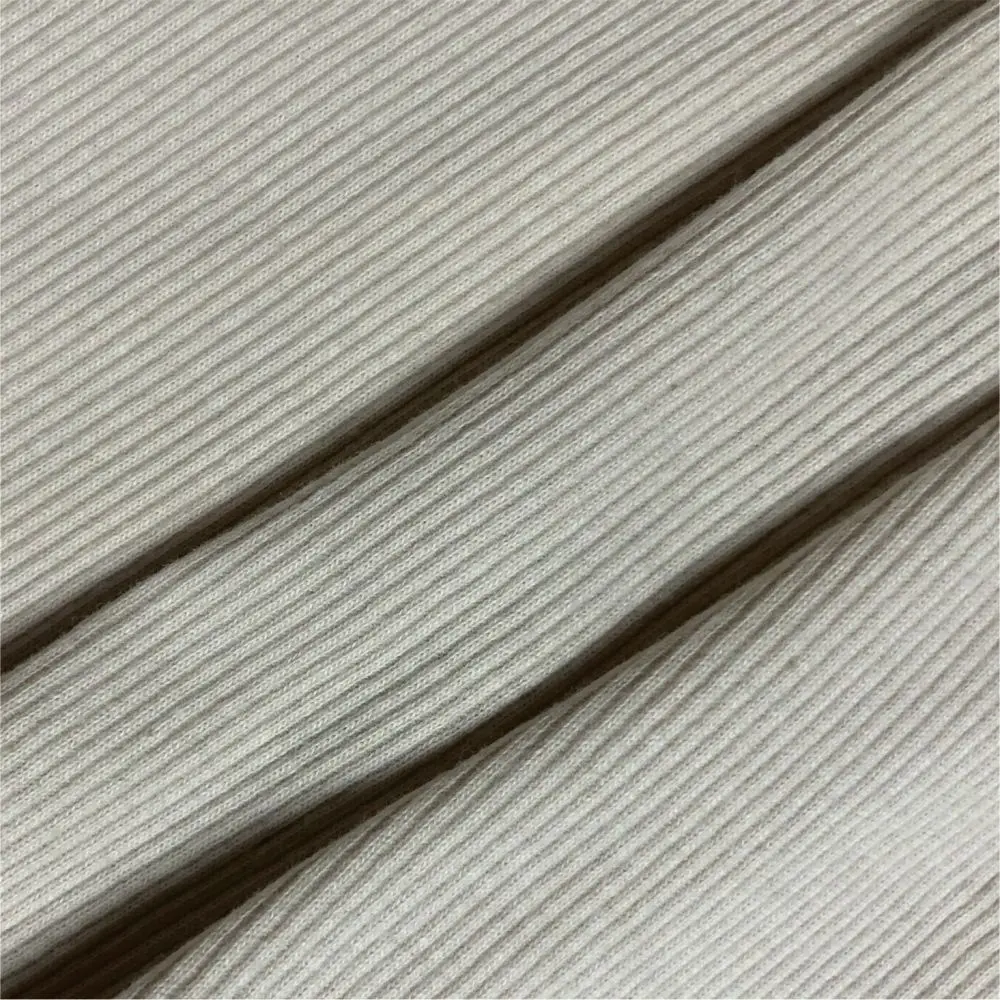
Elasticated structure with distinct vertical ridges, ensuring recovery for necklines, cuffs, and bodysuits.
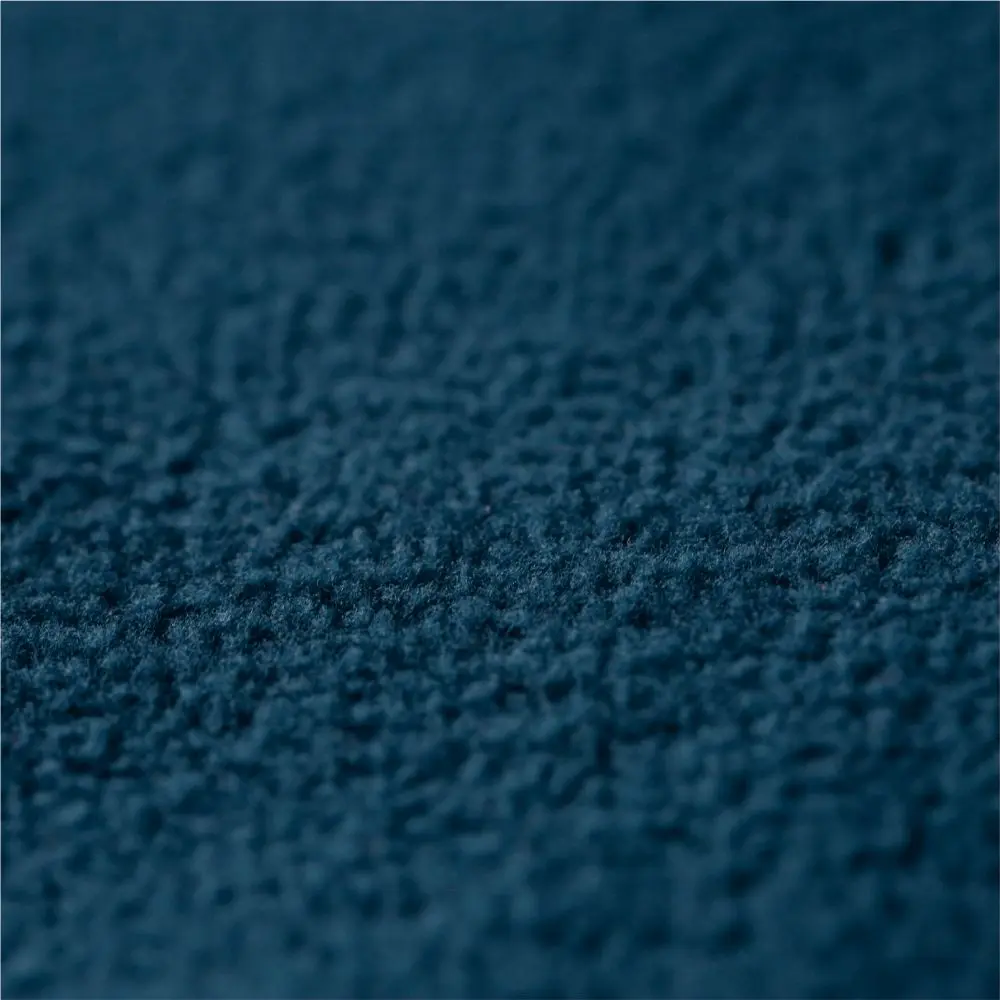
Synthetic thermal fleece made with GRS-recycled polyester, serving outerwear markets.
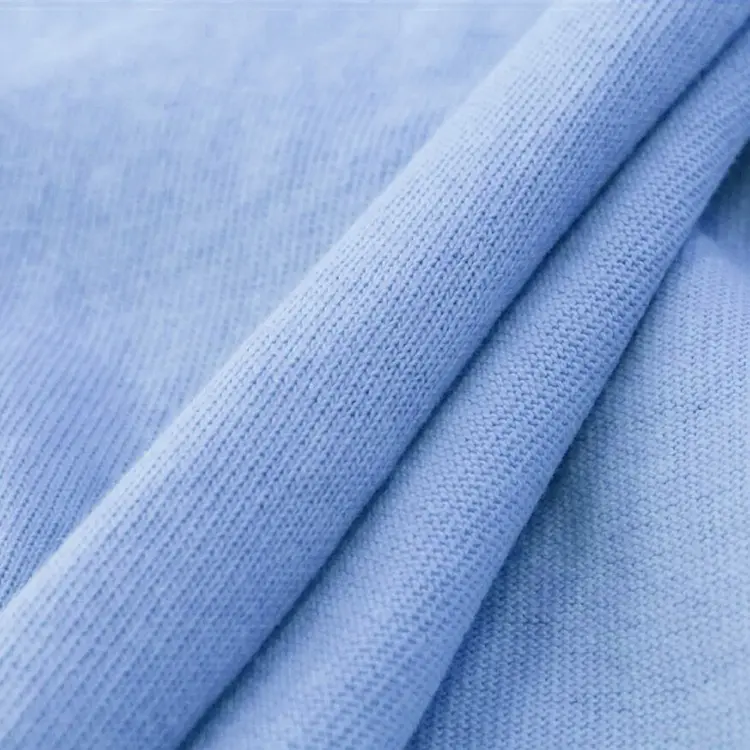
Classic jersey knit with natural stretch, serving as the industry standard for garment-dyed tees.
Our finishing capabilities support branding details through various application techniques:
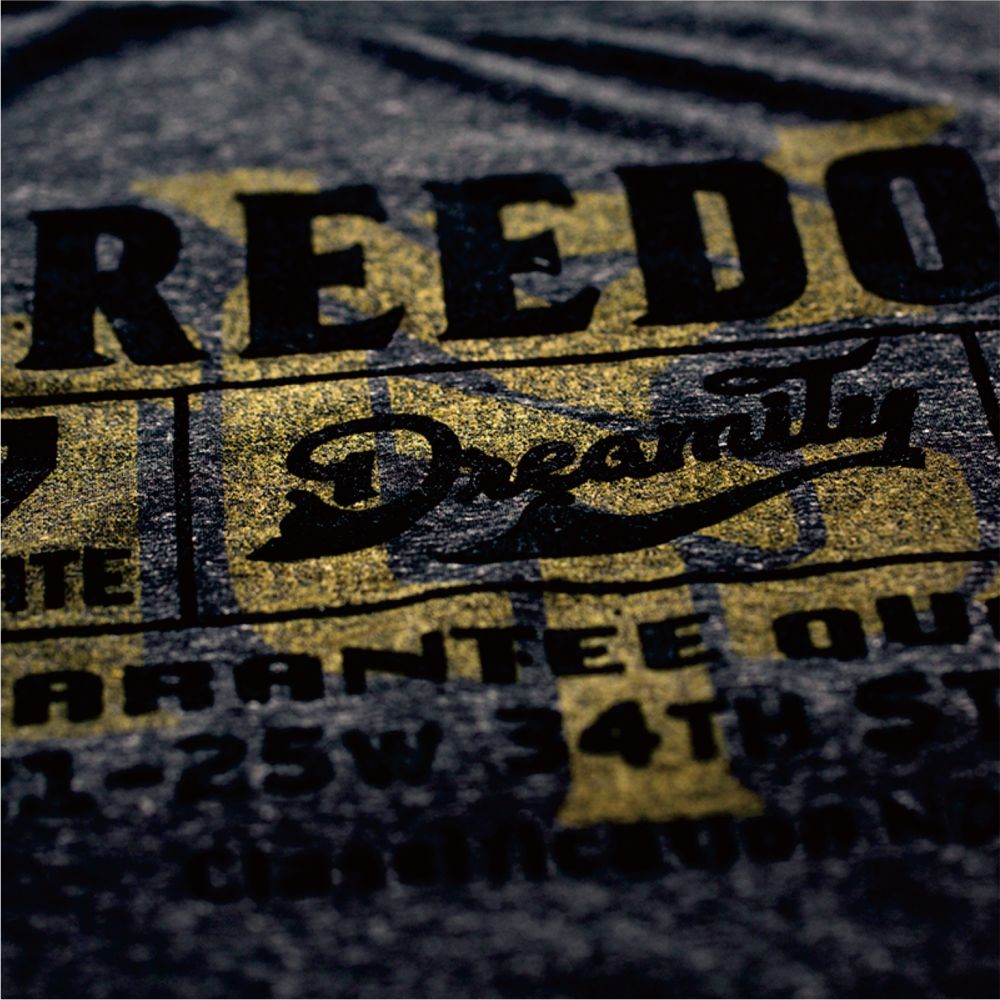
Discharge processes remove base dye color to restore raw cotton fibers, leaving prints soft and breathable.
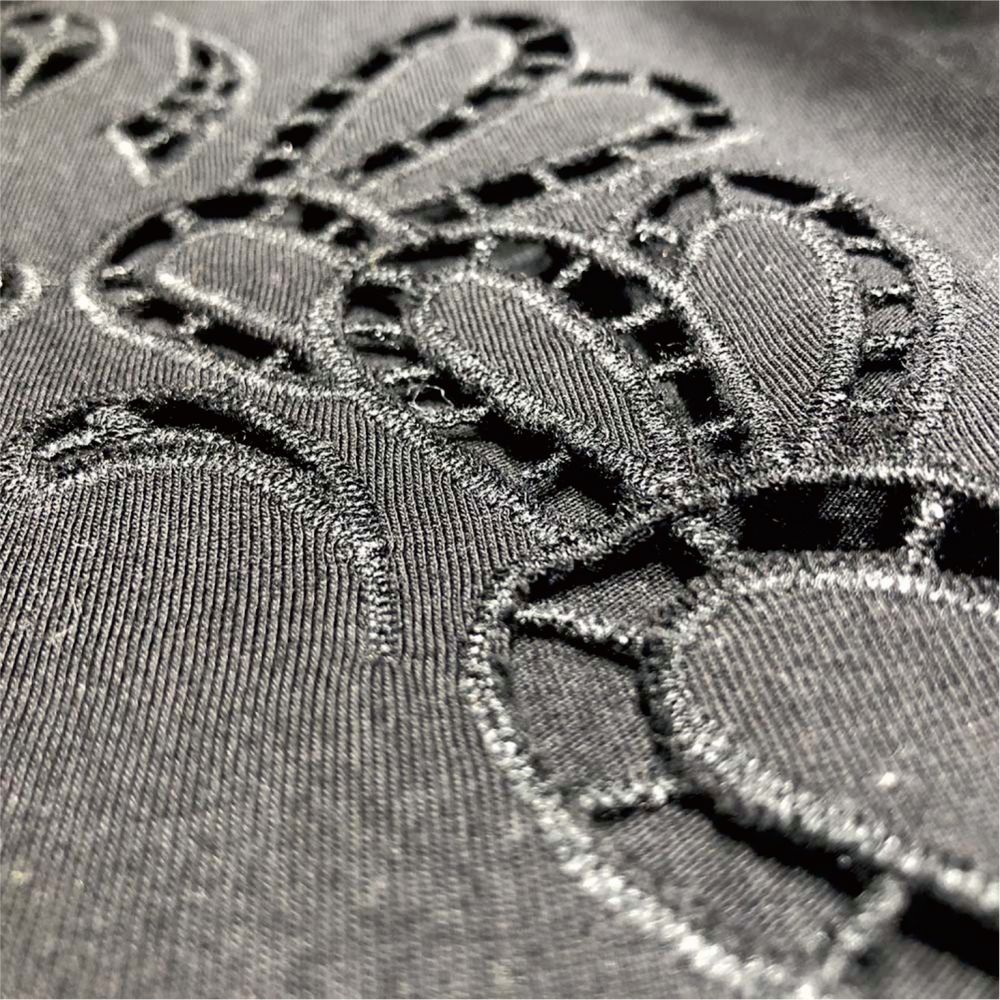
High-density, multi-head embroidery configurations using pre-shrunk, colorfast threads.
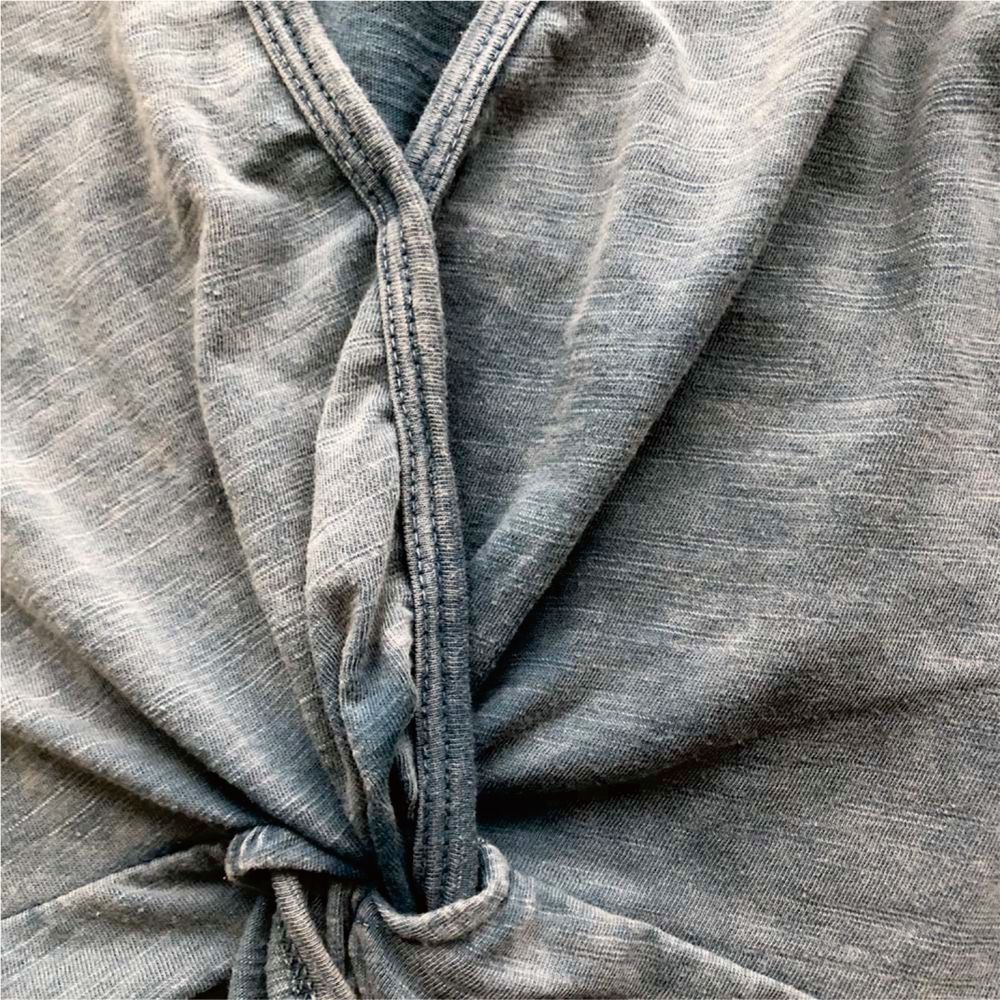
Enzyme washes, silicone softening, and mercerization treatments to modify base hand-feel and luster.
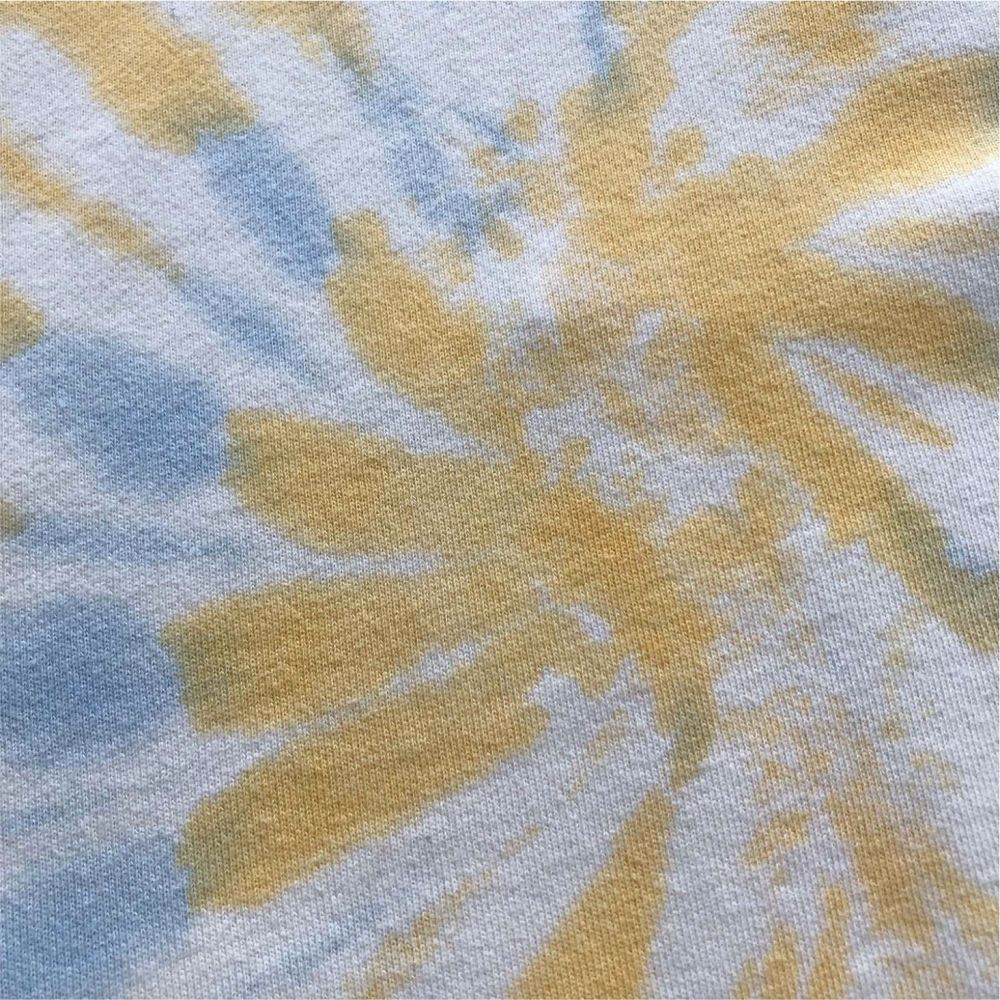
Finished piece treatments, including pigment spraying, tie-dye, dip-dye, and flock printing.
A transparent, milestone-driven development process from concept to delivery.
We convert customer design sketches or reference samples into custom digital patterns. Our technical pattern makers complete paper drafts in 1–3 days, producing physical prototypes in 7–14 days for customer fit evaluation.
We dye raw cotton swatches to confirm custom Pantone matching. After finalizing fabric base specs, print placements, and trims, we produce a complete Pre-Production Sample (PPS) as the quality standard for bulk processing.
We deploy in-line quality control inspectors to monitor yarn tension, seam strength, dye uniformity, and shrinkage rates. Finished lots undergo final inspection, with sample shipments dispatched for client sign-off before transport.

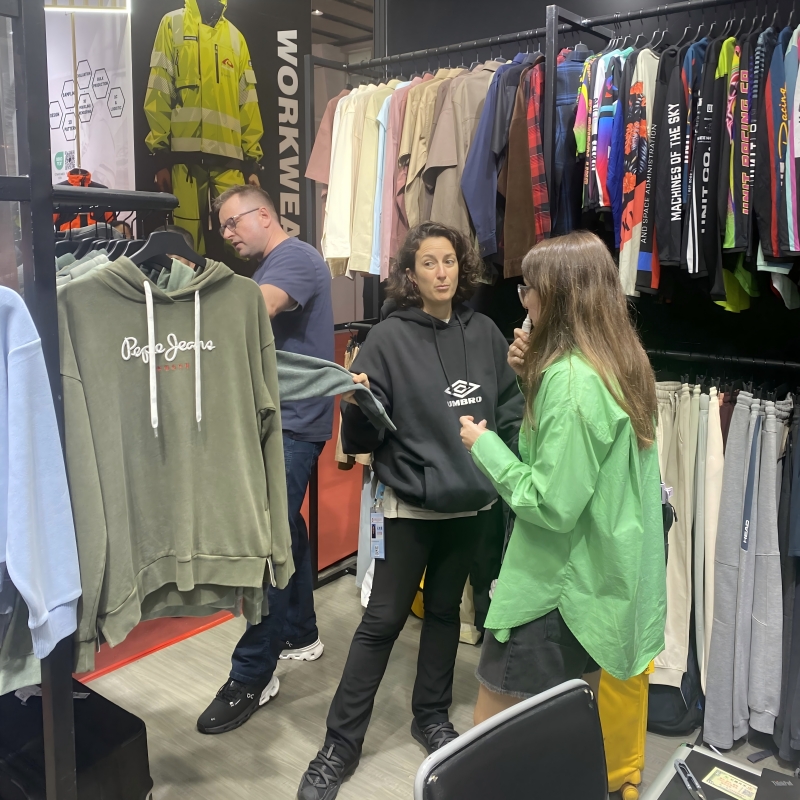
Technical information and details regarding our apparel manufacturing practices.
Our prices depend on raw material costs, wash processes, design specifications, and volume. We supply an updated, estimated pricing catalog once we review your structural tech sheets.
Yes, we require minimum order quantities depending on fabric type and wash process. We offer flexible options for custom colors by using shared fabric inventory when available.
We supply standard commercial documentation, including Certificates of Analysis/Conformance, insurance records, certificates of origin, and GRS/Oeko-Tex raw material certifications.
Sample runs average 7–14 days. Bulk production takes 3–4 weeks for basic designs and 4–5 weeks for complex wash styles after pre-production sample approval, depending on shipping schedules.
We accept Telegraphic Transfer (T/T) and Irrevocable Letters of Credit (L/C) at sight. Post-T/T payment options are available subject to verification by China credit insurance agencies.
We cover material and construction defects. Our quality control team manages defect issues, and we work to resolve any post-delivery discrepancies to the customer's satisfaction.
Yes, we provide physical fit samples to confirm details before bulk production. Sample costs are charged upfront and credited back when the bulk production order is finalized.
No, our site showcases representative product configurations. Contact our sales department to discuss custom fabric blends, specialized washes, and tailored designs.
Long-term global relationships built on quality and shared sustainability goals.


Explore our selections in sustainable fleece, high-density knits, and custom post-wash apparel.
 Jinmao