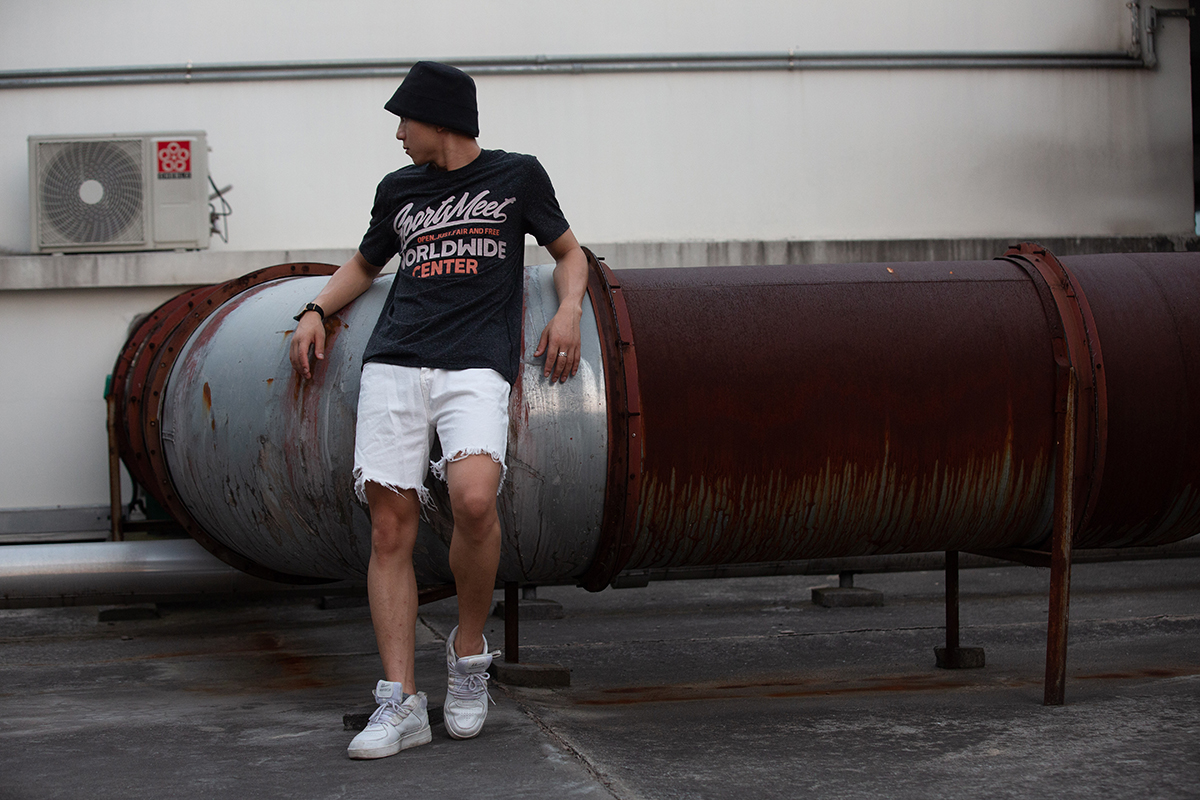
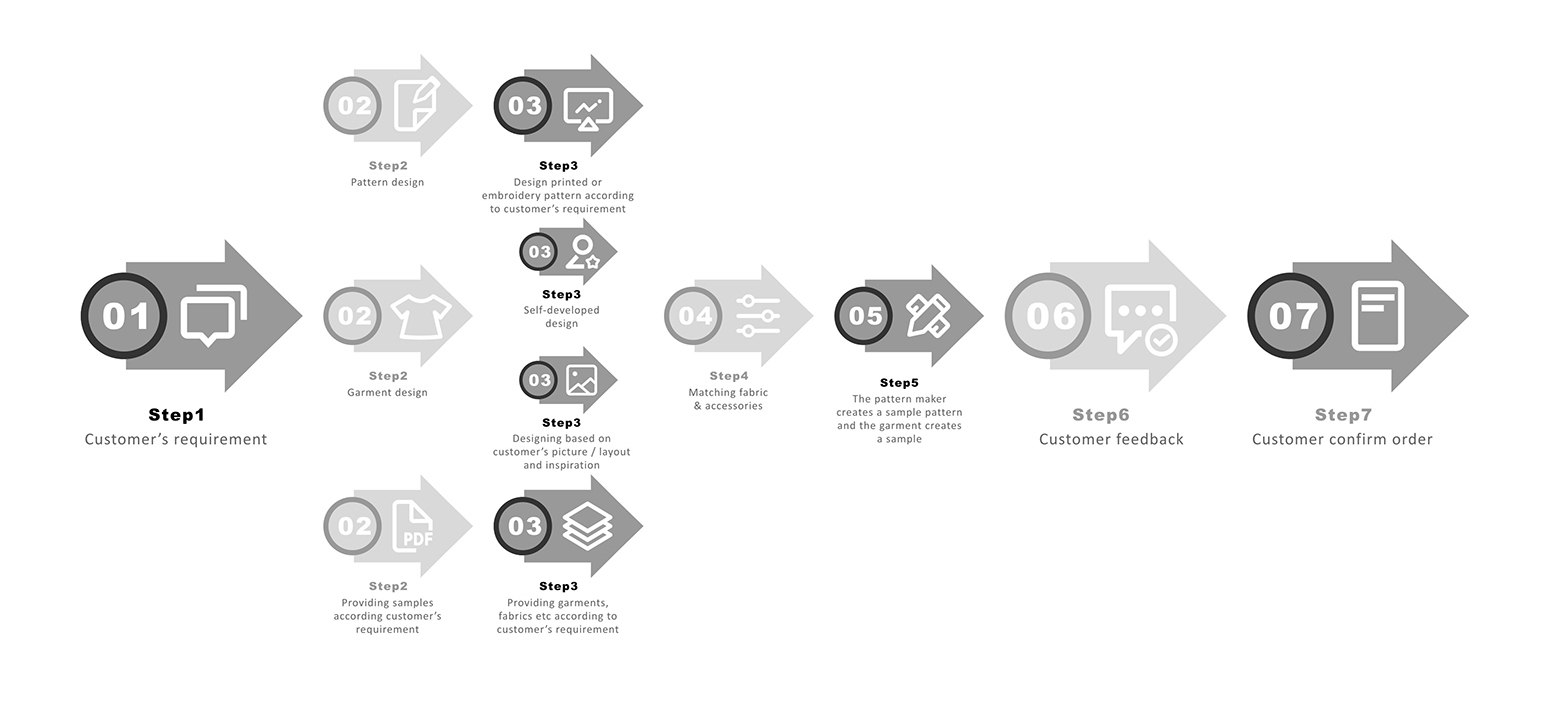
Discover our highly requested bespoke apparel lines, showcasing specialized fabric manufacturing and precision embroidery integrations.
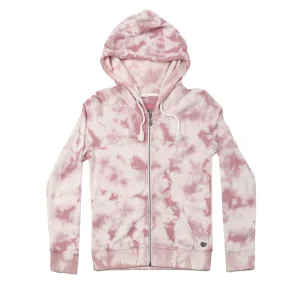
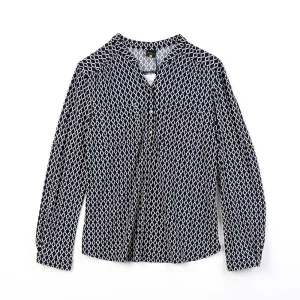
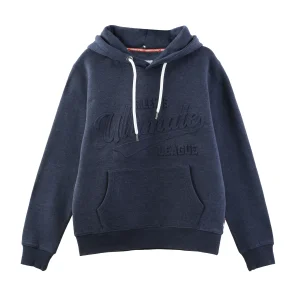
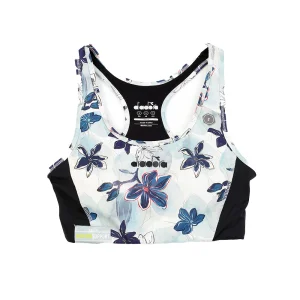
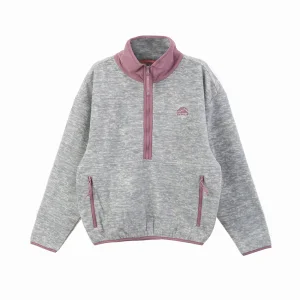
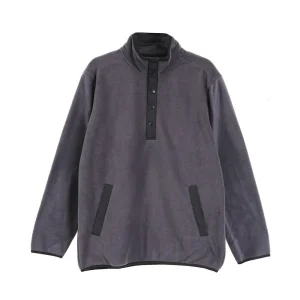
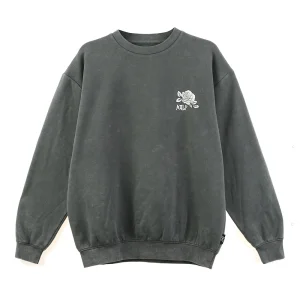
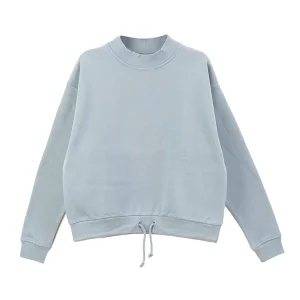
In the modern global fashion landscape, the commercial demand for visually striking, highly reflective metallic embellishments has positioned the Foil Print T-Shirt as a staple in luxury streetwear, corporate merchandising, and athleisure markets. Foil printing relies on applying a metallic pigment or polyester film onto fabrics using heat, pressure, and highly resilient thermoplastic adhesives. However, achieving retail-grade durability that survives standard laundering routines requires exceptional technical control over the thermodynamic properties of the adhesive layers and the mechanical tension of the base knit fabrics.
The contemporary apparel industry faces a major challenge: balancing visual aesthetics with durability. Metallic foil prints—available in gold, silver, holographic, copper, and multi-tone reflective finishes—are highly susceptible to cracking, oxidation, and peeling if manufactured incorrectly. Brands sourcing globally require products that satisfy ISO 6330 washing standards (retaining reflective integrity after 20+ domestic wash cycles). This demand has shifted the manufacturing paradigm. Factories must now utilize advanced poly-urethane (PU) binder systems and automated screen/heat transfer machinery to ensure that the microscopic adhesive grid matches the expansion and contraction parameters of knitted cotton, French terry, and elastane blends.
Founded in the year of 2000, Ningbo Jinmao Import & Export Co., Ltd. has established itself as an industry leader in China's premium textile cluster. Generating an annual turnover exceeding thirty million U.S. dollars through two decades of adaptation, innovation, and challenge, we operate as a prominent garment import and export enterprise in Ningbo. We are highly conscious of environmental concerns and strictly maintain the quality and environmental management system certifications of ISO9001:2015 and ISO14001:2015. Backed by a dedicated workforce of over 50 professionals in our central office, our production lines span high-performance men's, women's, and children's knit and thin woven apparel.
Western and global brands are facing critical supply chain challenges: raw material price volatility, logistical delays, and strict import regulations. Sourcing from our centralized ecosystem in China eliminates these pain points. China's textile infrastructure provides unparalleled yarn availability, localized dye-houses, and advanced printing mills. At Ningbo Jinmao, we operate a flexible supply chain by partnering with over 30 certified factories across key provinces like Jiangxi, Anhui, Henan, and Zhejiang. These facilities include large-scale manufacturing campuses with thousands of workers alongside boutique sample shops, and they carry certifications from WARP, BSCI, Sedex, and Disney.
This allows us to manage varied order sizes while offering materials certified by Oeko-Tex, BCI, GRS (recycled polyester), organic cotton, Australian cotton, and Lenzing Modal. If a customer cannot meet traditional Minimum Order Quantities (MOQs), we draw from our pre-allocated, certified fabric stock, providing alternative solutions to keep the brand's production moving forward efficiently.
How our specialized technical design teams translate conceptual sketches into production-ready physical apparel assets.
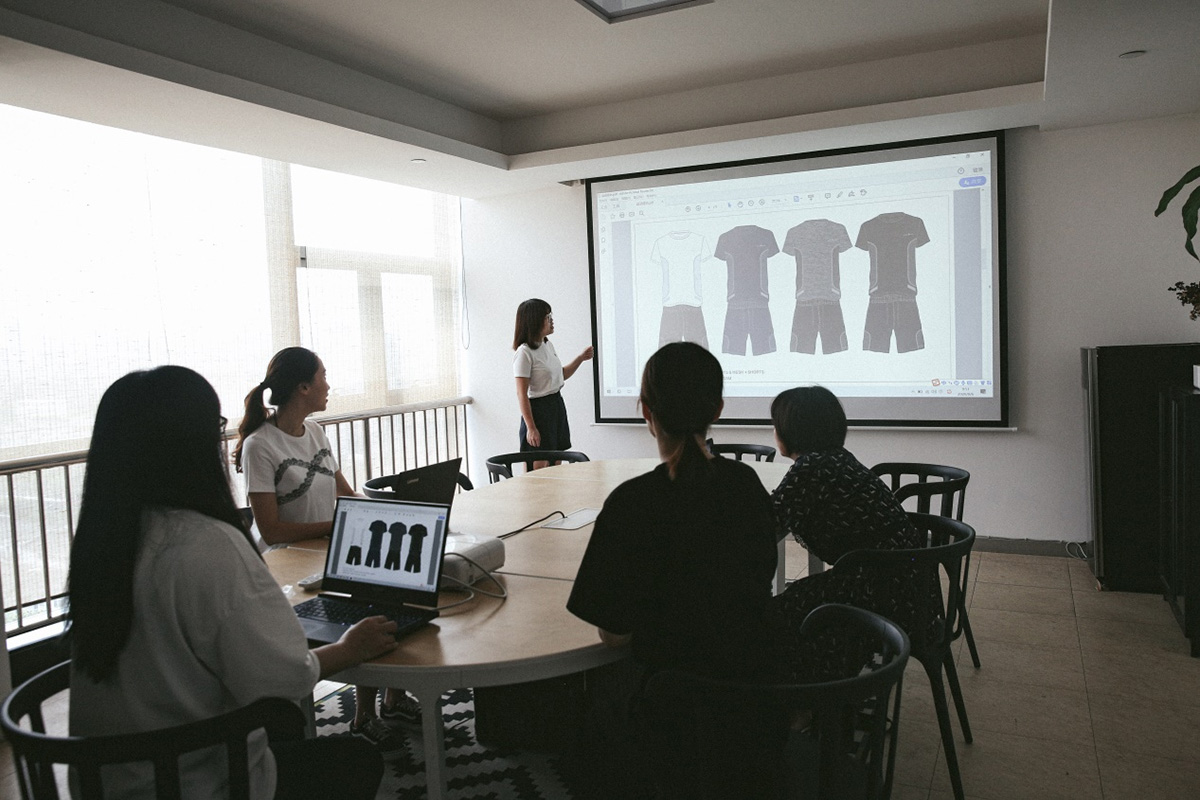
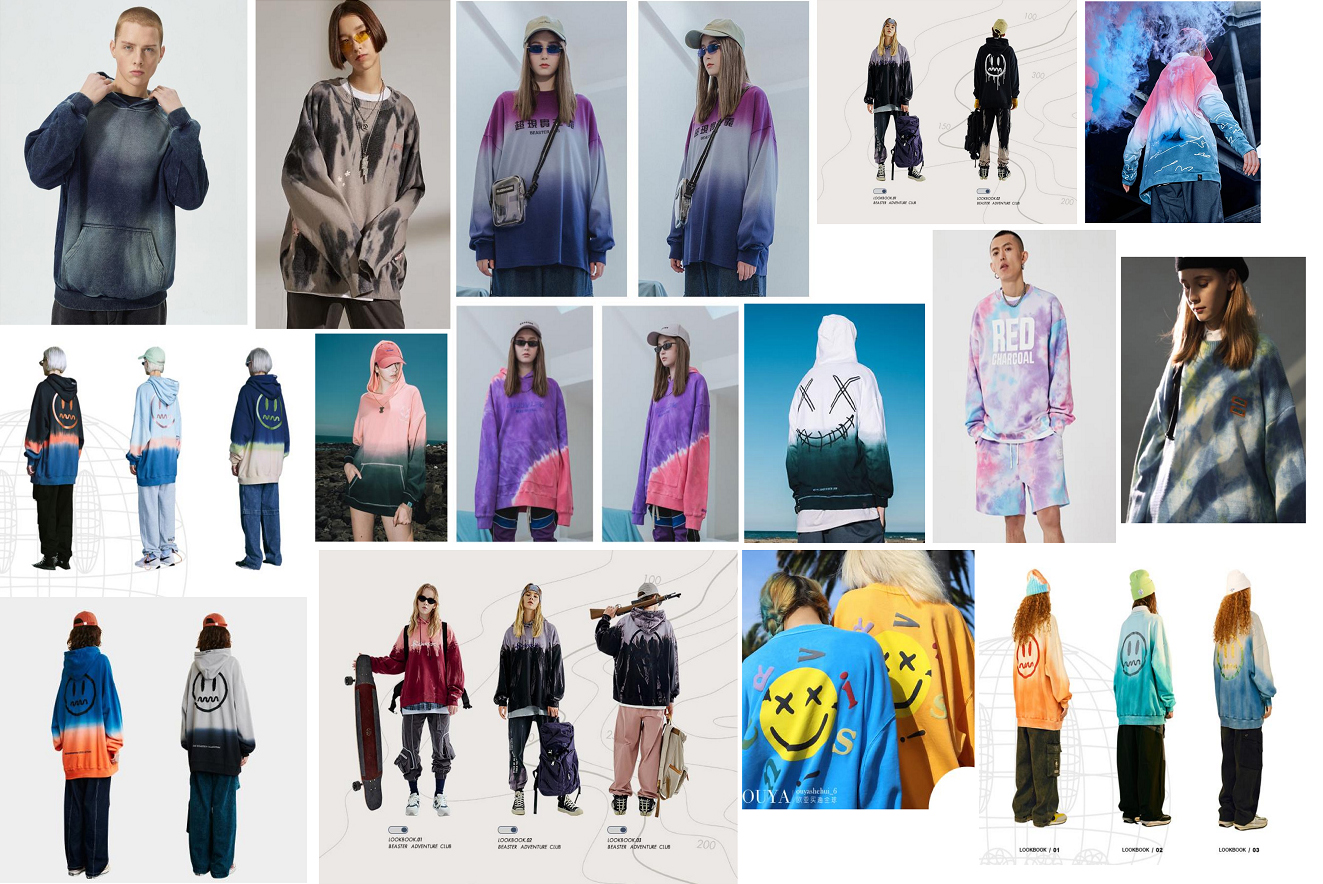
Our independent professional design and development team provides end-to-end assistance. Send us your mood boards, sketches, or reference photos, and we will create digital mockups, suggest tech-packs, and recommend suitable fabrics based on your market positioning.
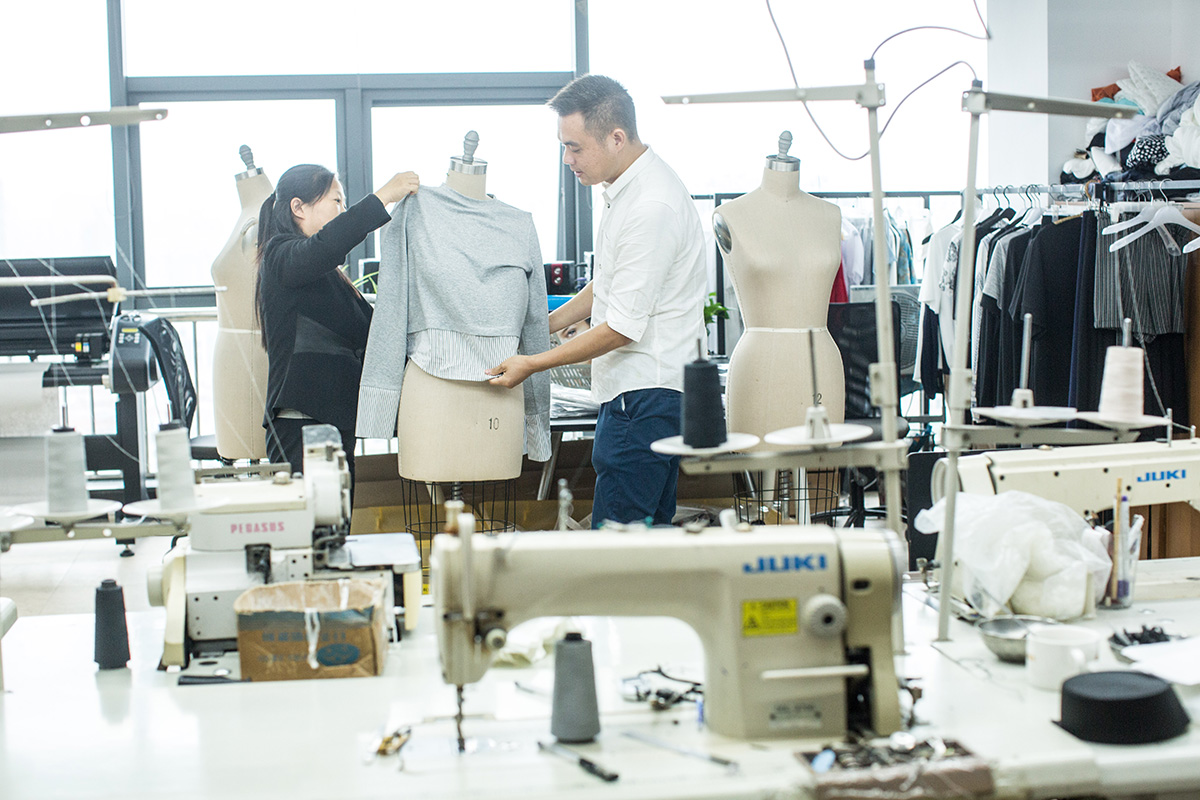
Featuring pattern-makers and tailors with an average of 20 years of experience, our sample room rapidly produces sales samples and prototypes, ensuring precise sizing, perfect drape, and optimized foil application positioning prior to bulk cutting.

Our business unit has served over 100 global brands in 30+ countries. They possess a deep understanding of local compliance rules, print performance standards, and chemical safety laws (such as REACH and US CPSIA guidelines).
Our modern office and showroom facilities connect our logistics, design, and manufacturing divisions. Every step of our procurement process is structured to guarantee that all products conform to major international audits. From raw fiber sourcing to the final packaging stage, our processes align with certified quality guidelines, ensuring transparent tracking for our retail partners.
We specialize in engineering specific fabric weights, textures, and structures that serve as optimal substrates for foil printing and high-end apparel construction.
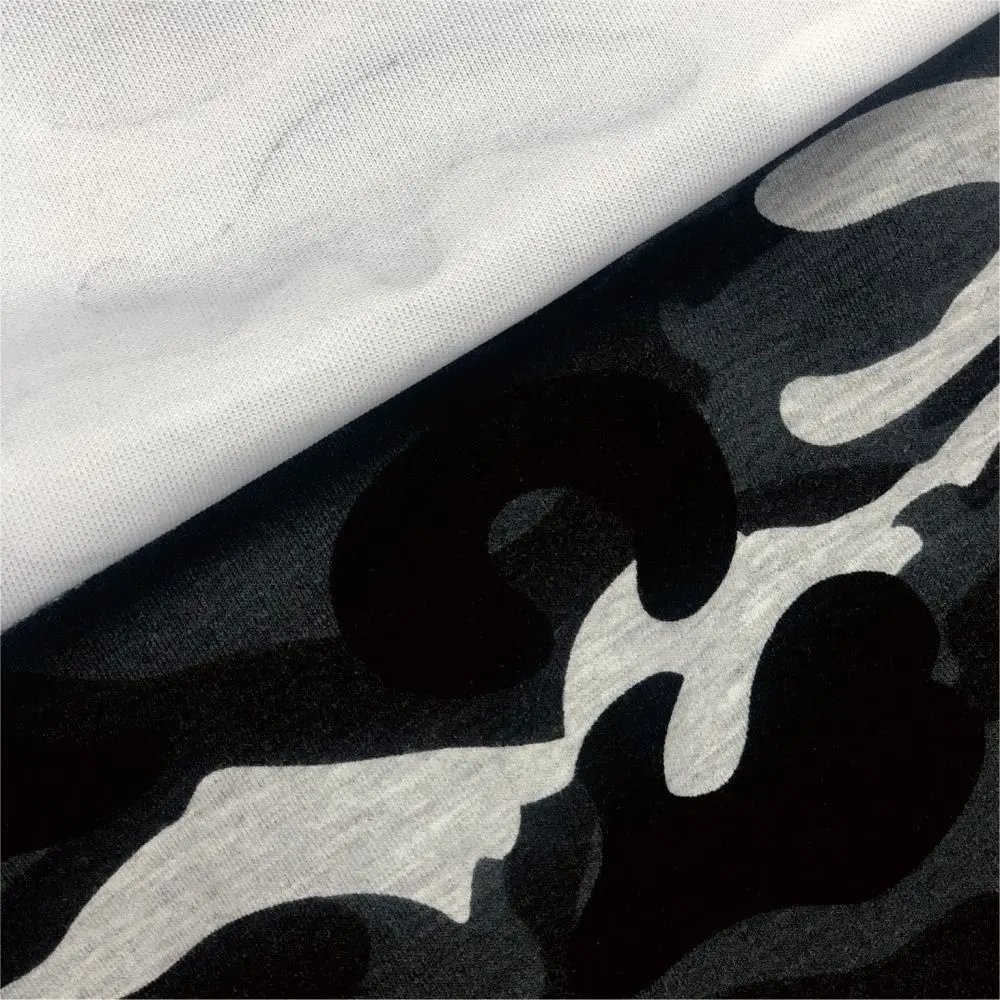
High-density double knit fabric offering excellent structural retention and a smooth, level surface that makes it an outstanding substrate for high-fidelity foil transfer prints.
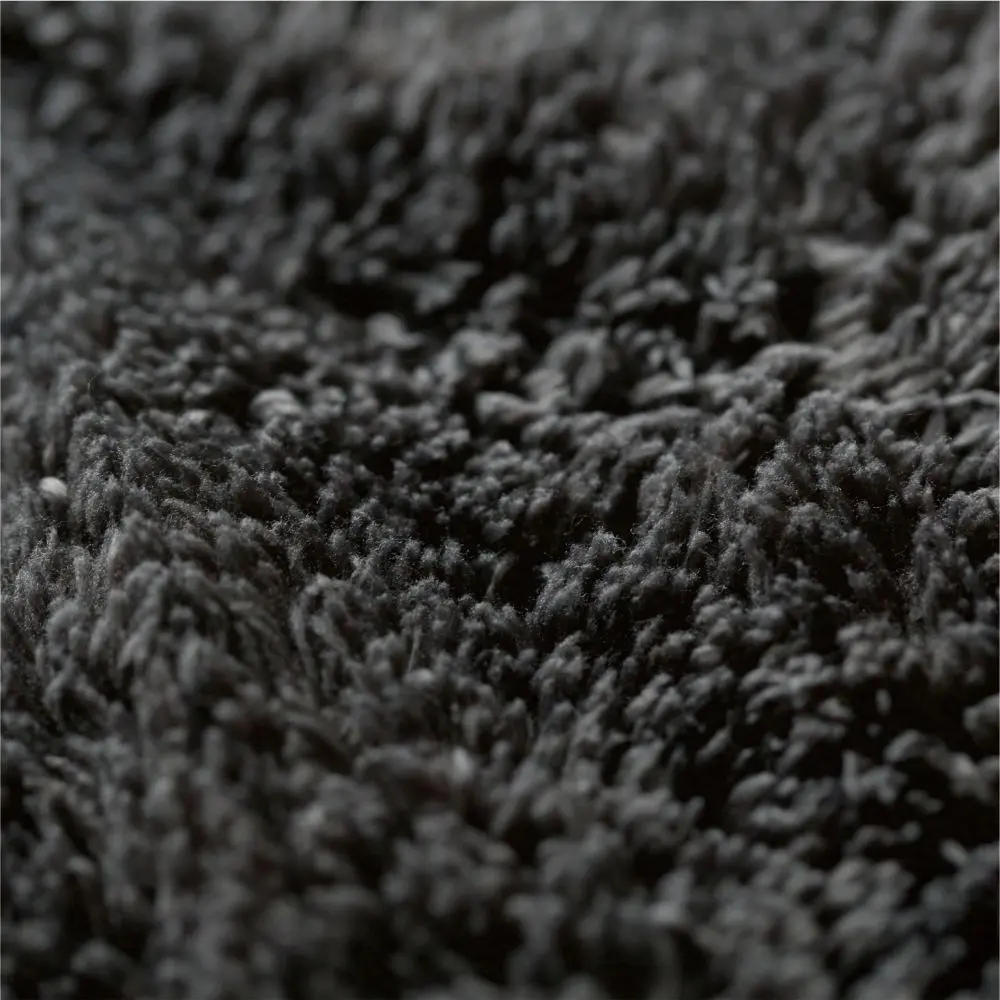
High-loft thermal fabrics that provide superior insulation. They require carefully calibrated hot stamping parameters to apply durable branding elements.
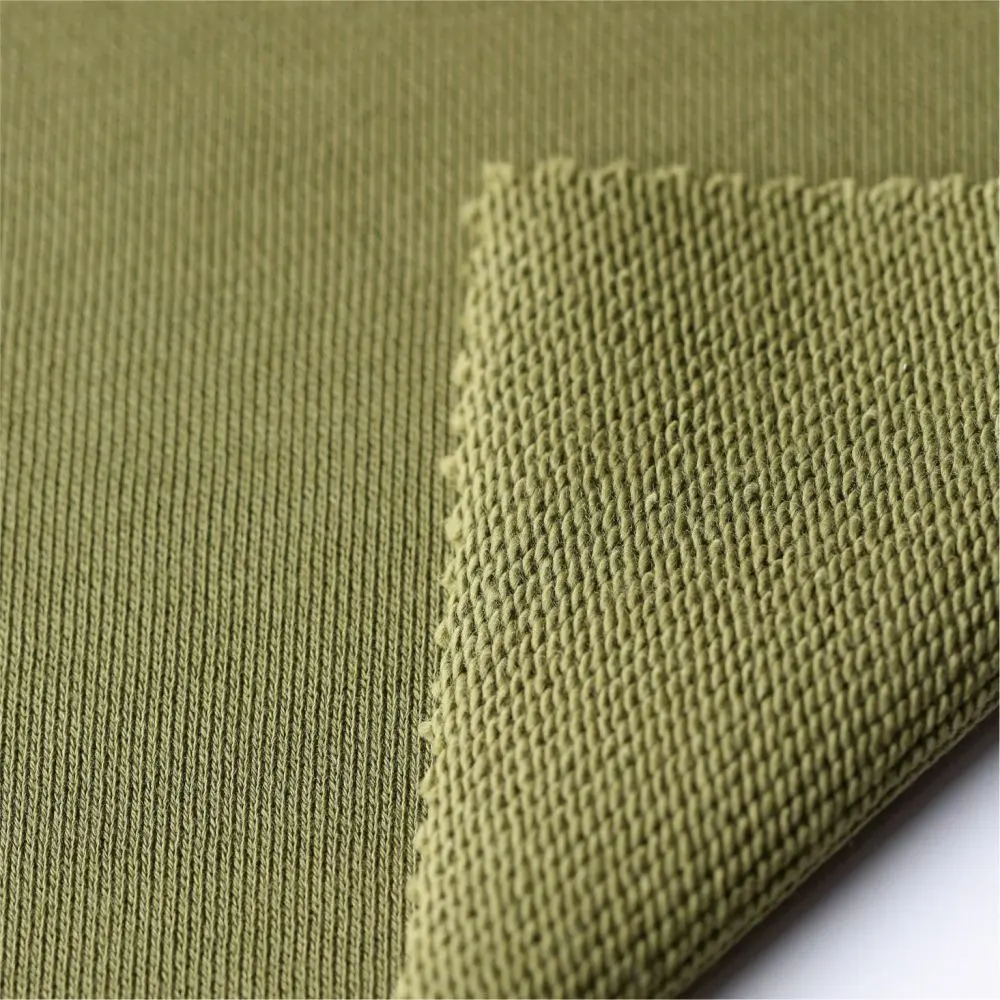
Premium cotton and poly-cotton blends with brushed backs or unbrushed loops. These fabrics are ideal for heavy street-wear hoodies featuring bold metallic graphics.
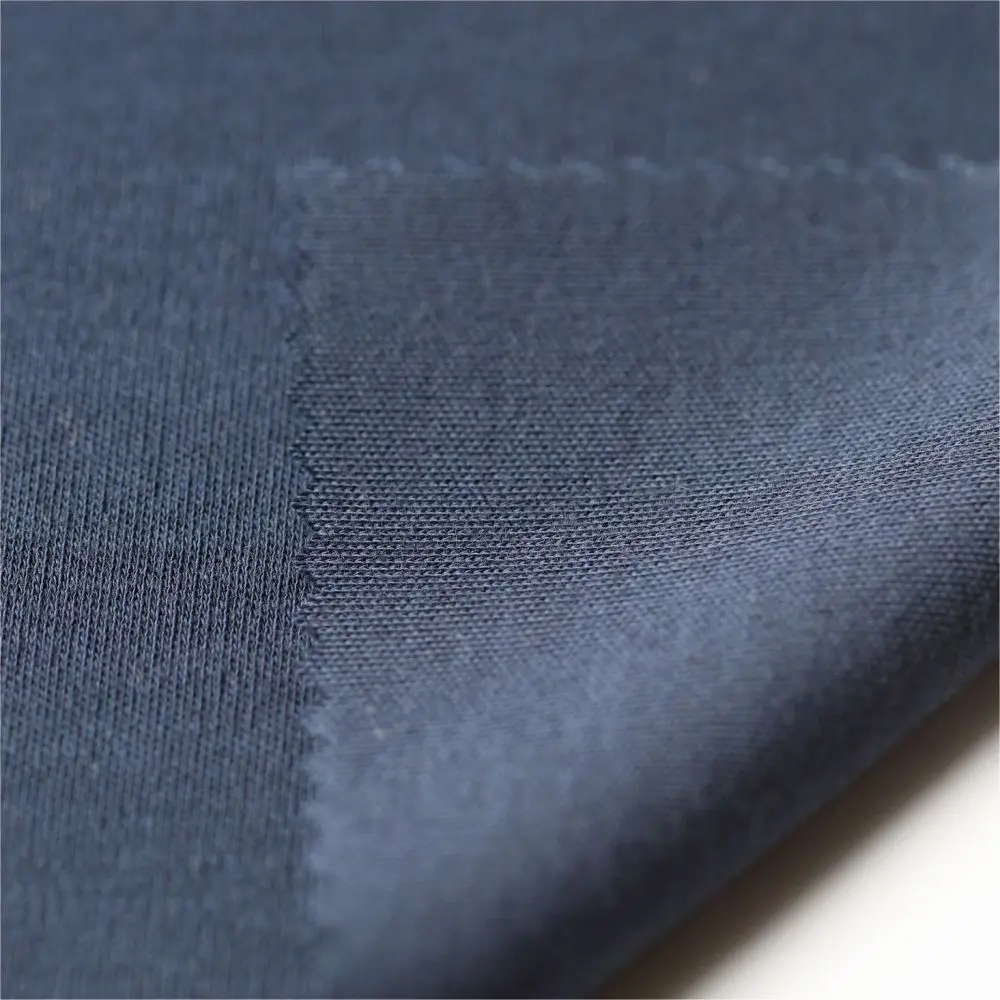
A firm, double-knit fabric that resists curling at the edges, offering a flat surface that prevents micro-cracks in metallic foil prints.
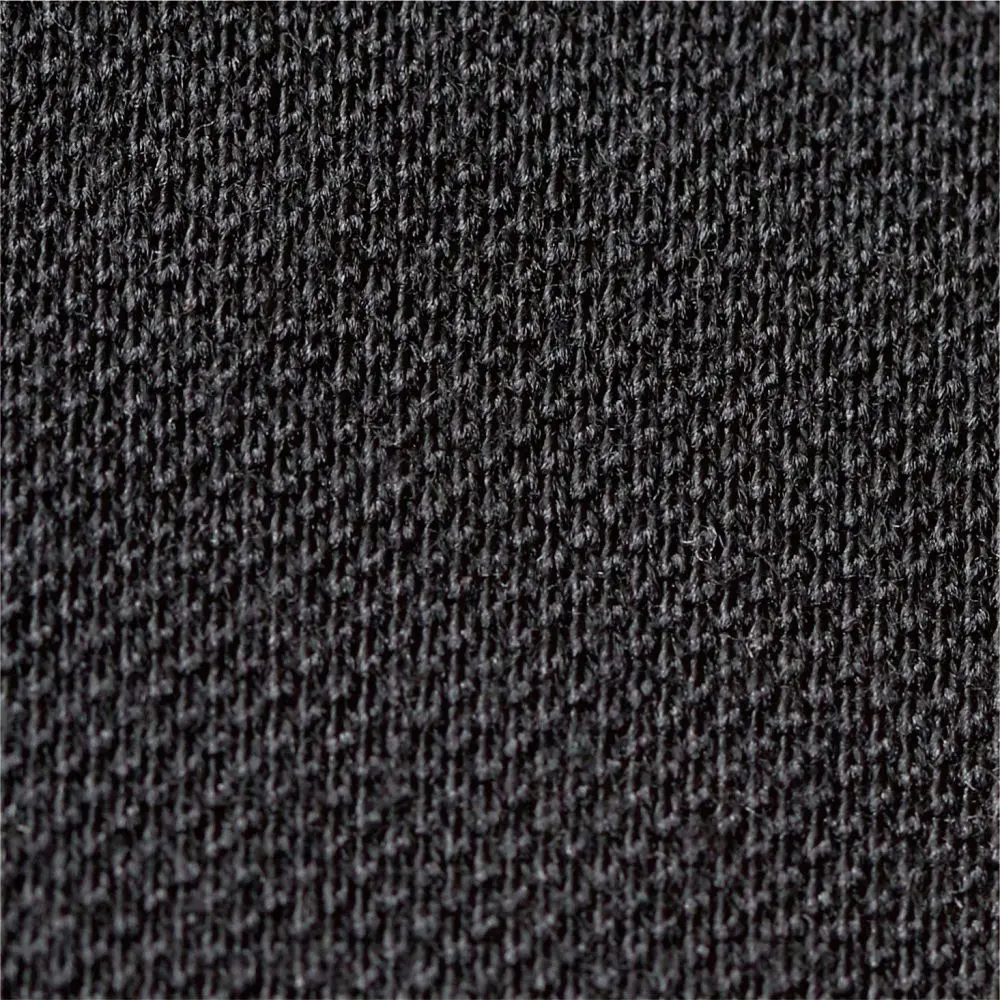
Traditional textured knit weave used for premium polo shirts. It presents a classic pattern that works well with localized chest-plate foil branding.
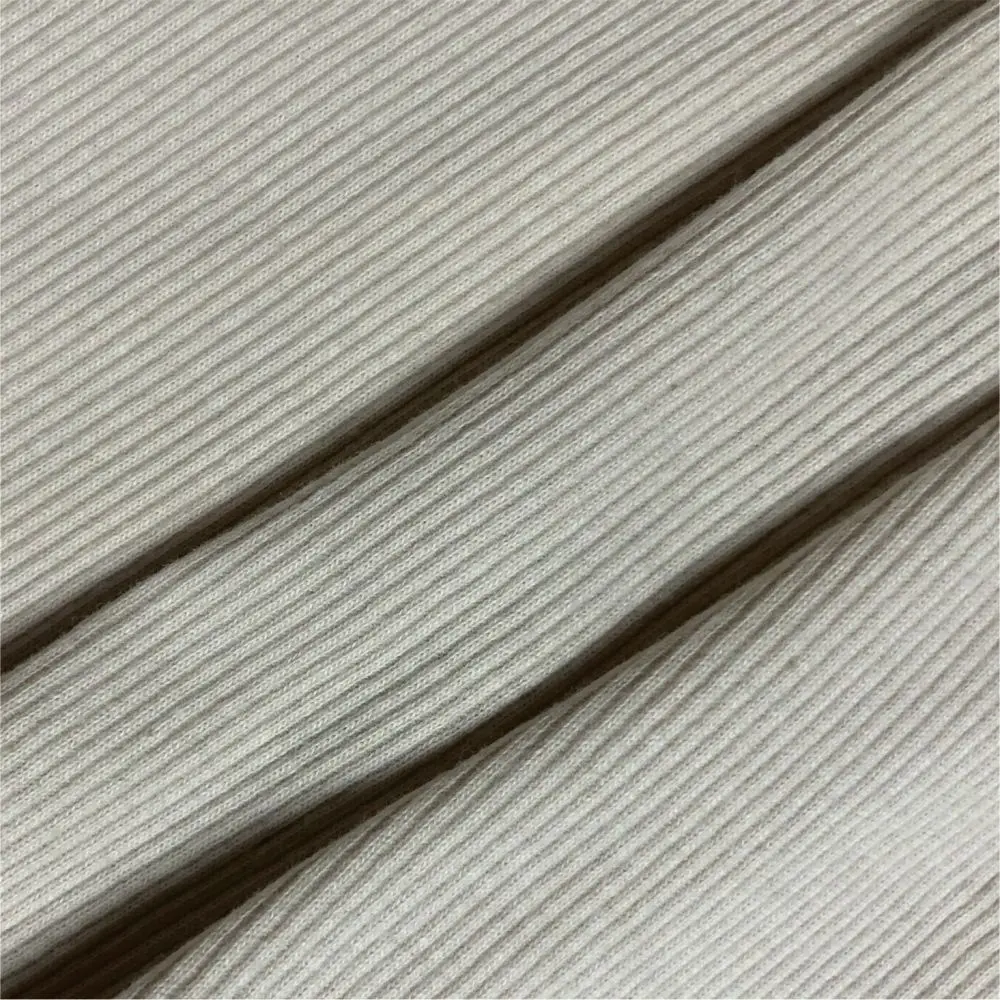
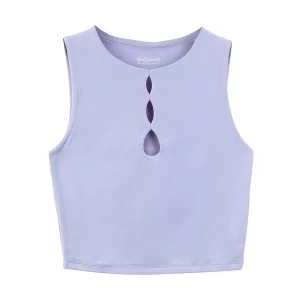
Highly elastic fabric designed for neckbands, cuffs, and body-hugging shirts. These require specialized foil adhesives to maintain print integrity when stretched.
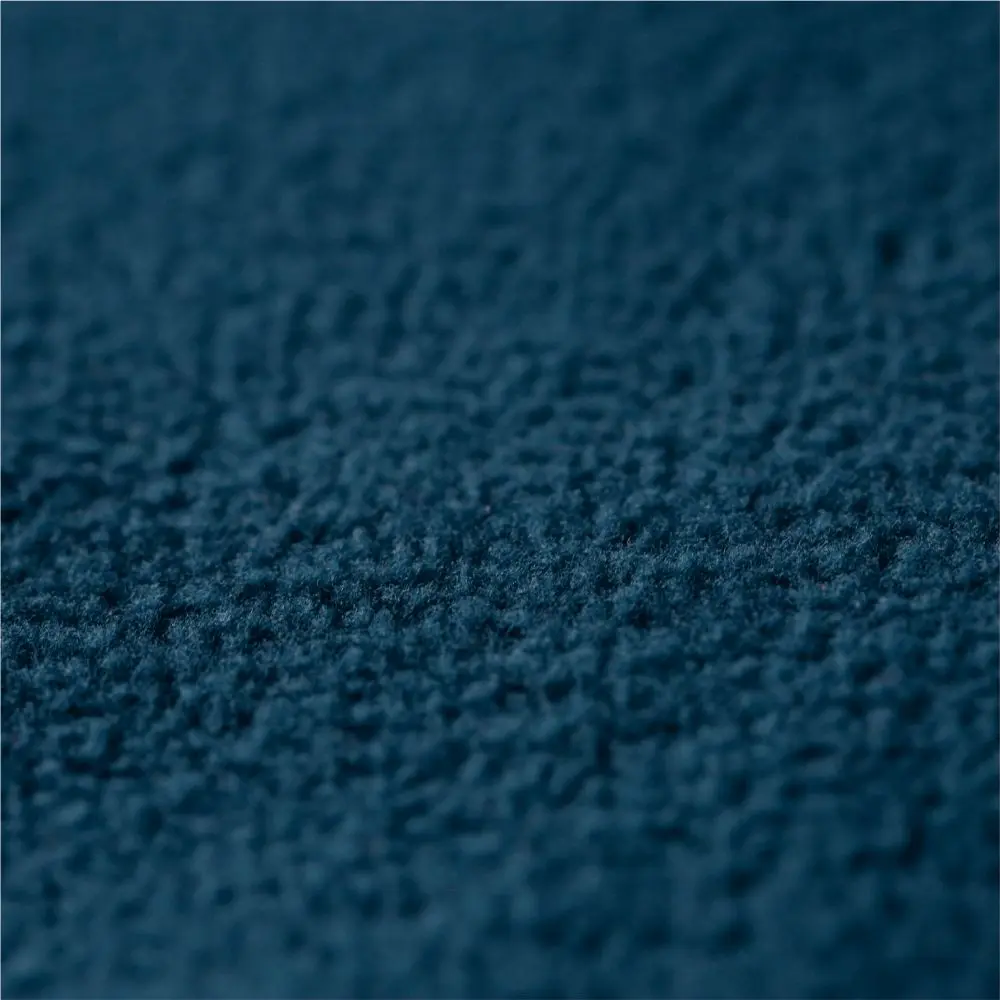
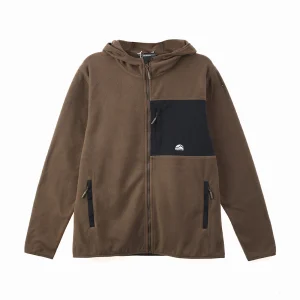
Lightweight, insulating polyester fleece suited for active outerwear. It requires careful temperature controls to prevent the base fabric from scorching.
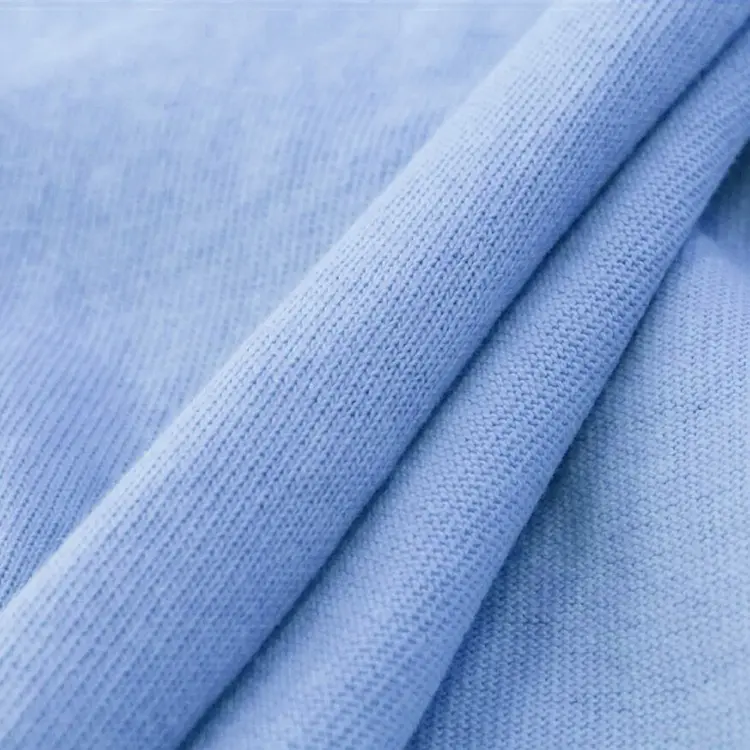
Classic, breathable cotton jersey used for premium retail t-shirts. It provides an optimal base for high-detail foil graphics.
We deploy diverse fabric processing methods to achieve specific finishes, textural depth, and custom designs.
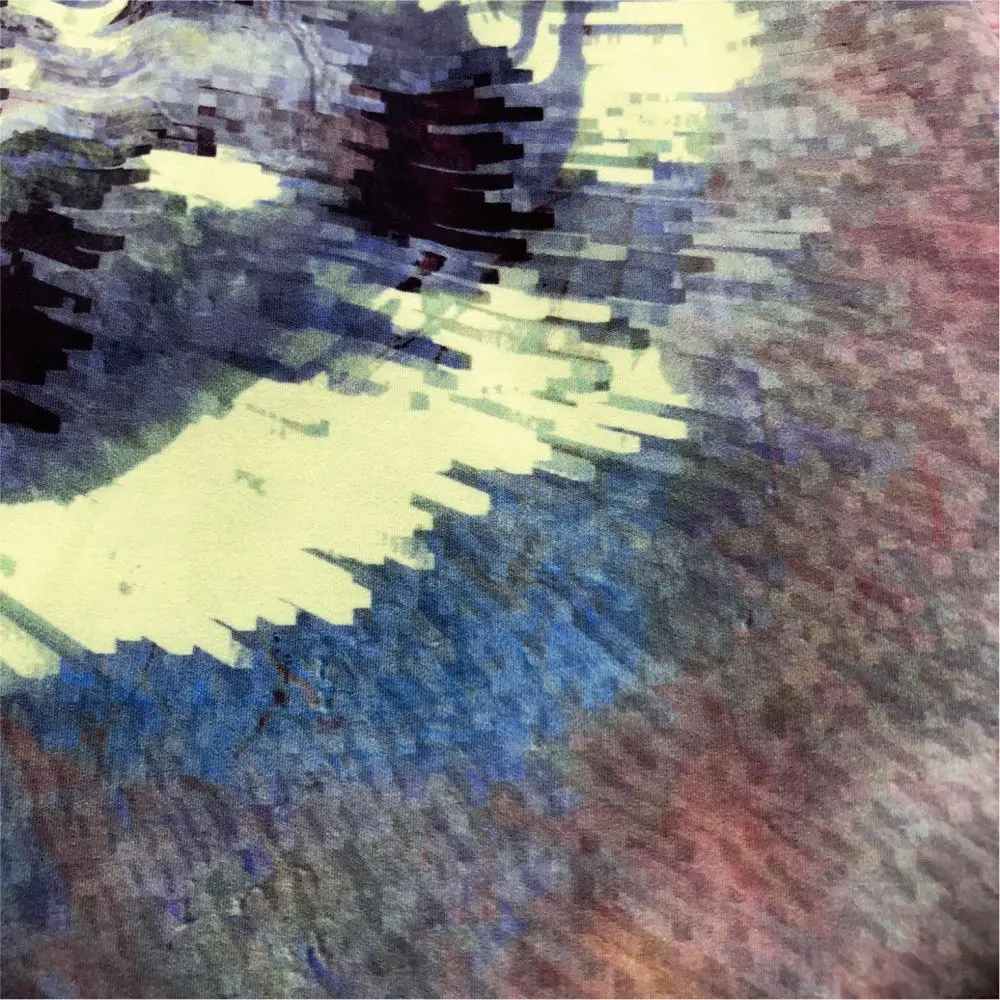
High-resolution printing directly onto natural or synthetic fibers, allowing for multi-color patterns with precise detail and minimal setup time.
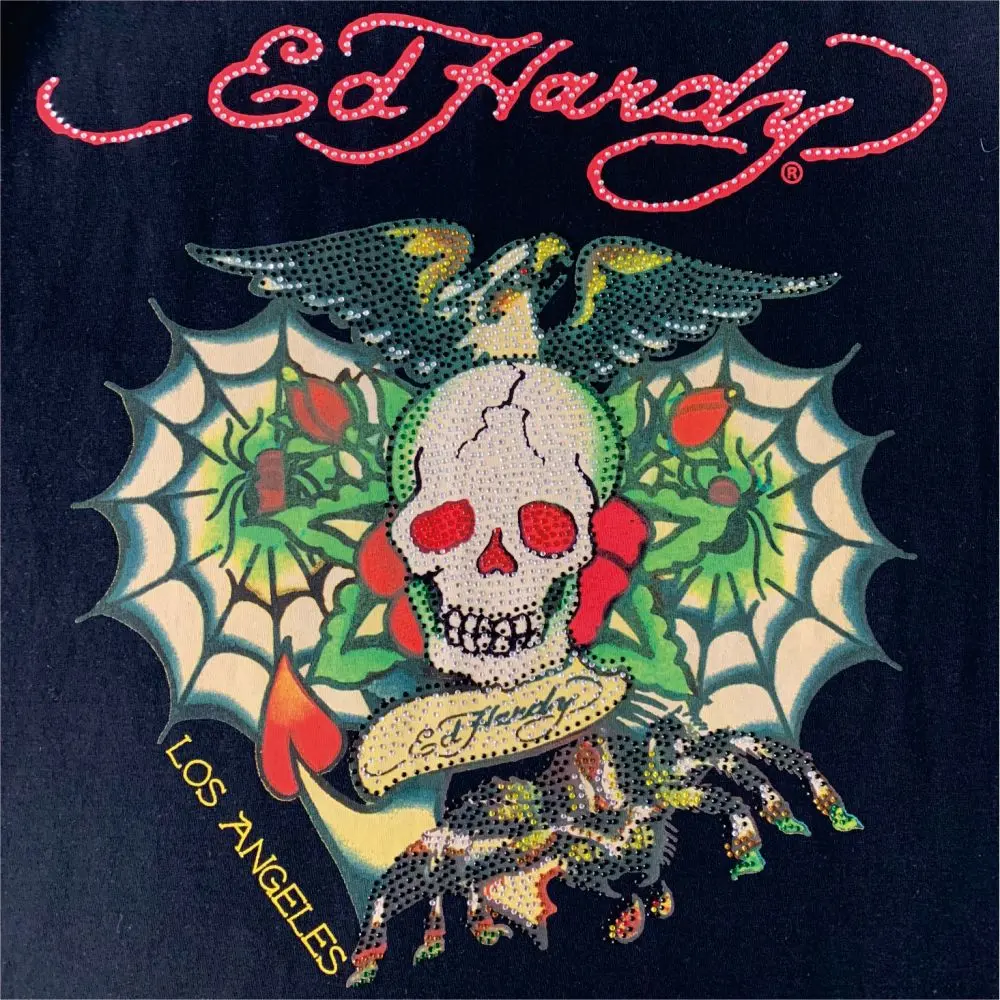
Uses specialized inks that extract dye from dyed fabrics, replacing it with a soft-hand print. This process is excellent for maintaining breathability on dark cotton t-shirts.
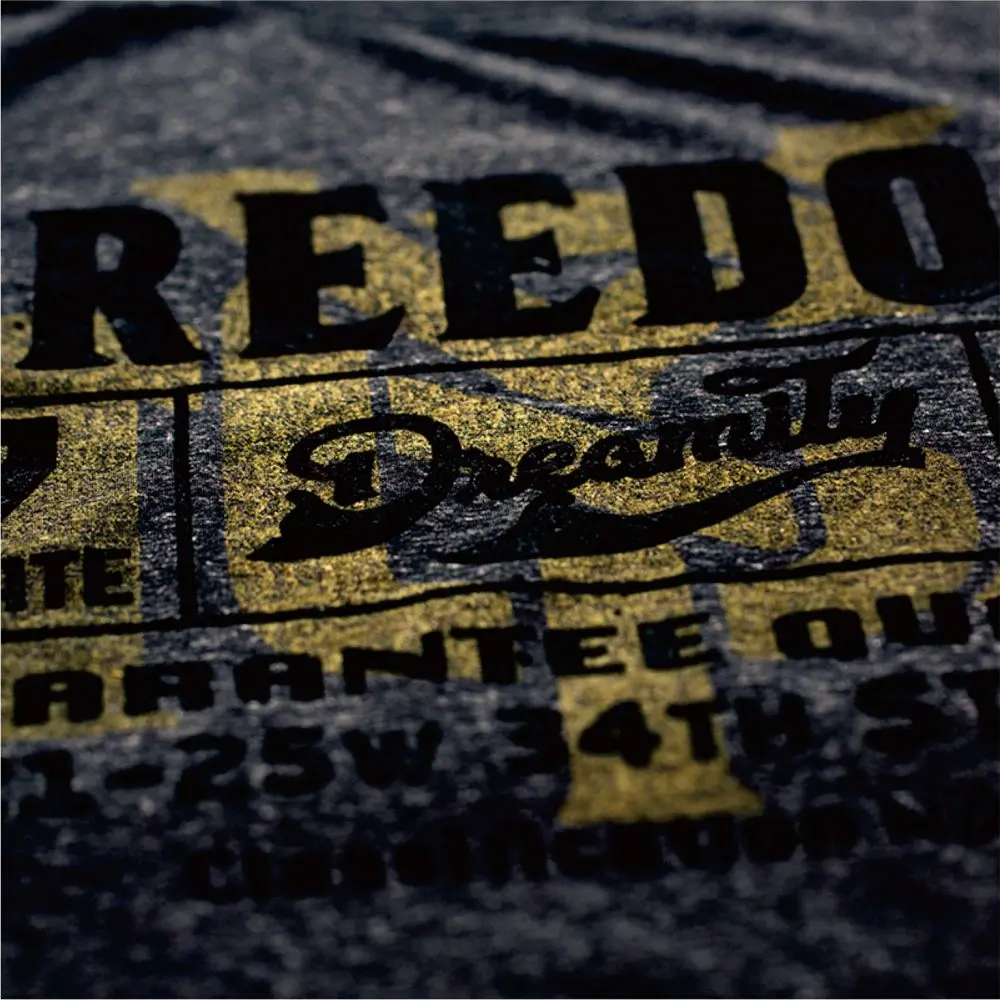
Applies short polyamide fibers to create a soft, velvet-like texture, adding dimensionality to custom apparel designs.
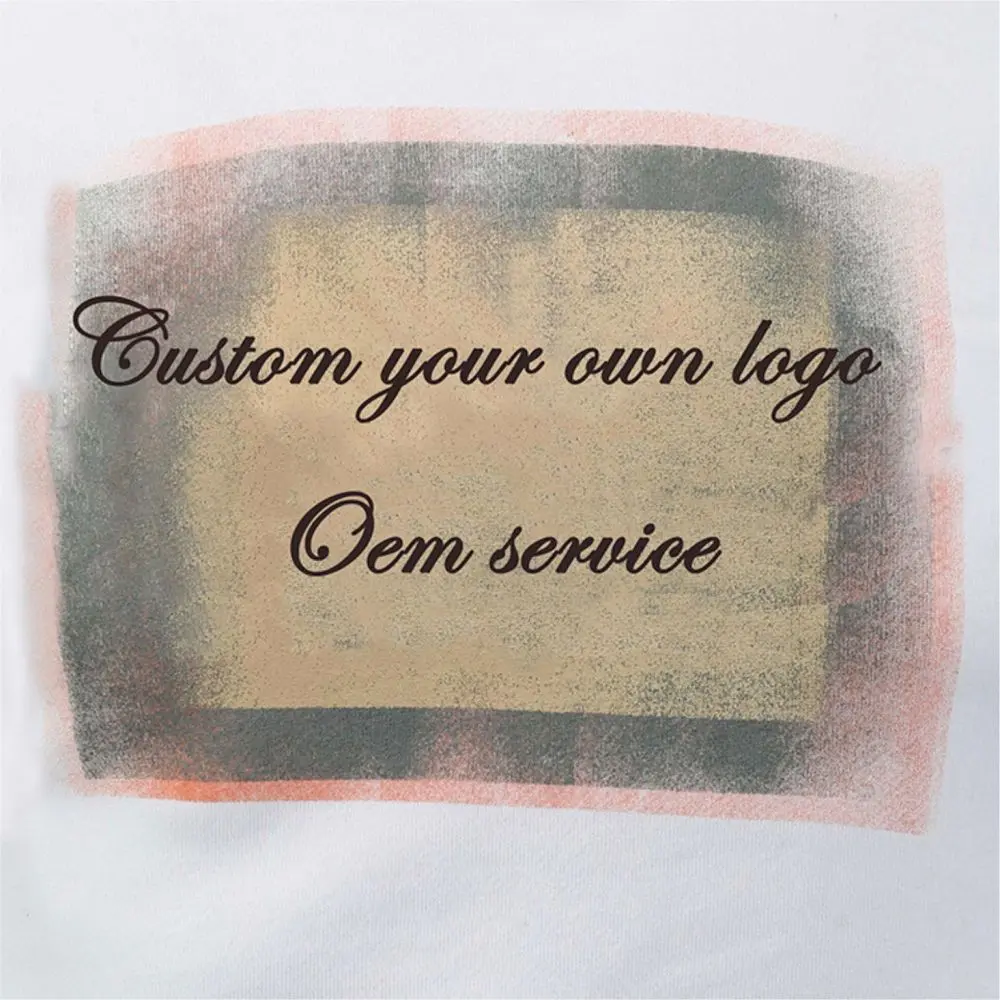
Utilizes water-based inks that sink deep into fibers, creating an incredibly soft texture that remains highly breathable after printing.
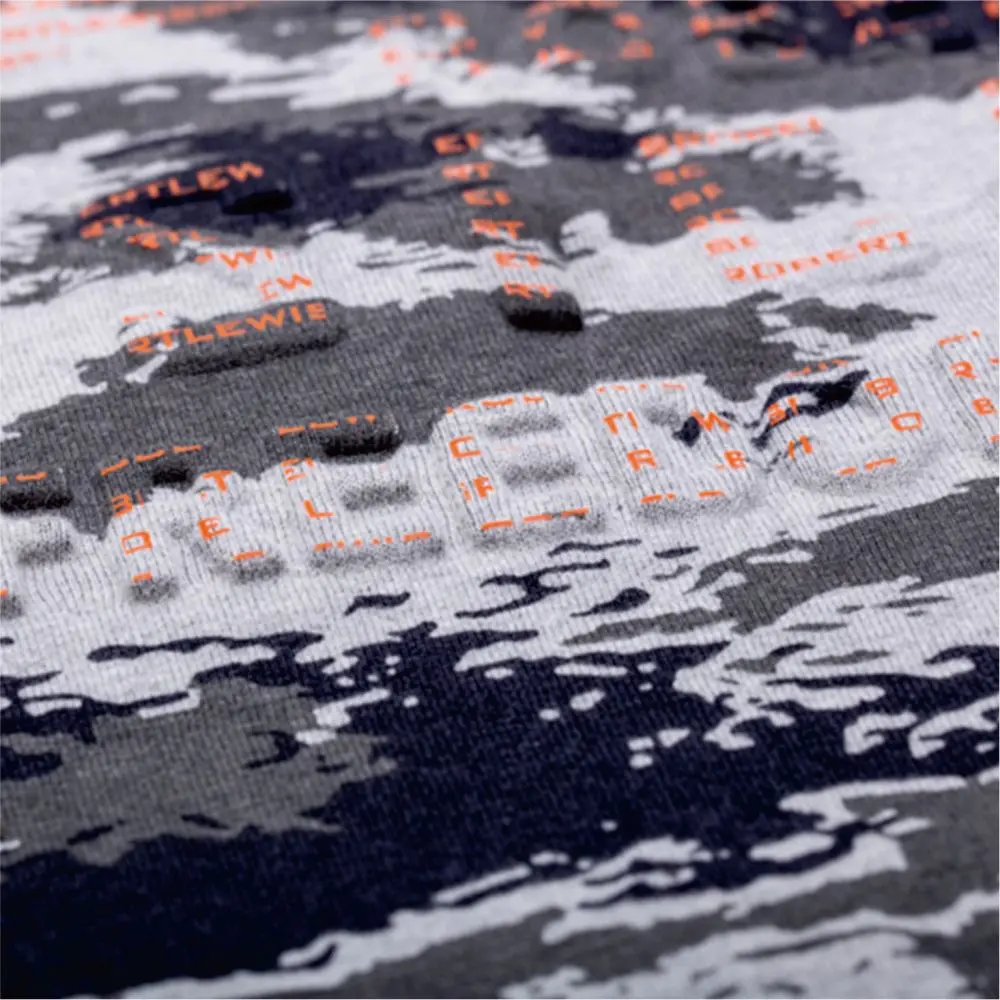
Applies high pressure and heat to reshape fabrics, creating raised 3D patterns that add physical texture to performance garments.
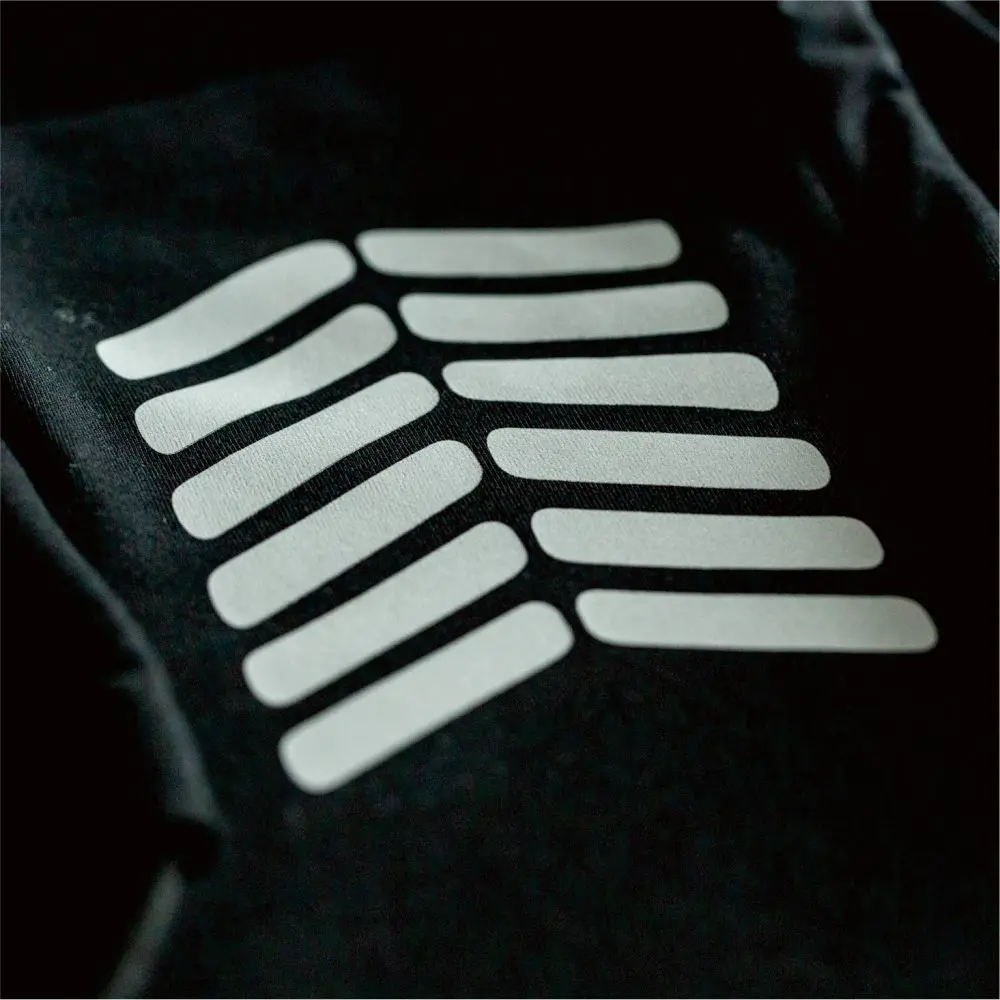
Utilizes specialized luminescent pigments that react under UV light, making them popular for high-visibility activewear and streetwear.
A transparent view into our production process, quality gates, and automated logistics systems.
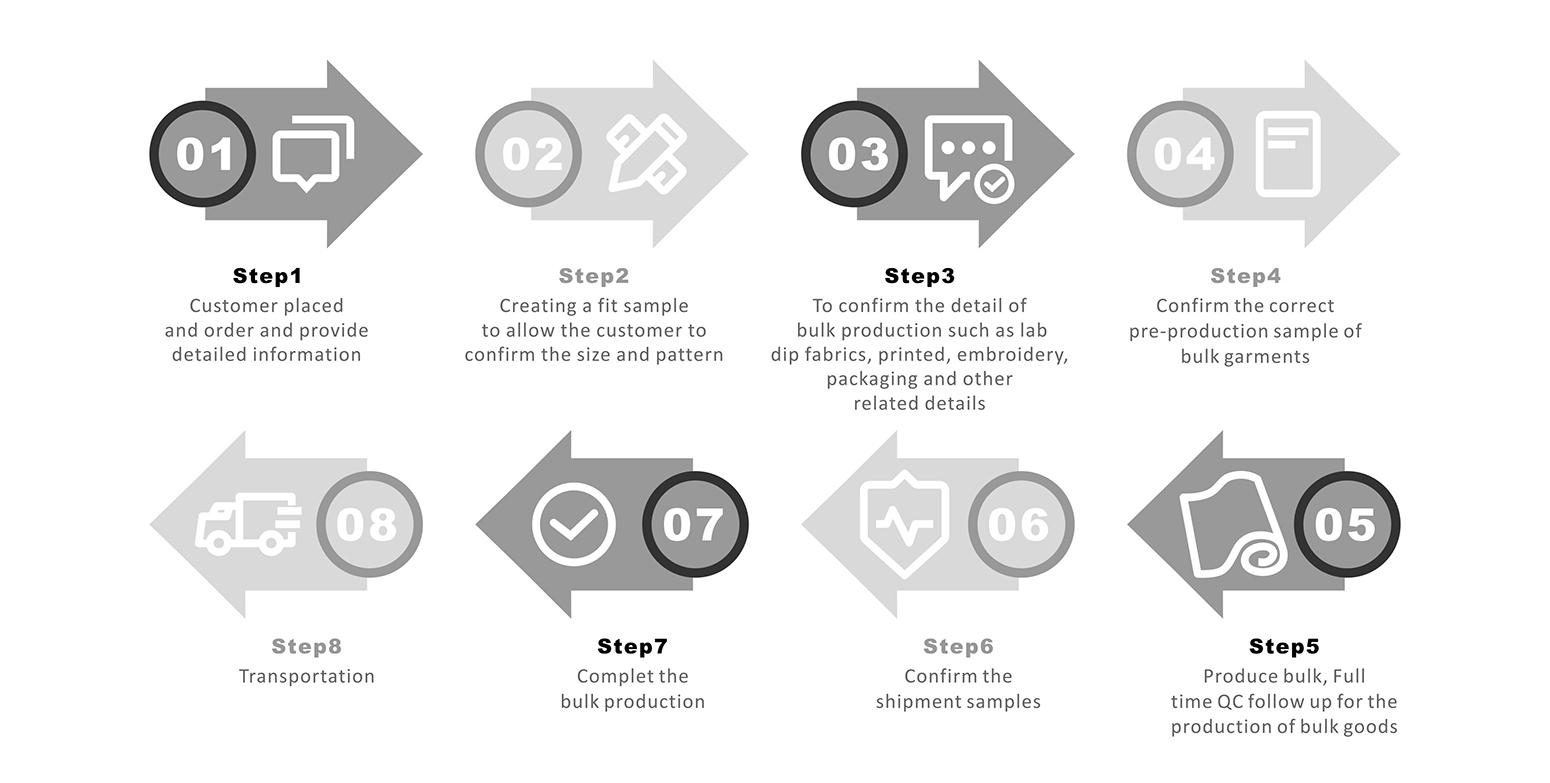
Once the initial design specifications are confirmed, we create a precise fit sample. Made using equivalent fabrics and weight classes, this allows sizing, cutting lines, and fit aesthetics to be verified prior to cutting bulk material.
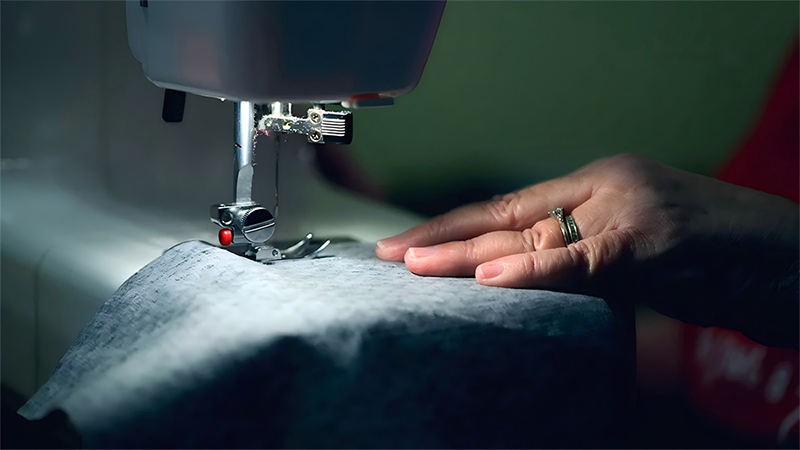
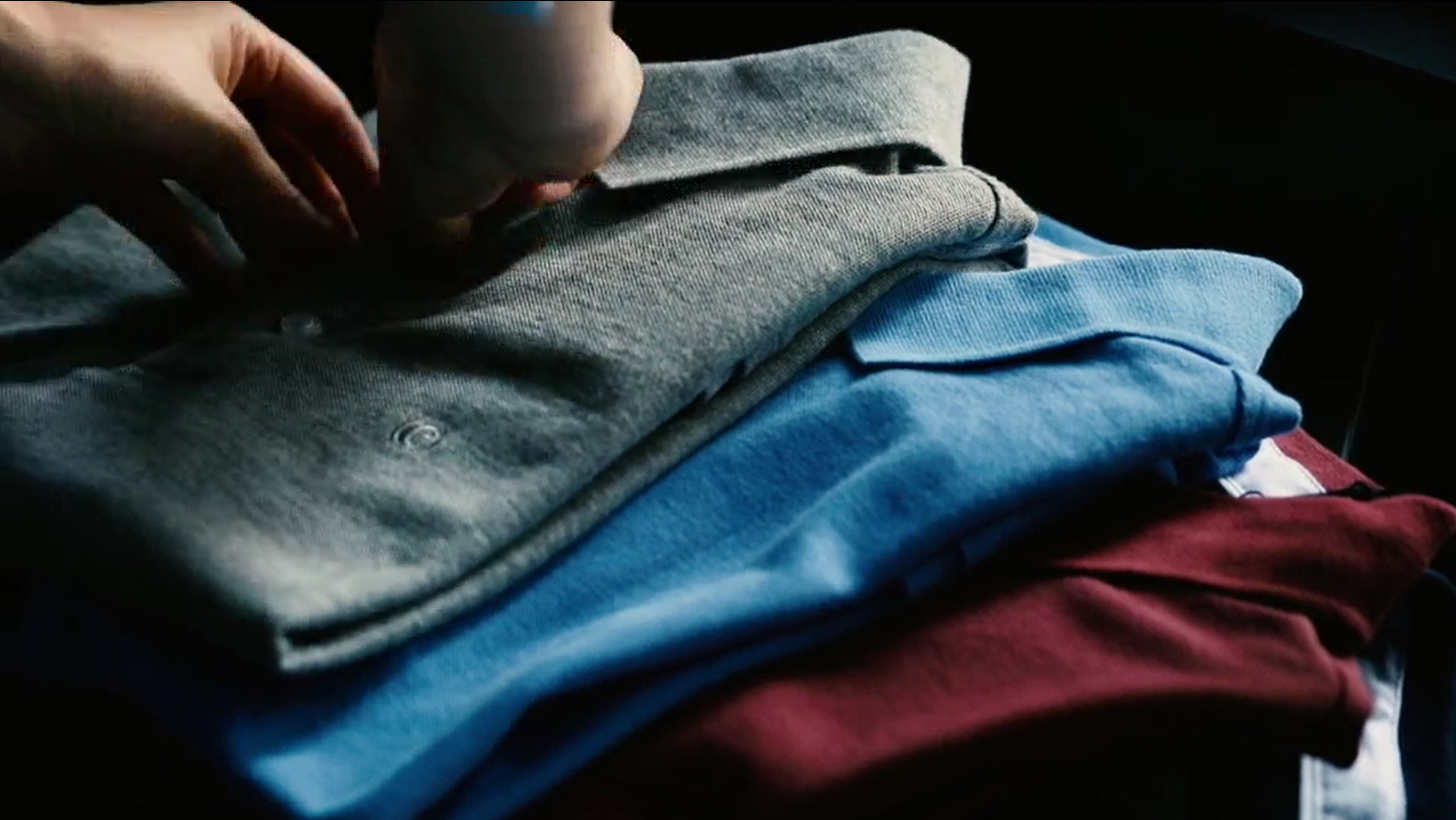
Before full-scale cutting begins, we generate a pre-production sample. Using the exact bulk fabric and dye lots, this serves as the definitive reference point for print calibration, embroidery alignment, and construction details.
Our quality control (QC) team conducts regular inspections throughout the production cycle, checking stitch strength, seam tension, print durability, and measurements to minimize defects before packaging.

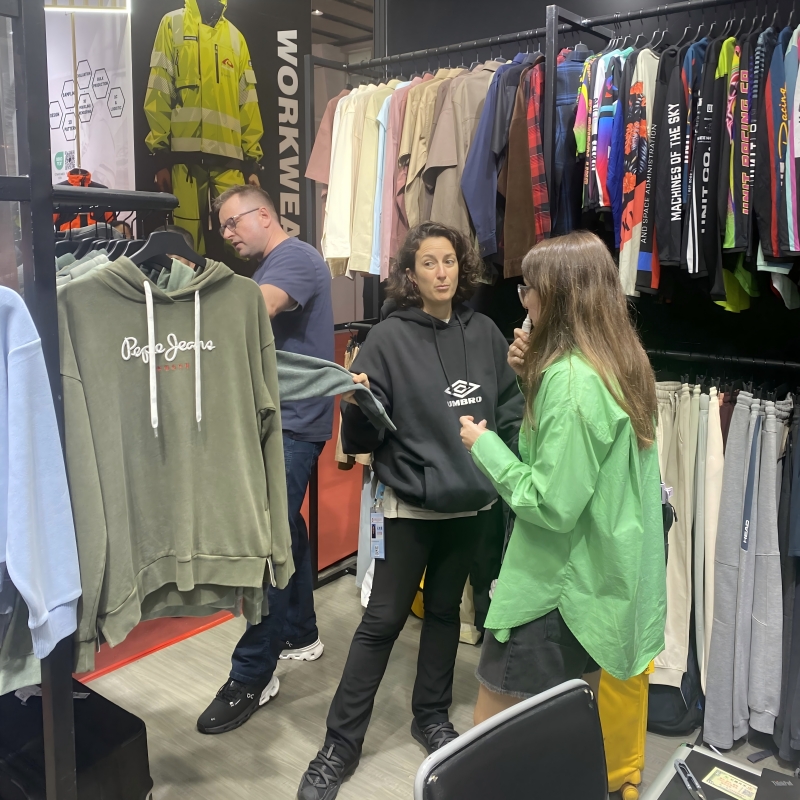
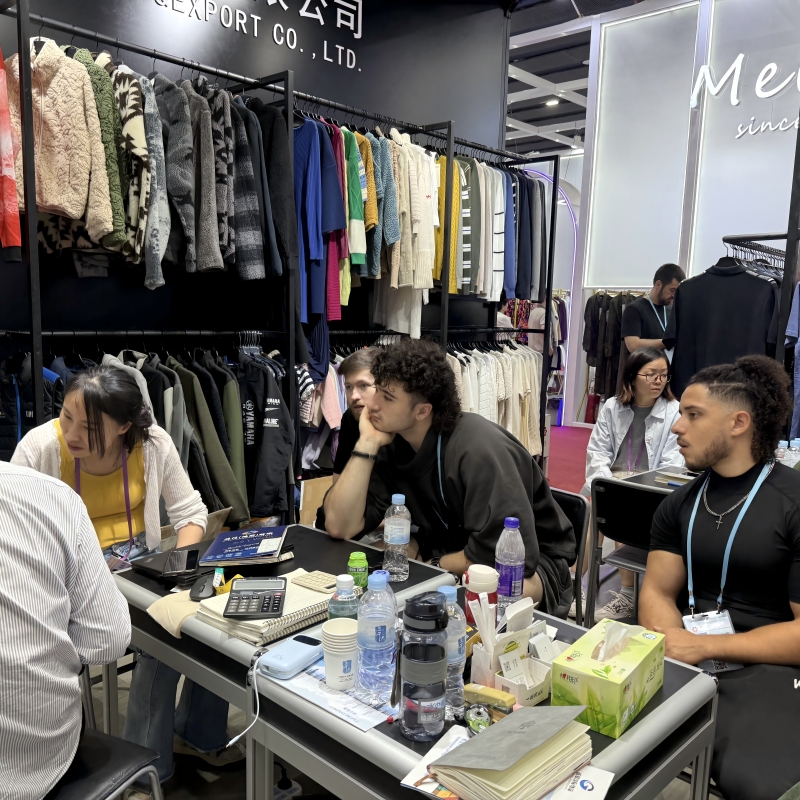
Take a look inside our ISO-certified facilities and watch our production lines, pattern design rooms, and automated processing in action.
Our production network runs across modern manufacturing campuses, employing thousands of skilled operators and running over 100 dedicated production lines to ensure reliable capacity for large-scale programs.
We balance pattern designs and layouts to align print positioning with fabric seams, minimizing waste and ensuring print stability across different size ranges.
We deploy specialized processing methods to adjust fabric texture, surface structure, and detailing for custom requirements.
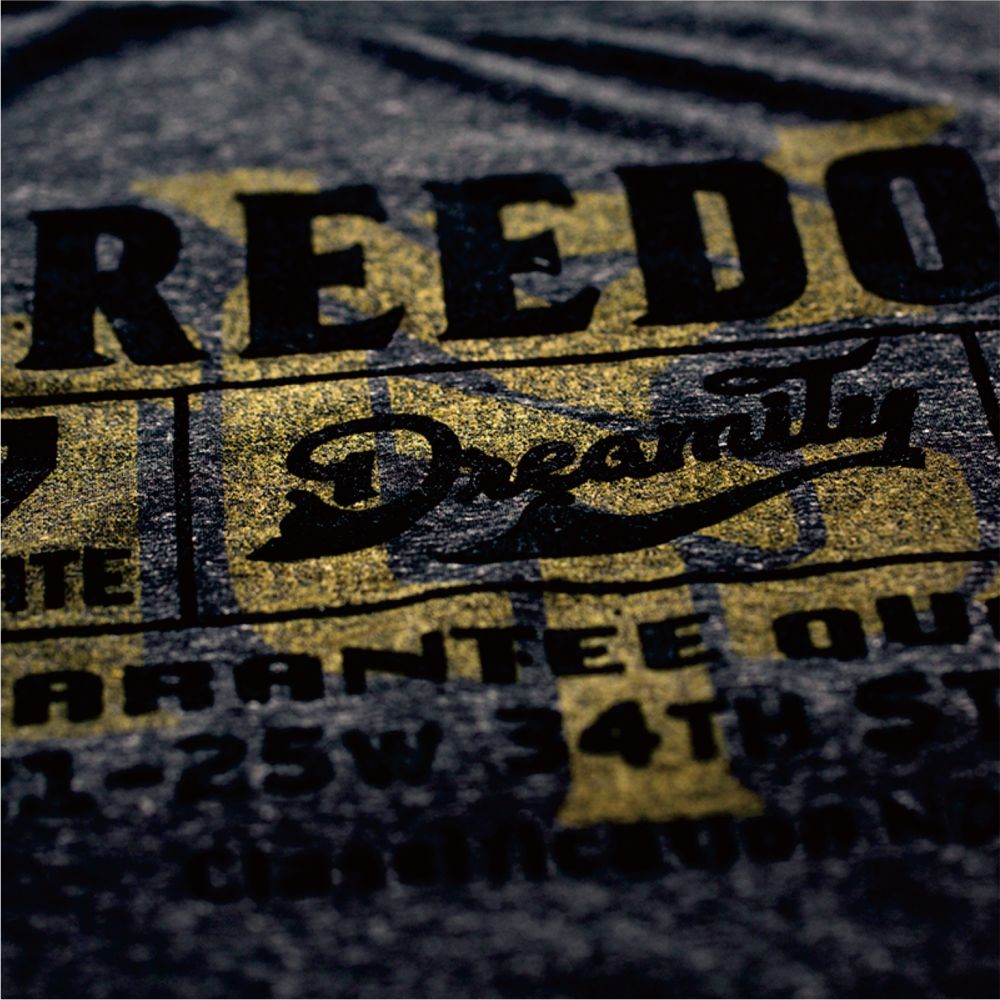
Industrial screen printing setups that maintain color consistency and ink thickness across high-volume production runs.
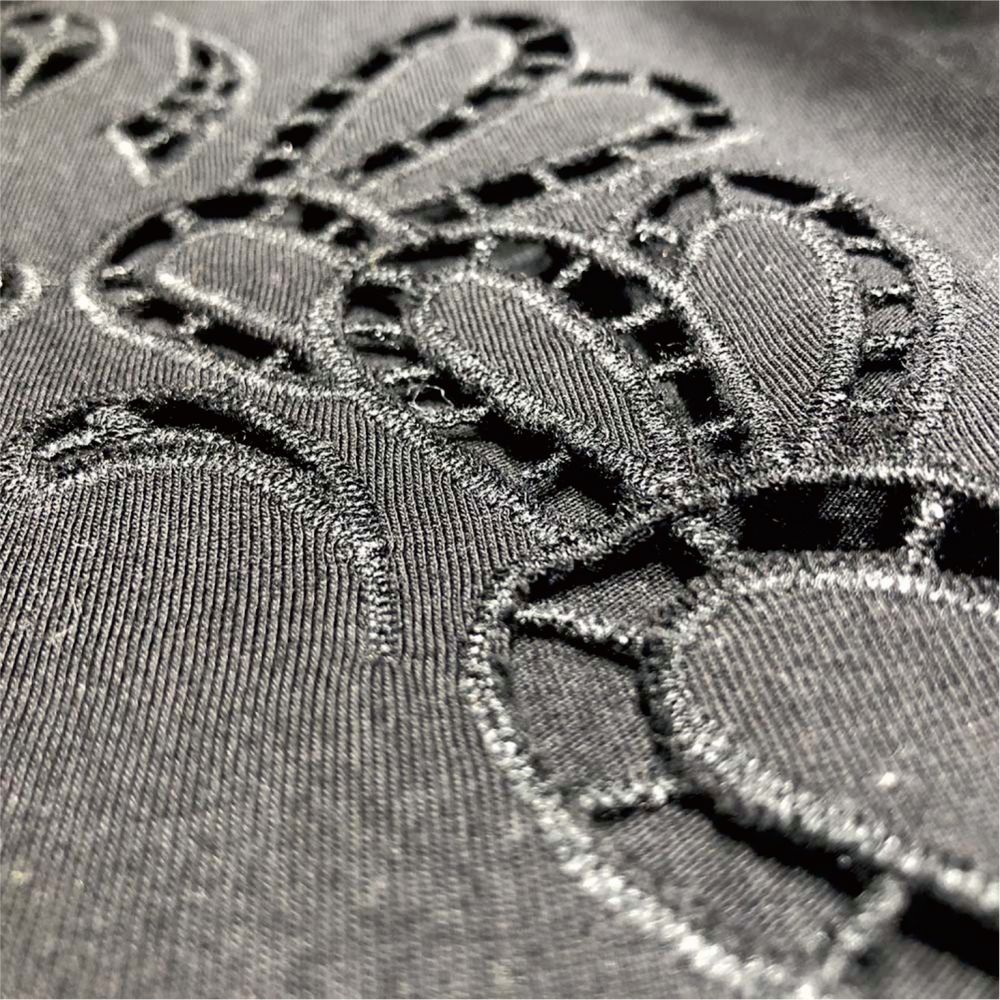
Computerized embroidery setups that stitch complex logos and patterns onto heavy fleece or structured knits.
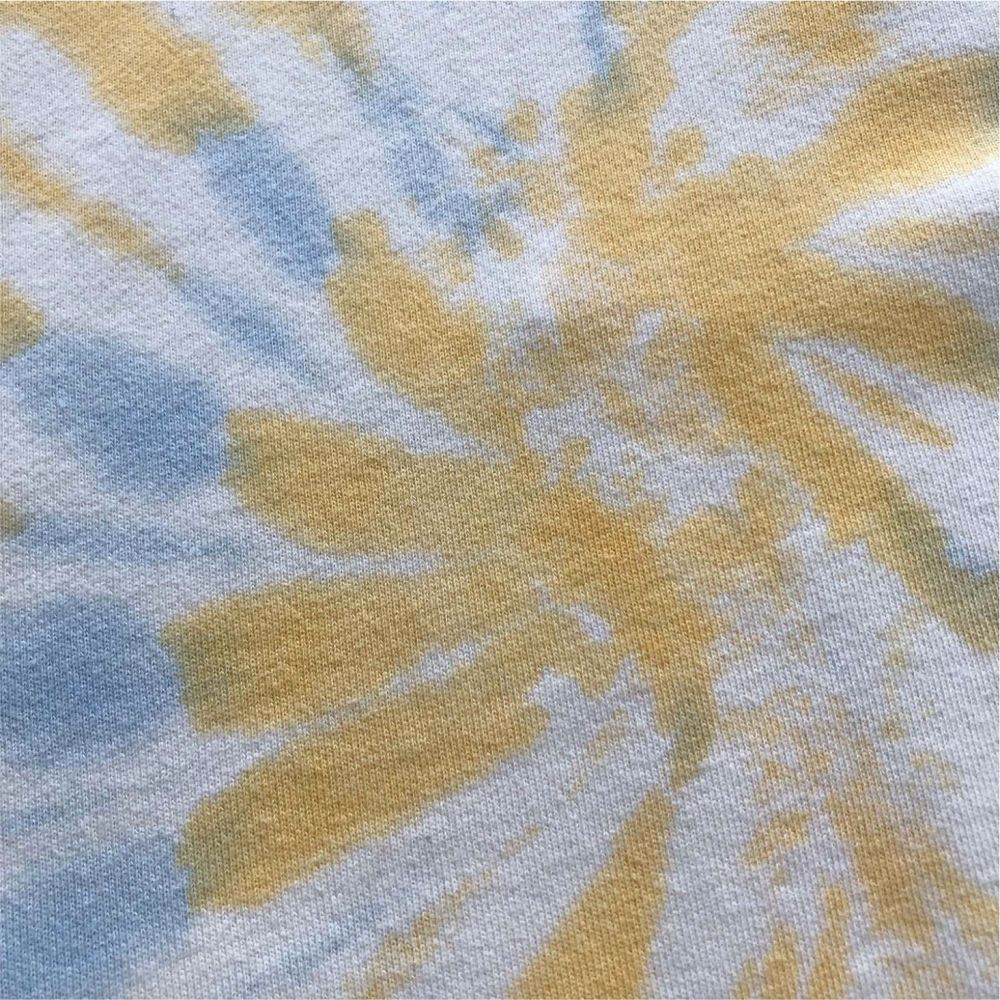
Specialized treatments, including enzyme washes and silicon softeners, to prepare fabrics for clear printing results.
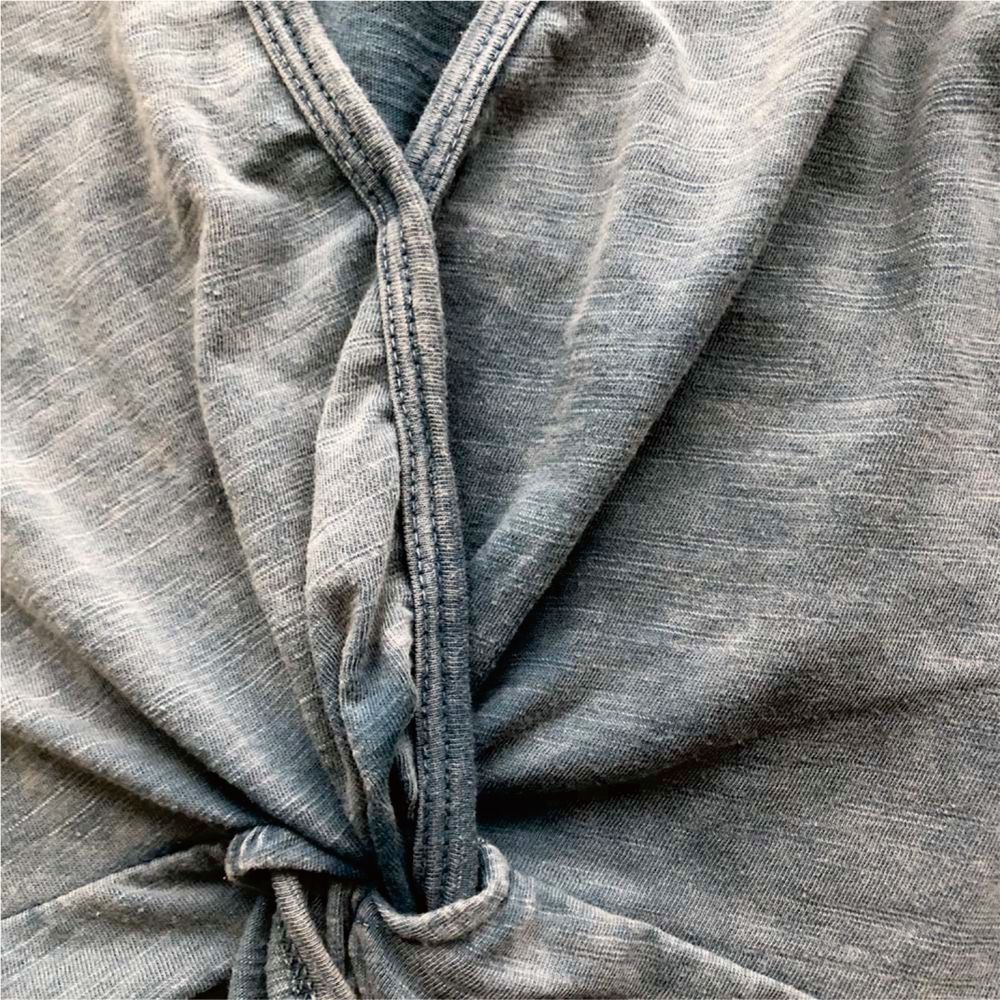
Post-assembly washes, custom dye effects, and localized details designed to meet specific aesthetic targets.
Our facilities undergo regular independent auditing to verify compliance with safety, environmental, and social responsibility standards.
Managing inventory risk and Minimum Order Quantities (MOQs) remains a major hurdle for growing brands. At Ningbo Jinmao, we address this by coordinating raw material purchases and using shared stock across our partner network. This setup allows brands to produce initial batches using in-stock, certified fabrics, keeping inventory risk low while preparing for larger production runs.
By maintaining direct links with yarn spinning mills, we provide regular fabric updates and stock options. This helps brands align with shifting consumer demands for organic cotton, recycled polyester, or custom knit weights without long material development lead times.
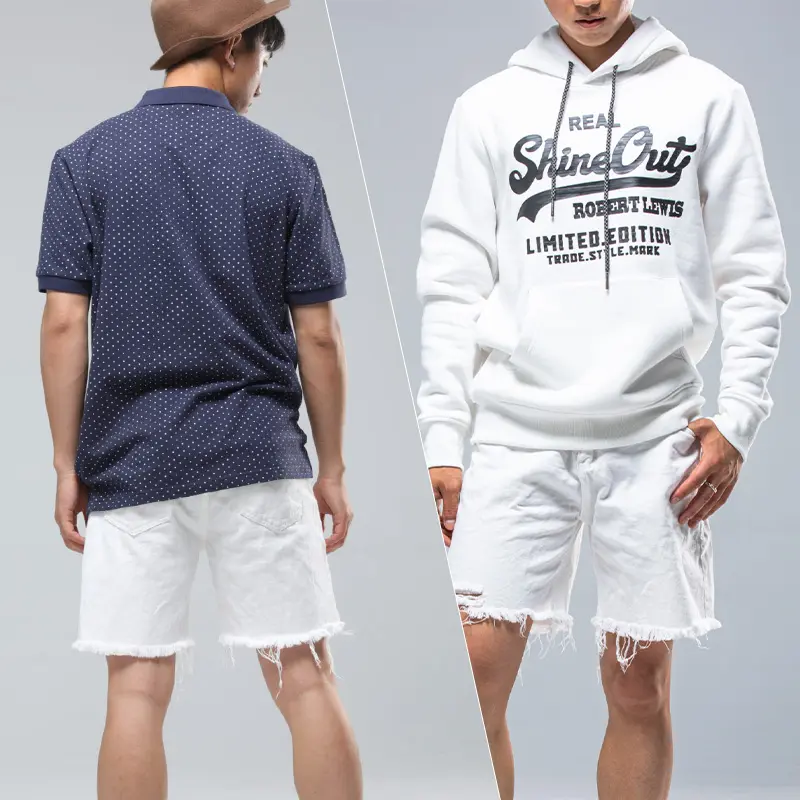
We manufacture customized products tailored to the safety, sizing, and design requirements of different end markets.
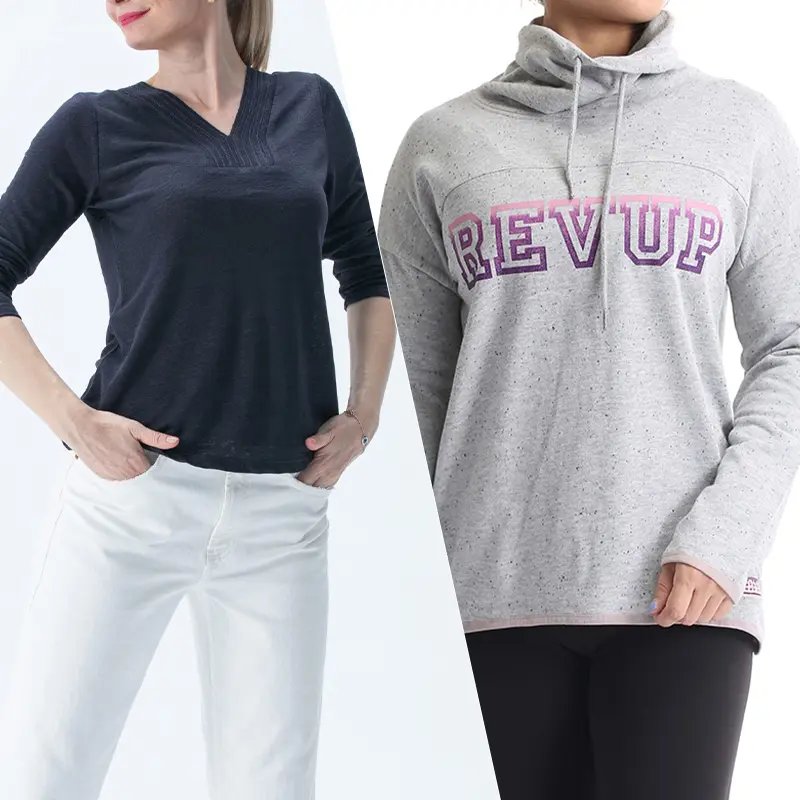
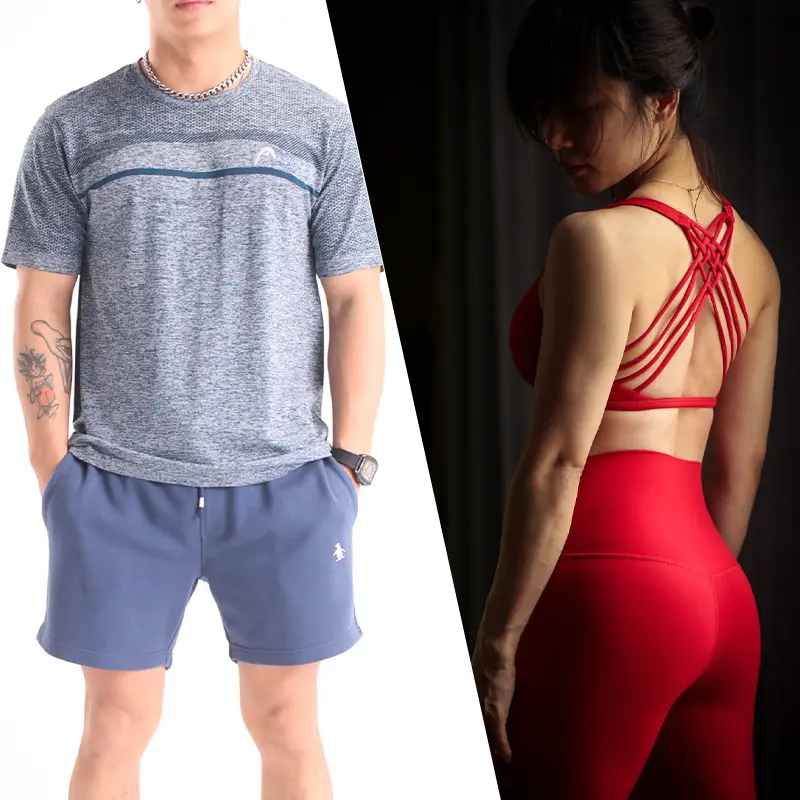
B2B procurement details, lead times, chemical compliance metrics, and operational guidelines at Ningbo Jinmao.
We maintain long-term partnerships with retail brands, department stores, and international distributors worldwide.







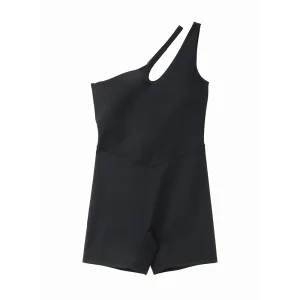
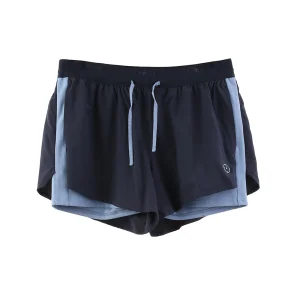
Explore our technical knitwear, thermal outerwear, and stretch activewear options.
 Jinmao