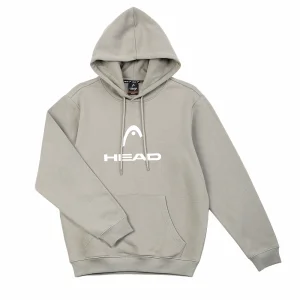
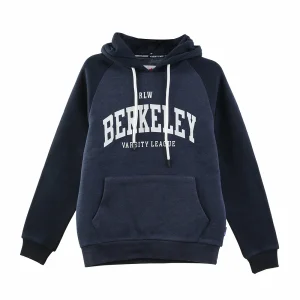
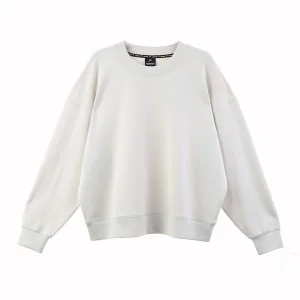
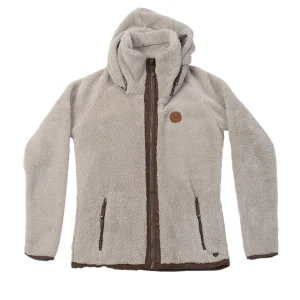
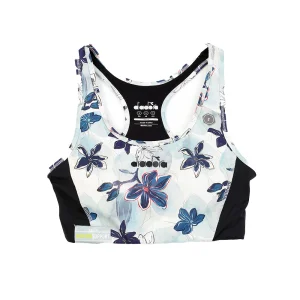
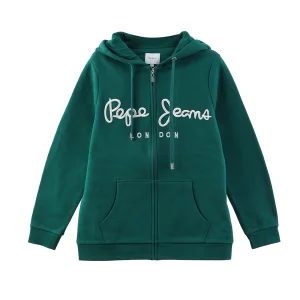
In the contemporary fashion and high-end streetwear landscapes, texture has evolved into the ultimate luxury indicator. The embossed logo hoodie has emerged as a key garment driving this transition. Unlike traditional ink prints that degrade over time or heavy embroidery that can irritate the skin, 3D embossing restructures the fabric's profile. This creates a permanent, tactile architectural imprint directly within the textile matrix.
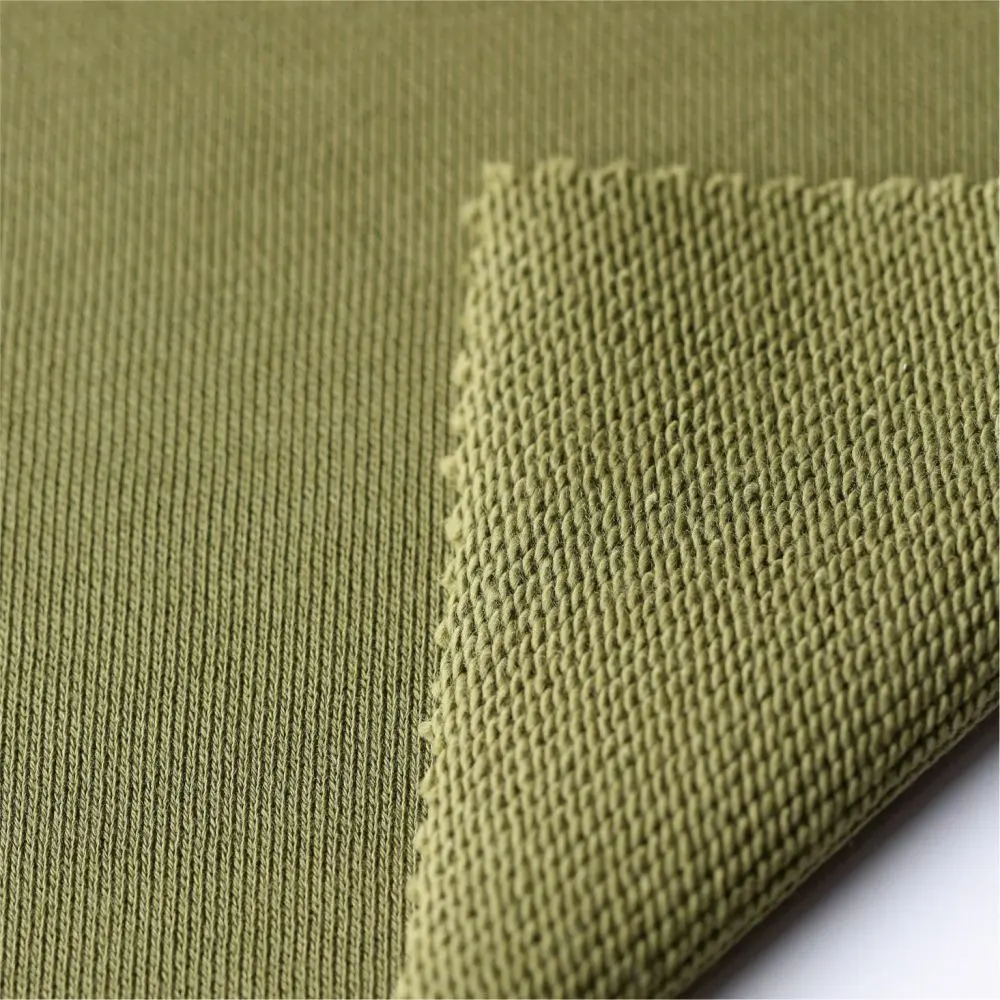
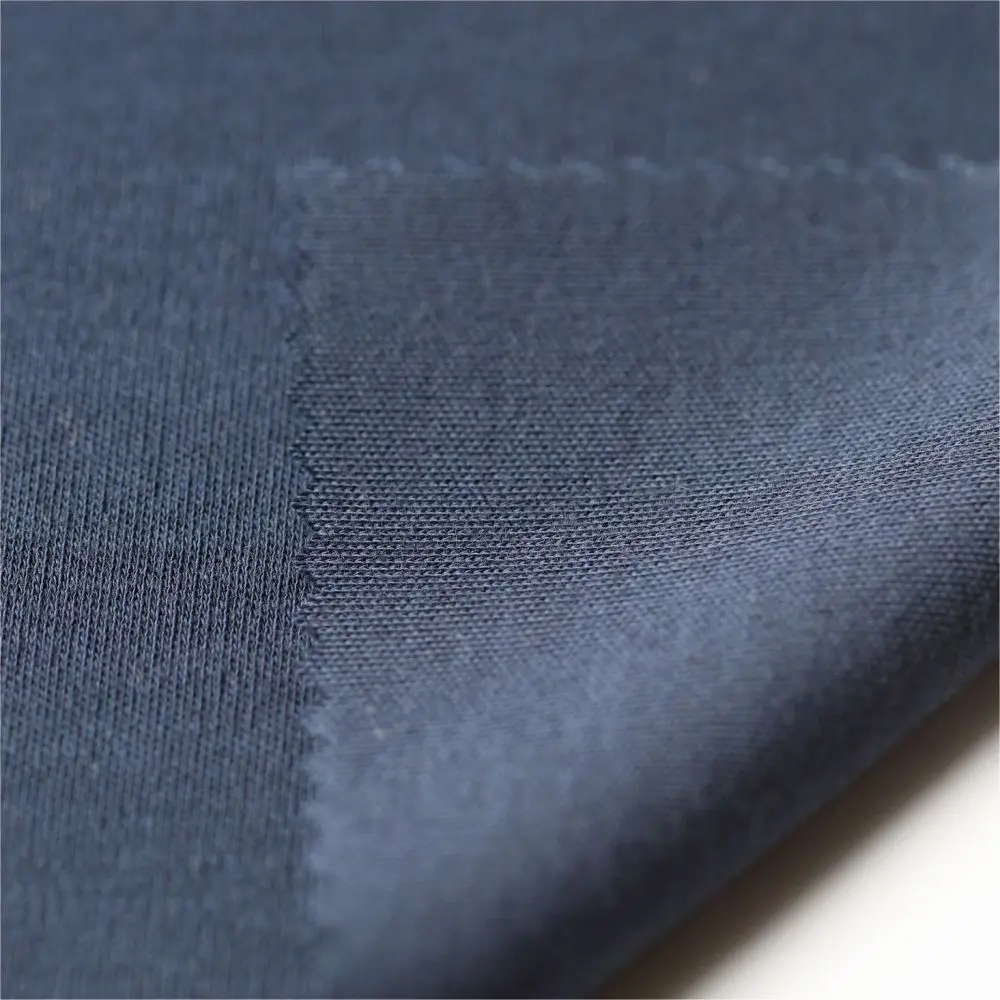
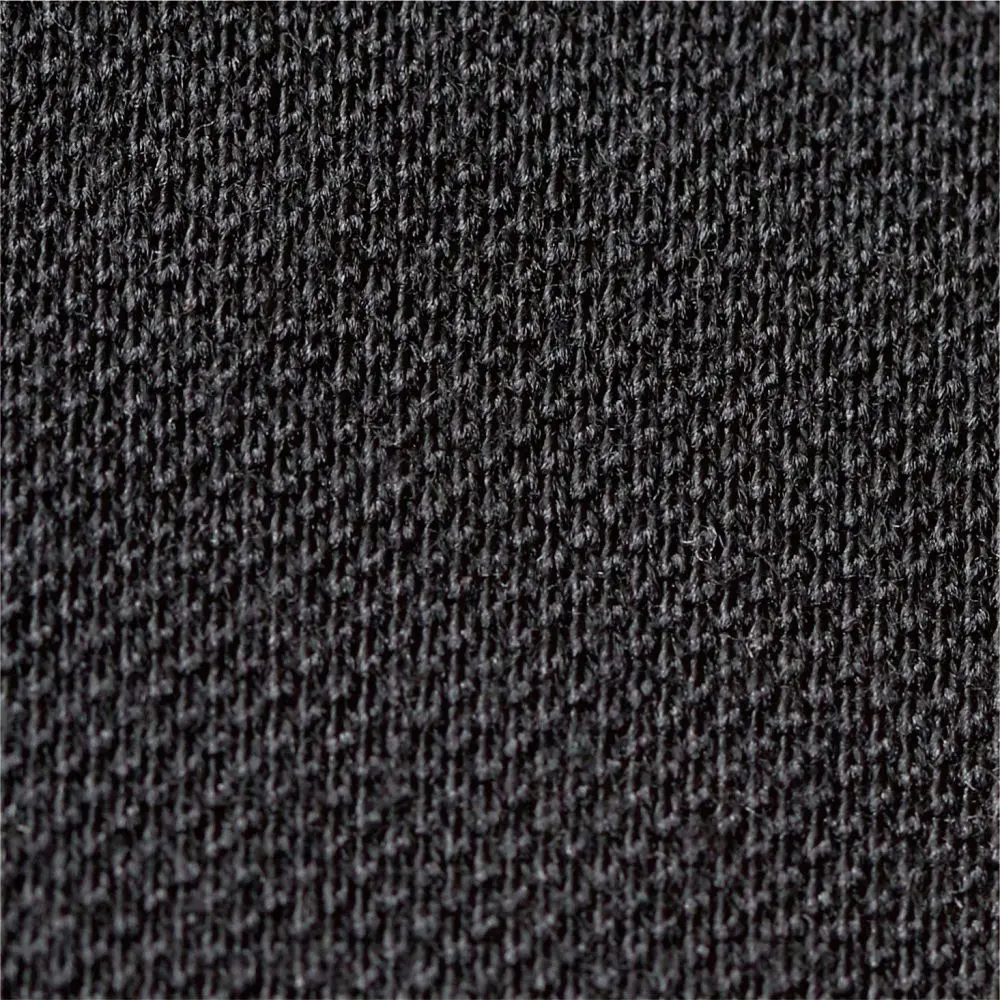
The manufacturing physics of high-durability embossing requires precise heat management and heavy hydraulic pressure. Custom metal molds clamp down on specialized knit fabric compositions, typically heavy-duty French Terry or dense Scuba fabrics. The localized heat forces the polymers of the cotton-polyester blend to form a "thermal memory." This ensures the raised logo retains its shape and sharpness even after dozens of high-intensity laundry cycles.
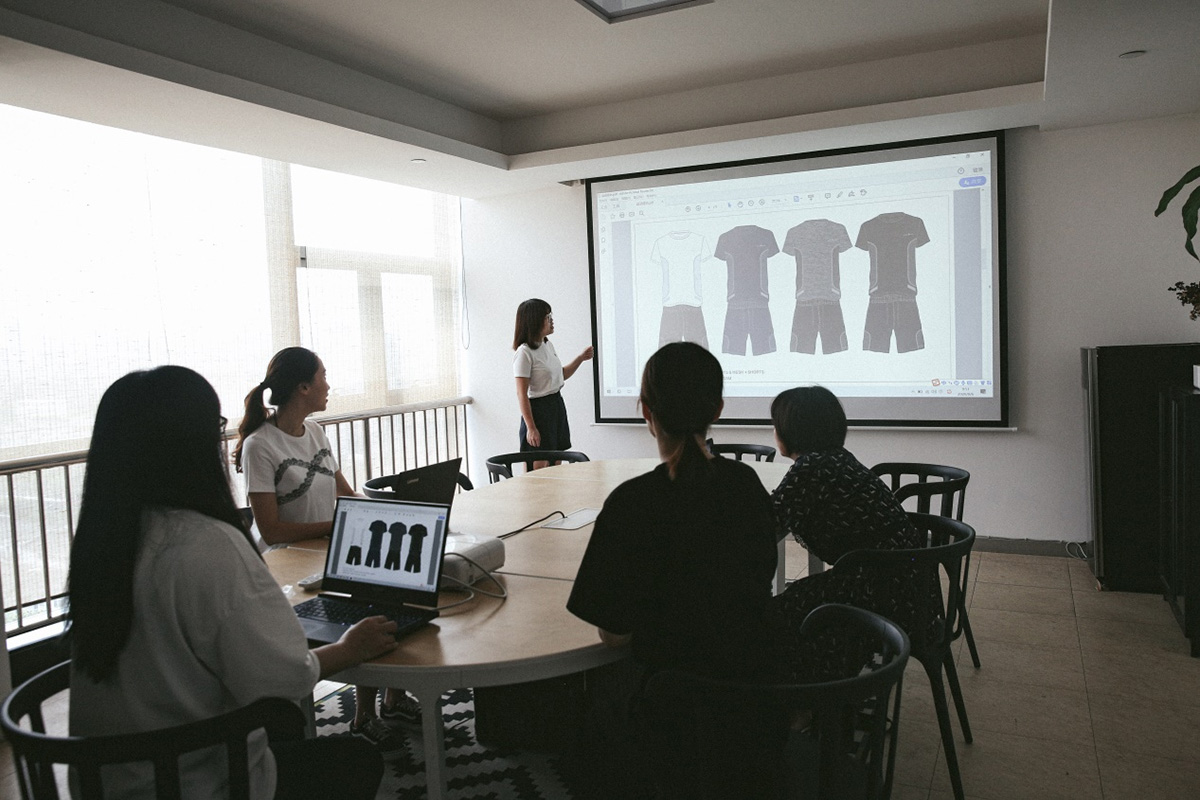
Operating a globally audited, green-focused garment manufacturing and export system from China's textile capital.
Founded in 2000, Ningbo Jinmao has established rigorous quality controls, earning certified environmental management system compliance under ISO9001:2015 and ISO14001:2015 regulations. We are conscious of our ecological impact and integrate sustainable practices at every level.
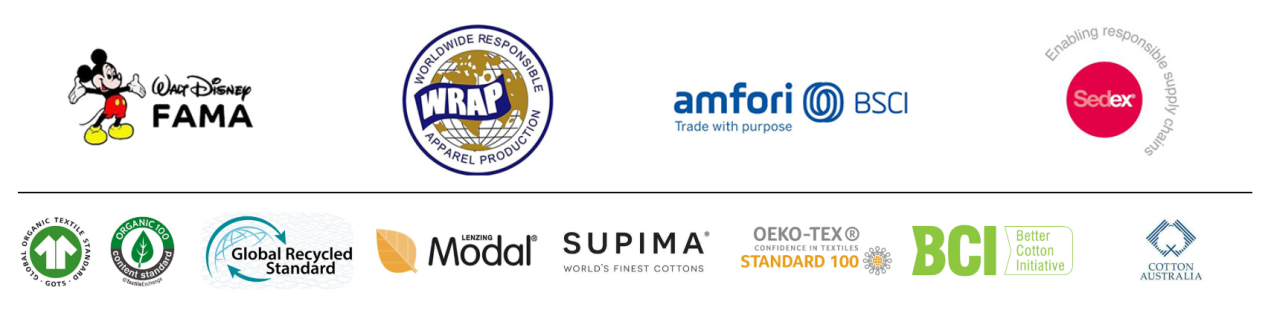
Our partner production facilities hold robust international system certifications, including BSCI, WARP, Sedex, and Disney. Brands can source with complete confidence that human rights and supply chain integrity are fully protected.
We leverage strong relationships with certified raw material suppliers. We specialize in textiles certified with Oeko-tex, BCI, GRS recycled polyester, organic cotton, Australian cotton, and Lenzing modal to ensure premium quality from yarn to finished garment.
Our operation is anchored in Ningbo, a prominent Chinese deepwater textile port, and utilizes a networked production system across Jiangxi, Anhui, Henan, and Zhejiang provinces. This strategy balances massive output with quick-response production capabilities.
Over 10,000 skilled workers and 100+ production lines run on a digital scheduling architecture. We minimize raw material waste by 15% through precise CAD cutting systems and track production variables in real-time. By utilizing shared raw fabric reservoirs, we assist global brands in bypassing traditional MOQ bottlenecks. This support enables agile launch schedules that align with shifting consumer demands.
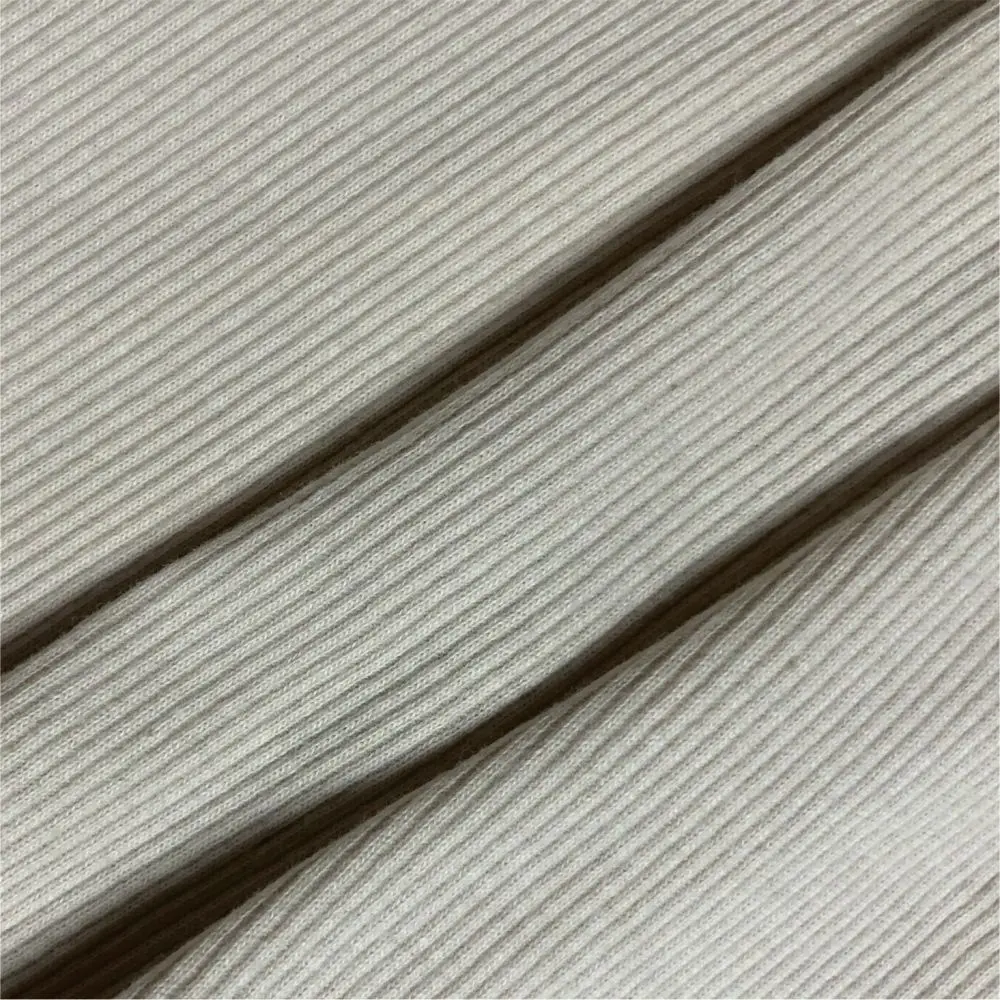
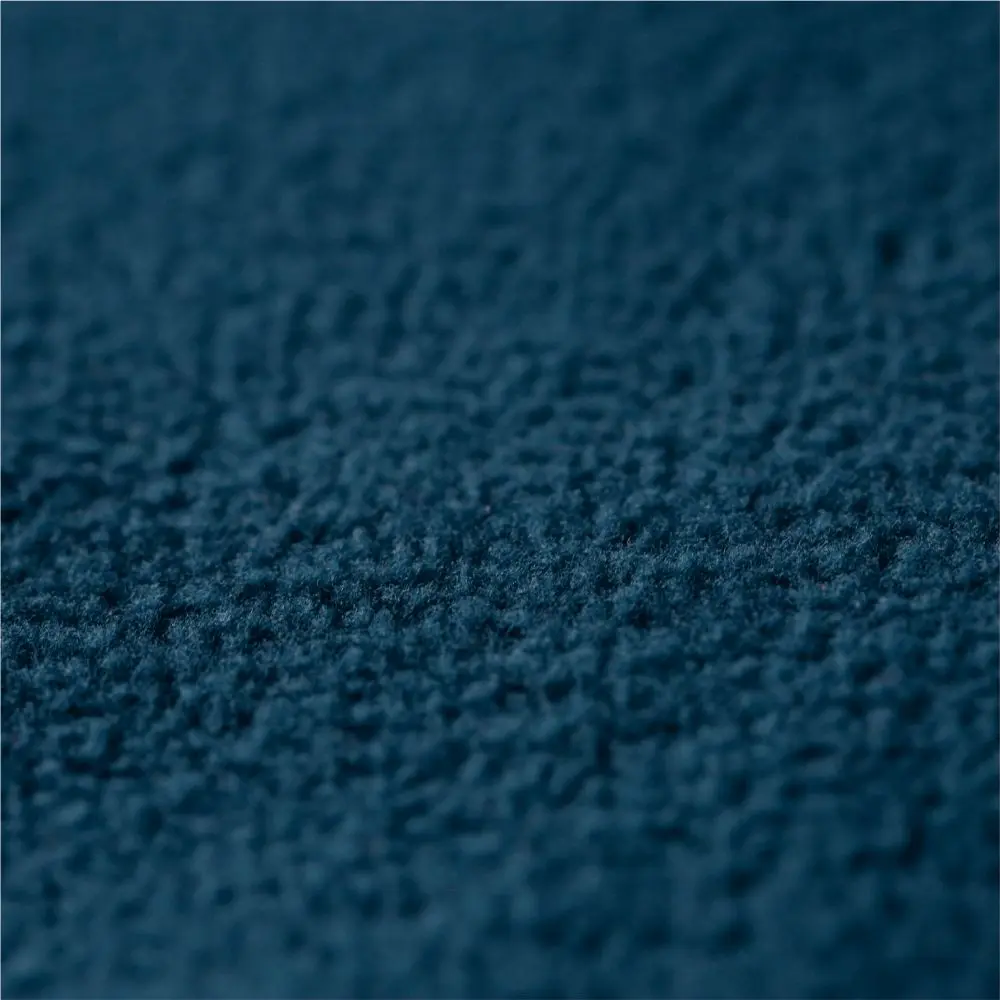
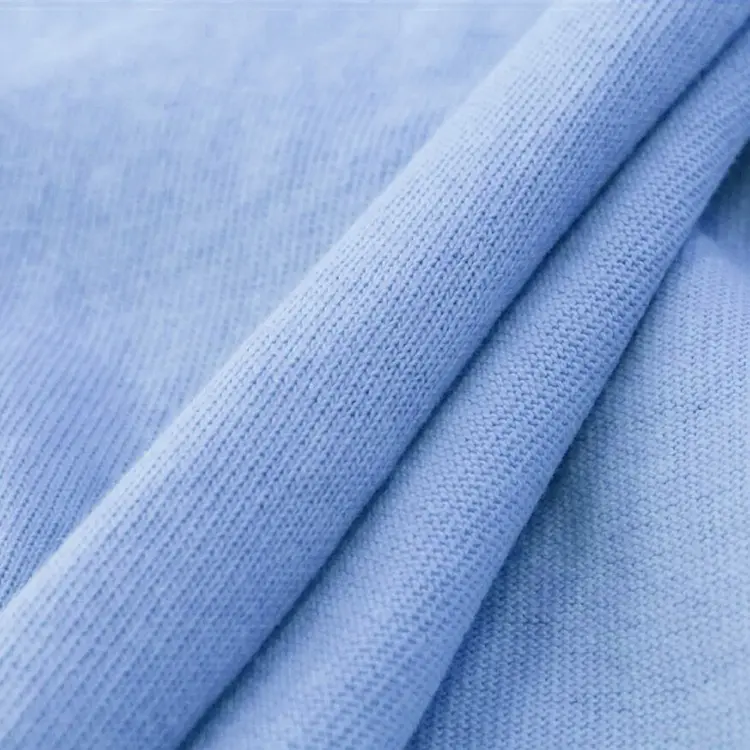
Premium embossing results depend on matching the correct design depth with optimal textile properties. Choose from our specialized fabric catalog:
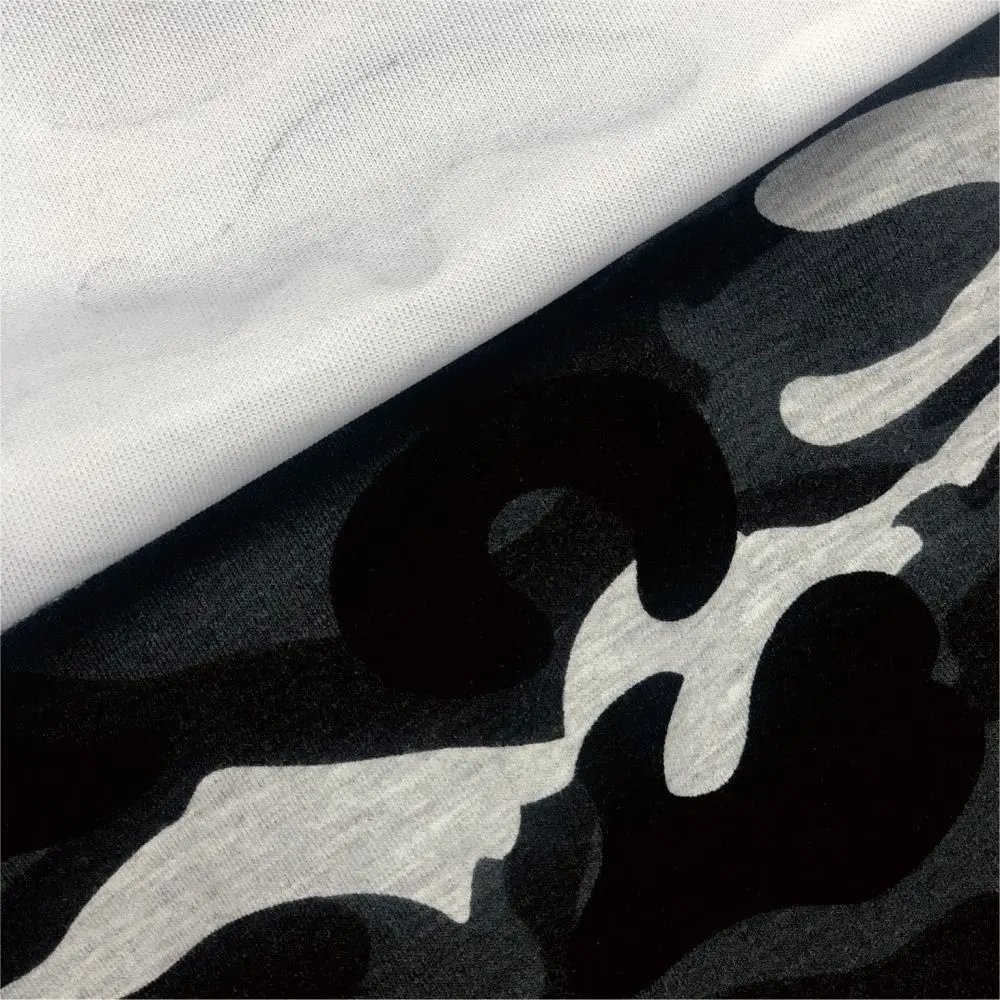
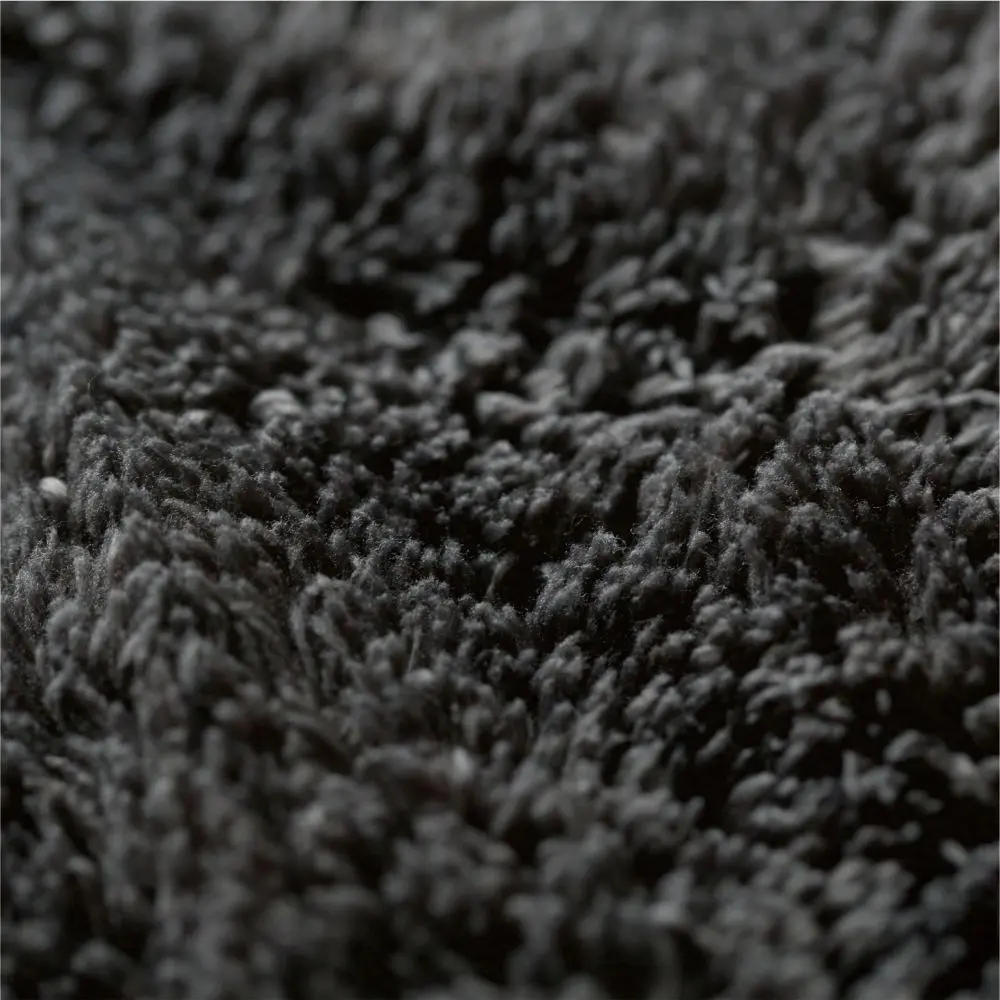
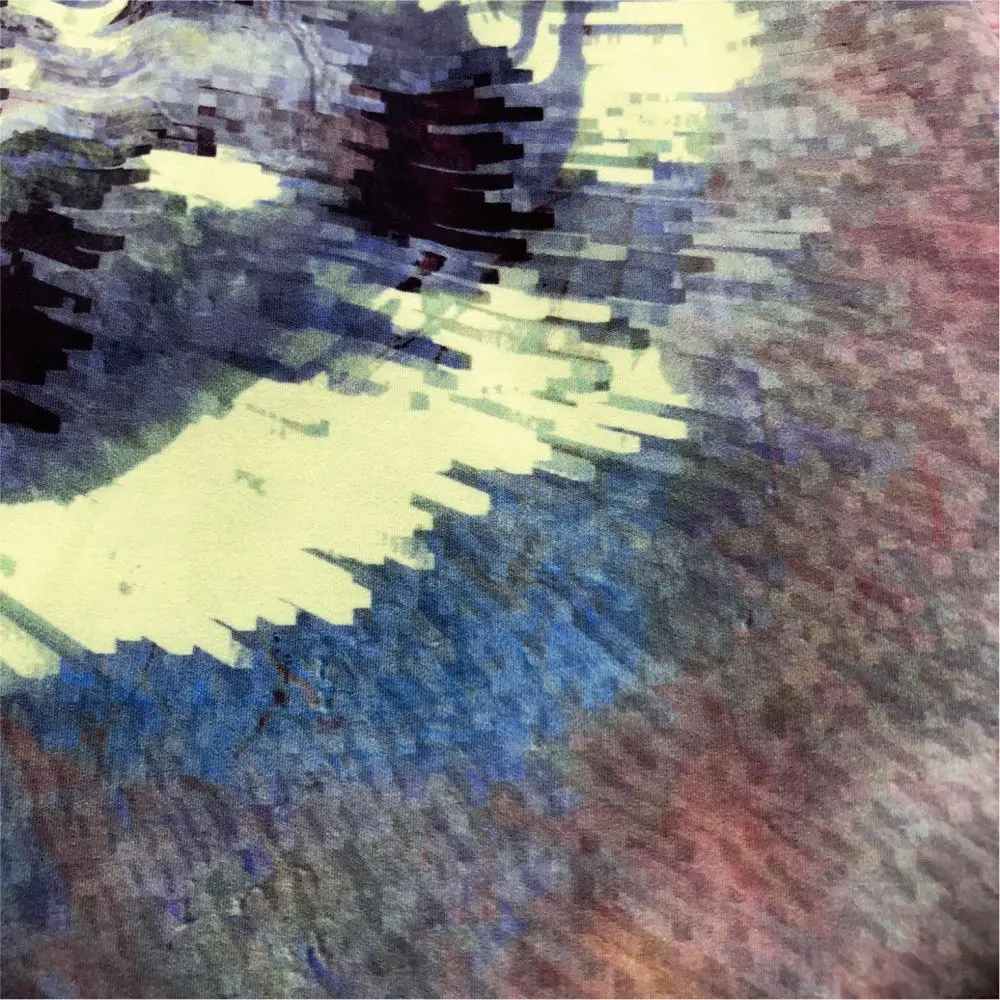
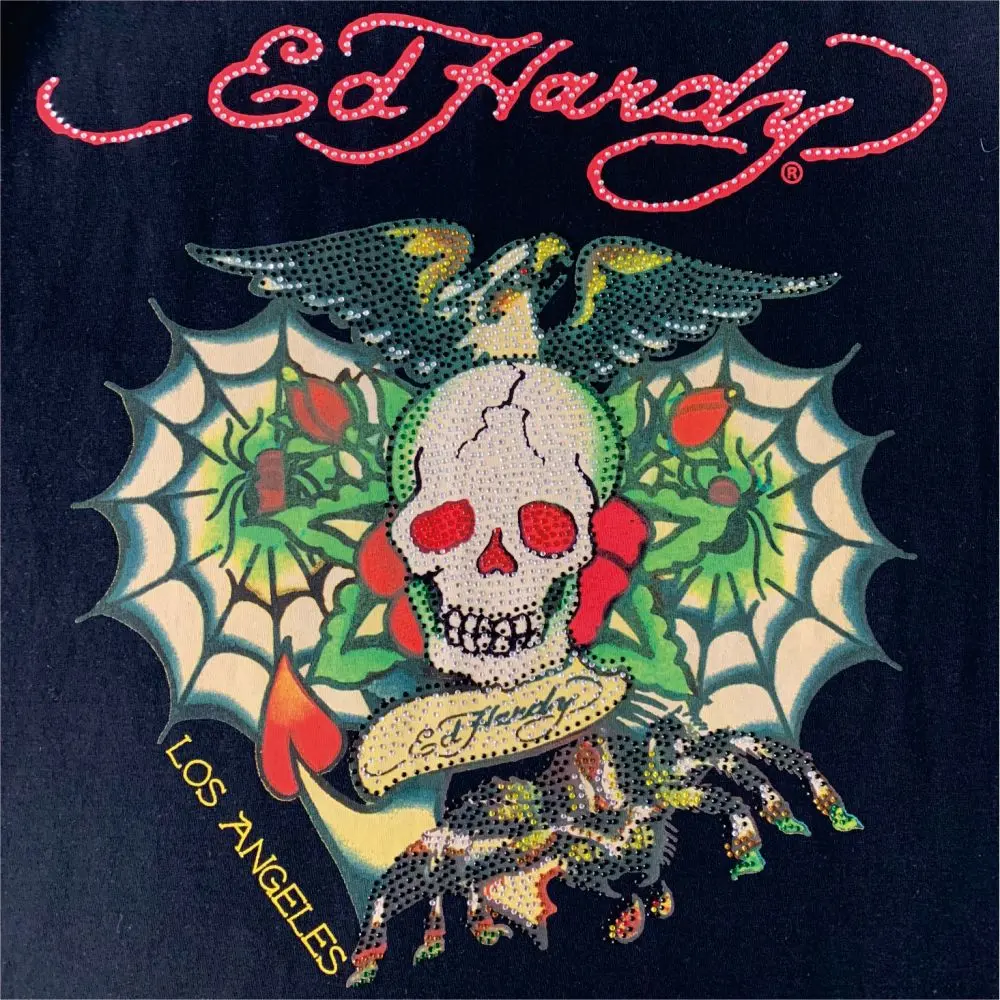
In addition to 3D embossing, our facilities utilize advanced decoration techniques to execute complex, multi-textured brand elements.
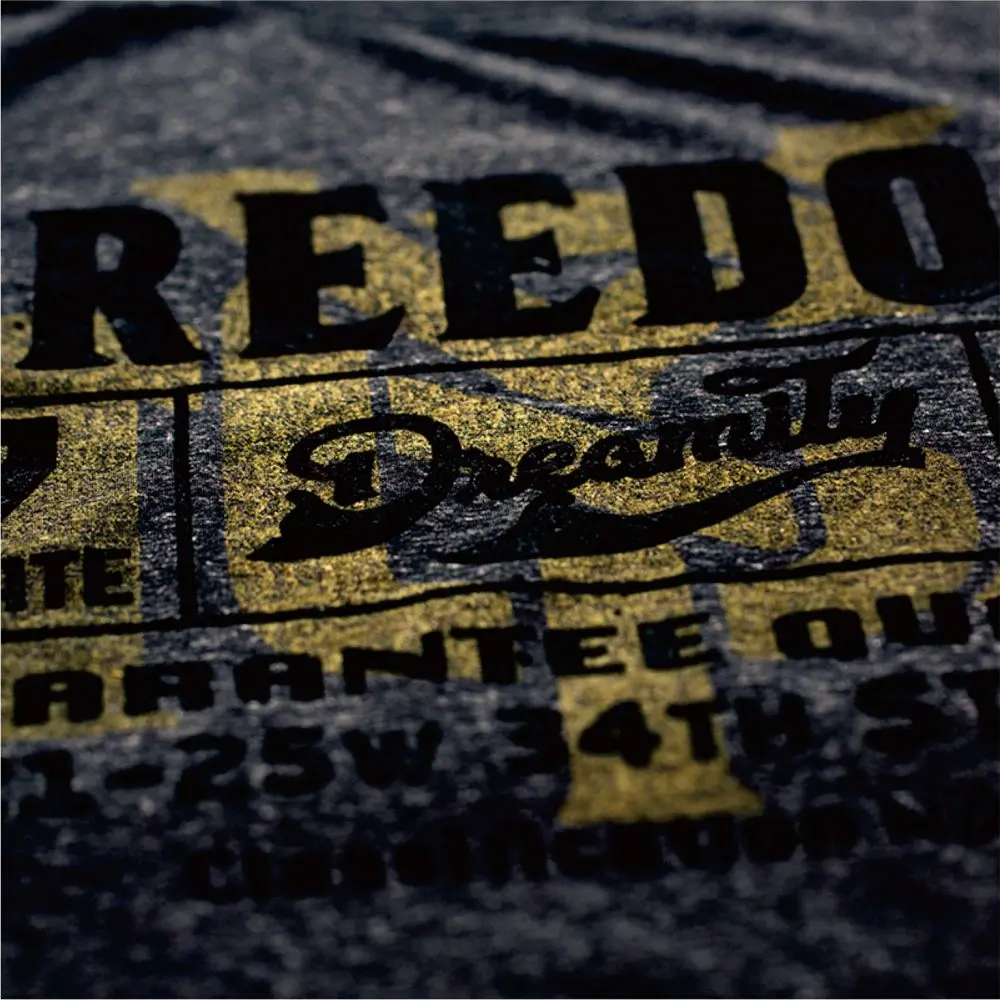
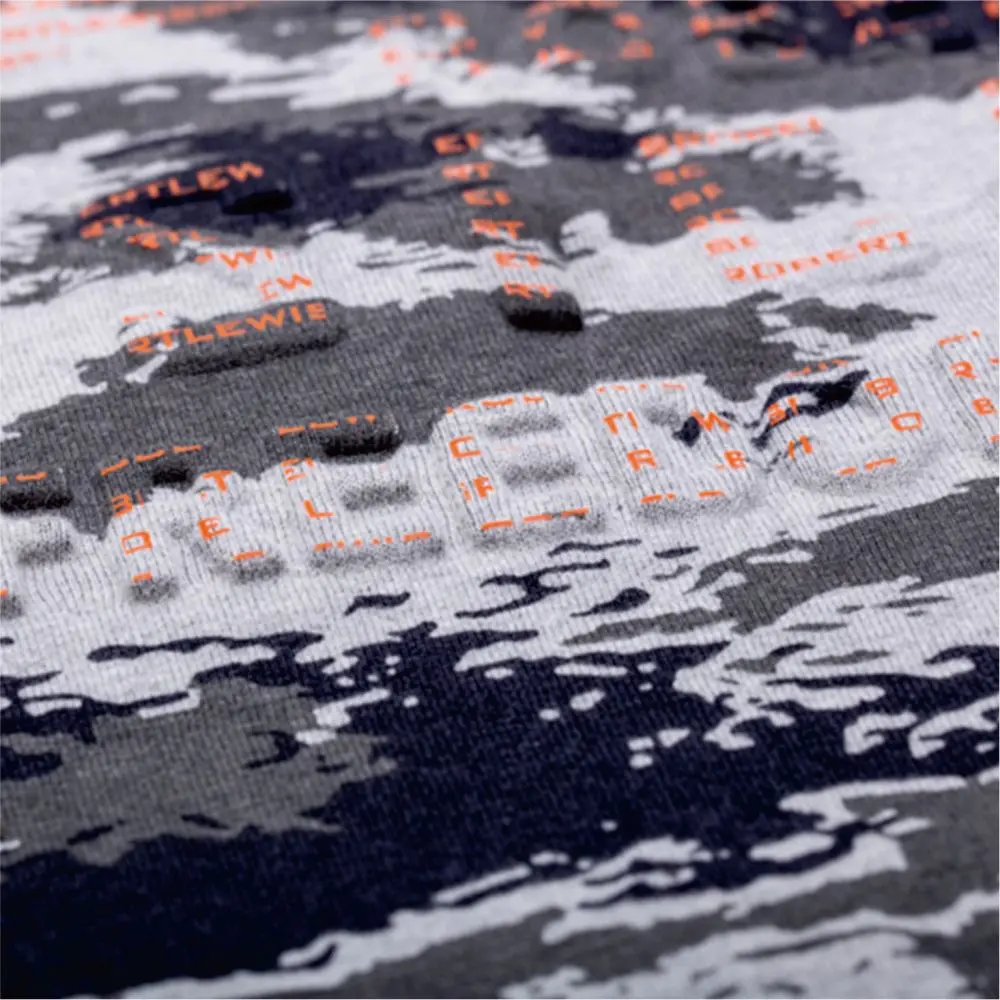
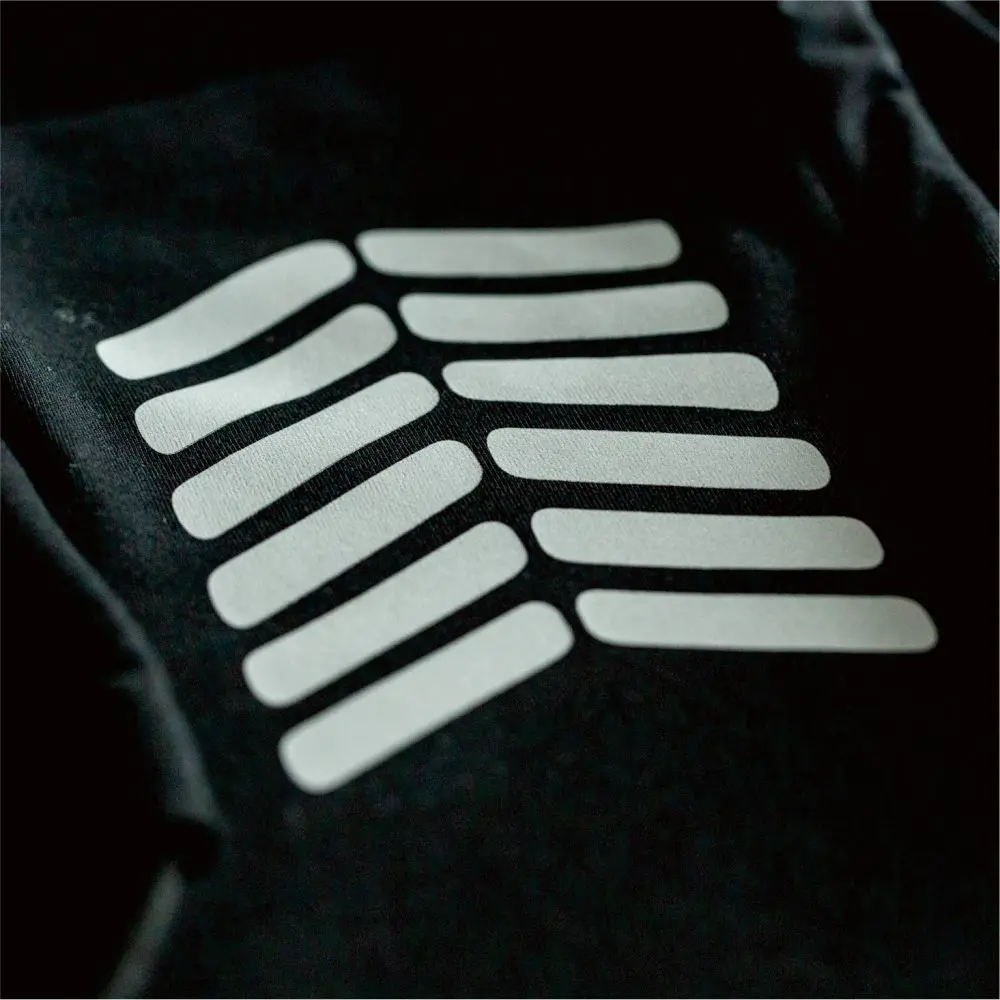
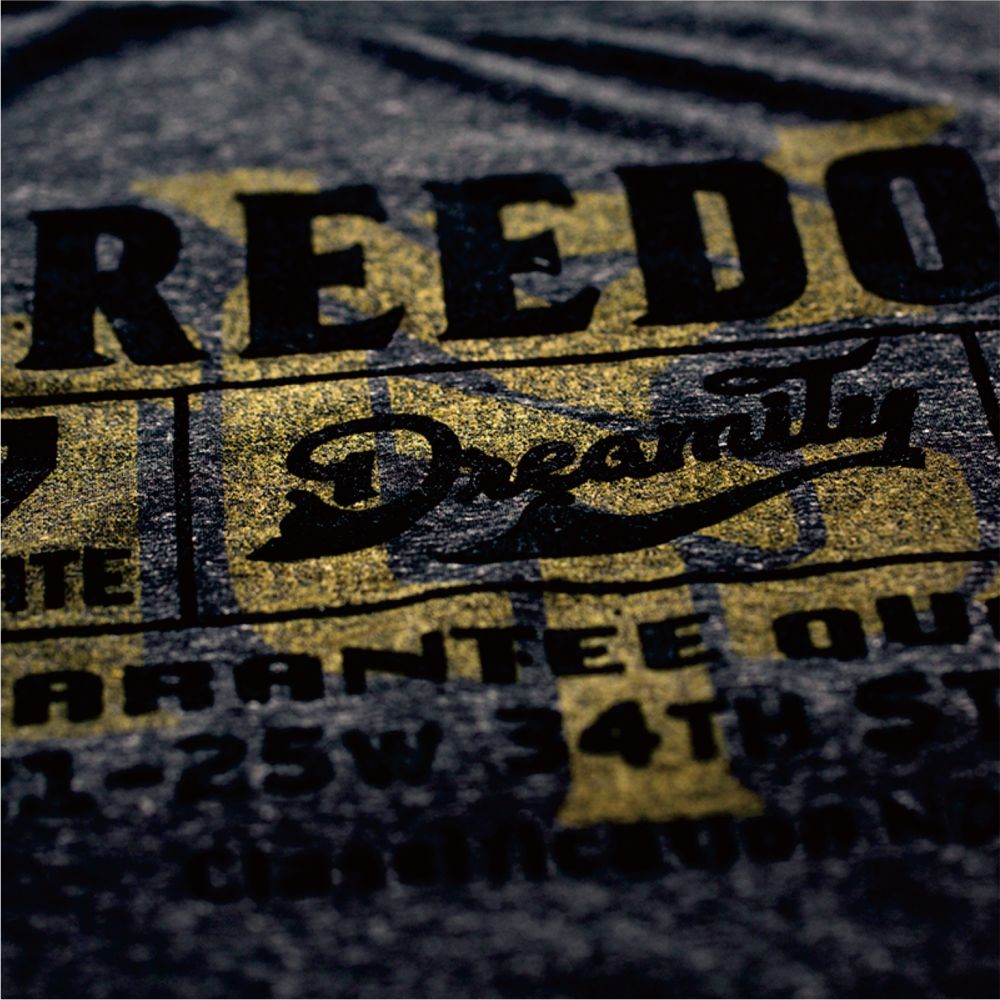
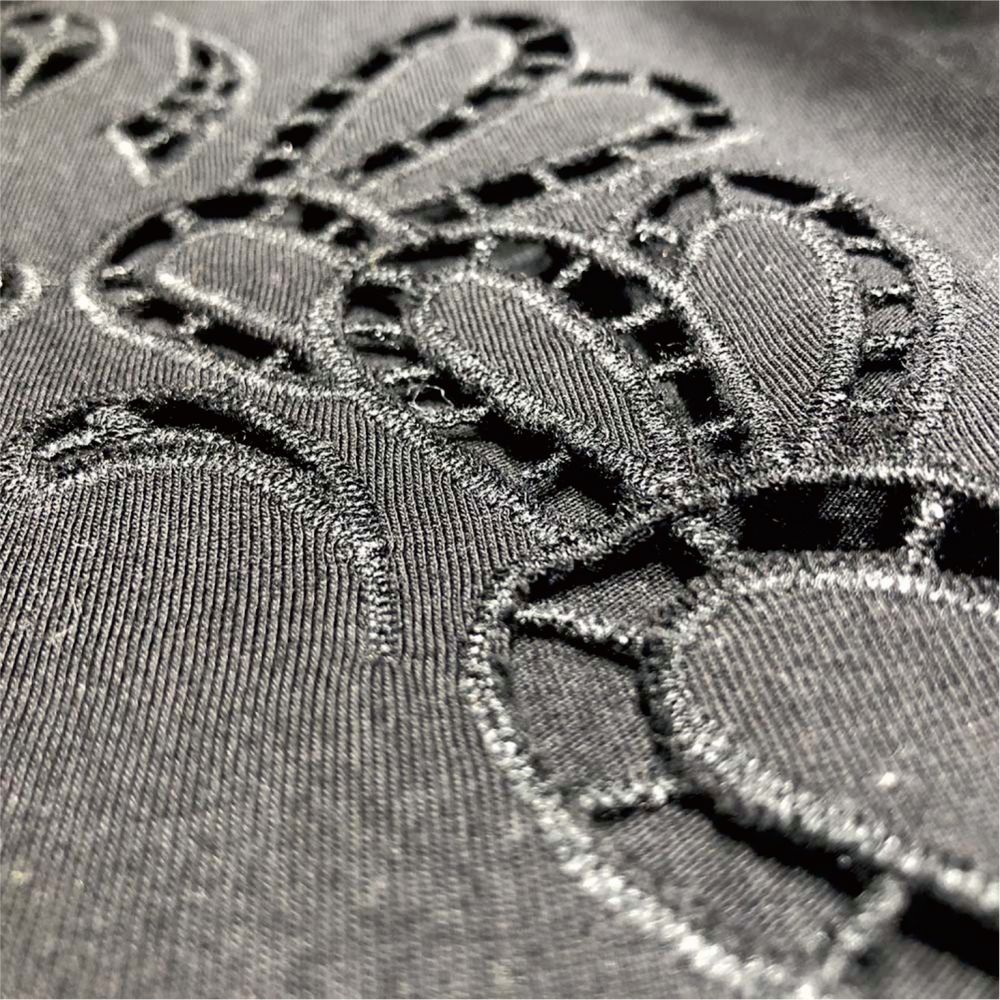
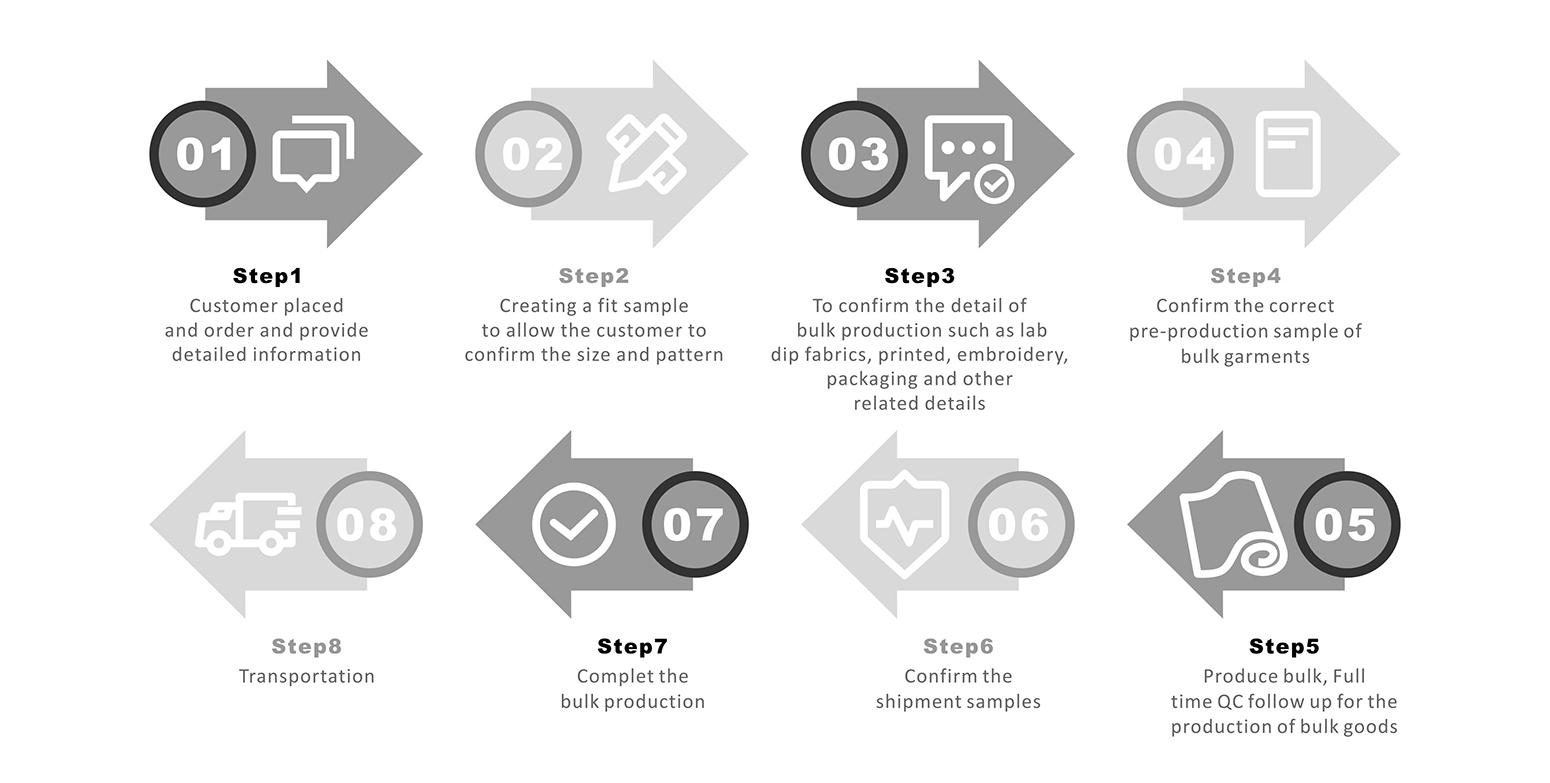
Our engineered process balances speed, detail, and quality control through every stage of production.
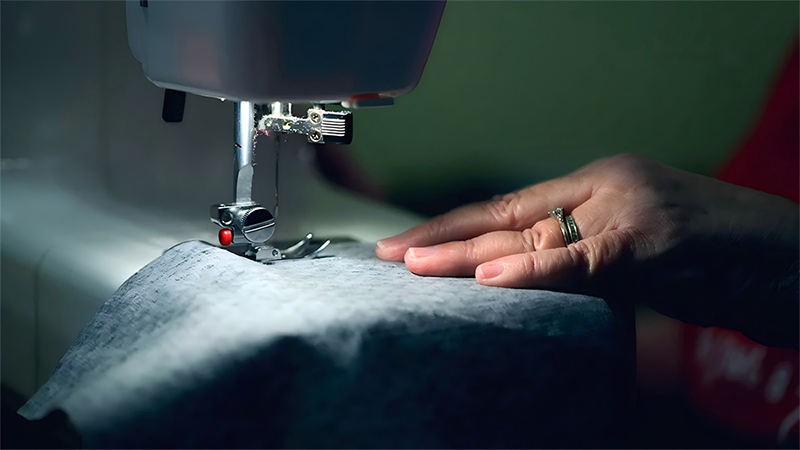
Once order parameters are established, our pattern-making specialists (averaging 20+ years of experience) create an initial paper pattern within 1 to 3 days. We then produce a fit sample using designated weight and fabric profiles for size, stitch, and drape evaluation.
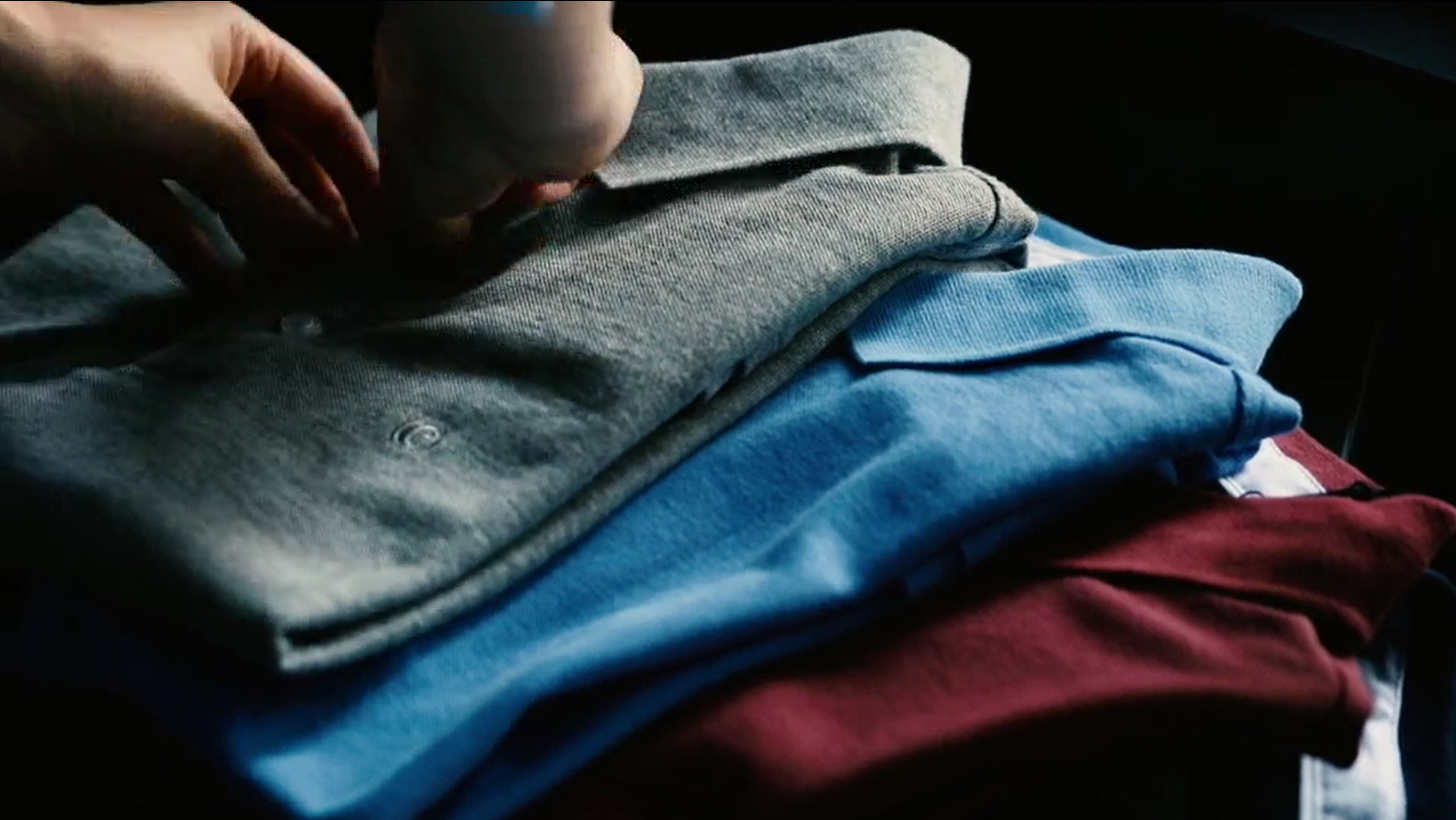
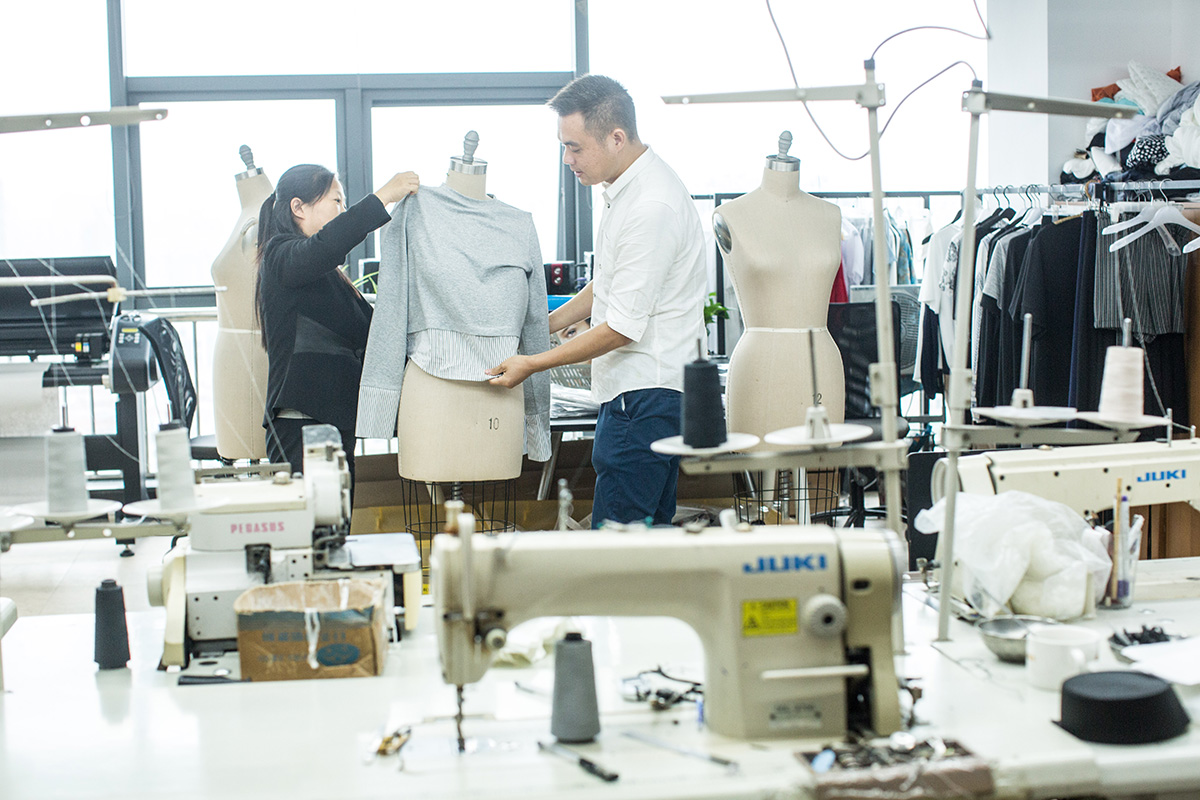
During this stage, we verify lab-dips, target color coordinates (Pantone system matching), specialized packaging materials, and raw materials. Our merchandisers work with you to finalize wash-tag standards and design dimensions.

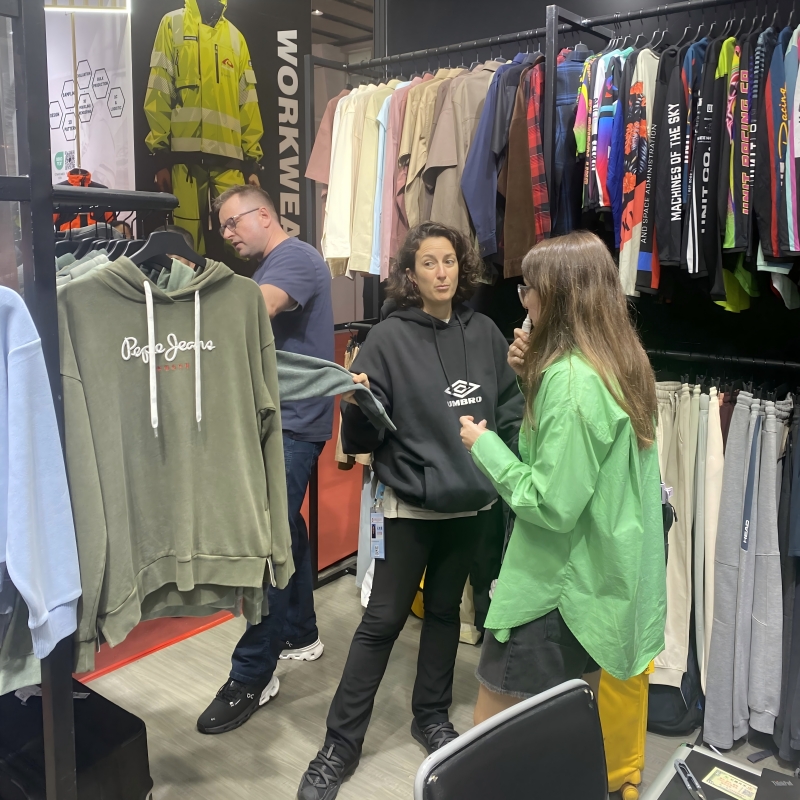
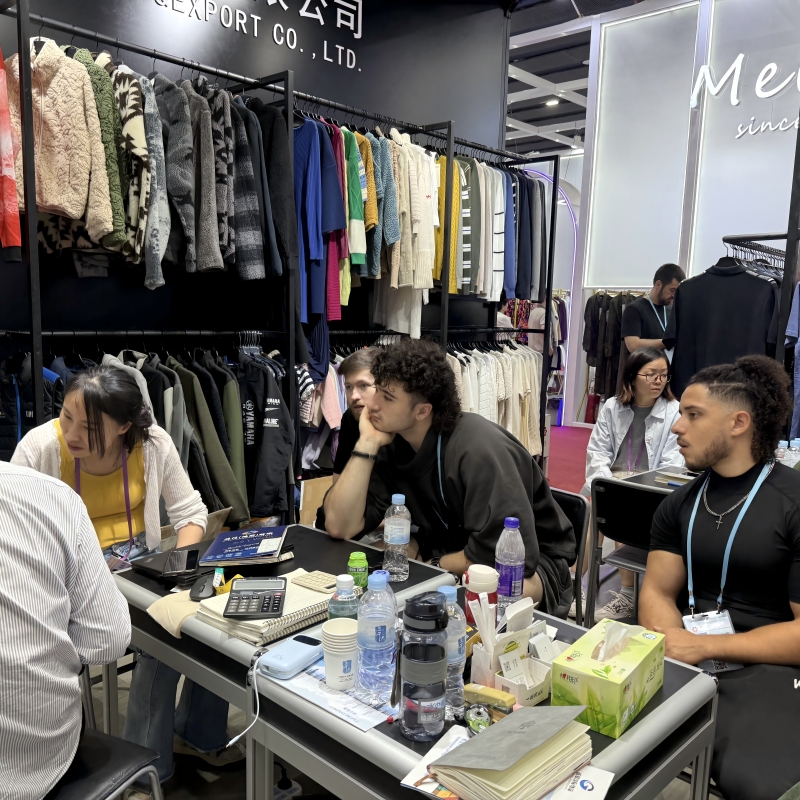
Prior to bulk production, we output the Pre-Production Sample (PPS). Utilizing final fabric stock, trims, and exact embossing molds, this sample serves as the physical benchmark for all quality controls during the production run.
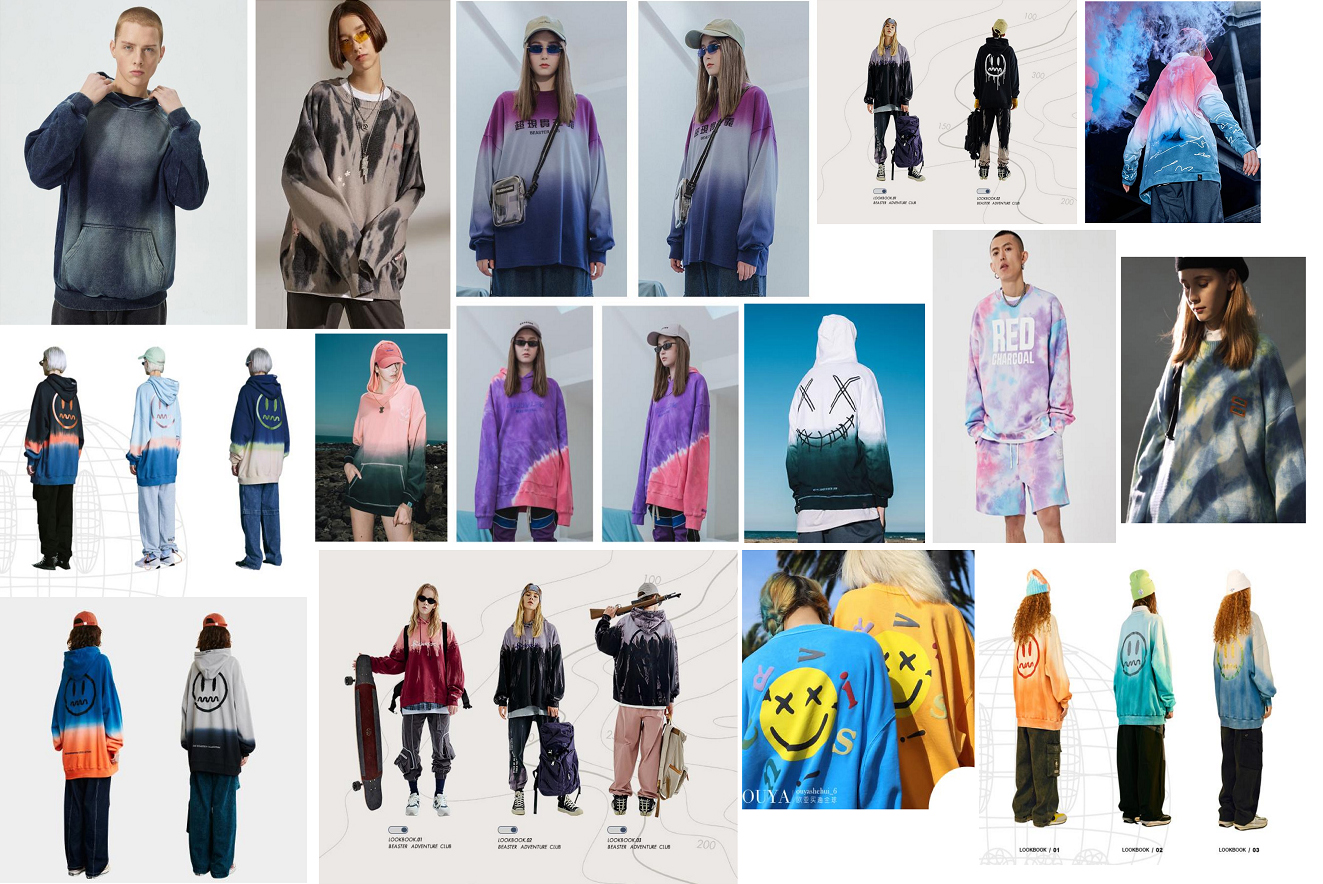
Our QA division evaluates the PPS against strict shrinkage limits, checking structural stability and embossed print durability before launching full-scale runs.
Once the PPS is approved, bulk production begins across our specialized lines. Dedicated QC staff monitor each stage—from cutting to final pressing—generating real-time progress and quality reports.
Before packing, we draw final shipment samples for validation. Our team coordinates packing configurations to ensure cartons remain dry and intact during ocean transit.
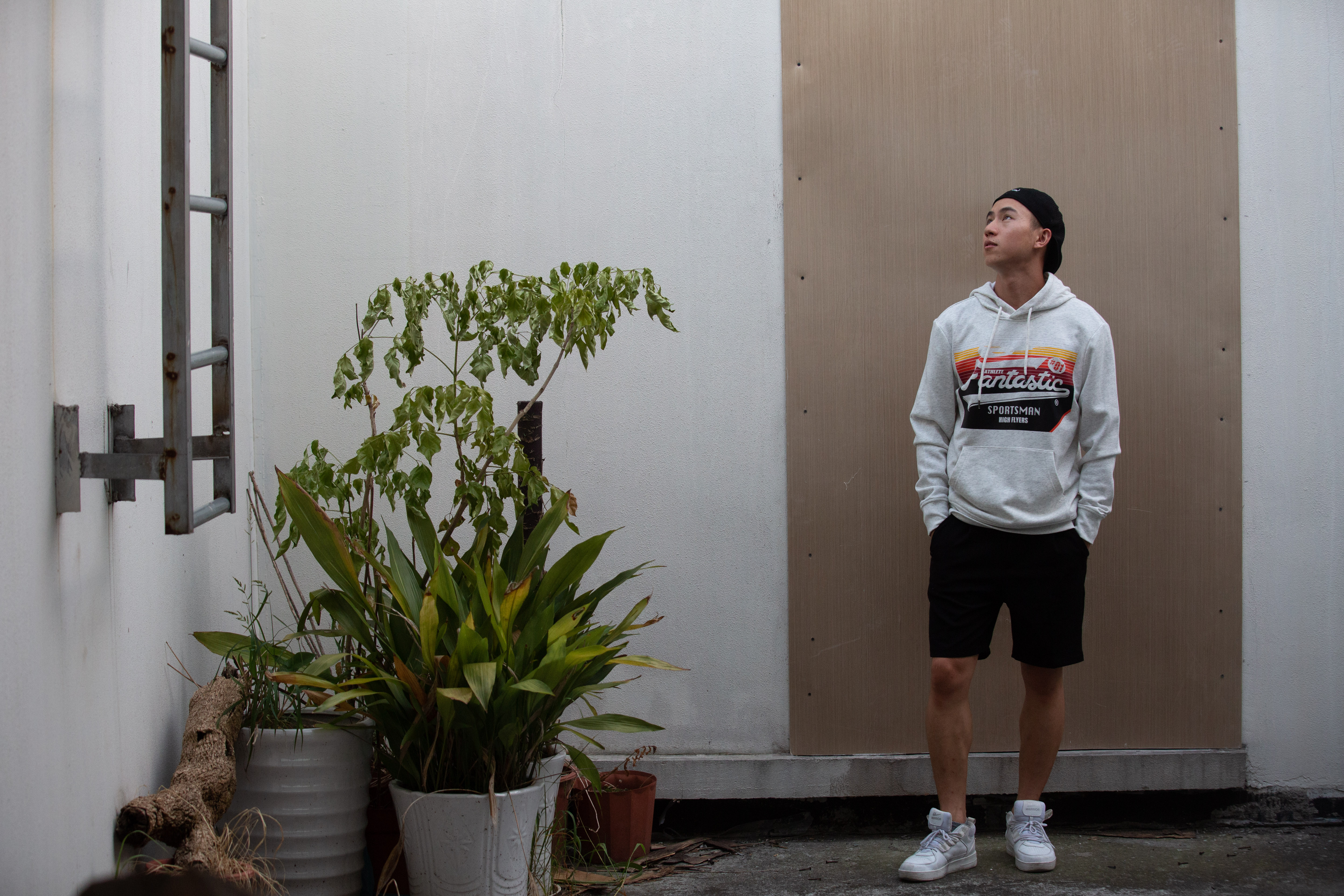


Whether you require production from finished tech packs (OEM) or end-to-end design development (ODM), our teams adapt to your business model.
For brands that supply finalized design specifications and precise patterns. We focus on matching fabric qualities and providing reliable, certified bulk production.
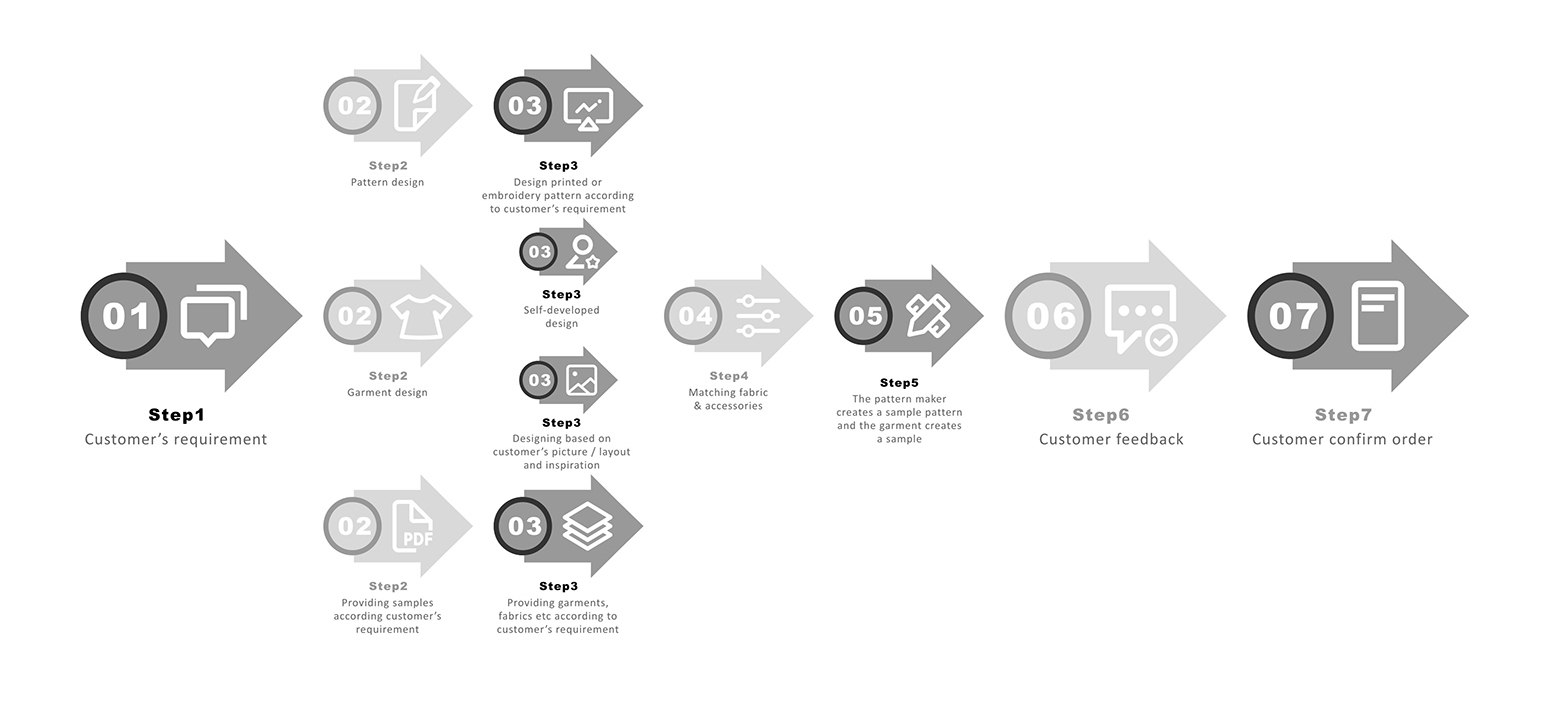
For brands requiring design support, material sourcing, and prototype development from basic sketches or photos.
We adapt to varying order volumes through our partner factories, which range from large-scale operations to smaller, specialized workshops. This layout allows us to align production runs with client needs, supporting both initial trial orders and large-scale bulk distributions.
If an order falls below standard minimum order quantities, we work to find solutions. Our sourcing network can locate alternative fabrics with similar weights, fiber blends, and certifications to keep projects moving forward without large raw material commitments.
Receive customized tech-packs and fabric recommendations based on initial concepts, photos, or reference garments.
Direct access to certified mills supplying organic yarns, recycled fibers, and performance finishes.
Building long-term, mutually beneficial relationships with brands and retailers worldwide.








How different regions and market sectors utilize custom 3D embossed logo hoodies.
Streetwear labels in locations like New York and Los Angeles utilize heavy-duty cotton French Terry (400–500 GSM) with deep, structural embossing. This creates a distinct visual profile that stands out in retail environments.
European activewear brands tend to prefer performance double-knit scuba fabrics. Combined with clean embossing, this pairing provides a sleek look suitable for both casual wear and outdoor activities.
For corporate apparel, companies select polyester-cotton fleece blends. The embossing offers a subtle, long-lasting alternative to printed logos, keeping brand identities clean through repeated wear.
Clear details on ordering parameters, timelines, fabric options, and shipping protocols.
Our pricing is calculated based on seasonal fabric raw material costs, total order volume, and design complexity. Contact our Ningbo offices with your specifications, and we will prepare a customized quotation.
Yes, we establish MOQs based on fabric type, decoration method, and construction requirements. For designs using standard stock fabrics, we can accommodate lower minimums by utilizing our raw material inventory. Custom-dyed fabrics require higher minimum runs.
Yes. We provide comprehensive export documentation, including Certificates of Analysis, Certificates of Conformance, raw materials certifications (Oeko-Tex, GRS, BCI), and necessary customs declarations.
Sampling typically requires 7 to 14 days depending on pattern details. For bulk production, delivery runs 30 to 60 days following PPS approval, depending on design complexity and factory schedules.
We accept Telegraphic Transfer (TT) in advance or Irrevocable Letters of Credit (L/C) at sight. For clients with established trade histories and verified credit insurance coverage, alternative payment terms may be reviewed.
We stand behind our materials and workmanship. In the event of quality deviations from the approved PPS, our policy is to work directly with the client to resolve the issues through replacement or credit adjustment.
Yes. We supply development samples to verify fabric weight, fit, and embossing depth before finalizing bulk contracts. Sample fees are charged to cover development costs and are typically credited upon bulk order commitment.
The styles featured online represent a selection of our manufacturing history. We customize garments to meet specific design requirements. If you do not see a particular style, contact us to discuss custom development options.
 Jinmao