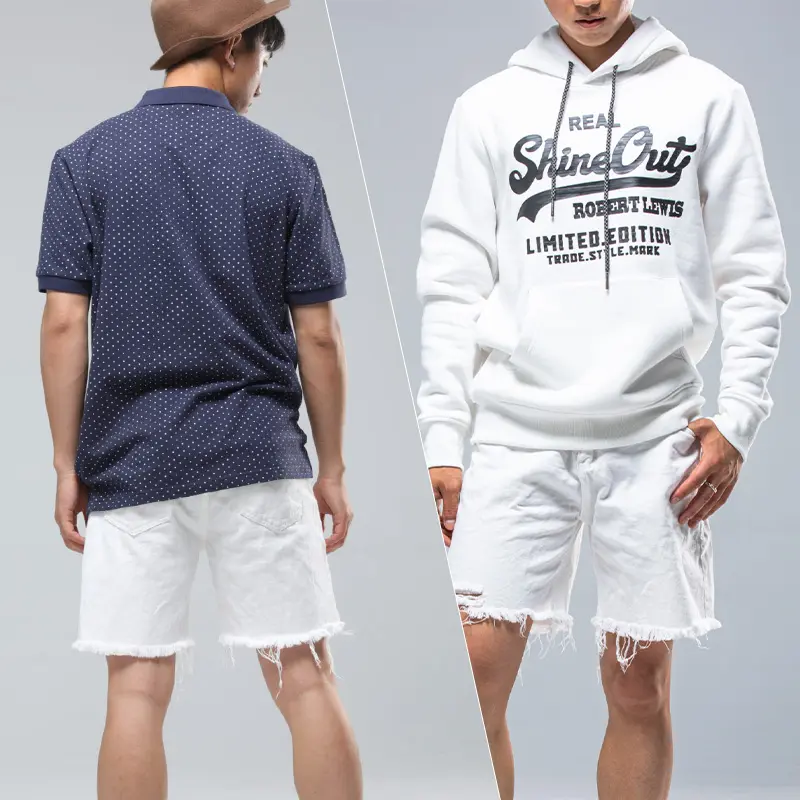
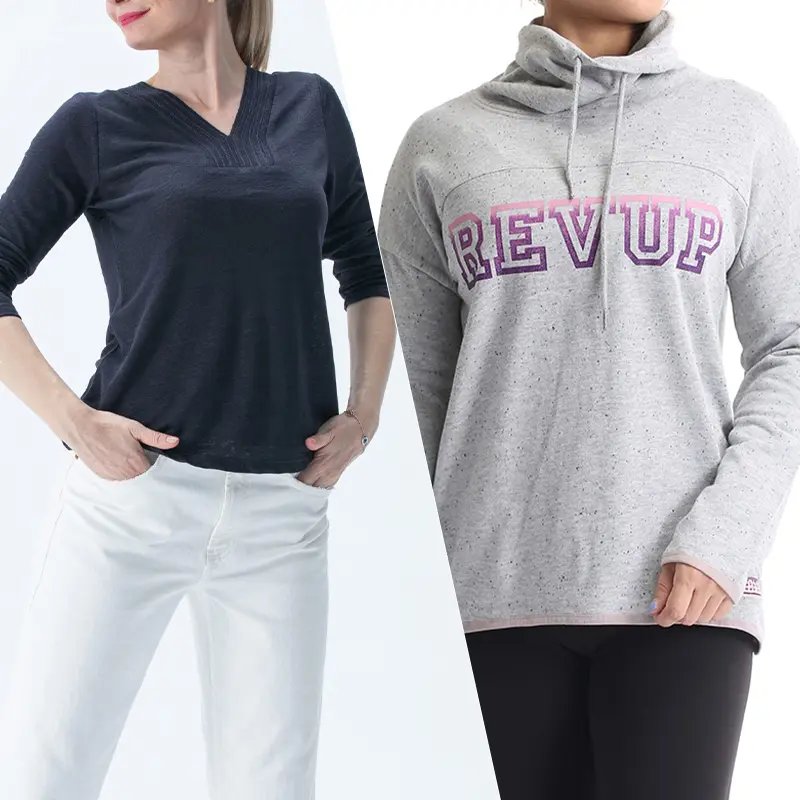
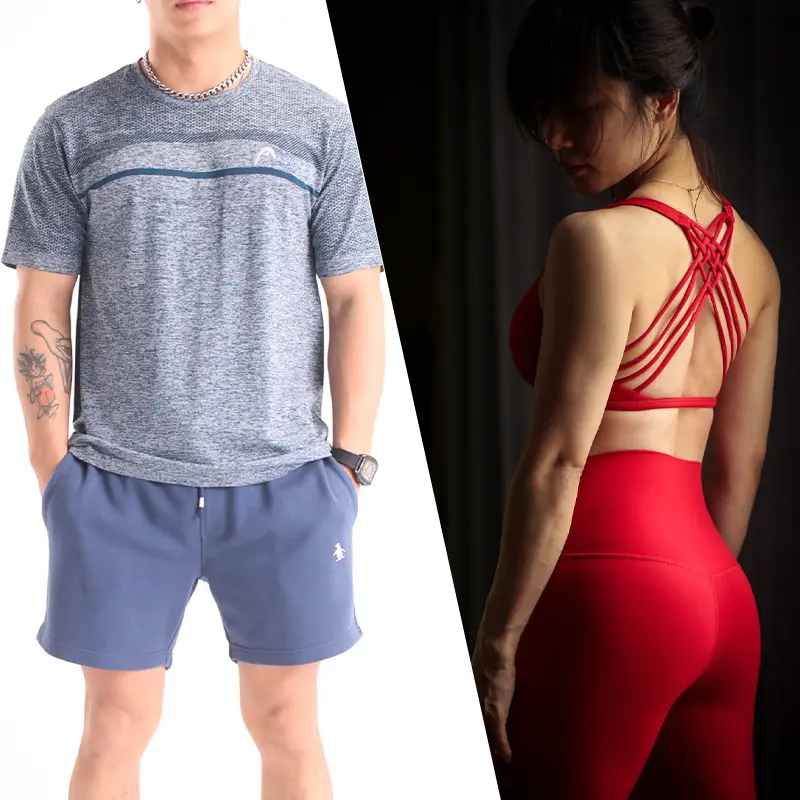
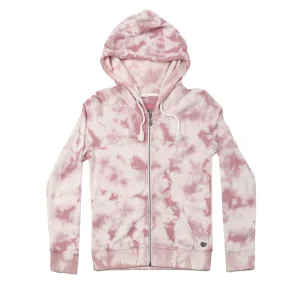
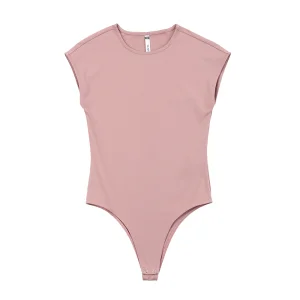
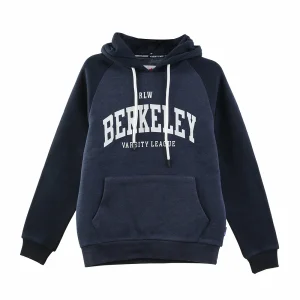
Explore our elite range of custom apparel products manufactured to conform with global standards and retail specifications.
In the modern, post-pandemic consumer era, the cotton graphic hoodie has transcended its origins as casual wear and transitioned into a central staple of streetwear fashion, corporate branding, and promotional merchandise portfolios. Global enterprise buyers, ranging from hyper-scaling direct-to-consumer (DTC) digital brands to multinational retail conglomerates, face strict challenges when sourcing high-quality graphic hoodies. High-weight fabric options, durability under repeated domestic laundering cycles, clarity in high-definition screen printing, and compliance with ecological mandates represent critical barriers to scale.
For global corporate purchasers, procuring graphic hoodies is not merely a transaction; it represents a strategic supply-chain partnership. Modern consumers demand structural integrity alongside expressive designs. This dynamic requires suppliers to deliver optimized knit structures like heavy-gauge French Terry and high-density brushed fleece. These fabrics serve as a stable canvas for complex graphic arts, including direct-to-garment (DTG) prints, complex discharge prints, and high-density embroidery.
Annual Export Turnover Powered by Global Trust
Years of Apparel Industry Experience (Since 2000)
Blending enterprise agility, circular raw material sourcing, and specialized craftsmanship since the turn of the millennium.
We operate an independent, highly professional design and development department dedicated to converting client inspirations, flat sketches, and reference photos into technical production sheets. Our specialists recommend fabrics tailored to performance, weight, and price parameters, while continuously introducing functional, eco-certified trims and accessories.
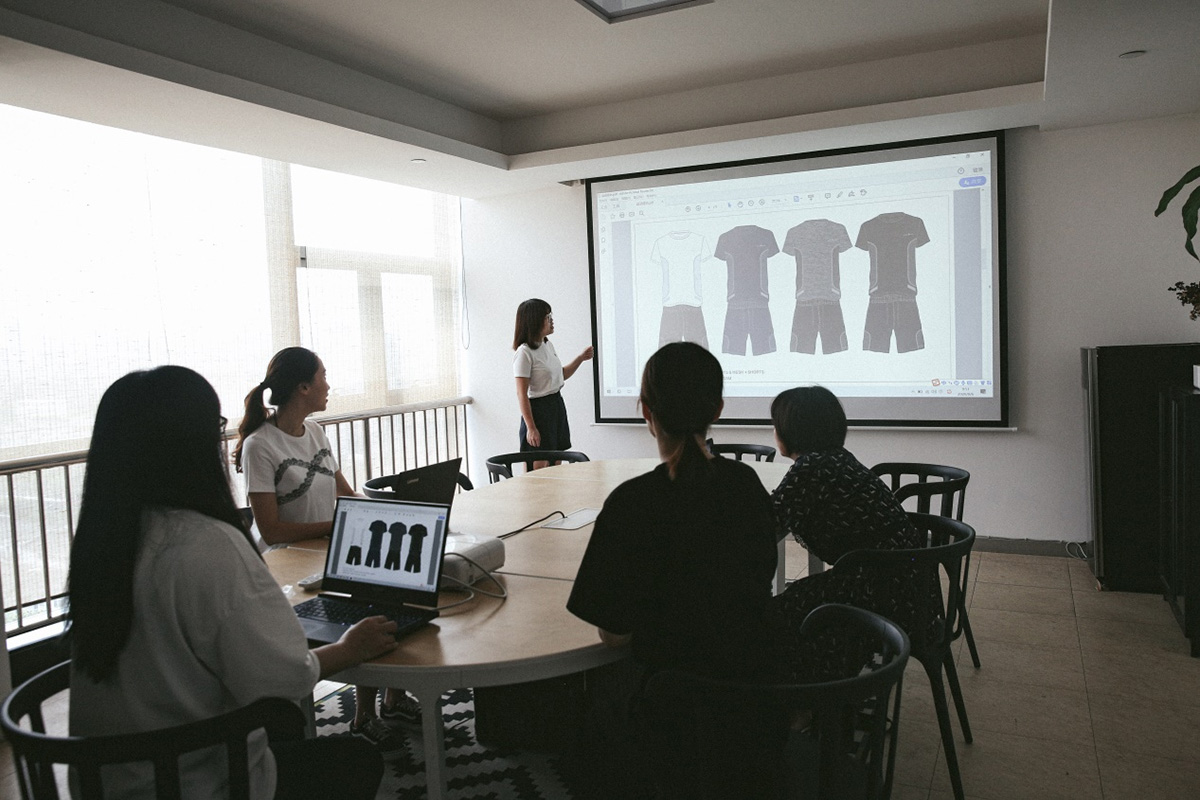
Our in-house master pattern-makers and garment tailors possess an average of 20 years of technical expertise. Focusing on heavy-gauge knit structures and lightweight wovens, they translate client ideas into physical models within 7 to 14 days, accelerating the pre-production cycles that define modern retail.
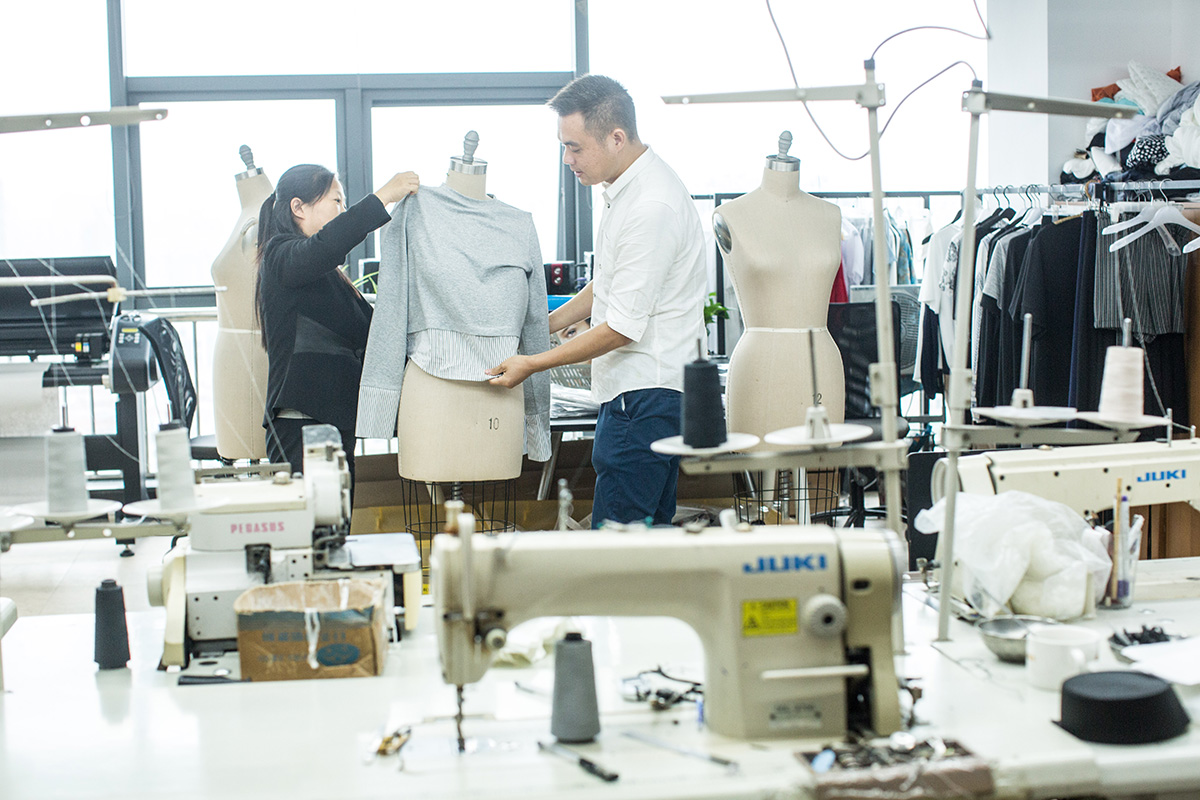
Our business operations are led by experienced coordinators with an average tenure of 10+ years. Having served over 100 brands across 30 countries, they translate strict parameters concerning material weights, dye compliance, and print durability into clear instructions, and route orders to audited factory nodes.

Understanding the engineering behind durable cotton substrates and clean graphic application processes.
Different custom garment styles demand specific knit patterns. Selecting the correct weave impacts insulation, breathability, structure, and graphic longevity. We offer the following raw structures:
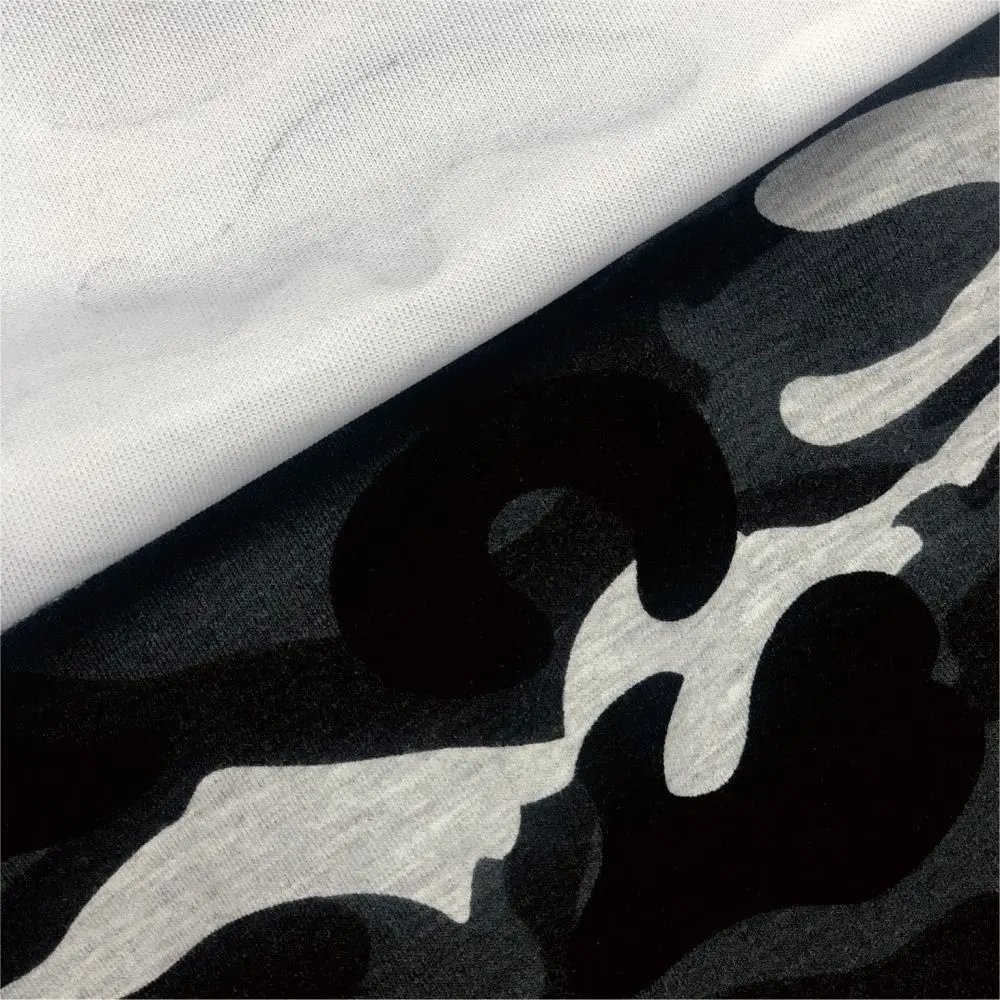
Smooth, synthetic-blend double-knit, ideal for futuristic streetwear cuts with boxy structures.
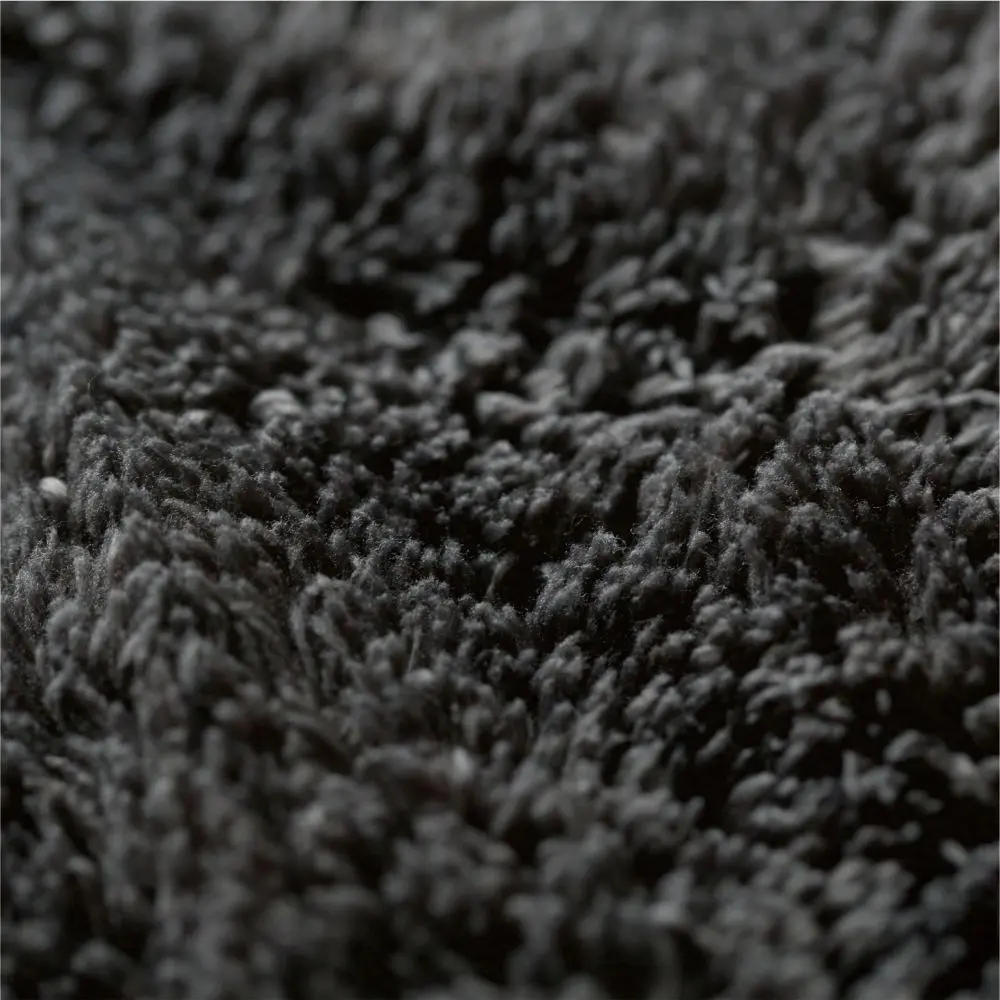
High pile textures prioritizing insulation, heat retention, and soft hand feel.
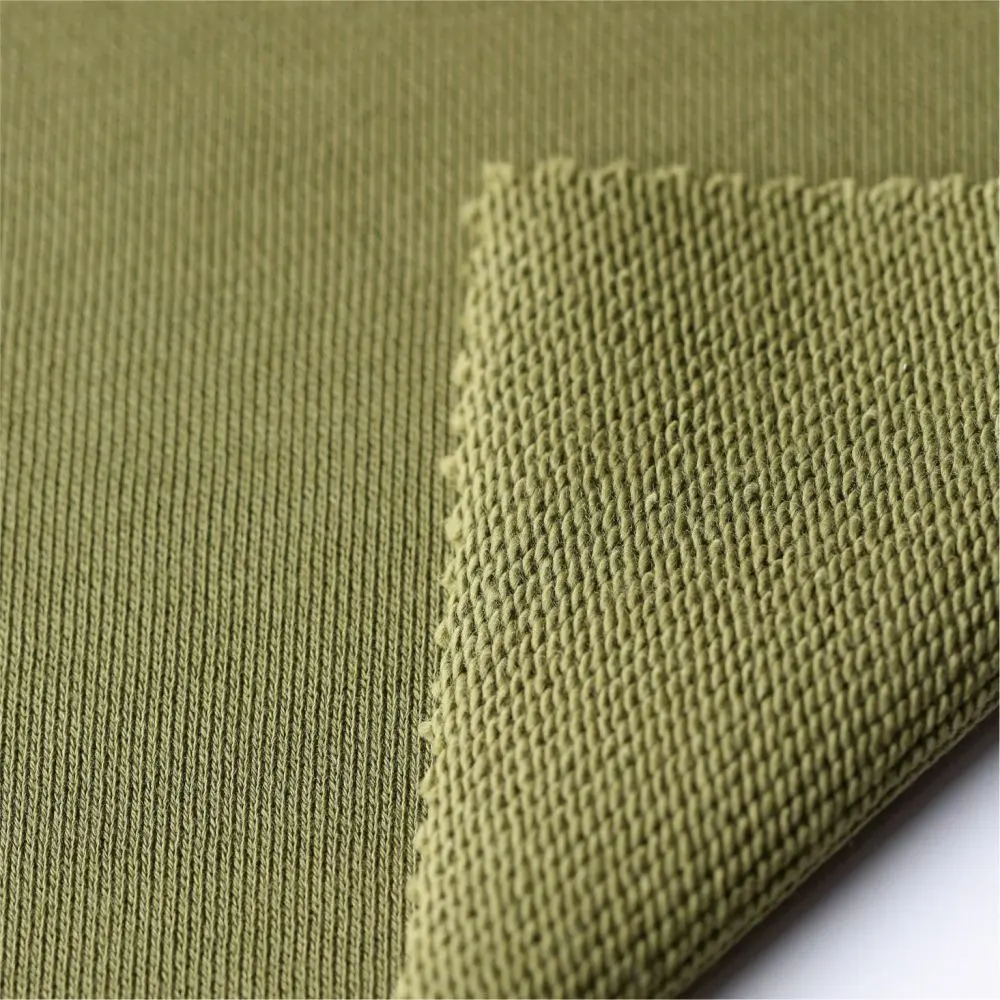
Unbrushed loops or soft-brushed backs, serving as the standard substrate for graphic printing.
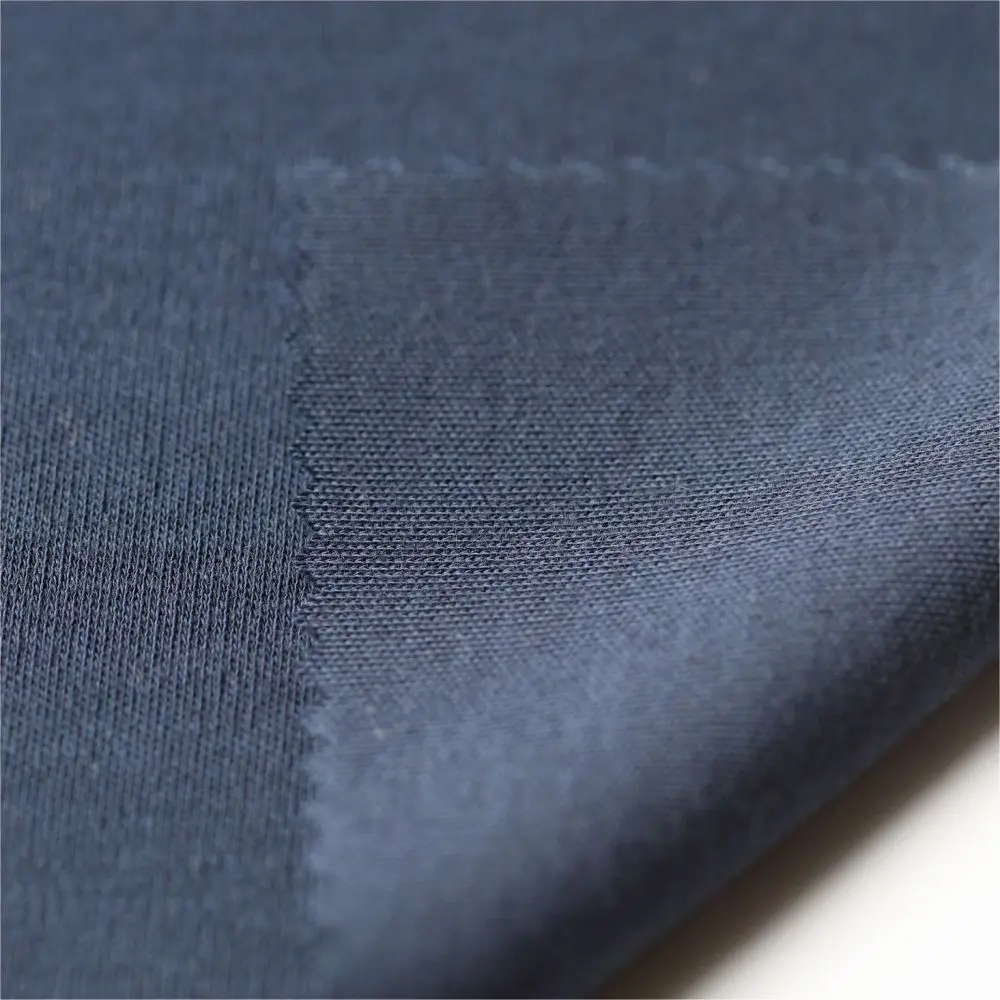
Heavyweight double-knit presenting smooth face surfaces on both sides, ensuring high-res prints.
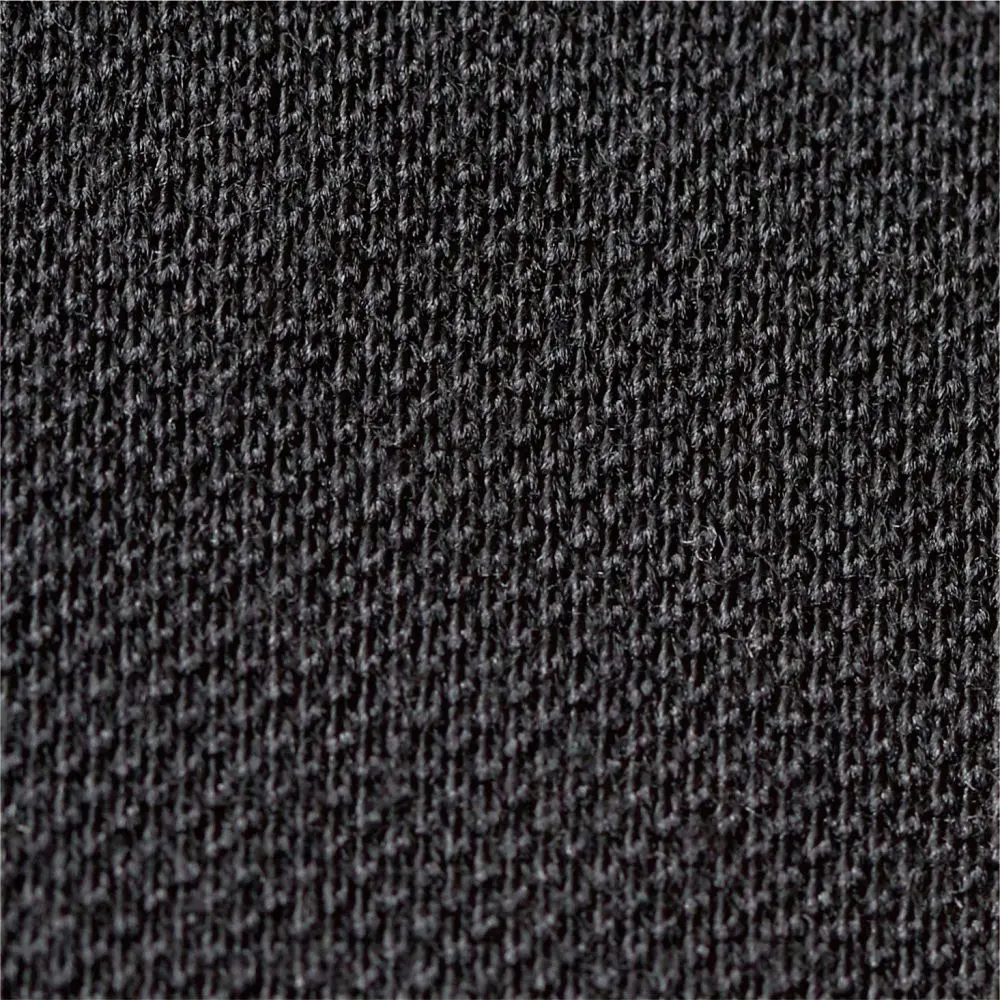
Waffle/honeycomb weave with high structural breathability, commonly specified for heavy polo variants.
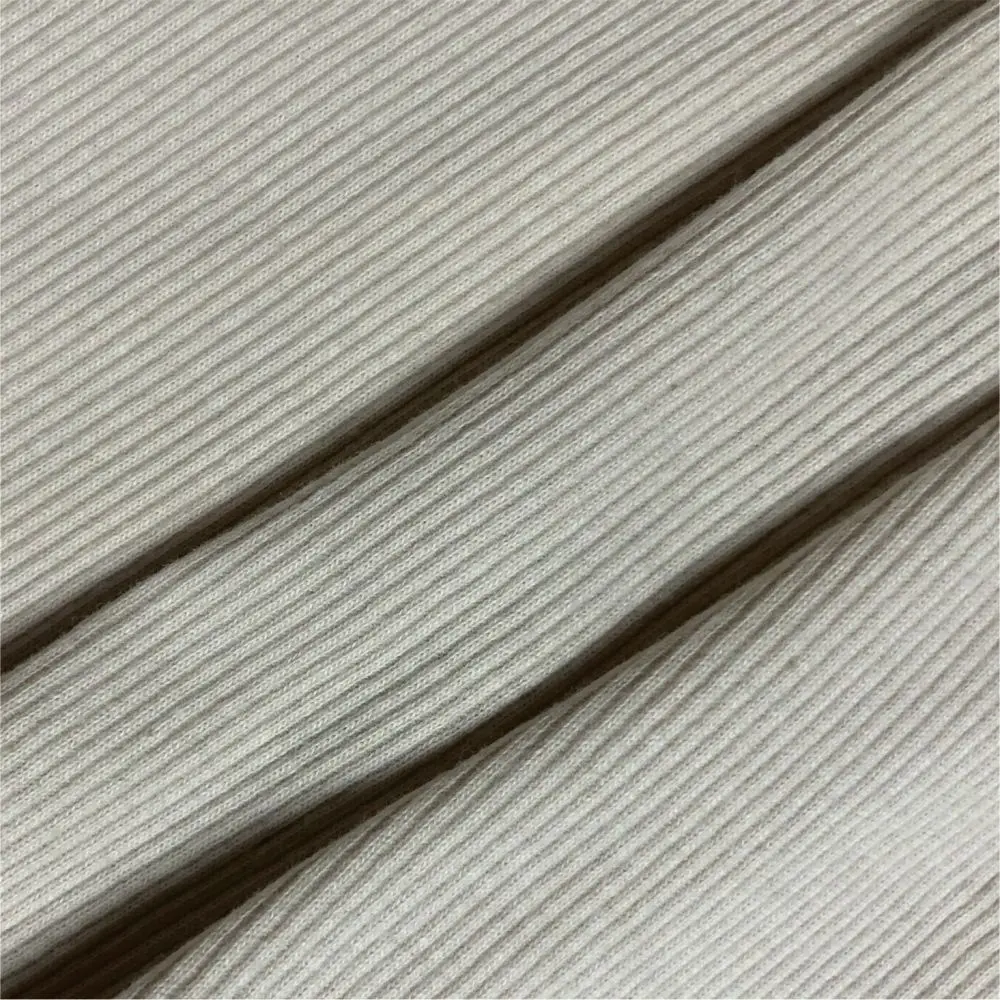
High-stretch ribbed weaves optimized for collar linings, sleeve cuffs, and bottom hems.
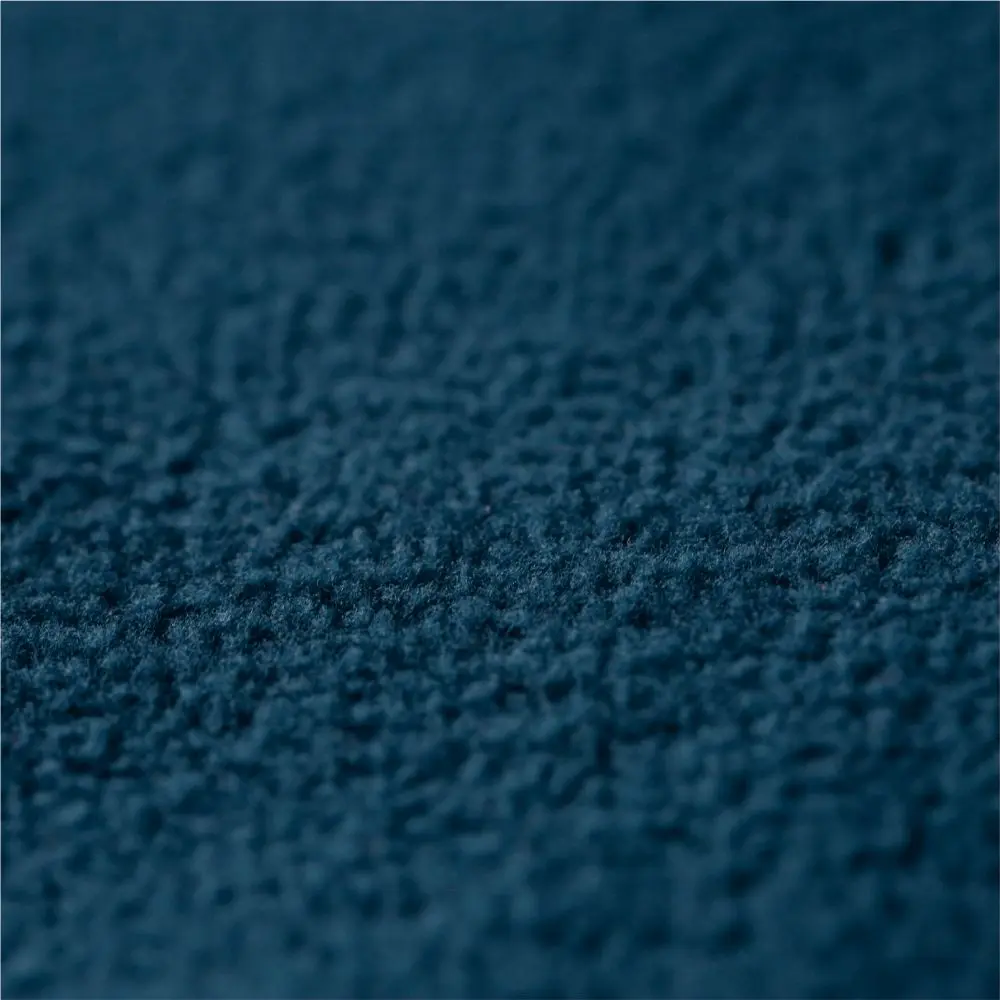
Synthetic brushed polyester structure creating lightweight warmth insulation layers.
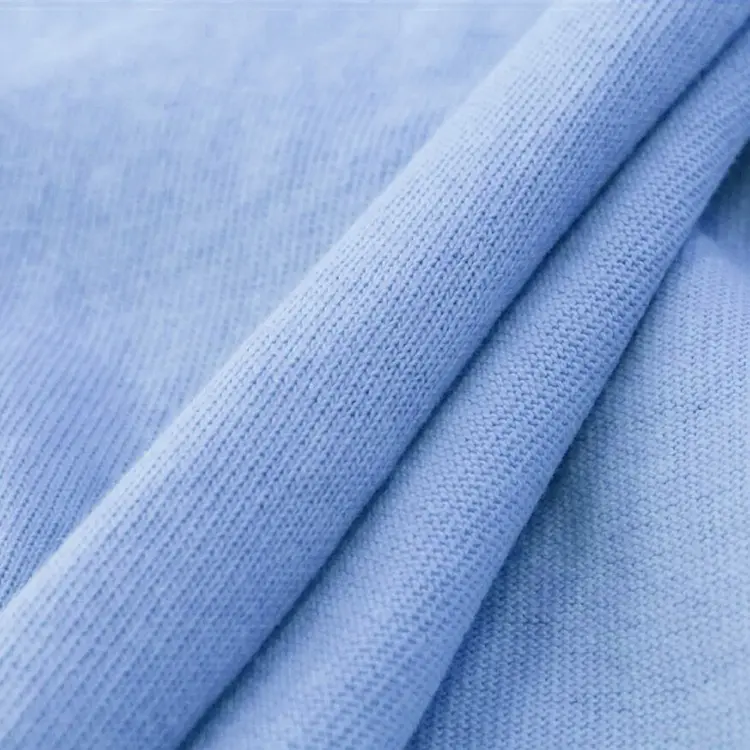
Lightweight, single-knit sheet, used for hoodie hood linings and base t-shirt runs.
Transforming raw fabrics into high-end graphic retail items requires advanced post-processing technologies. We integrate several custom decorative methods:
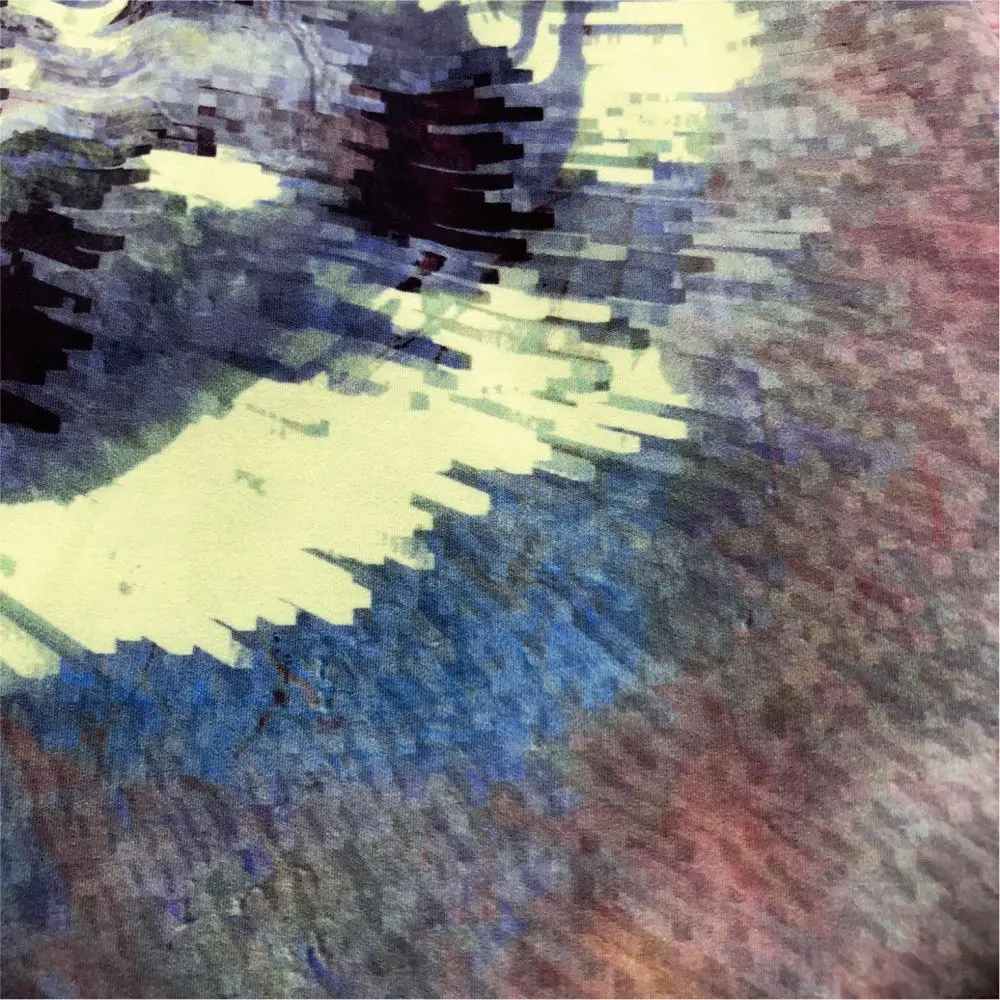
Provides high color resolutions, photo realism, and clean gradient reproductions. Best for low to medium volumes and complex artwork without screen-setup charges.
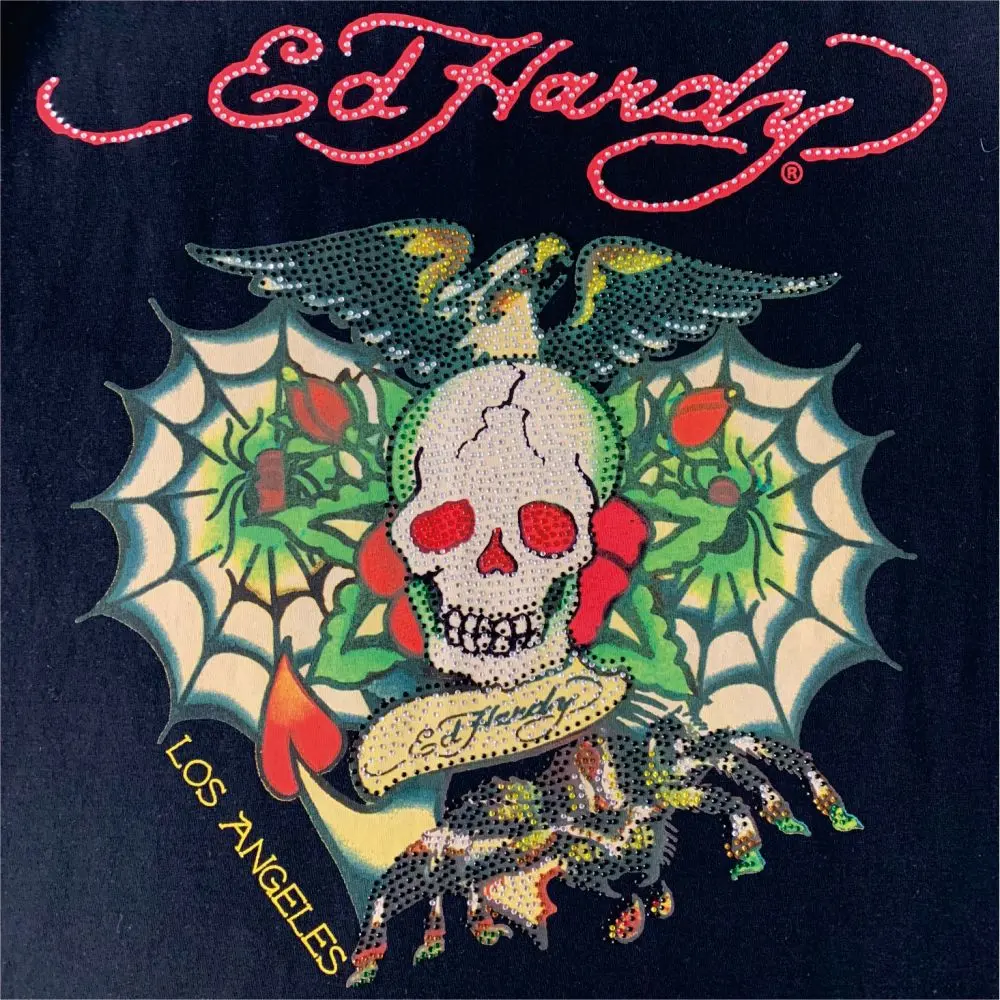
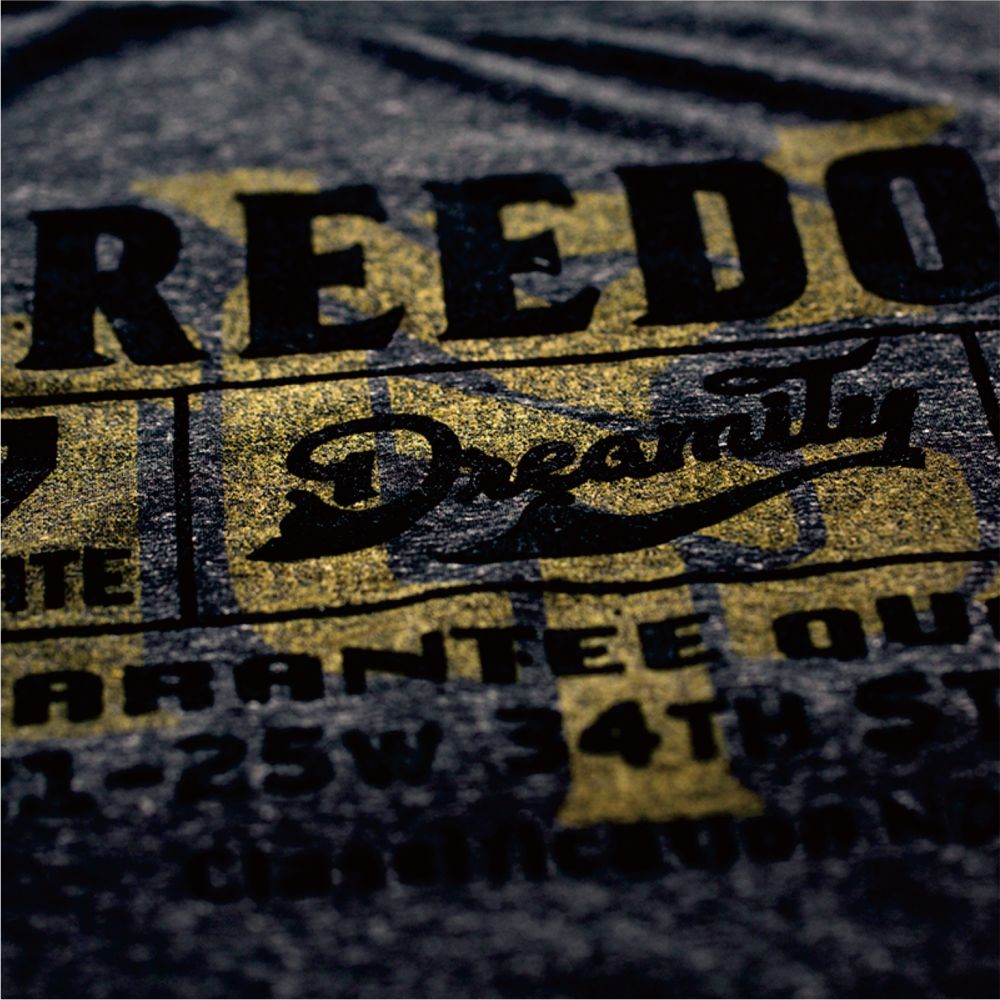
Replaces fabric base dye pigments with raw graphic colors. Yields a very soft hand-feel, eliminating the heavy plastic texture on dark-colored garments.
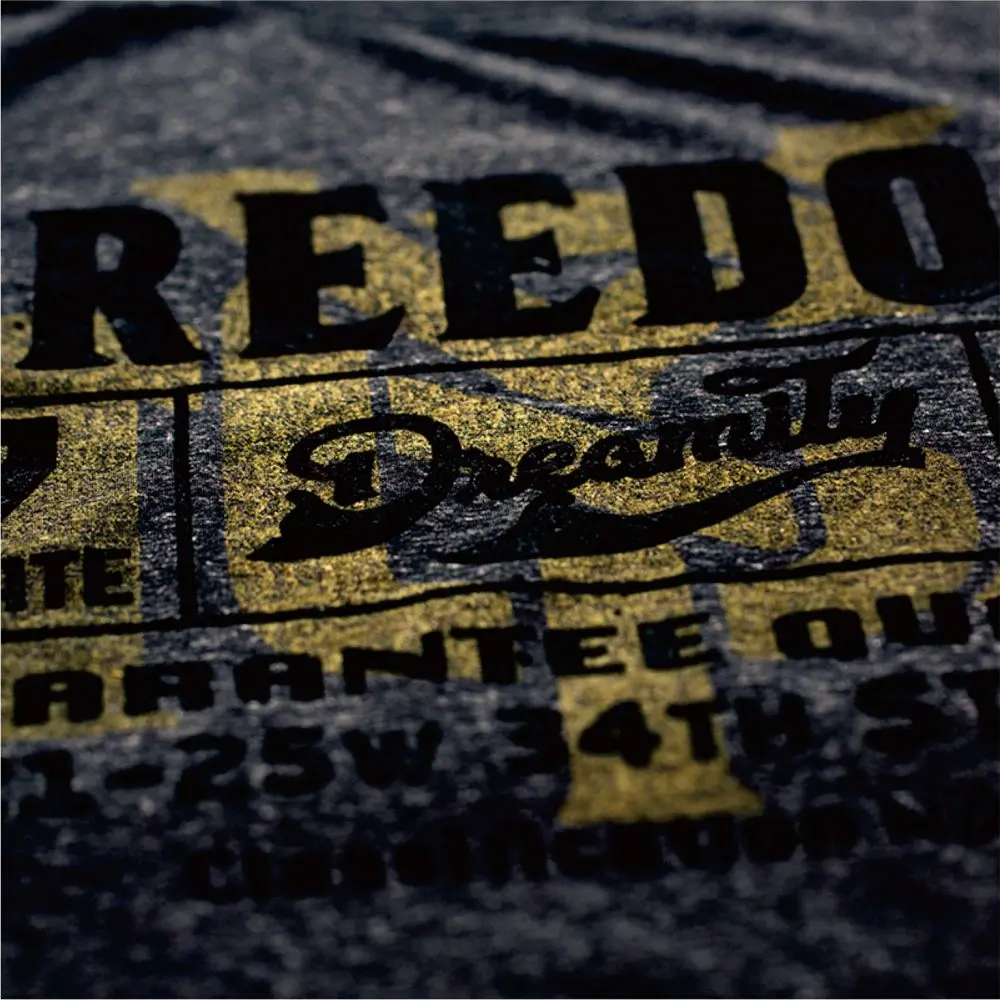
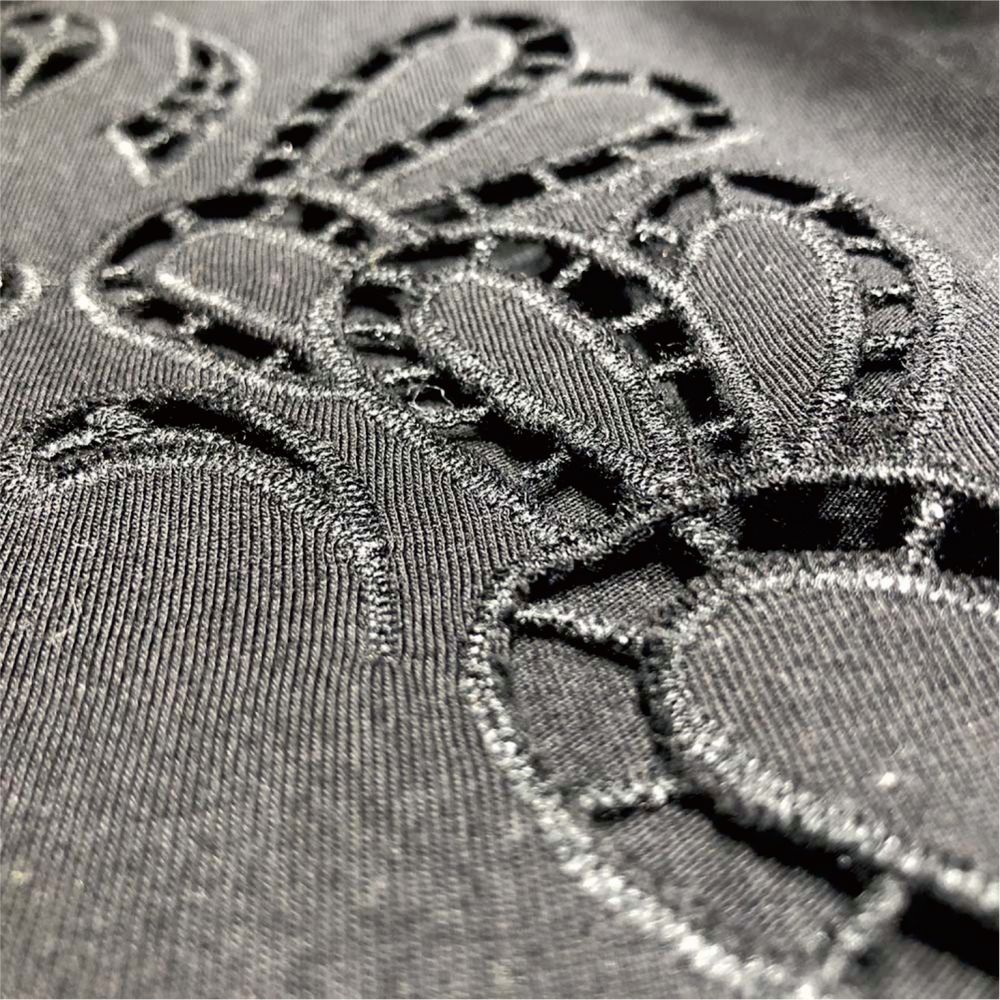
Utilizes micro-fibers adhered via heat-activated bonding to generate velvet-like raised textures, boosting premium visual dimensions.
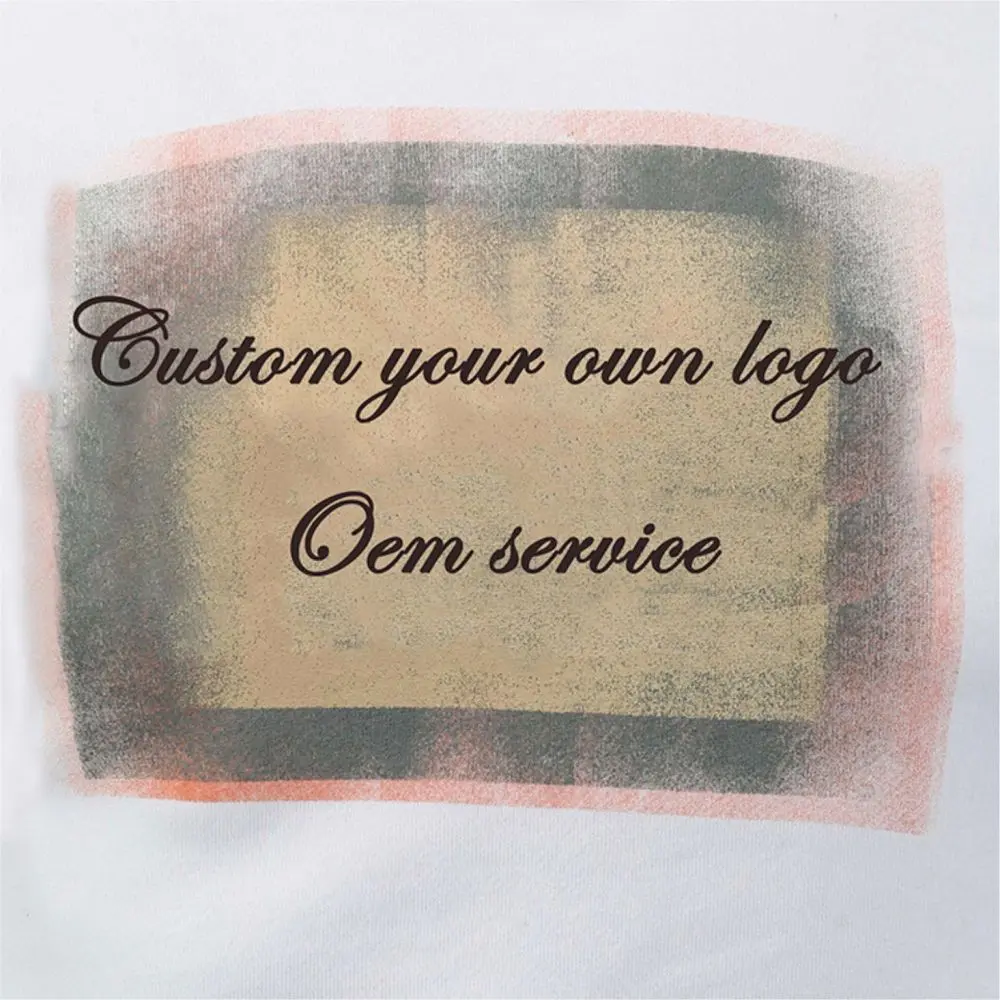
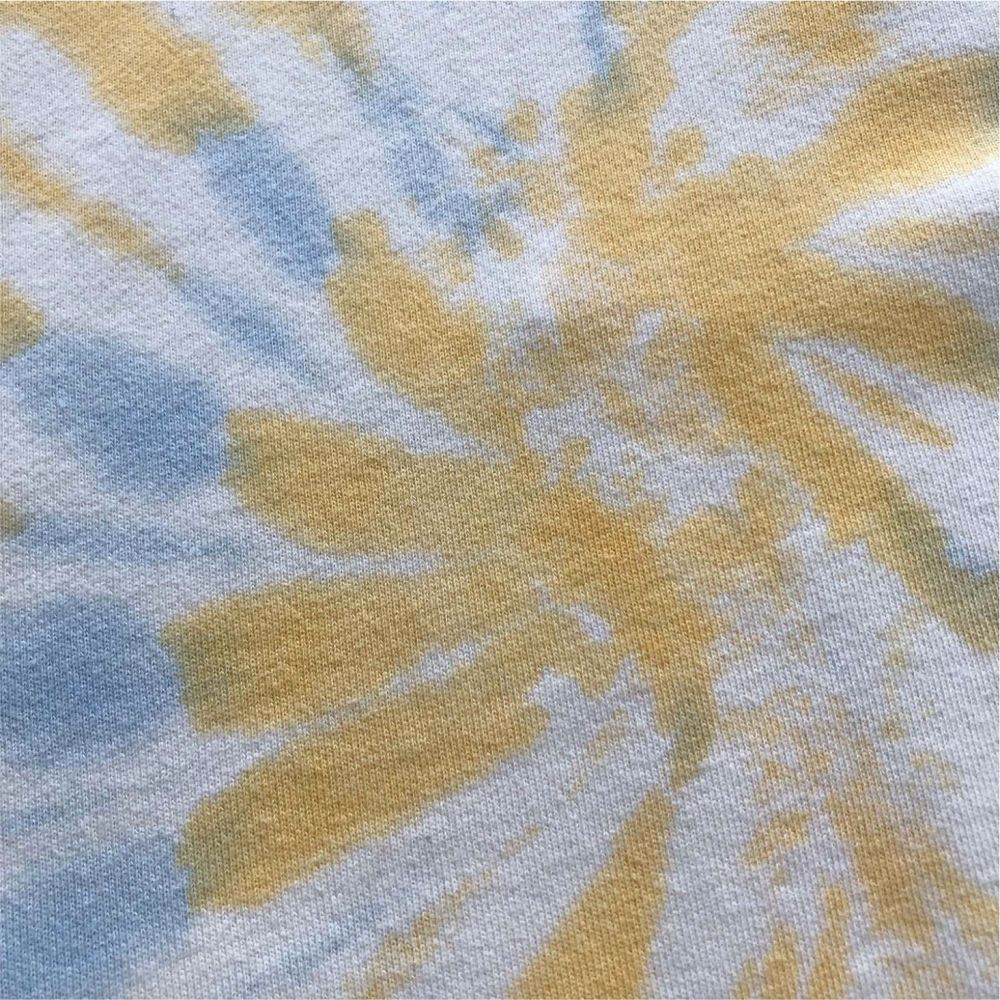
Eco-friendly water-soluble inks absorbed into the cotton fiber matrix, yielding high breathability and superior durability over washing cycles.
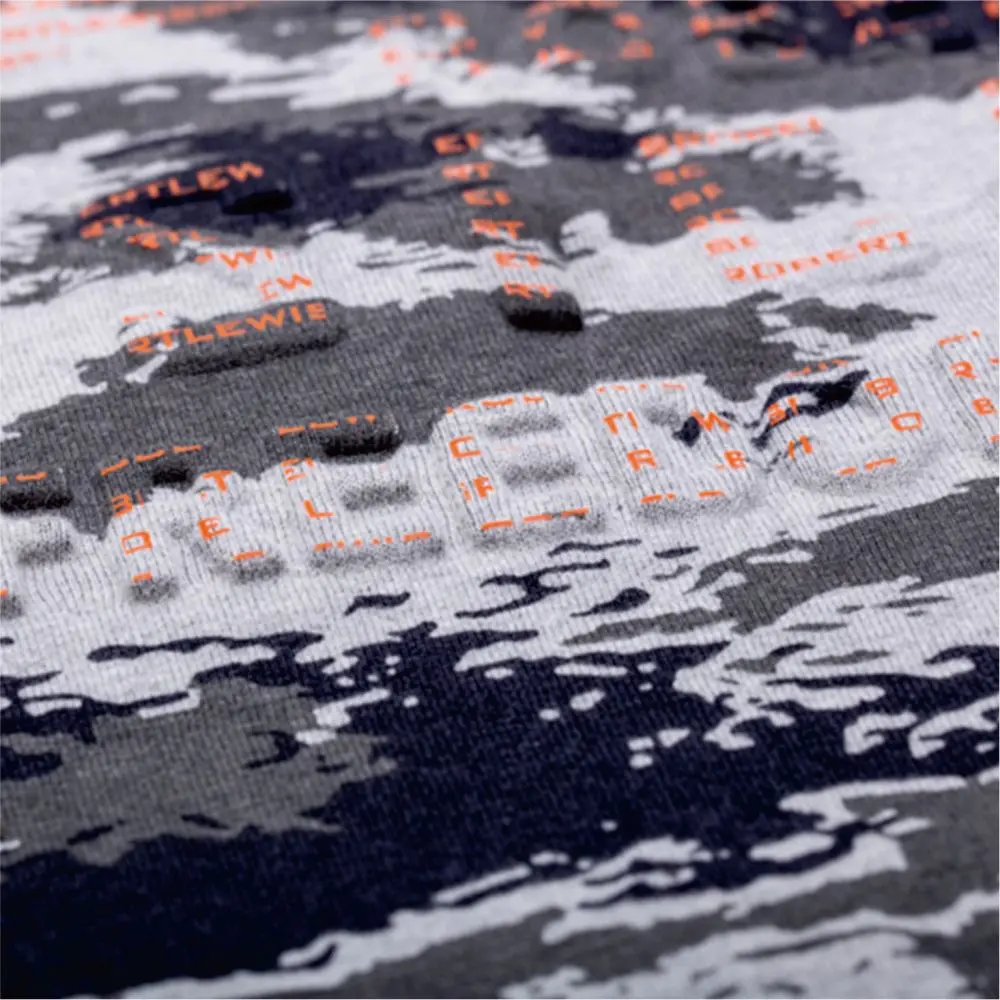
Applies structured heat dies to deform fabrics under controlled pressure, creating structural relief logos that survive washing.
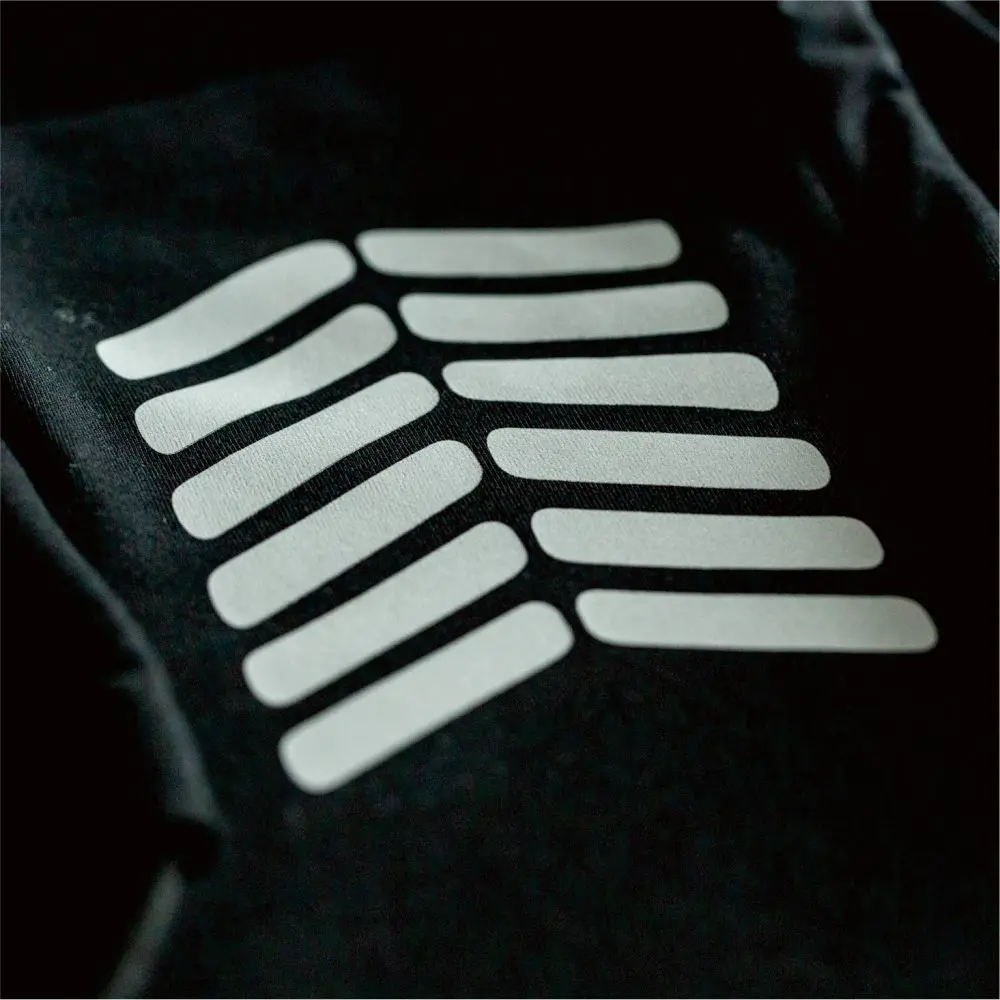
Integrates photo-luminescent pigments reflecting ultraviolet bands, ensuring safety and visibility in night sports and technical styling.
From creative concepts to consumer delivery, our workflow minimizes variance at each stage.
Production Capacity & Factory Network: A powerful and organized production infrastructure is the foundation of our company. We operate large-scale manufacturing bases in Jiangxi, Anhui, Henan, and Zhejiang provinces. Through over 30 long-term cooperative factories, we coordinate more than 10,000 skilled workers and 100+ high-capacity production lines. This network yields over 10 million pieces of ready-to-wear garments annually, and is verified by international compliance audits including WARP, BSCI, Sedex, and Disney.
Quality Assurance Nodes: Our QC teams monitor production quality directly from regional offices. For fabric sourcing, we partner with reliable material suppliers to secure certified textiles (including Oeko-tex, BCI, GRS recycled polyester, Organic cotton, Australian cotton, and Lenzing Modal). Every fabric batch is backed by third-party laboratory reports from SGS or BV, confirming specifications like yarn composition, weight density, color fastness, and tensile strength.
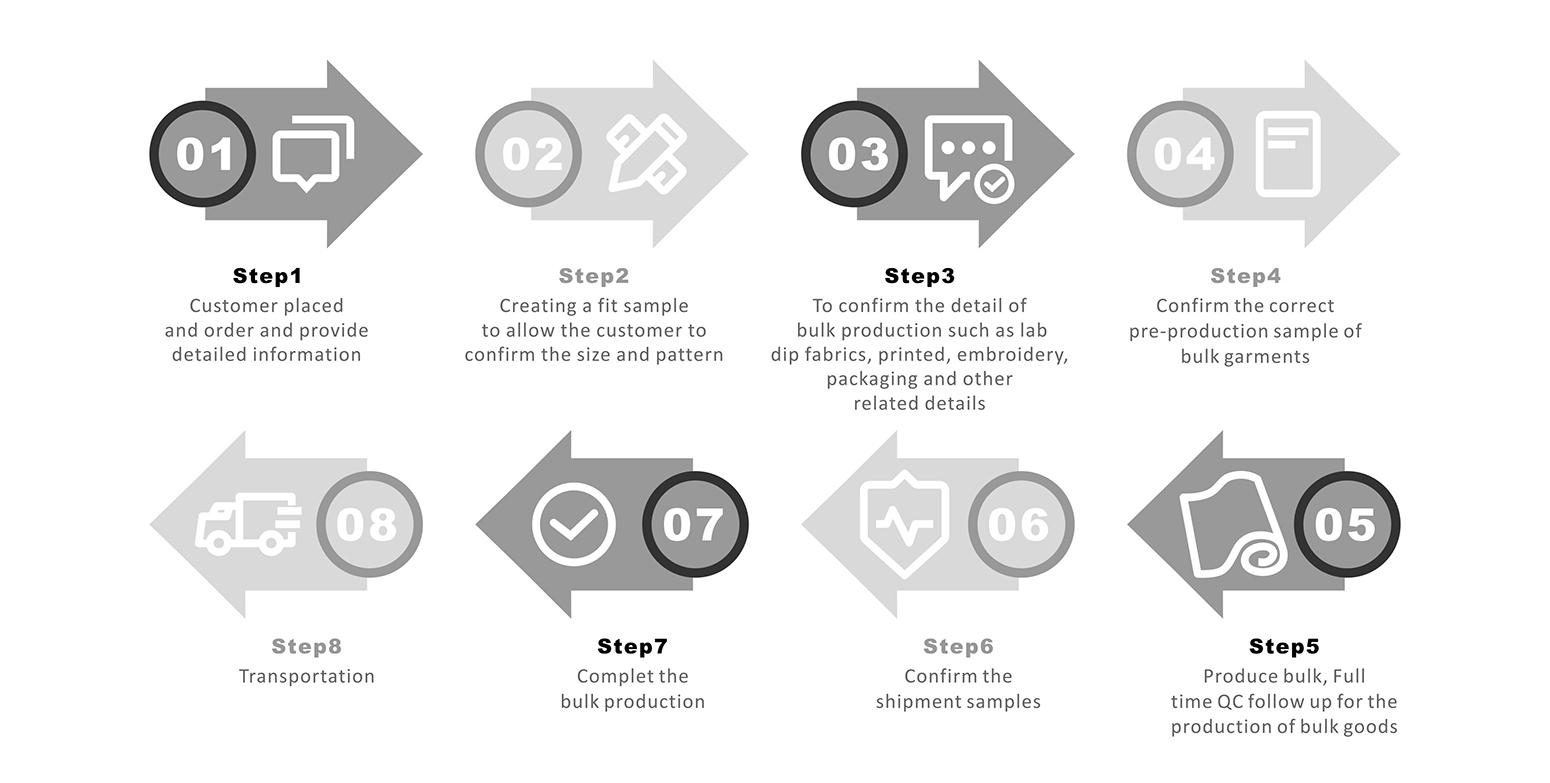
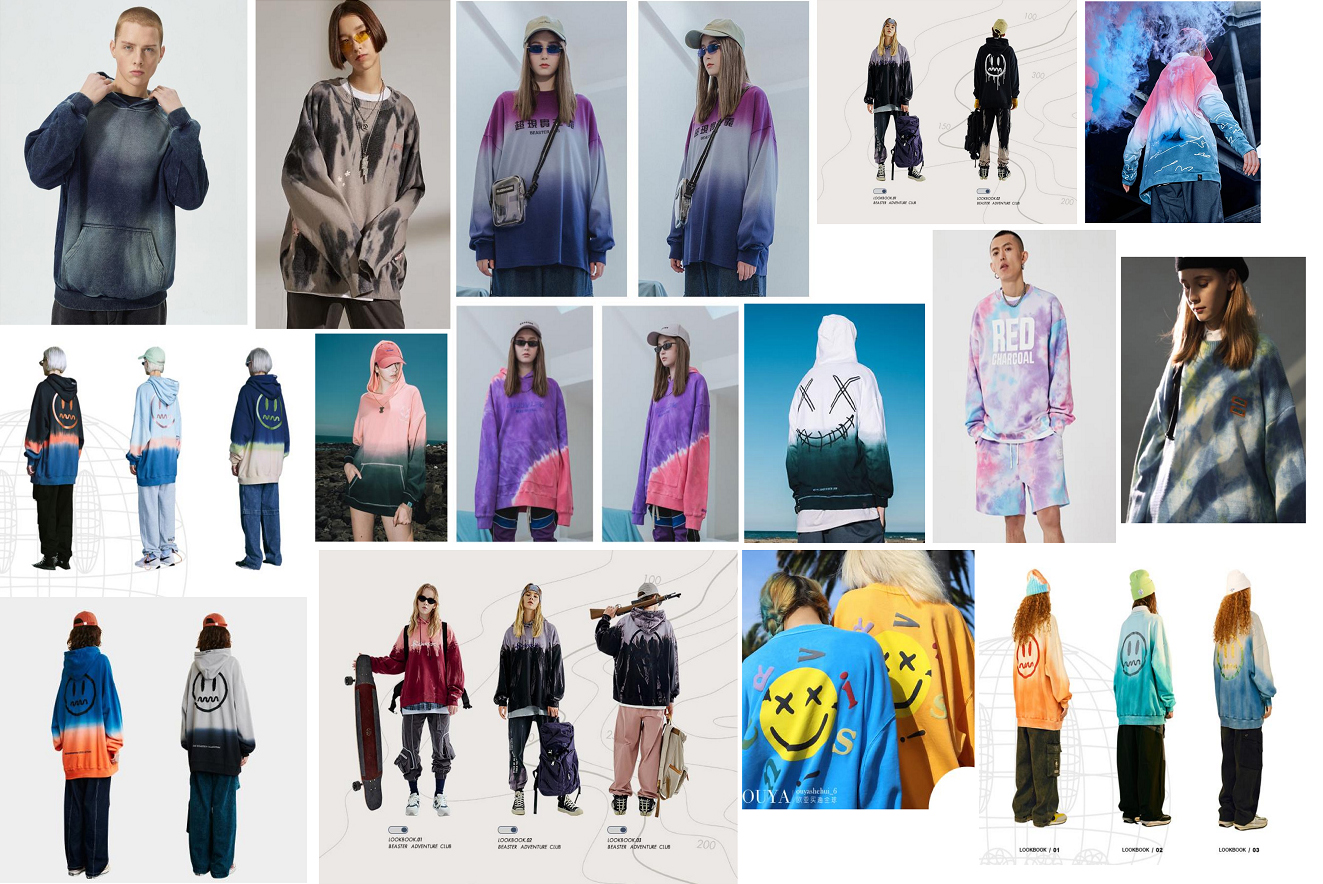
Technical Iteration: If you supply pattern sketches or visual concepts, our engineering design division builds precise CAD tech packs. For physical reference images, we produce exact one-to-one fabric samples. Our pattern makers construct paper mockups within 1 to 3 days, and our sample room completes fully finished prototypes within 7 to 14 days.
Supply Chain Optimization: Merchandisers help optimize material options to fit your target budget. They coordinate technical aspects such as graphic print calibration, placement embroidery, and structured garment washes. Once pre-production samples are approved, our manufacturing network completes bulk production runs within 30 to 60 days.
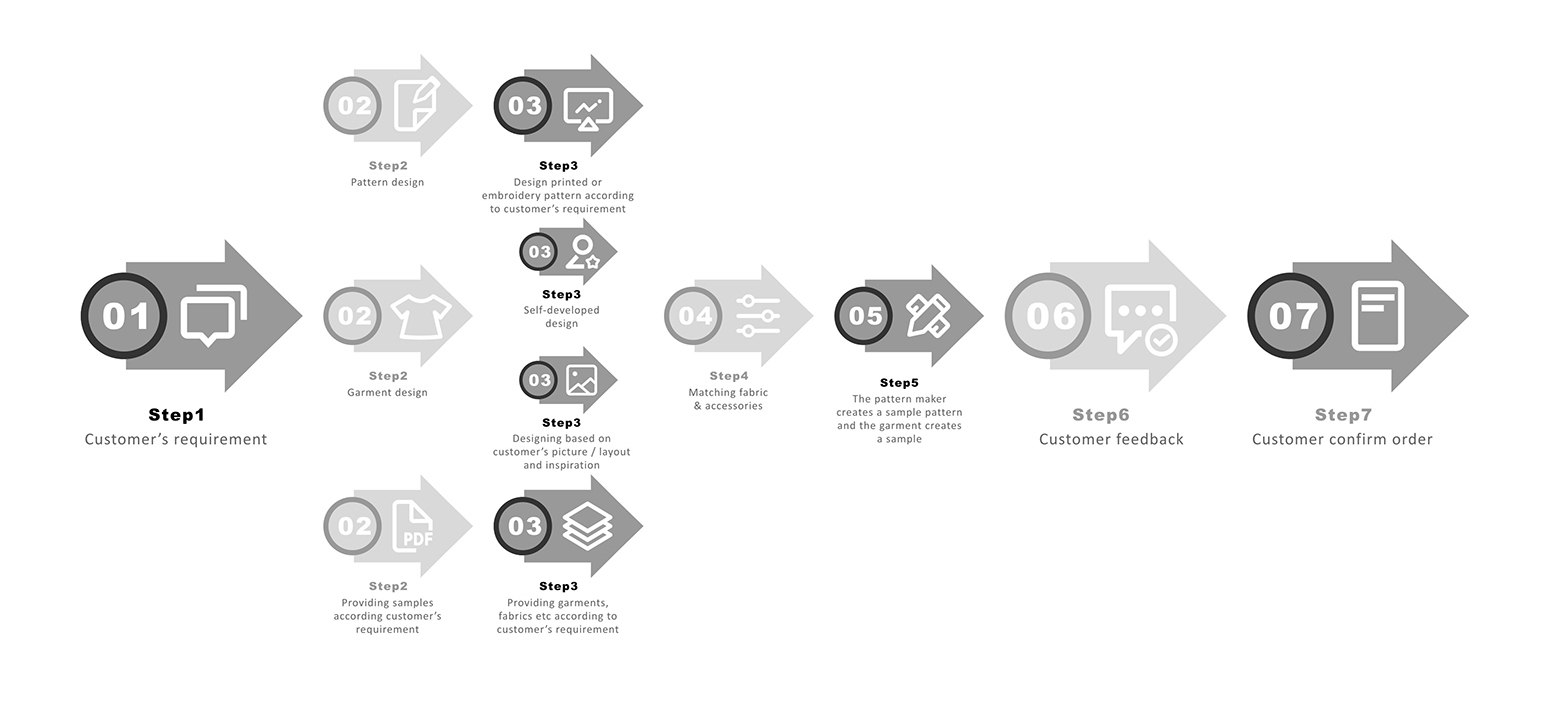
Our production process follows structured stages to verify fit, print resolution, and finish quality before initiating bulk production.
We build prototypes using final-spec patterns and fabric weights to confirm sizing, fit contours, drape, and stitch placement.
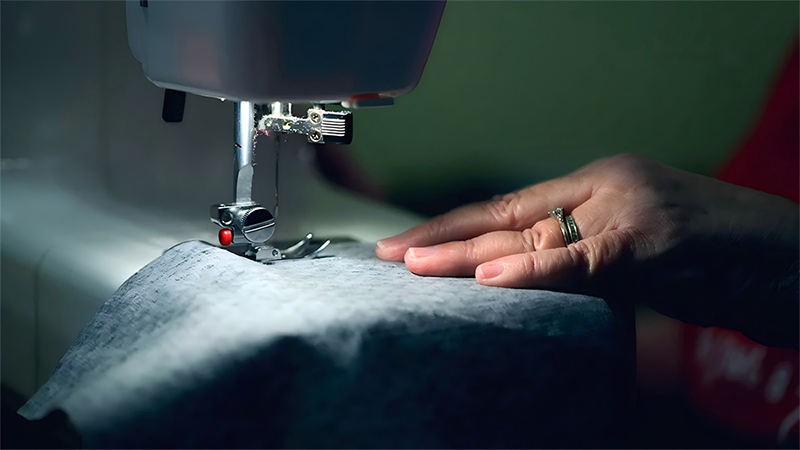
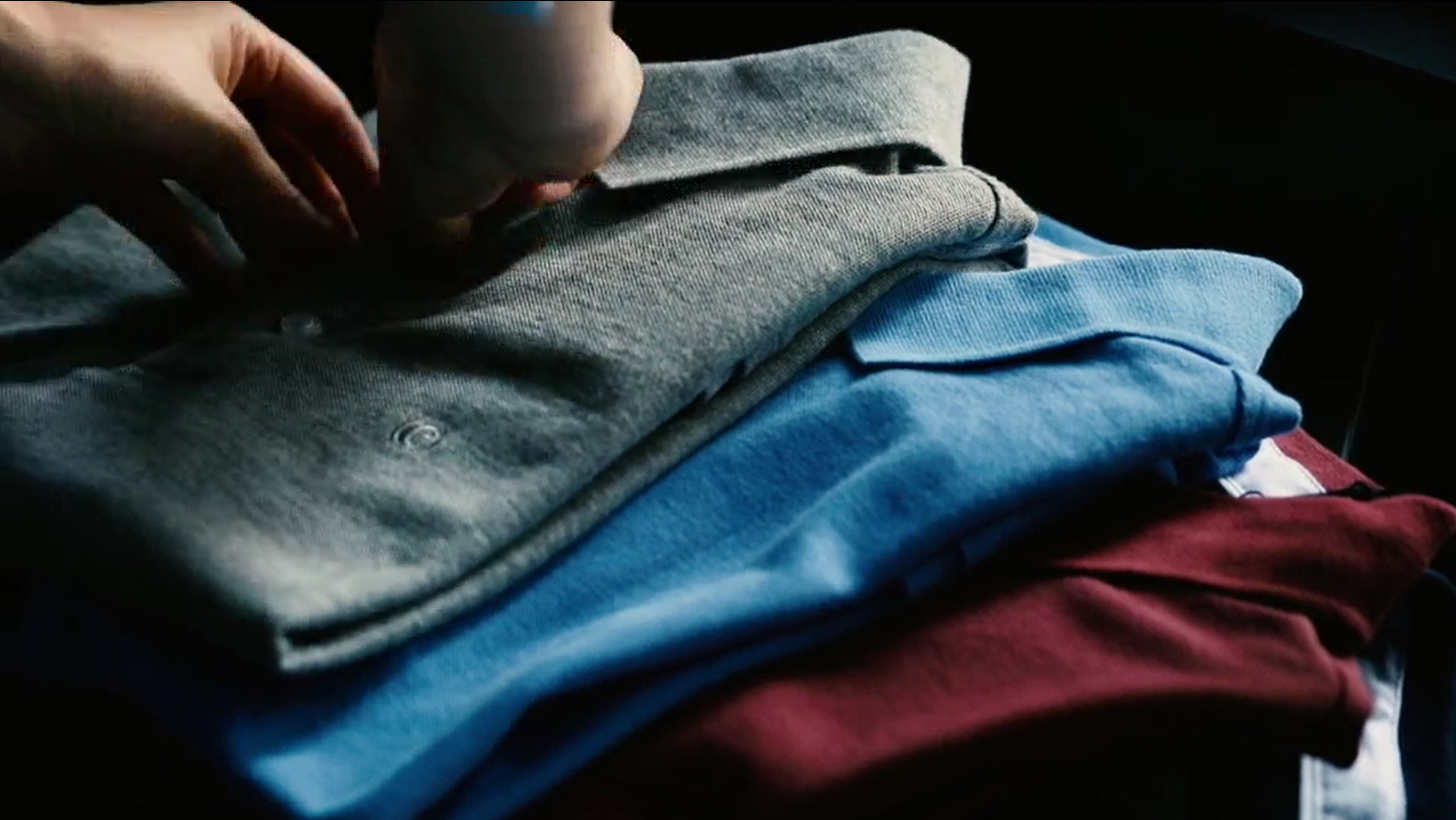
We conduct laboratory dye test matches (labdips) and calibrate digital artwork prints, embroidery patterns, and custom packaging.

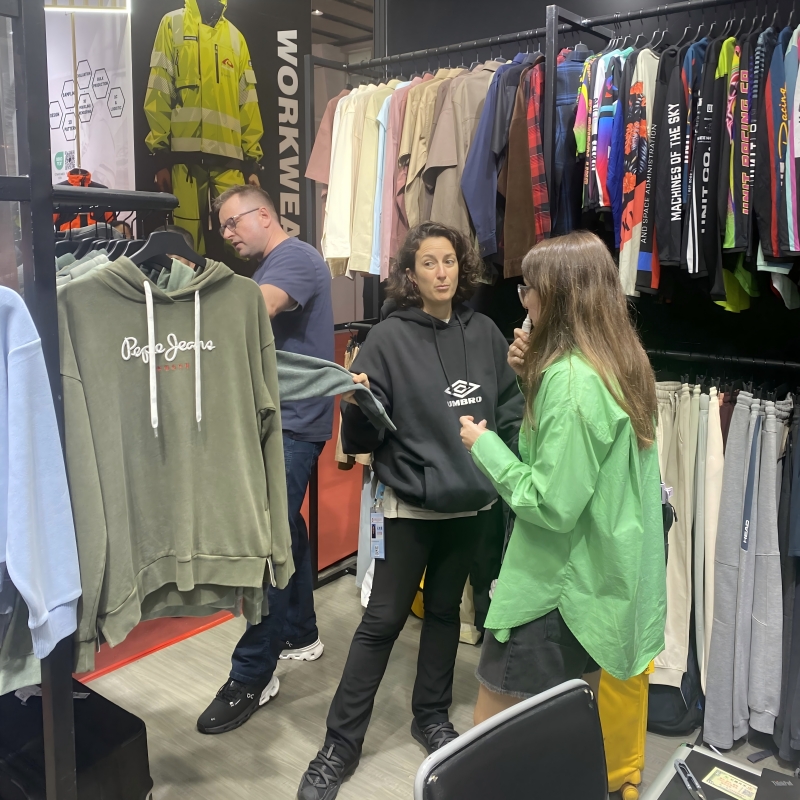
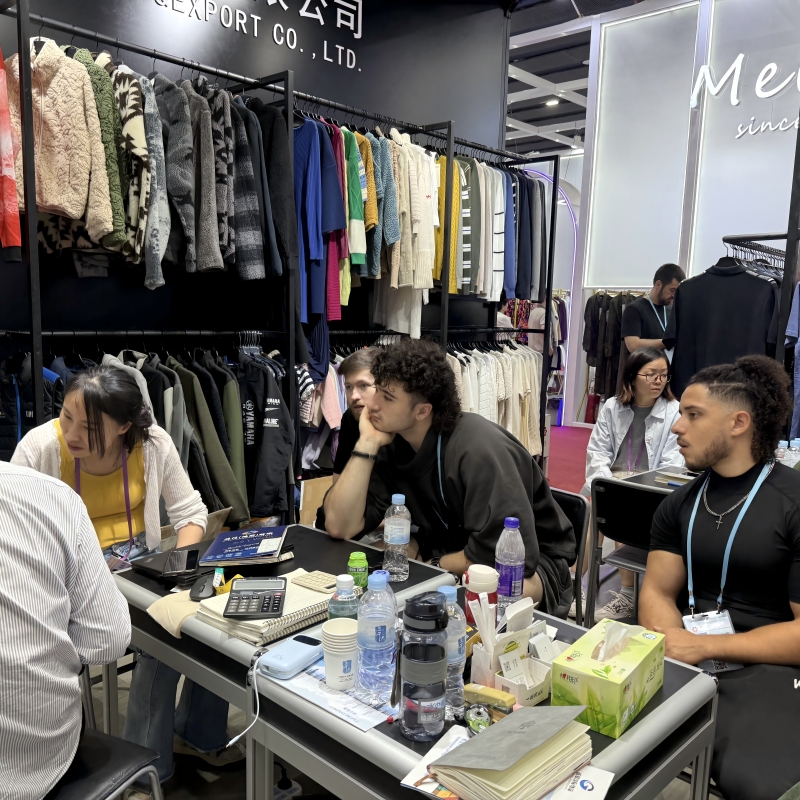
We produce a final pre-production sample (PP sample) using bulk-run fabrics, trims, and final decoration to serve as the production standard.
Our quality control protocols monitor each step of production. Our internal audit processes verify fabric density, sewing tensile limits, graphic print adhesion, and trim attachment.
This video demonstrates our automated knitting lines, computerized embroidery machinery, laser cutting tables, and manual inspection processes. This operational integration minimizes variation and ensures consistent quality.
Providing flexible volume configurations and certified materials to meet global compliance mandates.
Traditional garment manufacturing often imposes high Minimum Order Quantities (MOQs) that can strain brand resources. To address this, we offer flexible volume options. By managing shared raw material stocks across our partner factories, we help clients produce customized styles even for lower initial volumes. If a specific material falls short of mill dye minimums, we present equivalent in-stock fabrics, allowing brands to launch products without excess inventory risk.
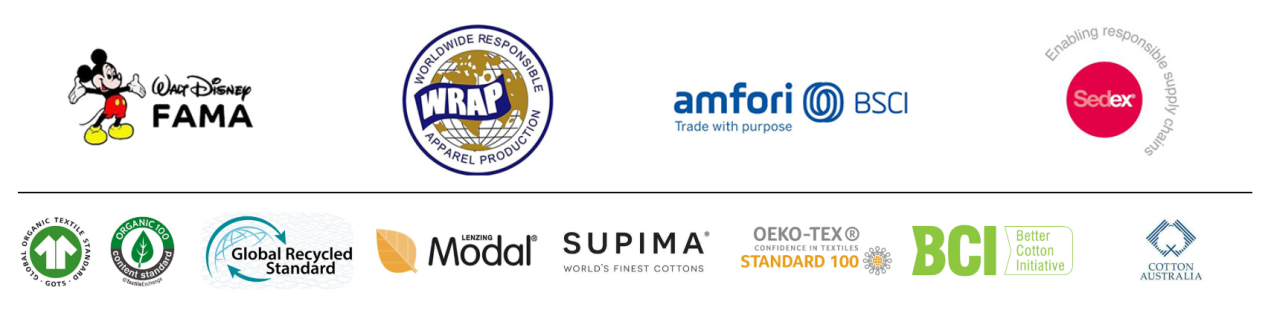
Our operational infrastructure meets global environmental and social standards. We maintain ISO 9001:2015 and ISO 14001:2015 certifications, ensuring systematic quality and environmental management. Our manufacturing partners are audited to BSCI, Sedex, WRAP, and Disney standards, protecting brand reputation across international retail markets.

Incorporating material innovation and structural efficiency into volume production.
We are expanding our use of Global Recycled Standard (GRS) certified polyester, Better Cotton Initiative (BCI) cotton, and organic cotton to help brands meet consumer demand for sustainable apparel.
Our facilities utilize automated laser fabric cutters to reduce textile waste by up to 15% compared to manual processes. This nesting optimization improves fabric yield and lowers cost-per-unit metrics.
Our materials undergo strict testing for color fastness, fiber content, and shrinkage. This verification ensures our garments meet international standards for print adhesion and dimensional stability.
Technical responses concerning prices, minimum order configurations, materials, and delivery timelines.
Building mutual benefit and sustainable growth alongside global retail brands.







Every production batch undergoes strict final QC checks before distribution.

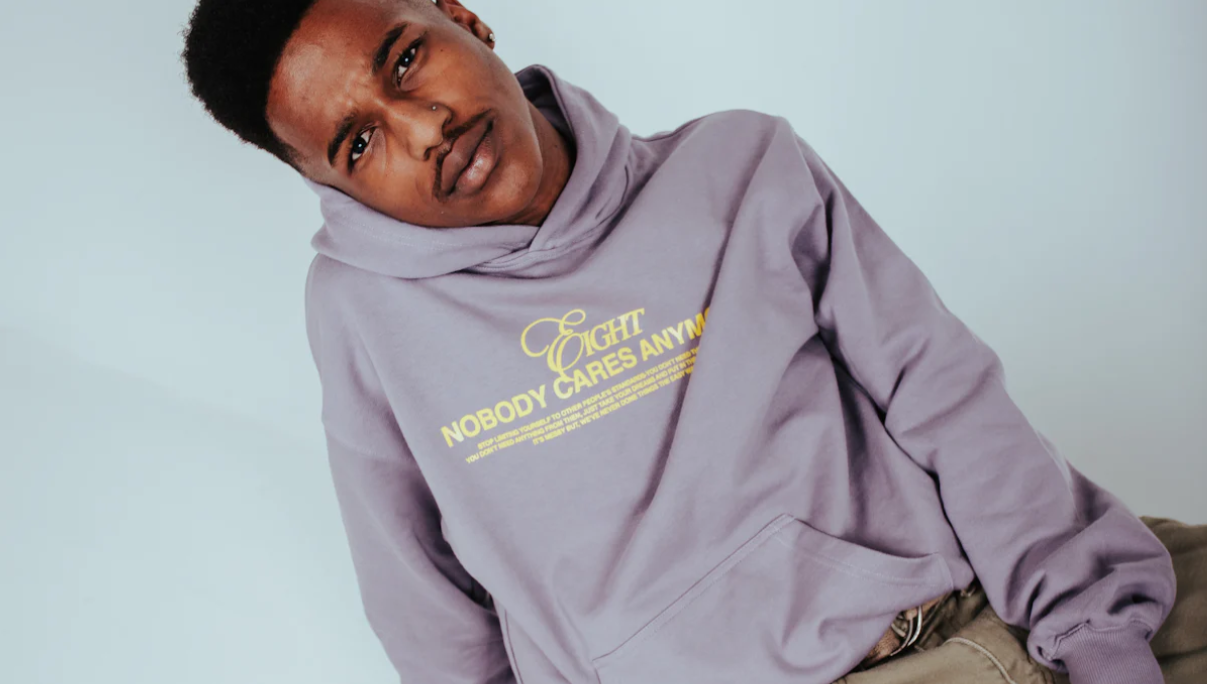

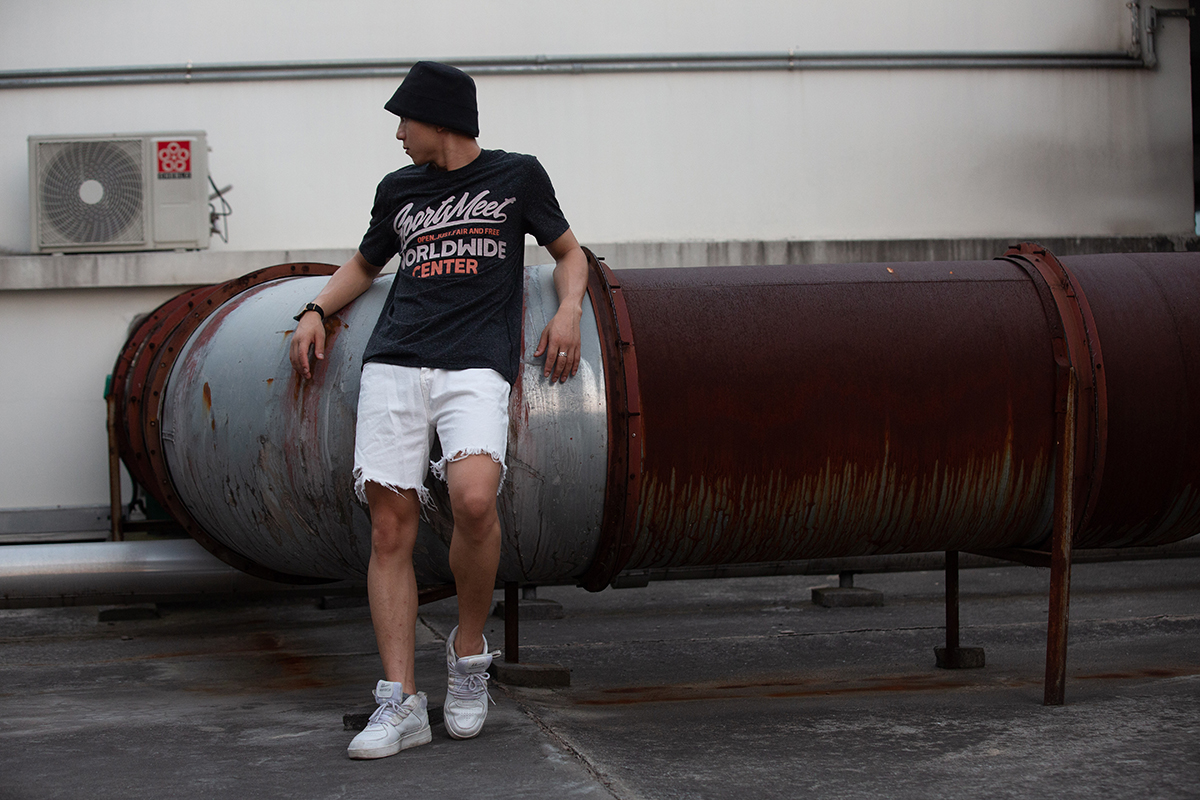
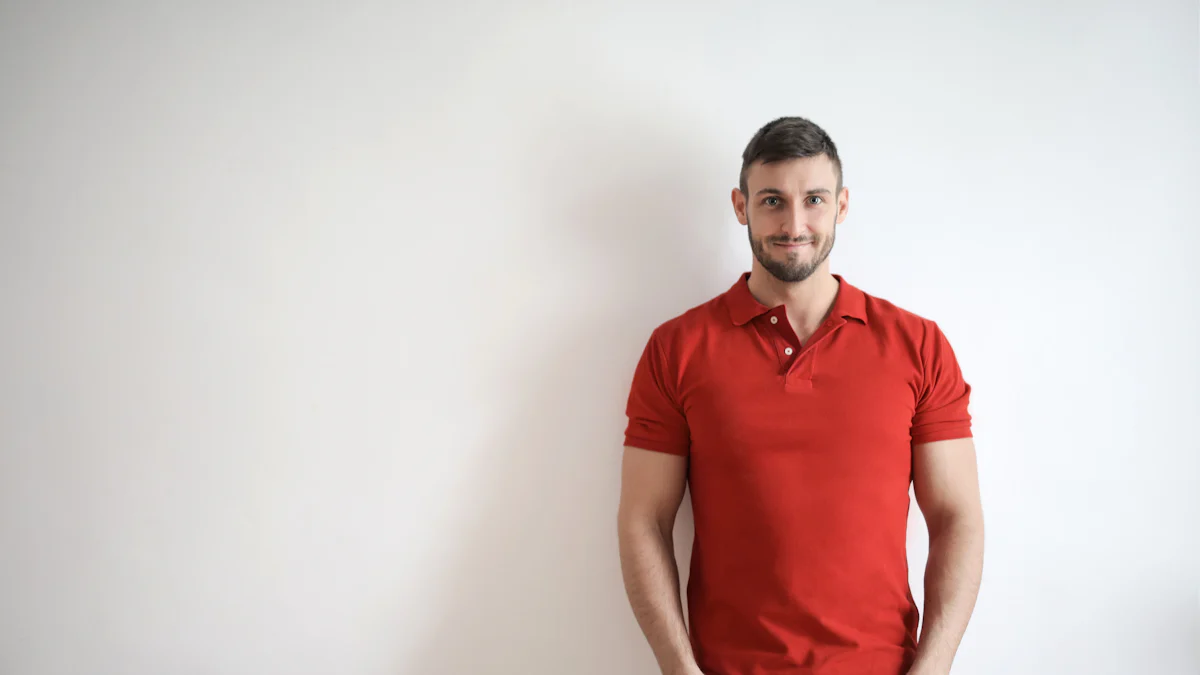

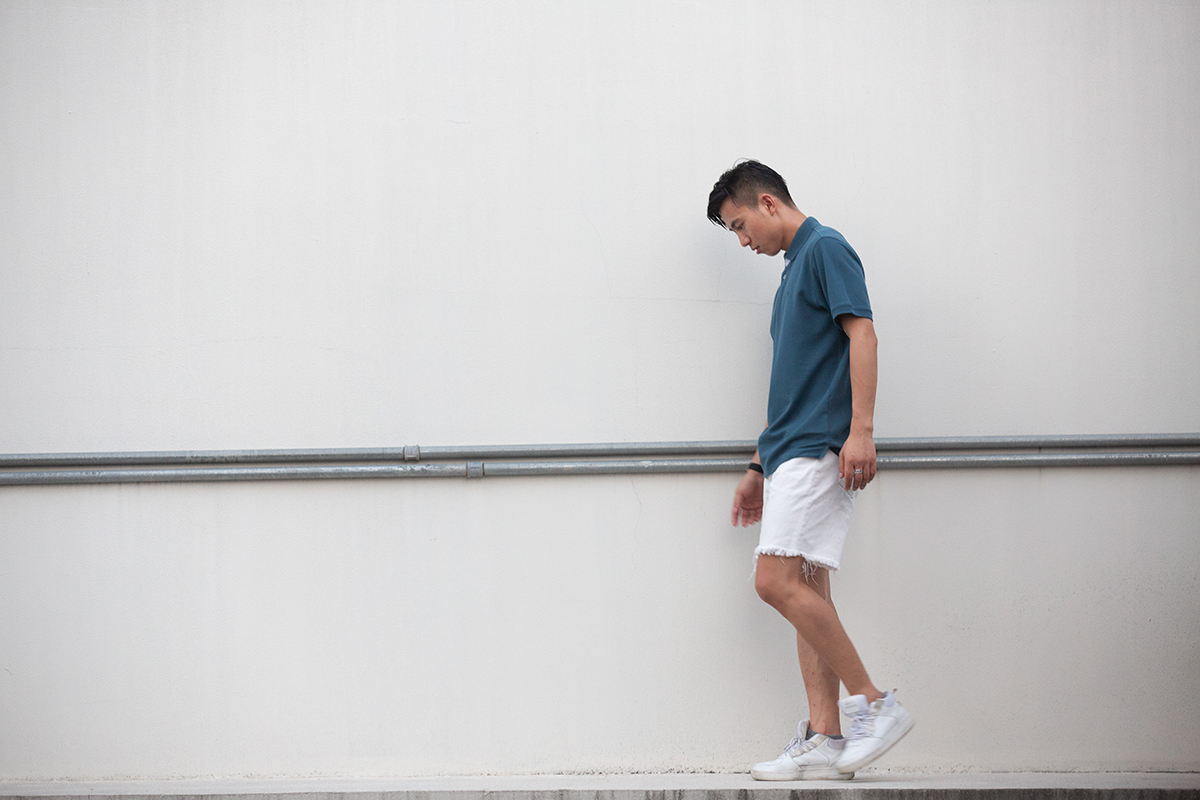
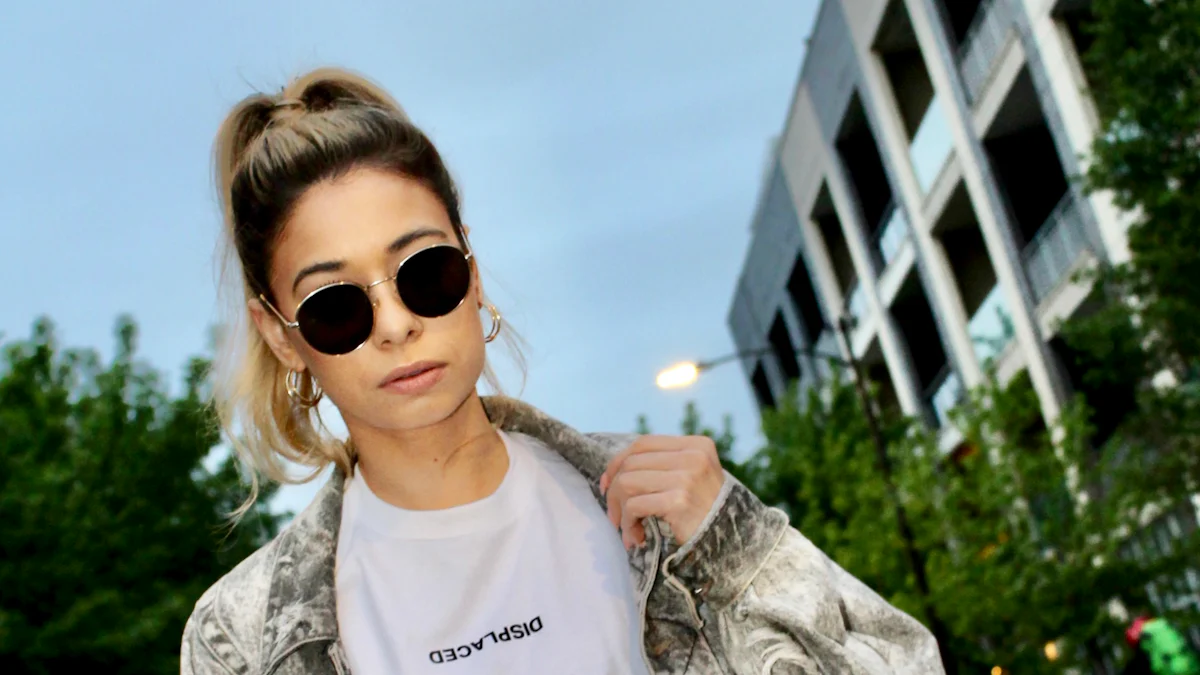
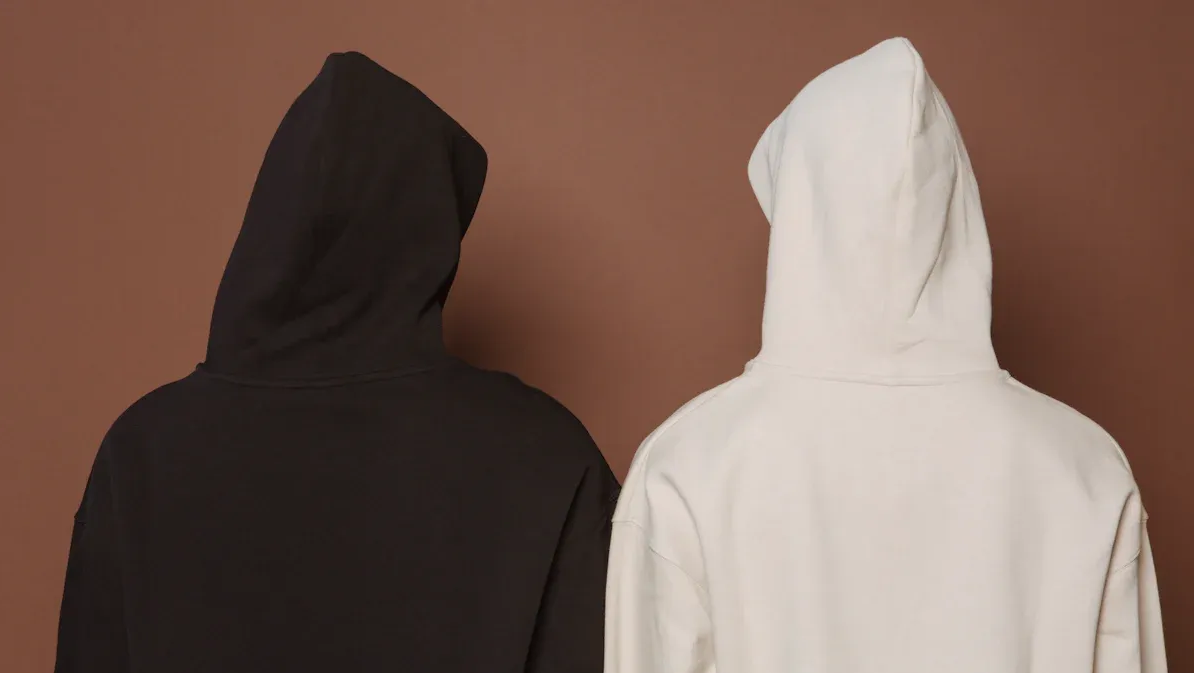

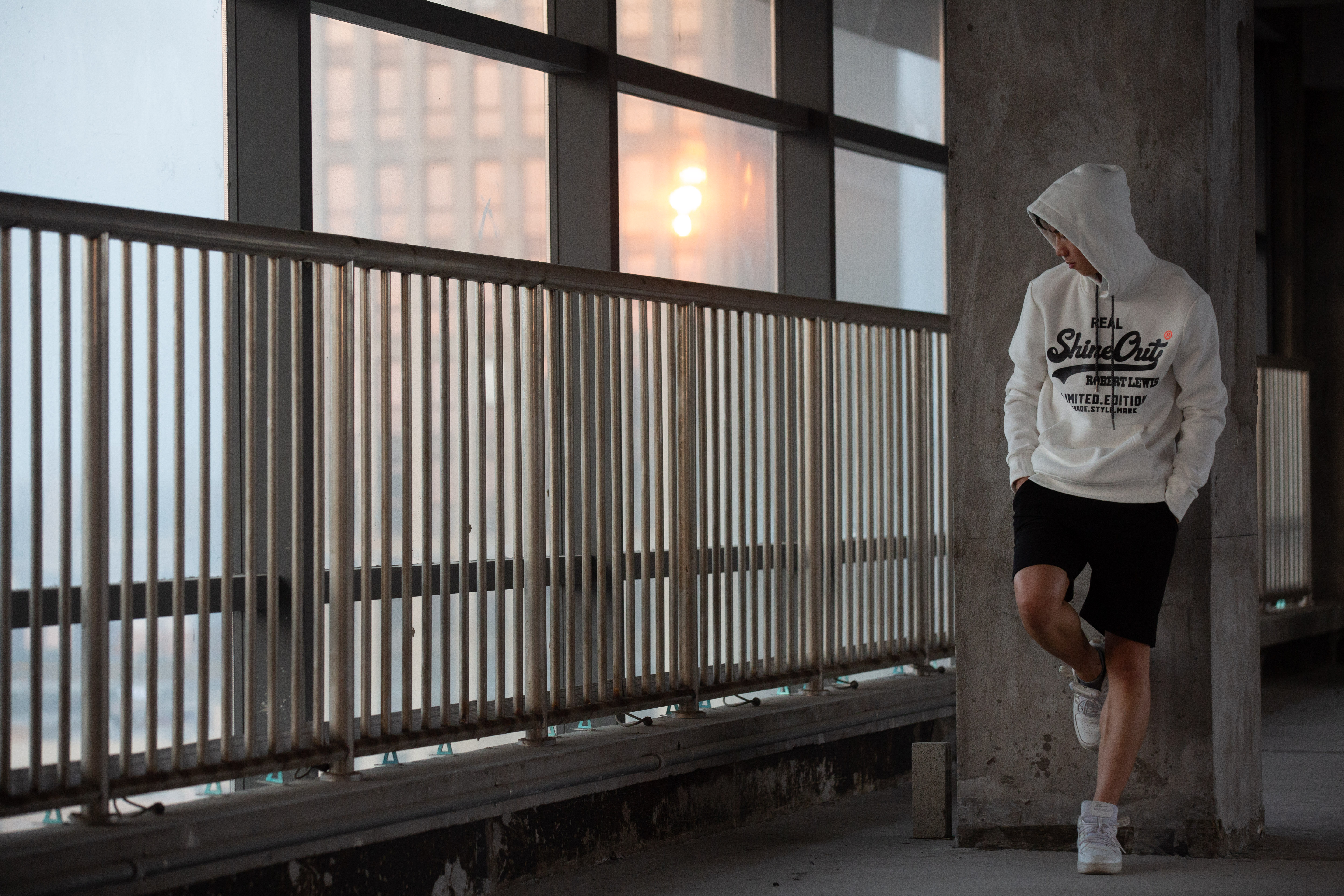
Discover additional custom-engineered sportswear and outer knit configurations from our export line.
 Jinmao